“Chemical” search results (3776)

Coffee essence Chemical Coffee Color, Flavor, Flavor and Flavor
Are you a coffee drinker? You know that some coffee may be "fake coffee" without coffee ingredients. To make a cup of mocha-flavored coffee, you only need to add a few drops of coffee essence and emulsifier bought by the food company to make a cup of chemical coffee that can't tell the difference between real and fake. Actually looking for people to drink blindly, some people can't tell the difference between real and fake coffee at all.
2014-06-26 Coffee essence chemical coffee coffee beans
Coffee essence, chemical coffee, juice or coffee.
Four cups of coffee AB is coffee flavor, CD is canned coffee sold in the market. First smell, look at the four cups are thick brown, can not be distinguished at all. Some people actually drink blindly, or guess wrong, and think that what they drink is real coffee. Doctors are not sure about the contents of Taiwan's coffee flavor, but foreign websites have found that they all contain propylene glycol. This kind of thing is usually used for maintenance.
2016-06-07 Coffee chemistry juice or four cups coffee flavor market canned first use
Analysis of the aroma of coffee from a chemical point of view
Whether you are a coffee expert or an ordinary coffee lover, you will be attracted by the attractive aroma of that freshly ground coffee every morning. What you don't know is that this fragrance actually contains thousands of chemicals. To give you a better understanding of the chemical components of coffee aroma, we have drawn the following chart: in the face of such a complex chemical symbol, you may be
2015-08-25 Chemistry angle analysis coffee aroma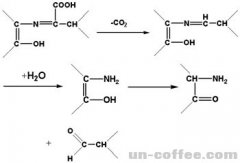
Chemical reaction in coffee roasting Maillard reaction
The roasting of coffee beans is formed by the interaction of different chemical reactions. Generally known as Maillard reaction, caramelization reaction and distillation reaction. Today, let's get a preliminary understanding of what the Merad reaction is. Maillard reaction translated into Chinese is: Merad reaction. Also known as non-enzymatic browning reaction.
2015-01-23 Coffee roasting medium chemical reaction rad reaction coffee beans that is
Some complex chemical changes in the roasting of coffee
The color, aroma and taste of coffee are caused by some complex chemical changes that take place during the baking process. Generally speaking, we use strong alcohol to show the round, mellow and strong taste of coffee. So raw coffee beans must go through a proper chemical process to achieve the most balanced state of its essential ingredients in order to be regarded as the best baked beans. The aroma of coffee will follow the heat.
2015-10-15 Coffee mellow sour bitter roasting some complex chemical change coffee color fragrance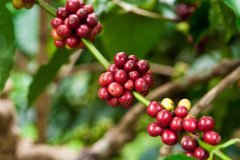
In-depth Analysis of Coffee Taste from Chemical Angle
It has been said that adding salt to coffee can neutralize bitterness, which sounds ridiculous, but it has been proved to be effective by science. In 1997, scientists tried to put salt into a bitter chemical solution and compared the bitterness of the solution. It was found that although the concentration of bitter elements in chemical solvents did not change, the chemical solution with salt did not taste so bitter.
2016-06-24 Chemistry Angle Deep Analysis Coffee Taste someone Salt OK medium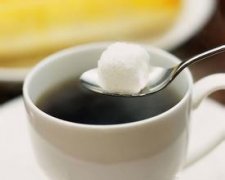
The sour, mellow and bitter taste of coffee is caused by complex chemical changes in roasting.
The color, aroma and taste of coffee are caused by some complex chemical changes that take place during the baking process. So raw coffee beans must go through a proper chemical process to achieve the most balanced state of its essential ingredients in order to be regarded as the best baked beans. The aroma of coffee will change with the heat, so the baking time should be shortened as much as possible, and the heat should be controlled within the range of heat.
2015-06-15 Coffee mellow penetrating roasting raw complex chemical change causing coffee color
The main chemical composition of raw coffee beans is carbohydrate.
Main chemical components of raw coffee beans: content (%) carbohydrate 60.0 reducing sugar 1.0 sucrose 7.0 pectin 2.0 starch 10.0 garrison 5.0 hemicellulose 15.0 holocellulose 18.0 lignin 2.0
2015-03-17 Coffee beans main chemical ingredients carbohydrates most coffee beans
The chemical structure of coffee and its changes show the characteristics and processing of coffee.
Coffee has long been recognized by the public, and chemistry is also a compulsory course in education in our country. However, we must not know much about the chemical structure of coffee and its changes. Readers may not be very interested in the content that is too theoretical. Now we will use more artistic pictures and language to show you the characteristics and processing of coffee. Coffee can spread all over the world in a hundred years.
2015-09-07 Coffee chemistry tissue and its change display touch quality processing made
What is tannic acid? One of the main chemical constituents of coffee beans
Tannin, one of the main chemical components of coffee beans, accounts for about 7% of the total chemical composition of coffee beans. After extraction, tannic acid will turn into a yellowish powder and easily dissolve in water. Once heated, it will decompose to produce pyrosylic acid, making the taste of coffee worse. Because of this, a cup of brewed coffee will lose its taste and taste if it is not drunk immediately.
2015-10-12 What Ning acid coffee beans main chemistry ingredients one
Why is coffee bitter?
Why is coffee bitter? A seemingly simple problem has been bothering scientists for decades. Now, scientists have narrowed down their research and targeted two chemical molecules. At the annual meeting of the American Chemical Society, scientists reported that the two bitter chemical molecules were produced during the processing of coffee.
2014-07-23 Bitter coffee coffee taste
Main chemical constituents of raw coffee beans
Main chemical components of raw coffee beans: content (%) carbohydrate 60.0 reducing sugar 1.0 sucrose 7.0 pectin 2.0 starch 10.0 garrison 5.0 hemicellulose 15.0 holocellulose 18.0 lignin 2.0
2014-08-09 Coffee knowledge coffee bean composition chemical composition
The main chemical components of coffee beans
The main chemical composition of green coffee beans: composition content (%) carbohydrate 60.0 reducing sugar 1.0 sucrose 7.0 pectin 2.0 starch 10.0 tulose 5.0 hemicellulose 15.0 total cellulose 18.0 lignin 2.0
2014-10-29 Coffee knowledge fine coffee science coffee bean ingredients chemical composition
Basic knowledge of coffee beans the main chemical components of raw coffee beans
Main chemical components of raw coffee beans: content (%) carbohydrate 60.0 reducing sugar 1.0 sucrose 7.0 pectin 2.0 starch 10.0 garrison 5.0 hemicellulose 15.0 holocellulose 18.0 lignin 2.0
2015-02-04 Coffee beans basic knowledge main Chemistry ingredients Chemical
The Chemical reaction of Fine Coffee Technology in Baking
Coffee has a rich, wide range of flavors. Coffee produced in different regions, different elevations, different climates and different producing areas has its own unique characteristics. Raw beans are fragrant and have no usual coffee taste at all; the taste of coffee comes from proper roasting. Show fruity (light roasting) or caramel sweetness (deep roasting). The lighter the baking, the more sour it tastes. Baking.
2014-11-14 Coffee knowledge coffee technology coffee roasting chemical reaction
How to deal with coffee beans to become decaf
In this century, scientists have developed three methods to extract and remove caffeine from coffee beans: (1) Chemical method dissolves caffeine in beans with chemical solvents, which can selectively dissolve substances, so it will not remove all the substances in coffee beans, and can retain the best original taste of beans. Using chemical methods, it is inevitable in coffee beans.
2014-08-22 Coffee knowledge coffee bean processing decaf
Basic knowledge of fine coffee the main chemical constituents of raw coffee beans
Main chemical components of raw coffee beans: content (%) carbohydrate 60.0 reducing sugar 1.0 sucrose 7.0 pectin 2.0 starch 10.0 garrison 5.0 hemicellulose 15.0 holocellulose 18.0 lignin 2.0
2014-12-05 Boutique coffee basics common sense coffee beans main chemistry ingredients
General knowledge of fine coffee beans the main chemical constituents of raw coffee beans
Main chemical components of raw coffee beans: content (%) carbohydrate 60.0 reducing sugar 1.0 sucrose 7.0 pectin 2.0 starch 10.0 garrison 5.0 hemicellulose 15.0 holocellulose 18.0 lignin 2.0
2015-01-19 Boutique coffee beans common sense main chemistry ingredients Cheng
Basic knowledge of coffee beans the main chemical constituents of raw coffee beans
Main chemical components of raw coffee beans: content (%) carbohydrate 60.0 reducing sugar 1.0 sucrose 7.0 pectin 2.0 starch 10.0 garrison 5.0 hemicellulose 15.0 holocellulose 18.0 lignin 2.0
2015-05-04 Coffee beans basics common sense main chemistry ingredients coffee beans Cheng
The average chemical composition of raw coffee beans is as follows
The average chemical composition of raw coffee beans is as follows: water 12%, nitrogen 12%, fat 12%, sugar and dextrin (dextrine) 10%, other non-nitrogen substances 18%, dust 4%, tannin 6.7%, caffeine 1.2%, coffee essential oil 0.1%. Of course, these data are not fixed, and the quantity of some of these ingredients varies greatly, which is why each kind of coffee is so different.
2015-05-29 Original coffee beans average study group as follows