“Chemical” search results (3776)

Basic chemical reactions that occur during coffee roasting
Many thermal and chemical reactions take place during baking: decarbonation, dehydration of quinic acid, fragmentation, isomerization, polymerization, and complex sugar reactions (caramelization). The main thermally reactive components are monosaccharides and sucrose, chlorogenic acid, displaced amino acids, and trigonelline amide. Both aravinone and calactose in polysaccharides are transferred, and basic sulfurization contains hydroxyamino acids.
2014-08-20 Coffee knowledge Coffee roasting Chemical changes Coffee encyclopedia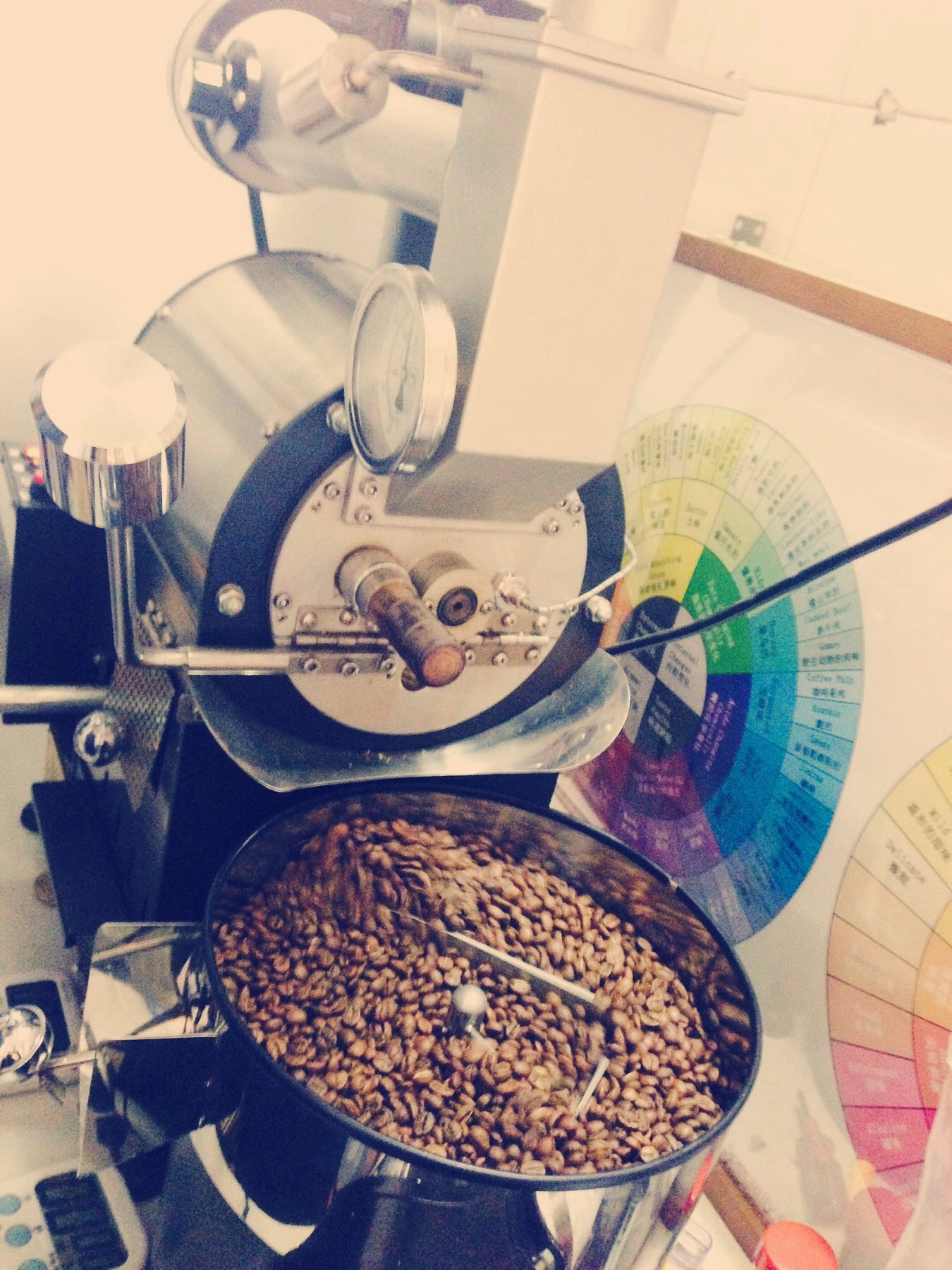
Key points of coffee roasting techniques: basic chemical reactions that take place during coffee roasting
Basic chemical reactions that occur during coffee roasting author: Carl Staub originates from the SCAA baking color classification system, developed by Agtron SCAA 1995 original text from: http://www.sweetmarias.com/roast.carlstaub.html translation: Grant, http://www.baristacn.com/forum/thread-1583-1-1.html in the roasting process
2015-12-16 Coffee roasting techniques key points process medium hair raw basic chemical reaction
Why is coffee bitter?
Why is coffee bitter? This problem has plagued scientists for decades. Now, scientists have narrowed down their research and targeted two chemical molecules. At the annual meeting of the American Chemical Society, scientists reported that the two bitter chemical molecules were produced during the processing of coffee, a discovery that may cause coffee to be added.
2014-05-13 Coffee powder coffee beans instant coffee
Why is pure coffee bitter?
Why is coffee bitter? This problem has plagued scientists for decades. Now, scientists have narrowed down their research and targeted two chemical molecules. At the annual meeting of the American Chemical Society, scientists reported that the two bitter chemical molecules were produced during the processing of coffee, a discovery that may cause coffee to be added.
2014-05-22 Coffee culture pure coffee bitter
Understand why coffee is bitter?
Why is coffee bitter? This problem has plagued scientists for decades. Now, scientists have narrowed down their research and targeted two chemical molecules. At the annual meeting of the American Chemical Society, scientists reported that the two bitter chemical molecules were produced during the processing of coffee, a discovery that may cause coffee to be added.
2014-08-06 Understand coffee why bitter this the problem a few
Chemical composition of milk in fine coffee
Milk is made up of protein, fat and sugar. Protein is the medium of foaming, and when the air is pumped into the milk, the protein forms a thin film around the air, wrapping the air to form bubbles. Fat inhibits and destroys the foaming process, although whole milk produces softer foam than skim milk and unfortified milk
2014-11-24 Knowledge of coffee general knowledge of fine coffee chemical composition of milk
Basic knowledge of boutique coffee Why is coffee bitter?
Why is coffee bitter? This problem has plagued scientists for decades. Now, scientists have narrowed down their research and targeted two chemical molecules. At the annual meeting of the American Chemical Society, scientists reported that the two bitter chemical molecules were produced during the processing of coffee, a discovery that may cause coffee to be added.
2015-03-26 Boutique coffee basics common sense why bitter this
Basic knowledge of coffee Why is coffee bitter?
Why is coffee bitter? This problem has plagued scientists for decades. Now, scientists have narrowed down their research and targeted two chemical molecules. At the annual meeting of the American Chemical Society, scientists reported that the two bitter chemical molecules were produced during the processing of coffee, a discovery that may cause coffee to be added.
2015-05-13 Coffee basics common sense why bitter this ask
Why is pure coffee bitter?
Why is coffee bitter? This problem has plagued scientists for decades. Now, scientists have narrowed down their research and targeted two chemical molecules. At the annual meeting of the American Chemical Society, scientists reported that the two bitter chemical molecules were produced during the processing of coffee, a discovery that may cause coffee to be added.
2015-06-13 Coffee basics common sense why bitter this ask
Why is pure coffee bitter?
Why is coffee bitter? This problem has plagued scientists for decades. Now, scientists have narrowed down their research and targeted two chemical molecules. At the annual meeting of the American Chemical Society, scientists reported that the two bitter chemical molecules were produced during the processing of coffee, a discovery that may cause coffee to be added.
2015-08-24 Coffee why bitter coffee this problem decades years
Chemical reaction of Fine Coffee in roasting
Coffee has a rich, wide range of flavors. Coffee produced in different regions, different elevations, different climates and different producing areas has its own unique characteristics. Raw beans are fragrant and have no usual coffee taste at all; the taste of coffee comes from proper roasting. Show fruity (light roasting) or caramel sweetness (deep roasting). The lighter the baking, the more sour it tastes. Baking.
2015-03-25 Boutique coffee roasting medium chemistry reflection owned rich extensive
Coffee Basics Chemical Reaction of Coffee in Roasting
Coffee has a wide variety of flavors. Different regions, different altitudes, different climates, different origins of coffee production have their own unique characteristics, green beans are fresh and completely without the usual coffee taste; coffee taste comes from proper roasting, showing fruity (medium light roast) or caramel sweet (deep roast). The lighter the roast, the more sour the taste.
2015-05-12 coffee basics common sense roasting medium chemistry reflection possession richness
The basic chemical reaction of coffee roasting process
Many thermal and chemical reactions take place during baking: decarbonation, dehydration of quinic acid, subdivision, isomerization, polymerization, and complex sugar reactions (caramelization). The main components of the thermal reaction are monosaccharides and sucrose, chlorogenic acid, free amino acids, and fenugreek amide. Both aravinose and calactose in the polysaccharides are transferred, and the basic vulcanization contains hydroxylated amino acid.
2014-08-15 Coffee knowledge coffee roasting process baking chemical reaction
The basic chemical reaction that takes place during coffee roasting.
Many thermal and chemical reactions take place during baking: decarbonation, dehydration of quinic acid, subdivision, isomerization, polymerization, and complex sugar reactions (caramelization). The main components of the thermal reaction are monosaccharides and sucrose, chlorogenic acid, free amino acids, and fenugreek amide. Both aravinose and calactose in the polysaccharides are transferred, and the basic vulcanization process includes hydroxylamine.
2014-11-22 Coffee knowledge coffee common sense coffee roasting chemical reaction
The basic chemical reactions that take place during coffee roasting
Many thermal and chemical reactions take place during baking: decarbonation, dehydration of quinic acid, subdivision, isomerization, polymerization, and complex sugar reactions (caramelization). The main components of the thermal reaction are monosaccharides and sucrose, chlorogenic acid, free amino acids, and fenugreek amide. Both aravinose and calactose in the polysaccharides are transferred, and the basic vulcanization process includes hydroxylamine.
2015-10-15 Coffee roasting process medium hair raw basic chemical reaction
Chemical reaction of coffee beans in roasting
Coffee has a rich, wide range of flavors. Coffee produced in different regions, different elevations, different climates and different producing areas has its own unique characteristics. Raw beans are fragrant and have no usual coffee taste at all; the taste of coffee comes from proper roasting. Show fruity (light roasting) or caramel sweetness (deep roasting). The lighter the baking, the more sour it tastes. Baking.
2014-12-17 Boutique coffee baking common sense coffee beans medium chemistry reflection owning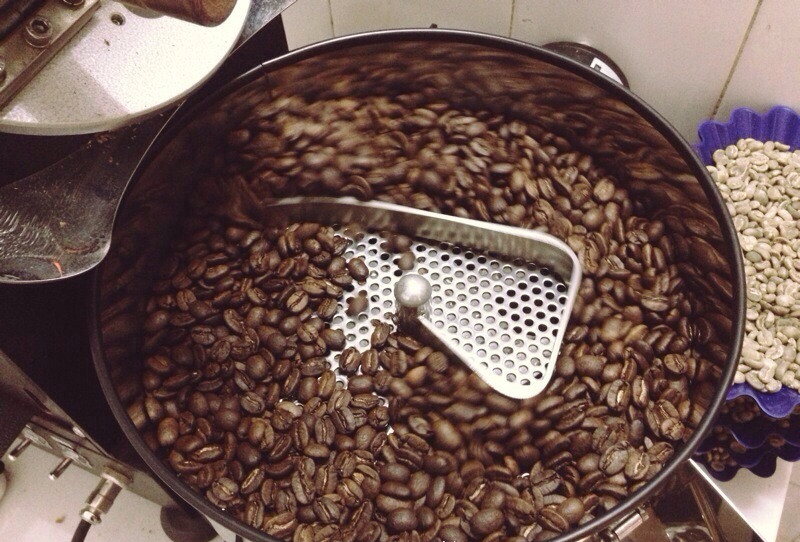
Basic chemical reactions of coffee beans during coffee roasting
Many thermal and chemical reactions take place during baking: decarbonation, dehydration of quinic acid, subdivision, isomerization, polymerization, and complex sugar reactions (caramelization). The main components of the thermal reaction are monosaccharides and sucrose, chlorogenic acid, free amino acids, and fenugreek amide. Both aravinose and calactose in the polysaccharides are transferred, and the basic vulcanization process includes hydroxylamine.
2015-03-16 Coffee roasting process coffee beans raw basic chemical reaction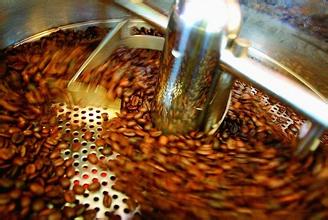
The basic chemical reaction that occurs during coffee roasting. The ingredients produced by the degree of coffee roasting.
Basic chemical reactions that occur during coffee roasting author: Carl Staub originates from the SCAA baking color classification system, developed by Agtron SCAA 1995 original text from: http://www.sweetmarias.com/roast.carlstaub.html translation: Grant, http://www.baristacn.com/forum/thread-1583-1-1.html in the roasting process
2016-01-23 Coffee roasting process medium hair raw basic chemical reaction degree produced made
The basic chemical reactions that take place during coffee roasting
Many thermal and chemical reactions take place during baking: decarbonation, dehydration of quinic acid, subdivision, isomerization, polymerization, and complex sugar reactions (caramelization). The main components of the thermal reaction are monosaccharides and sucrose, chlorogenic acid, free amino acids, and fenugreek amide. Both aravinose and calactose in the polysaccharides are transferred, and the basic vulcanization process includes hydroxylamine.
2014-08-21 Coffee roasting process medium hair raw basic chemical reaction
The basic chemical reactions that take place during coffee roasting.
Many thermal and chemical reactions take place during baking: decarbonation, dehydration of quinic acid, subdivision, isomerization, polymerization, and complex sugar reactions (caramelization). The main components of the thermal reaction are monosaccharides and sucrose, chlorogenic acid, free amino acids, and fenugreek amide. Both aravinose and calactose in the polysaccharides are transferred, and the basic vulcanization process includes hydroxylamine.
2015-01-08 Coffee common sense baking process medium hair raw basic chemical reaction passing