“Chemical” search results (3776)
About the roasting of coffee
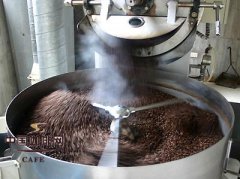
Roasting: this heat treatment causes significant chemical and physical changes in the structure and composition of raw coffee, causing the beans to darken and emit the characteristic aroma of roasted coffee.
2014-07-04 Coffee knowledge coffee roasting coffee encyclopedia
Basic knowledge of boutique coffee: an interpretation of the sour, bitter and mellow aroma of coffee
The color, aroma and taste of coffee are caused by some complex chemical changes that take place during the baking process. Therefore, raw beans must go through appropriate chemical procedures to achieve the most balanced state of its essential ingredients in order to be regarded as the best baked beans. The aroma of coffee varies with the heat, so the baking time should be shortened as much as possible, and the heat can be controlled at the level of coffee beans.
2015-04-03 Boutique coffee basics common sense interpretation sour mellow color aroma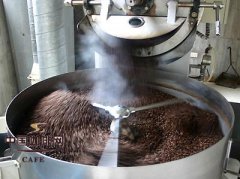
The basis of coffee: coffee roasting
Roasting: this heat treatment causes significant chemical and physical changes in the structure and composition of raw coffee, causing the beans to darken and emit the characteristic aroma of roasted coffee.
2014-06-06 Coffee knowledge coffee roasting introduction to coffee coffee encyclopedia
What exactly does a cup of coffee contain?
According to Wired magazine reported on the 11th, many people like to drink coffee, in many countries, coffee is the best-selling drink, the global annual output of coffee beans reached a staggering 16 billion pounds. But specifically, do you know what substances are contained in a cup of coffee? Now scientists have the answer: caffeine is actually an alkaloid plant toxin (such as nicotine and cocaine) that can pass through
2014-09-22 Coffee knowledge Coffee substances Coffee Encyclopedia
How does the sour and bitter in coffee come from?
Many thermal and chemical reactions take place during baking: decarbonation, dehydration of quinic acid, subdivision, isomerization, polymerization, and complex sugar reactions (caramelization).
2014-08-25 Coffee knowledge sour coffee bitter coffee why coffee is bitter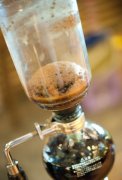
Coffee pot operation chemical experiment siphon pot
It is very important to choose a coffee pot that suits you. Although the siphon pot is troublesome to use and clean, it is definitely one of the must-have coffee utensils for coffee enthusiasts. Syphon pot, also known as plug pot, is invented by the British, Japan improved and carried forward a coffee utensils. Before the invention of the Italian coffee machine, siphon pots were widely used in Europe, but with Italy
2015-11-11 coffee pot operation chemical experiment siphon choose one fit own coffee
The process of roasting coffee
1 is the state of raw coffee beans, 2 is that coffee beans are heated at the furnace temperature 3. As the temperature rises, the free water in coffee beans begins to evaporate, and the beans begin to change from green to yellow. At this stage, beans still have obvious grass flavor. 4 coffee beans are further dehydrated, from light yellow to color similar to longan. At this stage, the free water in coffee beans is further removed, and coffee beans gradually expand 5.
2014-07-03 Coffee knowledge coffee roasting coffee encyclopedia coffee common sense
Boutique coffee learn what's in a cup of coffee
According to Wired magazine reported on the 11th, many people like to drink coffee, in many countries, coffee is the best-selling drink, the global annual output of coffee beans reached a staggering 16 billion pounds. But specifically, do you know what substances are contained in a cup of coffee? Now scientists have the answer: caffeine is actually an alkaloid plant toxin (such as nicotine and cocaine) that can
2014-11-03 Coffee knowledge boutique caffeine coffee ingredients
Why does coffee taste good? coffee smells good.
Why is coffee bitter? It is strange that people still fail to figure out why coffee is bitter. It is true that caffeine is bitter, but because it tastes light, caffeine is not the real source of coffee bitterness. Scientists have found that coffee also contains two other bitter substances: chlorogenic acid lactone and phenyllindane. The former is abundant in light and moderately roasted coffee, while the latter is deeply roasted.
2016-06-01 Coffee taste how delicious coffee why bitter strange people so far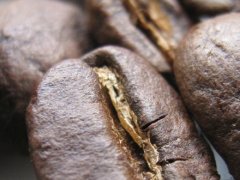
Roasting technology of boutique coffee beans benefits of wood roasting coffee
All coffee roasting machines work on the same principle: heat raw coffee beans, produce physical and chemical changes and turn them into roasted beans. Physical change means that the color of raw coffee beans changes from green to brown, and the shape changes accordingly. Chemical changes are much more complex, which is the process of production, balance and transformation of substances with fragrance, acidity and other odor components.
2015-01-09 Boutique coffee beans roasting technology wood coffee benefits some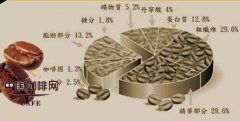
Basic knowledge of boutique coffee beans talk about the ingredients of coffee
Caffeine: caffeine is the most eye-catching of all the ingredients in coffee. It belongs to a kind of phytoxanthine (animal muscle component) and has the same properties as theobromine in cocoa and theophylline in green tea. The percentage of reduction after baking is very small, and the effect of caffeine is very extensive. It will affect the brain, heart, blood vessels, gastrointestinal tract, muscles and kidneys of the human body, and the right amount of caffeine will
2014-12-15 Boutique coffee beans basics common sense talk coffee ingredients caffeine
Coffee flavor in the Galapagos Islands of Ecuador, a coffee-producing region of South America.
Ecuador faces the Pacific Ocean, and near the equator, about 900km off its west coast, near the equator at 90 degrees west longitude, there is also a dependency of the Galapagos Islands (Galapagos Island), also known as Cologne, which produces the famous Galapagos coffee. In order to protect the natural ecology, the Ecuadorian government has designated the archipelago as a national park and banned the use of chemical fertilizers, pesticides and other chemical agents.
2016-06-14 South America coffee beans producing areas Ecuador Lapa Goss archipelago coffee flavor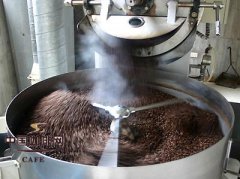
The roasting of coffee
Roasting: this heat treatment causes significant chemical and physical changes in the structure and composition of raw coffee, causing the beans to darken and emit the characteristic aroma of roasted coffee. 1. The purpose of coffee roasting the main purposes of coffee roasting are: a, aroma; B, to increase the complexity of coffee; C, to obtain color; D, to form a unique flavor of coffee. 2. Coffee roasting
2014-08-29 Coffee roasting coffee knowledge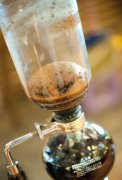
Coffee pot operation chemical experiment siphon pot plug wind pot making
It is very important to choose a coffee pot that suits you. Although the siphon pot is troublesome to use and clean, it is definitely one of the must-have coffee utensils for coffee enthusiasts. Syphon pot, also known as plug pot, is invented by the British, Japan improved and carried forward a coffee utensils. Before the invention of the Italian coffee machine, siphon pots were widely used in Europe, but with Italy
2015-08-06 coffee pot operation chemical experiments siphon pot stopper kettle making selection one
Boutique coffee common sense what is in a cup of coffee?
According to Wired magazine reported on the 11th, many people like to drink coffee, in many countries, coffee is the best-selling drink, the global annual output of coffee beans reached a staggering 16 billion pounds. But specifically, do you know what substances are contained in a cup of coffee? Now scientists have the answer: caffeine is actually an alkaloid plant toxin (such as nicotine and cocaine) that can
2015-07-02 Boutique coffee common sense one cup Li research unexpectedly what connection magazine 11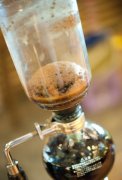
Operation procedure of siphon pot in chemical experiment of coffee pot
It is very important to choose a coffee pot that suits you. Although the siphon pot is troublesome to use and clean, it is definitely one of the necessary coffee utensils for coffee enthusiasts. Introduction to utensils: the siphon pot, also known as the plug pot, is a kind of coffee ware invented by the British, improved and carried forward by Japan. Before the invention of the espresso machine, siphon pots were widely used in Europe.
2015-09-24 Coffee pot operation chemical experiment siphon procedure selection one suitable self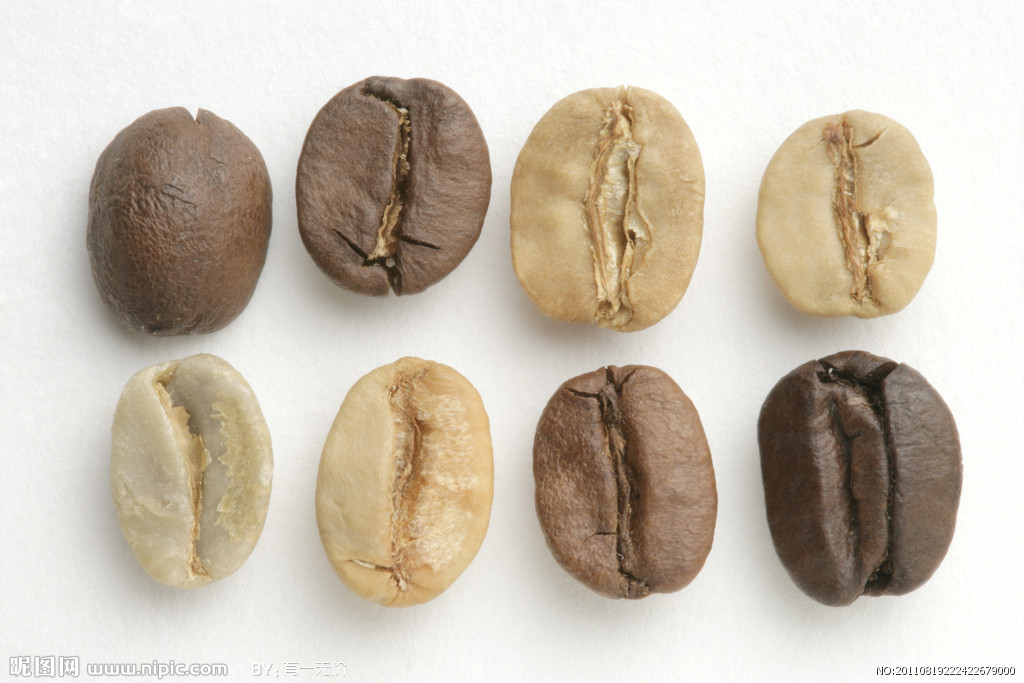
Coffee roasting Coffee Coffee making Coffee made at Home Coffee Italian mixed with beans
1 is the state of raw coffee beans, 2 is that coffee beans are heated at the furnace temperature 3. As the temperature rises, the free water in coffee beans begins to evaporate, and the beans begin to change from green to yellow. At this stage, beans still have obvious grass flavor. 4 coffee beans are further dehydrated, from light yellow to color similar to longan. At this stage, the free water in coffee beans is further removed, and coffee beans gradually expand 5.
2016-07-14 Coffee roasting making at home Italian blending coffee beans coffee raw beans status
What are the chemical constituents in a coffee bean?
★ volatile compounds: volatile compounds are the main source of coffee flavor, especially important for coffee quality. There are many kinds of volatile substances in coffee, and their existence will affect the aroma quality of coffee. Its main source is derived from non-volatile substances in raw beans which are disconnected or derived after reaction in the process of roasting. The role of thermal decomposition, other reactions, or compositions, such as sugar.
2015-03-27 Coffee beans ingredients one chemistry what volatile substances coffee flavor main
Coffee Flavor Chemistry the first academic monograph on coffee processing in China Coffee Book
The taste is delicious and fragrant. As can be seen from the advertising words of coffee, flavor is the soul of coffee. Recently, "Coffee Flavor Chemistry", co-written by Dr. Zeng Fankui of Lanzhou Institute of Chemical Physics of Chinese Academy of Sciences and Professor ou Shiyi of Food Department of Jinan University, was published by Jinan University Publishing House. This is the first academic monograph on coffee processing in China. Set
2016-04-22 Coffee flavor chemistry domestic one coffee processing aspects noodles academic monographs
Why choose wood as fuel to bake coffee? The roasting process of heated coffee beans coffee
All coffee roasting machines work on the same principle: heat raw coffee beans, produce physical and chemical changes and turn them into roasted beans. Physical change means that the color of raw coffee beans changes from green to brown, and the shape changes accordingly. Chemical changes are much more complex, which is the process of production, balance and transformation of substances with fragrance, acidity and other odor components.
2016-03-16 Why choose wood fuel roasting coffee heating coffee beans process have