“Chemical” search results (3776)

The chemical composition of coffee
Caffeine is the most eye-catching of all the ingredients of coffee. It belongs to plant xanthamins (animal muscle components) and has the same properties as theobromine in cocoa and theophylline in green tea.
2014-05-16 Coffee knowledge coffee chemical composition
Chemical reaction of Coffee in roasting
Coffee has a rich, wide range of flavors. Coffee produced in different regions, different elevations, different climates and different producing areas has its own unique characteristics. Raw beans are fragrant and have no usual coffee taste at all; the taste of coffee comes from proper roasting. Show fruity (light roasting) or caramel sweetness (deep roasting). The lighter the baking, the more sour it tastes. Baking.
2014-08-06 Coffee roasted medium chemical reflective coffee owned rich extensive variable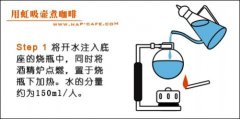
The cooking of the siphon pot always seems to be reminiscent of the utensils of chemical experiments.
The siphon pot (Syphon), also known as the plug pot, always seems to remind people of the utensils of chemical experiments. However, because they are all glass containers, the whole cooking process is clearly visible, which is an excellent brewing method with excellent visual effect. In terms of taste, it is also the favorite of some coffee lovers. At the same time, the whole brewing process will be filled with a very charming aroma of coffee. So, what are you waiting for? I'm coming.
2015-08-28 Siphon cooking looks makes people think chemical experiments utensils siphon Syp
Identification of Cat shit Coffee by Chemical Analysis
People who enjoy the most expensive coffee in the world will soon be able to sip coffee without having to worry: researchers have devised a way to tell these people whether the coffee they buy is real or fake.
2014-07-23 Coffee knowledge Kopi Luwak Chemical Analysis
The chemical composition of coffee
Coffee is a complex mixture of potential "neutriceuticals". The chemical composition of coffee is determined by a number of factors: agriculture, roasting, blending, and brewing. The main elements of coffee have been known for more than half a century.
2014-08-04 Coffee knowledge coffee chemical composition coffee encyclopedia
What are the "chemical" ingredients in a cup of coffee?
The taste is delicious and fragrant. As can be seen from the advertising words of coffee, flavor is the soul of coffee. Recently, "Coffee Flavor Chemistry", co-written by Dr. Zeng Fankui of Lanzhou Institute of Chemical Physics of Chinese Academy of Sciences and Professor ou Shiyi of Food Department of Jinan University, was published by Jinan University Publishing House. This is the first academic monograph on coffee processing in China. Set
2015-09-09 One cup coffee medium chemistry ingredients which taste great Didi fragrant
Basic knowledge of coffee the chemical composition of coffee
Caffeine: caffeine is the most eye-catching of all the ingredients in coffee. It belongs to a kind of phytoxanthin (animal muscle component). It has the same properties as theobromine contained in cocoa, green tea contains the same theophylline, and the percentage of reduction after baking is very small. Caffeine has a very wide range of effects. will affect the human brain, heart, blood vessels, gastrointestinal, muscle and kidney and other parts, the right amount of coffee
2014-11-21 Coffee knowledge coffee basics coffee chemical composition
Coffee extraction principle = chemical reaction + physical reaction?!
UESTION Hi! Emma! I've been hearing about hydrolysis in coffee brewing. What is it? Can you explain the scientific basis for hydrolysis? How is it different from extraction? Thank you! ANSWER Dear Coffee Drunk in Baltimore: I feel your pain! Coffee brewing is now the most popular
2016-05-07 coffee extraction principle chemical reaction physics reaction
Basic knowledge of Coffee beans Chemical reaction of Coffee in Baking
Coffee has a rich, wide range of flavors. Coffee produced in different regions, different elevations, different climates and different producing areas has its own unique characteristics. Raw beans are fragrant and have no usual coffee taste at all; the taste of coffee comes from proper roasting. Show fruity (light roasting) or caramel sweetness (deep roasting). The lighter the baking, the more sour it tastes. Baking.
2015-06-08 Coffee beans basics common sense coffee roasting medium chemistry reflection ownership
Coffee training knowledge about the chemical composition of coffee
Caffeine: caffeine is the most eye-catching of all the ingredients in coffee. It belongs to a kind of phytoxanthin (animal muscle component). It has the same properties as theobromine contained in cocoa, green tea contains the same theophylline, and the percentage of reduction after baking is very small. Caffeine has a very wide range of effects. will affect the human brain, heart, blood vessels, gastrointestinal, muscle and kidney and other parts, the right amount of coffee
2014-10-08 Coffee knowledge coffee composition coffee chemical composition
Chemical composition of coffee caffeine tannin
Caffeine: caffeine is the most eye-catching of all the ingredients in coffee. It belongs to a kind of phytoxanthin (animal muscle component). It has the same properties as theobromine contained in cocoa, green tea contains the same theophylline, and the percentage of reduction after baking is very small. Caffeine has a very wide range of effects. will affect the human brain, heart, blood vessels, gastrointestinal, muscle and kidney and other parts, the right amount of coffee
2015-06-13 Coffee Chemistry ingredients caffeine Ning Acid all medium
Use chemical knowledge to help you analyze the coffee ingredients of individual coffee products.
Any coffee enthusiast who knows how to drink coffee knows that really high-quality coffee is not too bitter, but for most of us, most of the coffee we drink is bitter. Fortunately, through the principles of chemistry, even laymen without professional training can make coffee of good quality! It's like adding salt to coffee to lighten the bitterness, science can
2016-05-30 Chemistry knowledge help you analysis coffee individual products ingredients any one OK
Common sense of roasting of coffee beans Chemical reaction of coffee in roasting
Coffee has a rich, wide range of flavors. Coffee produced in different regions, different elevations, different climates and different producing areas has its own unique characteristics. Raw beans are fragrant and have no usual coffee taste at all; the taste of coffee comes from proper roasting. Show fruity (light roasting) or caramel sweetness (deep roasting). The lighter the baking, the more sour it tastes. Baking.
2015-05-28 Coffee beans roasting common sense coffee medium chemistry reflection possession rich
Coffee Basics Coffee bitterness comes from processing
In western countries, people drink a cup of coffee every morning. In order to cover up the bitterness of coffee, some milk powder and granulated sugar are often added. Why is coffee bitter? What seems like a simple question has puzzled scientists for decades. Now, scientists have narrowed their search to two chemical molecules. in the American Chemical
2014-11-14 coffee knowledge coffee basics coffee bitterness coffee processing
The basic chemical reaction of coffee knowledge during coffee roasting.
Many thermal and chemical reactions take place during baking: decarbonation, dehydration of quinic acid, subdivision, isomerization, polymerization, and complex sugar reactions (caramelization). The main components of the thermal reaction are monosaccharides and sucrose, chlorogenic acid, free amino acids, and fenugreek amide. Both aravinose and calactose in the polysaccharides are transferred, and the basic vulcanization process includes hydroxylamine.
2014-12-31 Coffee knowledge baking process medium hair raw basic chemical reaction passing
Coffee beans roasting process Coffee bitterness comes from processing
In western countries, people drink a cup of coffee every morning. In order to cover up the bitterness of coffee, some milk powder and granulated sugar are often added. Why is coffee bitter? What seems like a simple question has puzzled scientists for decades. Now, scientists have narrowed their search to two chemical molecules. in the American Chemical
2015-10-13 coffee beans roasting process coffee bitterness from processing western countries people
The basic chemical reaction that takes place during coffee roasting.
Basic chemical reactions that occur during coffee roasting author: Carl Staub originates from the SCAA baking color classification system, developed by Agtron SCAA 1995 original text from: http://www.sweetmarias.com/roast.carlstaub.html translation: Grant, http://www.baristacn.com/forum/thread-1583-1-1.html in the roasting process
2015-04-16 Coffee roasting process medium hair raw basic chemical reaction
Common sense of average Chemical composition of Coffee beans
The average chemical composition of raw coffee beans is as follows: water 12%, nitrogen 12%, fat 12%, sugar and dextrin (dextrine) 10%, other non-nitrogen substances 18%, dust 4%, tannin 6.7%, caffeine 1.2%, coffee essential oil 0.1%. Of course, these data are not fixed, and the quantity of some of these ingredients varies greatly, which is why each kind of coffee is so different.
2015-06-06 Coffee beans averaging study group common sense
Coffee Basics Common Sense Coffee Bitterness comes from the processing process
In western countries, people drink a cup of coffee every morning. In order to cover up the bitterness of coffee, some milk powder and granulated sugar are often added. Why is coffee bitter? What seems like a simple question has puzzled scientists for decades. Now, scientists have narrowed their search to two chemical molecules. in the American Chemical
2015-05-28 coffee basics common sense bitterness from processing process western countries people per
The average chemical composition of raw coffee beans is as follows
The average chemical composition of raw coffee beans is as follows: water 12%, nitrogen 12%, fat 12%, sugar and dextrin (dextrine) 10%, other non-nitrogen substances 18%, dust 4%, tannin 6.7%, caffeine 1.2%, coffee essential oil 0.1%. Of course, these data are not fixed, and the quantity of some of these ingredients varies greatly, which is why each kind of coffee is so different.
2015-09-21 Original coffee beans average study group as follows