“Chemical” search results (3776)

Chemical effects in the process of milk foaming
Assuming that all cows grow in the same place and eat the same food, the following three factors have a direct impact on milk: Lactose, milk fat and protein content.
2014-07-26 Milk foaming chemical effect
The basic chemical reaction of coffee technology in the process of coffee roasting
Many thermal and chemical reactions take place during baking: decarbonation, dehydration of quinic acid, subdivision, isomerization, polymerization, and complex sugar reactions (caramelization). The main components of the thermal reaction are monosaccharides and sucrose, chlorogenic acid, free amino acids, and fenugreek amide. Both aravinose and calactose in the polysaccharides are transferred, and the basic vulcanization process includes hydroxylamine.
2014-10-09 Coffee knowledge coffee technology coffee roasting baking chemical reaction
Why is coffee bitter? Bitter coffee taste bitter chlorogenic acid lactone separated coffee
Why is coffee bitter? This problem has plagued scientists for decades. Now, scientists have narrowed down their research and targeted two chemical molecules. At the annual meeting of the American Chemical Society, scientists reported that the two bitter chemical molecules were produced during the processing of coffee, a discovery that may cause coffee to be added.
2016-03-03 Coffee why bitter taste chlorogenic sour separation coffee
Basic training of baristas Chemical composition of Coffee
Caffeine: caffeine is the most eye-catching of all the ingredients in coffee. It belongs to a kind of phytoxanthin (animal muscle component). It has the same properties as theobromine contained in cocoa, green tea contains the same theophylline, and the percentage of reduction after baking is very small. Caffeine has a very wide range of effects. will affect the human brain, heart, blood vessels, gastrointestinal, muscle and kidney and other parts, the right amount of coffee
2014-12-30 Coffee Basics training knowledge Chemistry ingredients caffeine all
Chemical reflection of coffee in roasting knowledge of roasting coffee beans
Coffee has a rich, wide range of flavors. Coffee produced in different regions, different elevations, different climates and different producing areas has its own unique characteristics. Raw beans are fragrant and have no usual coffee taste at all; the taste of coffee comes from proper roasting. Show fruity (light roasting) or caramel sweetness (deep roasting). The lighter the baking, the more sour it tastes. Baking.
2015-01-28 Coffee roasting medium chemistry reflection coffee beans knowledge coffee possession rich
What is the chemical composition of a cup of coffee?
Caffeine is the most eye-catching of all the ingredients of coffee. It belongs to a kind of phytoxanthin (animal muscle component). It has the same properties as theobromine contained in cocoa, green tea contains the same theophylline, and the percentage of reduction after baking is very small. Caffeine has a very wide range of effects. will affect the human brain, heart, blood vessels, gastrointestinal, muscle and kidney and other parts, the right amount of coffee
2015-02-27 Coffee ingredients a cup what chemistry caffeine coffee all the most
The basic Chemical reaction of Coffee Baking process
Original: Basic Chemical Reactions Occurring in the Roasting Process by Carl Staub sourced from the SCAA Roast Color Classification System developed by Agtron-SCAA in 1995 Many thermal and chemical reactions occur during the roasting proces
2015-01-27 Coffee roasting process basic Chemical reaction Chinese-English Bilingual Translation original B
The chemical composition of coffee what are the ingredients in coffee beans?
Caffeine: caffeine is the most eye-catching of all the ingredients in coffee. It belongs to a kind of phytoxanthin (animal muscle component). It has the same properties as theobromine contained in cocoa, green tea contains the same theophylline, and the percentage of reduction after baking is very small. Caffeine has a very wide range of effects. will affect the human brain, heart, blood vessels, gastrointestinal, muscle and kidney and other parts, the right amount of coffee
2015-10-14 Coffee chemistry ingredients coffee beans what caffeine coffee all
Basic chemical reactions in the roasting process of coffee in both Chinese and English
Original: Basic Chemical Reactions Occurring in the Roasting Process by Carl Staub sourced from the SCAA Roast Color Classification System developed by Agtron-SCAA in 1995 Many thermal and chemical reactions occur during the roasting proces
2015-04-14 Coffee roasting process basic chemical reaction Chinese-English bilingual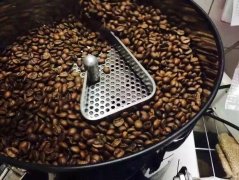
Explanation of the basic chemical reaction of coffee roasting in both Chinese and English
Original: Basic Chemical Reactions Occurring in the Roasting Process by Carl Staub sourced from the SCAA Roast Color Classification System developed by Agtron-SCAA in 1995 Many thermal and chemical reactions occur during the roasting proces
2015-10-26 Coffee roasting process basic chemical reaction Chinese-English bilingual explanation
Processing methods of low caffeine coffee beans
At present, there are three ways to remove caffeine from coffee beans: 1. Water treatment can remove 9496% of the caffeine. 2. Chemical extraction method, early use chloroform (Chloroform), benzene (Benzene) as solvent to extract caffeine, later understand that these chemicals cause cancer, and gradually be replaced by other low-hazard chemicals, but after all, the chemical substances are not natural enough, this method can extract 9.
2014-08-19 Coffee knowledge caffeine coffee bean processing coffee encyclopedia
Eastman Tritan polyester powered new coffee machine
Eastman Chemical (Eastman Chemical Company) announced that Hourglass Coffee, based in Portland, Oregon, will use Eastman's Tritan as raw material to produce HourglassCold Brew Coffee systems. Eastman Tritan resin can meet the requirements of tubing toughness, repeated washing durability, heat resistance, chemical resistance and easy processability. Trit
2014-07-28 Coffee machine coffee utensils
Eastman Tritan Polyester Power New Coffee Machine
Eastman Chemical Company announced that Hourglass Coffee, based in Portland, Oregon, will use Eastman's Tritan as a feedstock to produce the Hourglass Cold Brew Coffee system. Eastman Tritan resins meet tubing toughness, repeated wash durability, heat resistance, chemical resistance and workability requirements. Trit
2015-10-23 Eastman Tritan Polyester Booster New Coffee Machine Chemical
Eastman Tritan polyester powered new coffee machine
Eastman Chemical (Eastman Chemical Company) announced that Hourglass Coffee, based in Portland, Oregon, will use Eastman's Tritan as raw material to produce HourglassCold Brew Coffee systems. Eastman Tritan resin can meet the requirements of tubing toughness, repeated washing durability, heat resistance, chemical resistance and easy processability. Trit
2015-10-06 Eastman Tritan Polyester Booster New Coffee Machine Chemistry
Chemical effects of Fine Coffee in the process of Milk foaming
Assuming that all cows grow in the same place and eat the same food, the following three factors have a direct impact on milk: Lactose, milk fat and protein content. Although you don't need a degree in chemistry, it's a more complicated technique to understand the chemical effects of milk on coffee. But if you want to make a perfect and beautiful foam flower,
2014-10-22 Coffee knowledge boutique coffee science milk brewing coffee technology
Coffee roasting coffee bitterness comes from the processing process
In western countries, people drink a cup of coffee every morning. In order to cover up the bitterness of the coffee, they often add some milk powder and sugar. But why is coffee bitter? A seemingly simple problem has been bothering scientists for decades. Now, scientists have narrowed down their research and targeted two chemical molecules. Chemistry in the United States
2014-09-28 Coffee roasting coffee bitterness coffee encyclopedia
The basic chemical reaction that takes place during coffee roasting the degree of coffee bean roaster
I, when heated, is converted into isomers cellulose III and cellulose IV. The structure of coffee is a well-developed matrix, which improves the consistency of quality and contributes to the uniform spread of heat during baking. Cellulose in coffee is embedded in lignocellulose (an amorphous matrix containing hemicellulose and cellulose-containing lignin).
2016-10-18 Coffee roasting process medium hair raw basic chemical reaction coffee beans roaster
Coffee common sense Coffee bitterness comes from the processing process
In western countries, people drink a cup of coffee every morning. In order to cover up the bitterness of the coffee, they often add some milk powder and sugar. But why is coffee bitter? A seemingly simple problem has been bothering scientists for decades. Now, scientists have narrowed down their research and targeted two chemical molecules. Chemistry in the United States
2014-09-16 Coffee knowledge coffee common sense coffee bitterness coffee processing
Coffee basic knowledge Coffee bitterness comes from the processing process
In western countries, people drink a cup of coffee every morning. In order to cover up the bitterness of the coffee, they often add some milk powder and sugar. But why is coffee bitter? A seemingly simple problem has been bothering scientists for decades. Now, scientists have narrowed down their research and targeted two chemical molecules. Chemistry in the United States
2014-12-10 Coffee basics common sense bitterness from processing process Western countries people every
High-quality coffee common sense coffee bitterness comes from the processing process
In western countries, people drink a cup of coffee every morning. In order to cover up the bitterness of the coffee, they often add some milk powder and sugar. But why is coffee bitter? A seemingly simple problem has been bothering scientists for decades. Now, scientists have narrowed down their research and targeted two chemical molecules. Chemistry in the United States
2014-11-20 Coffee knowledge coffee common sense coffee bitterness