“coffee fruit collection” search results (2000)
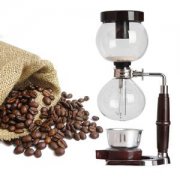
Yunnan produces only 50 to 100kg of Kopi Luwak every year.
Recently, Yunnan's first civet coffee tasting event was held at Yuandubazi Western Restaurant in Kunming. Coffee dealers from all walks of life in Kunming witnessed an exciting moment when Yunnan has its own Kopi Luwak. This event is hosted by Yunnan Coffee Network and hosted by Yuanduba Western Restaurant. The products are supported by Mr. Mai Tian Yuan, the wild masked palm civet coffee digger in Yunnan.
2015-04-02 Yunnan give birth to cats coffee every year only 100 kilograms recently Kunming Yuandu
Arabica coffee with rich aroma Taste Manor Introduction Arabica coffee bean characteristics
Bourbon was introduced to the Americas by French immigrants from the Island of Bourbon (today's French Island of Reunion, located in the Indian Ocean east of Madagascar) in the 18th century, and is now widely cultivated in Brazil and other Western Hemisphere regions, and a small amount is also cultivated in Yunnan, China. Caffeine content of subspecies Bobang is 20%~30% higher than that of subspecies Tibika, but it is higher than that of subspecies Tibika.
2016-07-16 aroma rich rabbi coffee flavor taste manor presentation coffee beans characteristics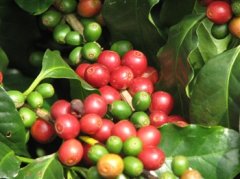
Initial processing requirements of Yunnan Coffee (Arabica species)
Technical requirements for the initial processing of small seed (Arabica seed) Coffee 1. There are two processing methods for coffee beans made from fresh coffee fruits, namely wet processing and dry processing. The first and second grade fruits are processed by wet method, and the third grade fruits are processed by dry method in areas without peeling machine and lack of water. 2. Processing technology 2.1 equipment and facilities should be equipped with fresh fruit collection pool and siphon
2014-09-29 Yunnan coffee is first processed Arabica species
Hong Kong people help East Timor open up the market
Many celebrities love the smell of coffee, and Kopi Luwak breaks their hearts. Some local coffee shop owners often visit Indonesia and East Timor to inspect the Kopi Luwak collection methods at the entrance to ensure that cat poop coffee beans are collected in the wild. Last year, artist Chen Hao introduced Indonesian Kopi Luwak, bringing Hong Kong people to sigh at Kopi Luwak culture. In recent years, Edward, owner of Color Brown in Saigon Cafe, has sent staff to Indonesia and East Timor.
2014-04-27 Hong Kong people help East Timor Development Market many celebrities Love Coffee Cat shit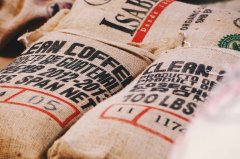
Chinese coffee Yunnan coffee high yield hope to have a good selling price
On January 8, the reporter walked into the Xiadong Village Committee of Mangshi Town, and as soon as he entered the village, he saw that the red coffee fresh fruits on both sides of the road were covered with branches, and a full fruit meant another harvest season. Xing Meizheng, head of the coffee planting professional cooperative of the Xiadong Village Committee of Mangshi Town, told the reporter that the cooperative was established in 2012 and was set up by 14 peasant households to adopt the model of unified management and collective processing.
2015-02-04 China coffee Yunnan high yield hope to be able there is a selling price January 8th reporter
The method of primary processing of small coffee beans
Technical requirements for the initial processing of small seed (Arabica seed) Coffee 1. There are two processing methods for coffee beans made from fresh coffee fruits, namely wet processing and dry processing. The first and second grade fruits are processed by wet method, and the third grade fruits are processed by dry method in areas without peeling machine and lack of water. 2. Processing technology 2.1 equipment and facilities should be equipped with fresh fruit collection pool and rainbow
2014-09-02 Coffee knowledge small coffee coffee bean processing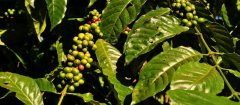
Muxiuyi, western province of Luanda, washed fine coffee, raw beans, single bourbon beans.
Like many African countries, Rwandan coffee is mainly produced by small farmers, and the ripe cherry fruits are collected and sent to the processing station every year during the harvest period. During the annual harvest period, the ripe coffee berries picked by farmers are concentrated in the treatment station for treatment, first selected by hand to ensure that no immature or damaged fruit is mixed in. Then remove the peel in a cool, cold ring
2016-05-20 Luanda Anda Western Province Muxiu Water washing Fine goods Coffee Raw beans single Product Bo
Introduction to the planting environment of small grain coffee flavor and taste of Arabica coffee in Yunnan
Arabica is deeply loved by Chinese people with a short history of coffee contact because of its strong fruity aroma. it was introduced to China by missionaries in the 19th century and was widely planted in Panzhihua, Sichuan, and the dry-hot valley of the Jinsha River in western Yunnan, where the sunshine was long and there was a big temperature difference between day and night. The local people solved the problem of insufficient seasonal rainfall by diverting water up the mountain.
2016-07-15 Yunnan rabbi coffee small grains flavor taste planting environment introduction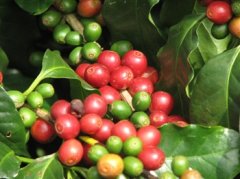
Technical requirements for primary processing of coffee in Yunnan (Arabica species)
Technical requirements for the initial processing of small seed (Arabica seed) Coffee 1. There are two processing methods for coffee beans made from fresh coffee fruits, namely wet processing and dry processing. The first and second grade fruits are processed by wet method, and the third grade fruits are processed by dry method in areas without peeling machine and lack of water. 2. Processing technology 2.1 equipment and facilities should be equipped with fresh fruit collection pool and siphon
2015-06-06 Yunnan coffee primary processing technology requirements rabbi card species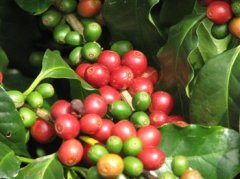
The primary processing technology of coffee in Yunnan requires Arabica species
Technical requirements for the initial processing of small seed (Arabica seed) Coffee 1. There are two processing methods for coffee beans made from fresh coffee fruits, namely wet processing and dry processing. The first and second grade fruits are processed by wet method, and the third grade fruits are processed by dry method in areas without peeling machine and lack of water. 2. Processing technology 2.1 equipment and facilities should be equipped with fresh fruit collection pool and siphon
2015-09-15 Yunnan coffee primary processing technology requirements rabbi card species
Delicious Elephant Shit Coffee Delicious Blue Mountain Coffee Delicious Death Wish Coffee
Kopi means coffee in Indonesian and Luwak is the Indonesian name for the civet. The coffee is said to yield no more than 500 pounds a year, with prices ranging from $300 to $800 a pound, depending on the year because there is no fixed yield every year. It's an arboreal wild animal called the civet on Sumatra, Indonesia.
2016-05-03 Fine Like shit Coffee Delicious Blue Mountain Death Wish
Taste of Bali Coffee Flavor Manor area introduces Bali boutique coffee beans
The coffee comes from the excrement of an animal called the civet (commonly known as the civet in Indonesia). Although it comes from smelly poop, it is full of sweetness and a burst of indescribable sweetness. This wild musk cat likes to eat fat, pulpy coffee fruit, but the hard hard nut (raw bean) cannot be digested. It is excreted with feces and becomes Kop after cleaning.
2016-07-26 Bali coffee flavor taste manor producing area introduction boutique coffee beans this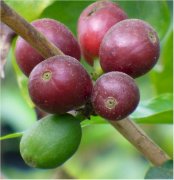
Introduction of Arabica coffee beans an important kind of commercial coffee
Arabica beans are an important kind of commercial coffee with a fruiting period of less than three years and a high-quality aroma and sour taste. Arabica coffee beans are mainly produced in South America (except parts of Argentina and Brazil), Central America, Africa (Kenya, Ethiopia and other places, mainly East African countries), Asia (Yemen, India, parts of Papua New Guinea). Arabica species (
2015-11-02 Rabbi coffee beans introduction business coffee important one kind rabbi Kadou merchant
The species of Arabica beans, the classification of Arabica beans, coffee beans, Arabica.
Variety editor native species in all coffee production, Arabica coffee accounts for 70% of the coffee 80%, its excellent flavor and aroma make it the only coffee that can be drunk directly. However, its resistance to dryness, frost, diseases and insect pests is too low, especially the natural enemy of coffee-leaf rust, so all producing countries are committed to variety improvement.
2016-03-17 Rabbi kadou species classification coffee beans varieties editors native all coffee
Balinese coffee delicious Balinese coffee flavor
There are dense coffee trees growing on the Indonesian island of Sumatra. For hundreds of years, the residents of the island have made a living by collecting coffee beans. But in recent years, whenever the coffee is about to ripen, the troubles of the islanders also come. This is because a kind of animal called palm cat began to live and breed on the island. Palm cats like to eat coffee fruits, and they are better at it than humans
2016-06-02 Bali coffee delicious flavor Indonesia Sumatra island long Mao
The initial processing technology of coffee in Yunnan requires Arabica to grow coffee beans.
Technical requirements for the initial processing of small seed (Arabica seed) Coffee 1. There are two processing methods for coffee beans made from fresh coffee fruits, namely wet processing and dry processing. The first and second grade fruits are processed by wet method, and the third grade fruits are processed by dry method in areas without peeling machine and lack of water. 2. Processing technology 2.1 equipment and facilities should be equipped with fresh fruit collection pool and siphon
2015-03-20 Yunnan coffee primary processing technology requirements rabbi card coffee beans
Introduction to the Fine Musk Coffee Flavor and Taste Manor in Indonesia
It is said that coffee farmers in early Indonesia regarded civet cats that ate ripe coffee fruits as mortal enemies, but at some point someone began to think of picking coffee beans from the civet droppings to make coffee with unique flavor. Coffee experts everywhere have tried and were amazed. Since then, local farmers spend a lot of time every day collecting civet droppings in the forest during the coffee ripening season.
2016-07-19 Indonesia boutique musk coffee flavor taste manor producing area introduction
Coffee health is better than fruits, vegetables, coffee.
Coffee supplies more antioxidants to Britons than fruits and vegetables, and antioxidants are the best way to prevent cancer, heart disease and anti-aging, according to a new study. Followed by black tea, then bananas, dried beans and corn. In the study, American researchers measured the levels of antioxidants in more than 100 foods and drinks, and then collected their popularity.
2015-07-03 Coffee Health fruits vegetables one latest Research Show
Introduction to the price of Arabica coffee beans during the harvest season
Arabica is deeply loved by Chinese people with a short history of coffee contact because of its strong fruity aroma. it was introduced to China by missionaries in the 19th century and was widely planted in Panzhihua, Sichuan, and the dry-hot valley of the Jinsha River in western Yunnan, where the sunshine was long and there was a big temperature difference between day and night. The local people solved the problem of insufficient seasonal rainfall by diverting water up the mountain.
2016-10-20 Rabbi coffee beans harvest picking season origin price introduction rabbi because of its
The flavor and taste of Guatemalan boutique coffee beans introduce the characteristics of Latisa Manor.
Vivette Nango, located in the most remote northwest highlands of Guatemala, is the driest and highest coffee area in Guatemala, thanks to the hot air from the Tiwantipe Plain in Mexico, making this area high and not cold. The coffee flavor in this area is typical of very hard beans, with lively and bright sour fruit, sour grapefruit, raspberry and mellow thickness. Viv.
2016-08-05 Aroma highlight Guatemala boutique coffee beans flavor taste manor producing area