“Kadou” search results (101)

Introduction to basic knowledge of boutique coffee Arabica beans
East Timor Arabica beans are mellow and fruity, with a certain irritation in the mouth, miscellaneous taste in the mouth and dry fragrance after grinding.
2014-12-08 Boutique coffee basics common sense introduction rabbi Kadou Dongdi
Basic knowledge of boutique coffee beans Arabica beans
East Timor Arabica beans are mellow and fruity, with a certain irritation in the mouth, miscellaneous taste in the mouth and dry fragrance after grinding.
2015-02-03 Boutique coffee beans basics common sense rabbi Kadou Dongdi mellow
Boutique coffee beans Arabica beans
East Timor Arabica beans are mellow and fruity, with a certain irritation in the mouth, miscellaneous taste in the mouth and dry fragrance after grinding.
2015-05-06 Boutique coffee beans rabbi kadou Dongdi mellow determined fruity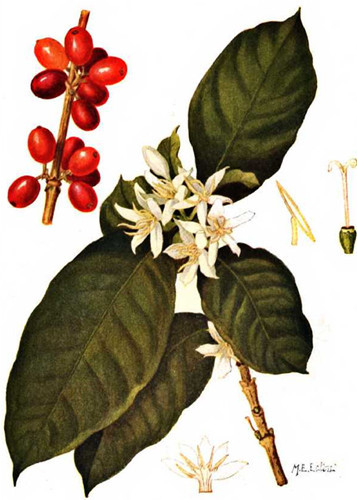
Introduction of Arabica beans characteristics of Arabica beans
Arabica beans are an important kind of commercial coffee with a period of less than three years and have high-quality aroma and sour taste. Arabica coffee beans are mainly produced in South America (except parts of Argentina and Brazil), Central America, Africa (Kenya, Ethiopia, mainly East African countries), Asia (Indonesia, Yemen, India, Papua New Guinea).
2016-03-22 Rabbi Kadou introduction profile Features Business Coffee important
Classification of coffee varieties Arabica bean and Robusta species
Arabica bean coffee trees can be divided into two main varieties: Arabica (Coffea Arabica) and Robusta (Coffea Robusta/Coffea Canephora). There are also some minor species, such as the Liberian species (Coffea Liberica) and the Alabasta species (Coffea Arabusta), but they are rare on the market. Robustadou
2016-06-18 Coffee variety classification rabbi kadou robes booth coffee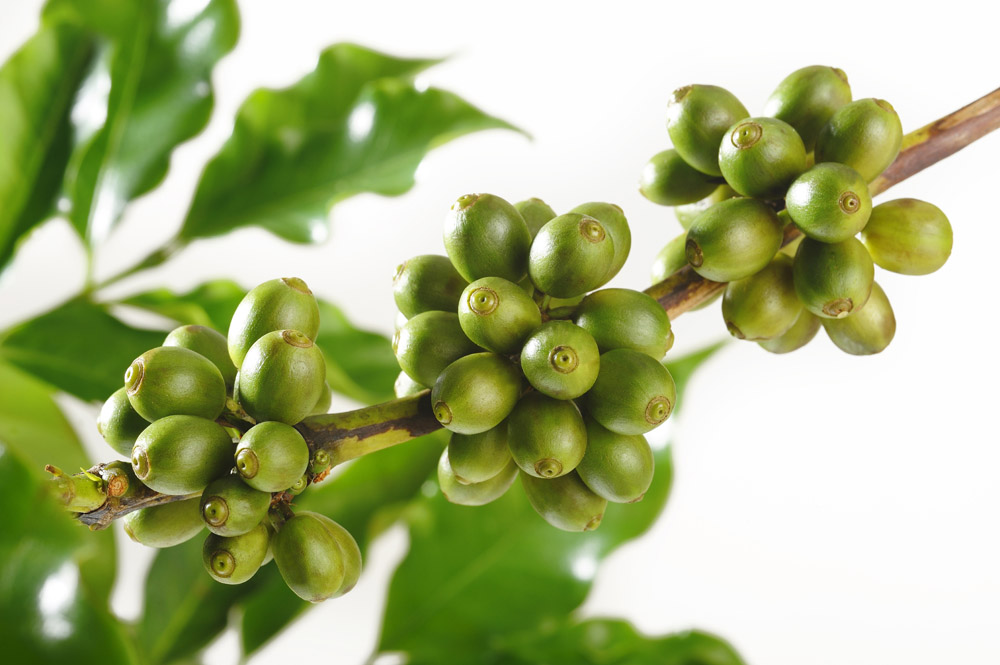
The characteristics of Arabica beans Arabica beans source coffee beans Arabica beans
Arabica beans are an important kind of commercial coffee with a period of less than three years and have high-quality aroma and sour taste. Arabica coffee beans are mainly produced in South America (except parts of Argentina and Brazil), Central America, Africa (Kenya, Ethiopia, mainly East African countries), Asia (Indonesia, Yemen, India, Papua New Guinea).
2016-03-17 Rabbi Kadou characteristics Source Coffee beans Business Coffee important
Comparison of Arabica beans and Robusta beans comparison of coffee beans
It is not difficult to distinguish between Arabica beans and Robota beans. You can easily tell the difference between Arabica beans and Robota beans by their appearance. The former is slightly oval and slender, and the central line (Center Cut) is S-shaped, while the latter is round and fat, and the central line is almost straight. For a detailed comparison, please refer to the table below, where Robusta contains almost twice as much caffeine as Arabica.
2015-10-06 Rabbi Kadou Robbs Booth comparison Coffee beans Identification Luo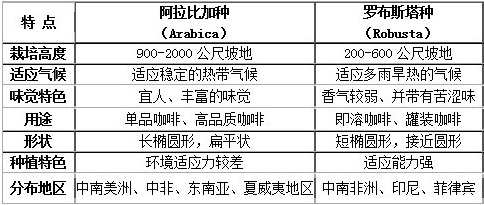
What's the difference between Arabica coffee beans and Roberta coffee beans? Arabica Coffee Tree Robbas
Different planting conditions [Elaraby Kadou] Arabica coffee has more stringent planting conditions, weak disease resistance, higher altitude requirements, slower growth, higher quality, and more refined processing of raw beans. Growing at colder altitudes in the tropics, it is an important kind of commercial coffee with a fruiting period of less than three years and a high-quality aroma and sour taste. Arabica coffee bean owner
2016-04-22 Rabbi coffee beans Robesta what's the difference coffee Shulo Buzz planting
Coffee trees are evergreen shrubs or trees belonging to Rubiaceae.
Coffee trees are evergreen shrubs or trees belonging to the Rubiaceae family. Wild coffee trees can grow to a height of 5 to 10 meters, but coffee trees planted in the manor are often cut to a height of less than 2 meters in order to increase fruit and facilitate harvesting. The opposite leaf of the coffee tree is long oval, the leaf surface is smooth, the end branch is very long, the branch is few, and the flower is white, opening at the base of the petiole connecting the branch.
2015-06-05 Coffee belonging to Grass Family evergreen shrubs trees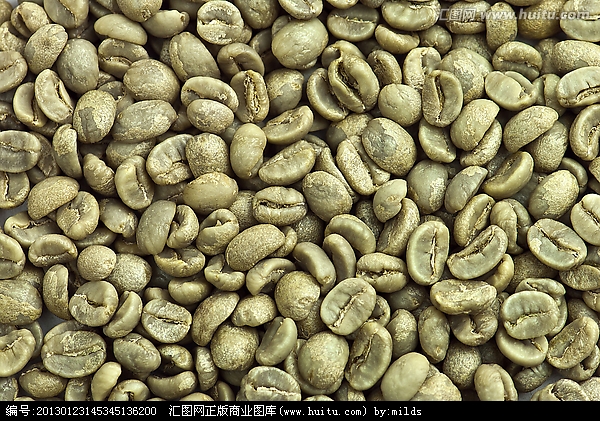
Arabica bean the oldest native variety of Ethiopia
Iron pickup "Typica" iron pickup, the name sounds majestic and powerful, but in fact it is not so strong. It has a weak physique, poor disease resistance, easy to catch rust leaf disease, and produces less fruit. It is one of the oldest native varieties in Ethiopia, and many Arabica are derived from iron pickups! The parietal leaf of the iron pickup is bronzed, and the bean grain is large, pointed, oval or thin.
2016-03-18 Rabbi Kadou pickup Ethiopia oldest native variety
Ethiopian coffee Yega snow coffee washed Arabica beans
Yega Coffee in Ethiopia is the hometown of coffee. Thousands of years of planting history and processing tradition in Ethiopia have created high-quality washed Arabica beans. Ethiopia's Yirgacheffe coffee is one of the most unique coffee beans in the world today: it has a strong floral, lemon and sour aroma.
2016-03-22 Ethiopia Coffee Yega Snow Coffee washing Rabbi Kadou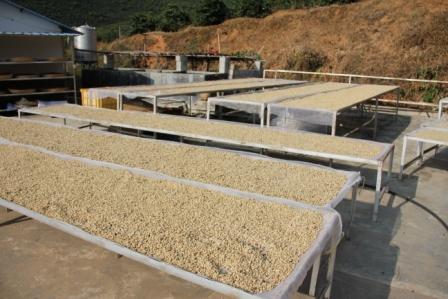
Characteristics of Arabica beans Coffee beans from Suriname
Suriname Suriname (Surinam) is the first country in South America to grow coffee, and Norway was once a major importer of coffee products. However, the country's output is very small today, and it is mentioned here only for historical reasons. The Dutch, who settled in Suriname in 1667, introduced coffee trees from Java in the early 18th century. The first coffee trees were made by the mayor of Asmstedan.
2016-03-24 Rabbi Kadou specialty coffee producing country Suriname coffee beans Sur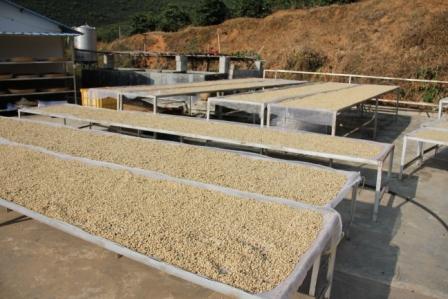
The characteristic coffee of Arabica beans Angola coffee beans
Angola, once a big coffee producer, now has an uncertain future. In the mid-1970s, Angola (Angola) exported 3.5 million bags of coffee a year, 98 per cent of which was Robbins (probably the best in Africa), but total production fell to 200000 bags in 1990. The best brands in Angola used to be Ambriz, Amborm, and New
2016-03-24 Rabbi Kadou specialty coffee producing country Angola coffee beans used to be
The specialty of Arabica beans. Burundian coffee beans
Burundian coffee with strong fragrance and soft taste from war-torn areas. Burundi has the most diverse and successful coffee industry in the world, and has its own characteristics. Coffee in this country was introduced by Belgian colonists in 1930 and is now grown only on small farms. Unfortunately, many of these farms are on the border with war-torn Rwanda.
2016-03-24 Rabbi Kadou specialty coffee producing country Burundi coffee beans from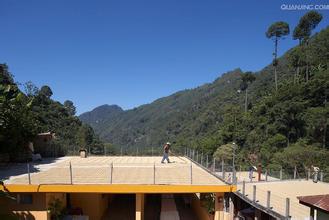
Malagasy coffee, the specialty of Arabica beans
Madagascar (Madagascar) is basically a producer of Robbins coffee, but plans to increase the cultivation of Arabica beans. Since 1989, the coffee industry on the island has been privatized and many regulations have been lifted, with a total output of about 1 million bags a year. As Malagasy people like to drink coffee, the domestic consumption of coffee is very high. The country
2016-03-24 Rabbi Kadou specialty coffee producing country motor Garth plus coffee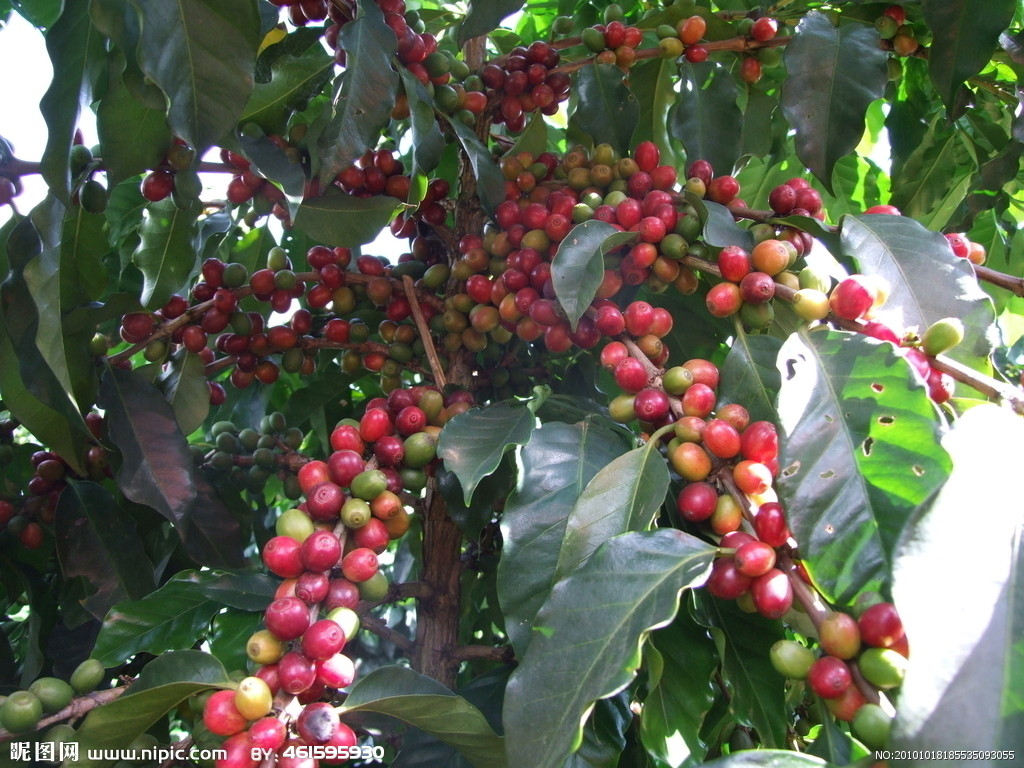
The characteristics of Arabica beans Rwanda coffee beans
Rwanda quality coffee comes from washed Arabica beans, which has a unique and perfect flavor. Rwanda coffee is absolutely high quality in the form of washed Arabica beans. As far as Africa is concerned, its coffee industry attracts attention because the country thrives mainly by producing the best possible coffee beans. The taste of Rwandan coffee is described as "grass aroma"
2016-03-24 Rabbi Kadou specialty coffee producing country Rwanda coffee beans quality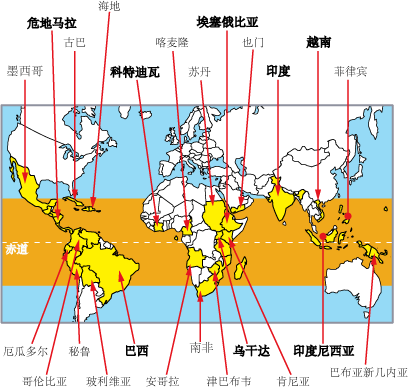
Characteristics of Arabica beans Coffee beans from Suriname
South Africa is fragrant with less acidity, reminiscent of Central American coffee beans. Coffee production in South Africa (South Africa) is mainly in the northeast of the country, from Natal between Transvaal and Mozambique, extending northward to Transvaal, with a southernmost limit of latitude 30 south. Further south, it cannot be caused by early frost.
2016-03-24 Rabbi Kadou specialty coffee producing country Suriname coffee beans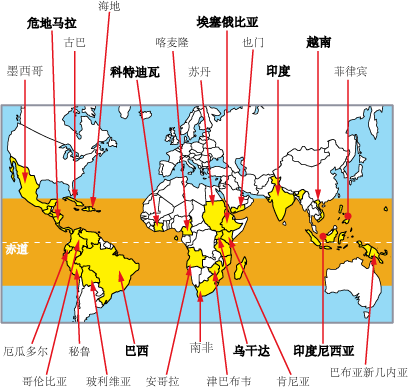
Characteristics of Arabica beans Coffee country Zambia Coffee beans Zambia
Zambia is lighter than Kenyan coffee and is suitable for drinking in the afternoon. Coffee was introduced to Zambia (Zambin) from Kenya and Tanzania in the early 20th century and now it also produces giant coffee beans and bean-shaped berry coffee beans. High-quality Zambian coffee is getting better and better. Although the taste is slightly light, the flavor is similar to that of Kenyan coffee, and the price is exactly the same. Zambian coffee is mainly
2016-03-24 Rabbi Kadou specialty coffee producing country Zambia coffee beans Kenya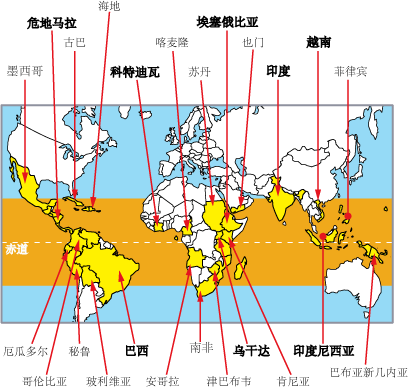
The characteristics of Arabica beans Coffee beans Australia Dali
Australia can't miss the opportunity to taste Australian coffee. Australia is an amazing country in many ways. The high-quality coffee grown here is perhaps one of the most amazing things. Australian coffee is of high quality and has a soft taste with a slightly bitter taste of caffeine. It is a pity that only a small number of products enter the export market, which is due to high labor in production.
2016-03-24 Rabbi Kadou specialty coffee country of origin Australia coffee beans Dali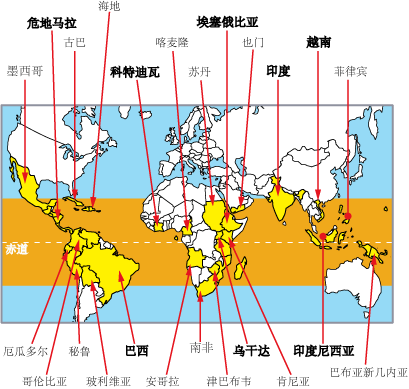
The characteristic coffee beans of Arabica beans New Caledonia
The lost glory of New Caledonia. New Caledonia (New Caledonia) is a former French colony, with only 10 per cent of the land available for farming, with coffee and corn as its main crops. Missionaries introduced coffee from La Runion in 1860, but by 1987 only 40 tons were produced each year, of which 37 tons were exported, mostly to France. The variety of coffee beans is right and wrong
2016-03-24 Rabbi Kadou characteristics Coffee beans New Kerry Niya Splendor