“native” search results (3186)

Coffee basic knowledge three native species of coffee
There are about 40 species of coffee plants, but only one can produce coffee beans of commercial value. Arabica, Robusta and Liberia are known as the three major native species of coffee: Arabica species are native to the Ethiopian plateau. Arabica coffee accounts for 75%, 80% of all coffee varieties, and its excellent flavor and aroma make it these.
2015-04-22 Coffee basics common sense three original
Boutique Coffee explains in detail the three native species of coffee
There are about 40 species of coffee plants, but only one can produce coffee beans of commercial value. Arabica, Robusta and Liberia are known as the three major native species of coffee: Arabica species are native to the Ethiopian plateau. Arabica coffee accounts for 75%, 80% of all coffee varieties, and its excellent flavor and aroma make it these.
2014-11-08 Coffee knowledge boutique coffee science coffee varieties
Ethiopian native species of fine coffee varieties
Honey kiss NekisseN2 [origin]: 90 + Ethiopian Wellega (Woliga) and Sidama (Hidamo) producing areas [season]: 2013-2014 [variety]: Ethiopian native species [Level]: 12 [altitude]: 17502000m [treatment]: sun [flavor]: taste clean, multi-layered. Peaches, berries, passion fruit and cream, milk skillful
2015-01-08 Boutique Coffee Variety Ethiopia Native Honeykiss NekisseN2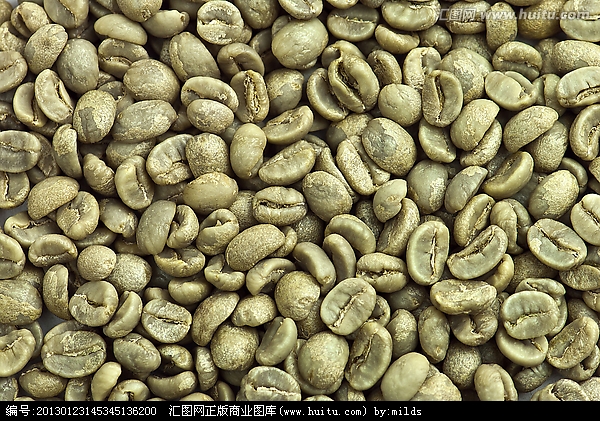
Arabica bean the oldest native variety of Ethiopia
Iron pickup "Typica" iron pickup, the name sounds majestic and powerful, but in fact it is not so strong. It has a weak physique, poor disease resistance, easy to catch rust leaf disease, and produces less fruit. It is one of the oldest native varieties in Ethiopia, and many Arabica are derived from iron pickups! The parietal leaf of the iron pickup is bronzed, and the bean grain is large, pointed, oval or thin.
2016-03-18 Rabbi Kadou pickup Ethiopia oldest native variety
What are the three native species of coffee beans? 2016 the latest coffee information
There are about 40 species of coffee plants in the three native species of coffee, but the only ones that can produce coffee beans of commercial value are Arabica, Robusta and Liberian. these three species are called the three original species of coffee. 1. The origin of the Arabica species (scientific name Coffea arabica) is the Abyssinia Plateau of Ethiopia (present-day Ethiopia).
2016-06-13 Coffee beans three native coffee plant there are about 40 species can
The three native species of coffee
The three main native species of coffee are coffee varieties: Arabica Arabica, Robusta Robusta, and Liberia Liberica. The first two are relatively long-term, while the latter is hardly in circulation on the market and is only traded within parts of West African countries. Arabica is mainly produced in Brazil, Colombia, Guatemala, Jamaica, Mexico and other American countries, the Caribbean Sea.
2014-08-26 Coffee seed coffee encyclopedia coffee common sense
Toarco Kalossi Toraja, native species of coffee bean Sulawesi
Toarco Kalossi Toraja, the native species of Sulawesi, began to grow coffee (old trees) in this special volcanic terrain in 1750. the coffee beans and appearance are similar to Mantenin in Sumatra, beautiful and full-bodied, with a more fresh aroma! Many Japanese experts describe her as sweet like single malt whisky, with a rich nutty flavor and a smooth taste.
2014-09-11 Coffee beans native species of Sulawesi
90 + Fine Coffee Honeykiss NekisseN2 Ethiopia Native species
Honey kiss (NekisseN2): [origin]: 90 + Ethiopia Wellega (Woliga) and Sidama (Hidamo) producing areas [season]: 2013-2014 [variety]: Ethiopian native species [Level]: 12 [altitude]: 17502000m [treatment]: sun [flavor]: taste clean, multi-layered. Peaches, berries, passion fruit and cream,
2015-09-02 90mm boutique coffee honey kiss NekisseN2 Ethiopia original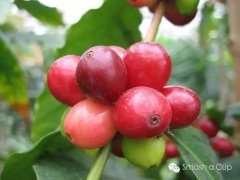
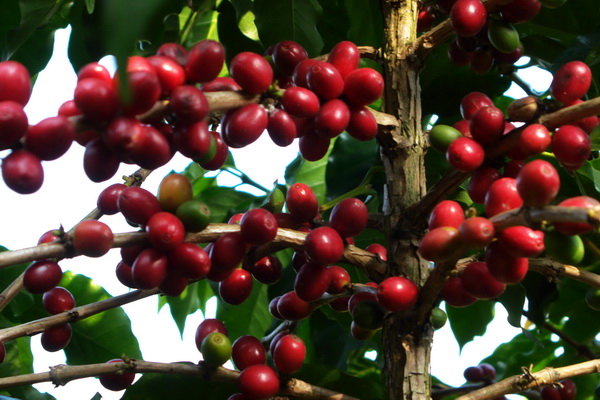
Flavor characteristics and taste description of native red honey kiss boutique coffee beans in Sidamo, Ethiopia
Red Honey Kiss (Nekisse Red N2): [Origin]: 90 + Ethiopia Wellega (Waliga) and Sidama (Hidamo) production areas [season]: 2013-2014 [Variety]: Ethiopian Native species [Level]: 39 [altitude]: 17502000m [treatment]: sun [flavor]: red treatment enhances blueberry, cherry, brandy
2016-07-22 Red honey Nekisse Red Ethiopia Dharma producing area boutique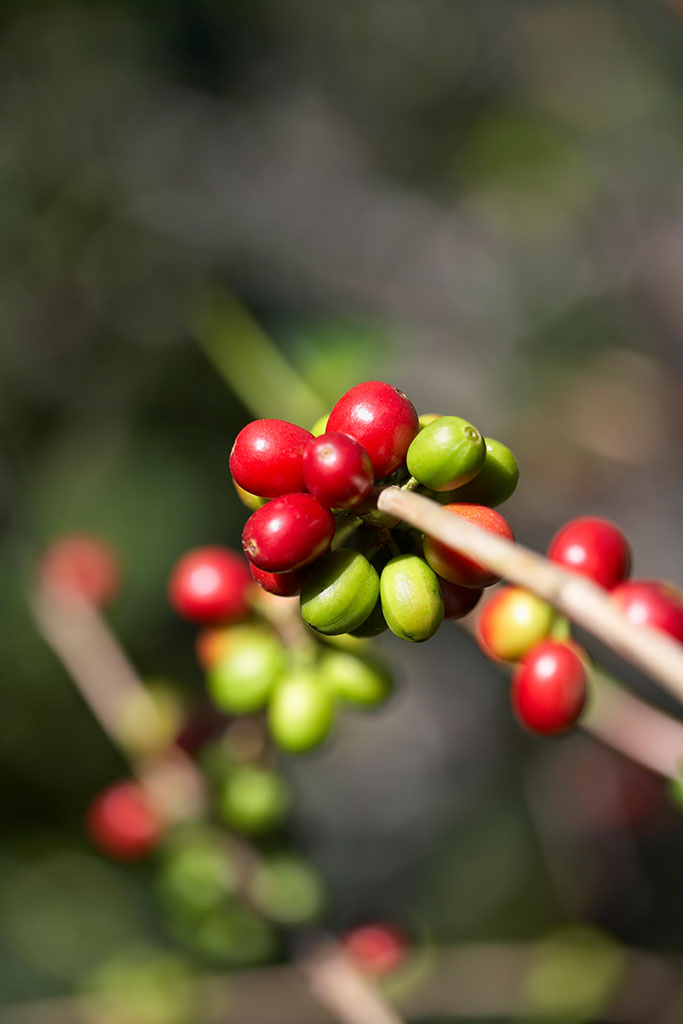
Legendary background of 90 + Panamanian boutique coffee beans native Ethiopian wild varieties
The founder of the website http://www.ninetypluscoffee.com and the current executive director-Joseph Brodsky personally went to Ethiopia, the native place of coffee, to look for wild varieties of coffee trees, tried various ways of treatment, and finally let the coffee speak in its own voice, so that the whole world heard this kind of sincere whisper full of fruit aroma and rich connotation. Just
2016-07-12 Panama boutique coffee beans ninety legends background provenance birthplace Ethiopia

Tasting white coffee is a native product of Malaysia.
White coffee is a native product of Malaysia with a history of more than 100 years. White coffee does not mean that the color of coffee is white, but uses high-grade Liberica, Arabica and Robusta coffee beans and super skim cream raw materials to remove a large amount of caffeine after moderate and mild low temperature baking and special processing, remove the bitter and sour taste produced by high temperature carbon roasting, and remove the bitterness of coffee.
2015-06-19 Taste white coffee white coffee Malaysia native products
Introduction to the Flavor description Grinding scale of Ethiopian Native seed 90 + Honey Kiss Coffee
Looking forward to Ruby (Perci Ruby N2): [Origin]: 90 + Panamanian Rosa Manor [season]: 2013 to 2014 [Variety]: Rosa [Level]: 195 [altitude]: 1250m-1650m [treatment]: 90 + patented Ruby treatment [Flavor]: the ruby treatment has strong tropical fruit flavours of brandy and honey. The heat of mangoes and pineapples
2016-10-20 Ethiopia native boutique 90mm honey kiss coffee flavor description grinding
General knowledge of boutique coffee culture Greek native coffee
In fact, espresso came to Greece as early as 20 years ago, but it was not until 10 years later that it became popular there. Greek food critic Marie Antimilona (Marianthi Milona) believes that locally, going to a coffee shop for coffee can give people a sense of social identity. She pointed out that although the Greek economy has been depressed in recent years, people will not hesitate.
2015-01-05 Boutique coffee culture common sense Greece native coffee in fact Italy concentrated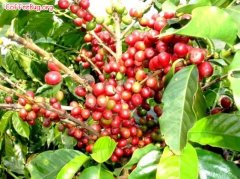
The basics of coffee beans the three native species of coffee
Coffee belongs to the evergreen shrub of the genus Rubiaceae, which is centered in the tropics. There are about 6000 species of Rubiaceae belonging to 500 genera. Coffee has always been thought to have certain effects, such as strengthening the stomach, waking up the brain, stopping bleeding, dissipating heat, strengthening the body, and so on. The more famous Rubiaceae plant is Gardenia jasminoides, whose fruit was dried and used as medicinal material a long time ago. The three native species of coffee
2015-01-26 Coffee beans basic knowledge coffee three native belong to grass family evergreen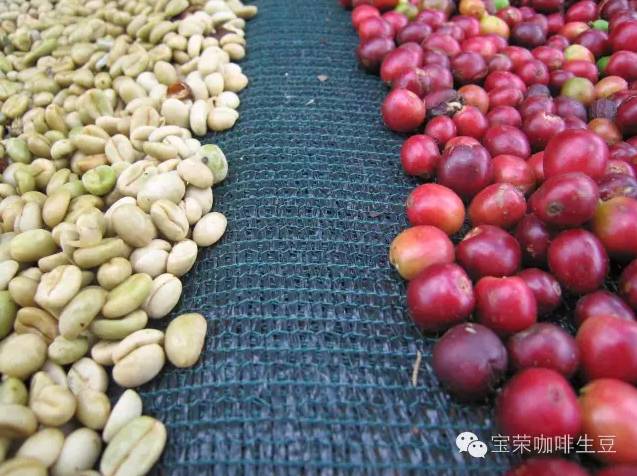
Honey kiss Nekisse N2 classic good coffee native to Ethiopia
Joseph Brodsky, the founder of Ninety +, discovered early that all the world's high-quality raw coffee beans originated in Ethiopia, and its different flavors of many different varieties are no less than 10, 000 grapes into 1 million different wines. Ninety percent of the raw beans come from the original varieties of Ethiopia, including Gesha of Manor Panama, which is also an Ethiopian heirloom (Heir).
2016-07-21 Honey Kiss Nekisse Ethiopia Native Classic Coffee Ninety Tron
Ninety + Ethiopian native species of ginseng from Wellega (Woliga) producing area of Ethiopia
Joseph Brodsky, the founder of Ninety +, discovered early that all the world's high-quality raw coffee beans originated in Ethiopia, and its different flavors of many different varieties are no less than 10, 000 grapes into 1 million different wines. Ninety percent of the raw beans come from the original varieties of Ethiopia, including Gesha of Manor Panama, which is also an Ethiopian heirloom (Heir).
2016-07-05 Ninety Ethiopia Wellega Wali producing area ginseng native nine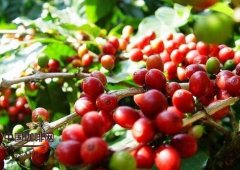
Liberian coffee beans, Liberian or large-grained species, native to Liberia in Africa
The Liberian species, the large-grained species, is native to Liberia in Africa, as well as a few countries such as Malaysia. Its cultivation history is slightly shorter than the other two coffee trees. Liberian coffee trees are suitable for growing in lowlands. Its trunk is high and strong, it is 18 meters high, its leaves are large and tough, and its fruits and coffee beans are also very large. Its seed coat is close to the seed kernel and is scarlet when it is mature. The quotation flavor is strong.
2016-05-19 Libby subspecies coffee beans large grains from Africa Liberia
The basic knowledge of Coffee beans Coffee beans are the three native species of coffee
Coffee belongs to the evergreen shrub of the genus Rubiaceae, which is centered in the tropics. There are about 6000 species of Rubiaceae belonging to 500 genera. Coffee has always been thought to have certain effects, such as strengthening the stomach, waking up the brain, stopping bleeding, dissipating heat, strengthening the body, and so on. The more famous Rubiaceae plant is Gardenia jasminoides, whose fruit was dried and used as medicinal material a long time ago. The three native species of coffee
2015-04-13 Coffee beans basic knowledge coffee three native belong to grass family evergreen