“Cooperative” search results (2887)
Iron pickup or bourbon? Iron pickup coffee beans iron pickup coffee beans price Ethiopian water wash
Iron pickup "Typica" iron pickup, the name sounds majestic and powerful, but in fact it is not so strong. It has a weak physique, poor disease resistance, easy to catch rust leaf disease, and produces less fruit. It is one of the oldest native varieties in Ethiopia, and many Arabica are derived from iron pickups! The parietal leaf of the iron pickup is bronzed, and the bean grain is large, pointed, oval or thin.
2016-04-22 Pickup or bourbon coffee beans price Ethiopia water washing pickup Ty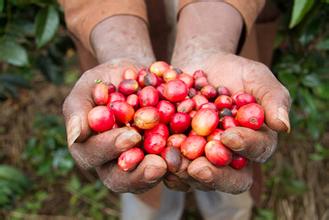
How to buy coffee beans online What do you need to pay attention to? washed snow
1. When buying beans online, pay attention to the production date, shelf life, packaging seal, roasting degree of coffee beans, type of coffee beans, and your utensils to determine what beans you want. If you use blue mountain beans to make ESP, it is indeed a more unconventional way, but it is also too unprofessional and expensive, and the taste is not very good. Date of manufacture must be at least
2016-04-23 how buy good coffee beans online need attention what wash
Arusha, a coffee-producing region in the highlands of northern Tanzania
In the past, the coffee industry in Tanzania has been dominated by manor cultivation, but now more than 85% are grown by small farmers. Many small farmers are combined into cooperative organizations, the most important of which is the Kilimanjaro Cooperative Alliance (Kilimanjaro Cooperative Union, referred to as KNCU). Tanzanian coffee is auctioned by the Tanzanian Coffee Management Committee (Tanz)
2016-06-17 Tanzania north original region coffee producing area Arusha past
Taste rich and perfect Kenyan coffee flavor description taste grindness treatment Variety characteristics Manor
Kenyan coffee is mostly grown at an altitude of 1500m, 2100m, and is harvested twice a year. To ensure that only ripe berries are picked, people must tour the forest about seven times. Kenyan coffee is grown by small farmers. After they harvest the coffee, they first send the fresh coffee beans to the cooperative cleaning station, where the washed and dried coffee is covered with parchment beans.
2016-10-07 Taste rich beautiful Kenya coffee flavor description grinding processing variety
Information related to coffee trade how to buy coffee beans through the channels of coffee trade
Official information related to coffee trade: Ministry of Trade and Industry (Ministry of Trade Industry) P.O.BOX 704 FAX: 00251-1-515411 TEL:00251-1-518025 E-mail: moti@telecom.net.et Coffee and Tea Bureau (Coffee Tea Authority) P.O.BOX 3222 FAX: 00251-1-517293 TEL:00251-1-5
2016-04-27 Coffee trade related information channels how to buy coffee beans coffee
Name of Fine Coffee Bean basic knowledge Manor or Cooperative
As the trade in boutique coffee is booming, the relationship between individual coffee growers and buyers in the country of origin is getting closer and closer. As buyers and sellers have a direct trading relationship, some good coffees no longer need to be shipped together through the process of piling up goods in batches. There are fewer steps for growers to hand over coffee beans directly to buyers and then to end consumers than in the past.
2015-04-14 Boutique coffee beans basics common sense manor cooperative name along with boutique coffee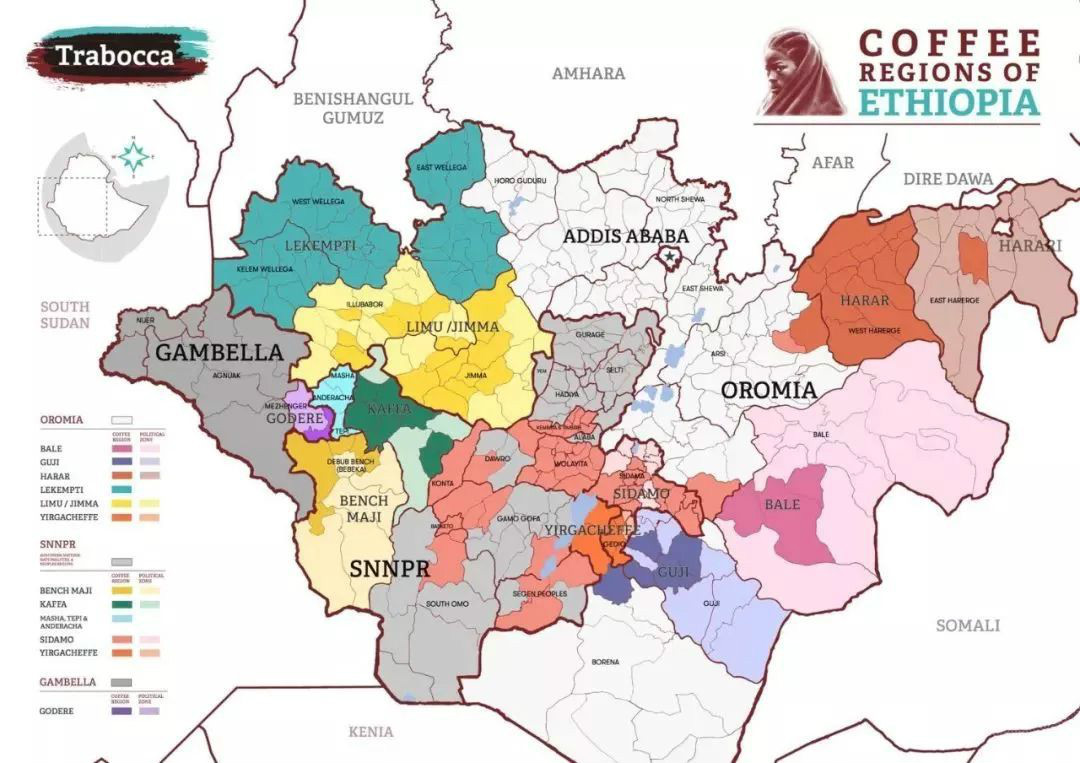
Ethiopian sun-tanned coffee with pure and refreshing flavor and taste
Yejaschuffe itself is a small town of about 20, 000 people, and the three neighboring producing areas, Wenago, Kochere and Gelena Abaya, are also classified as Yejasuffe because they produce coffee with almost the same flavor as Yejasuffe. Yejasuffe is similar to neighboring Sidamo in terms of culture and geography, but it seems to be more concerned about it.
2016-09-09 With pure refreshing quality Ethiopia sun Yega Sheffield Wauka
Tanzania coffee beans introduction, coffee origin characteristics
Tanzania's coffee industry has always been dominated by estate cultivation, but now more than 85% is grown by smallholders. Many small farmers have organized themselves into cooperative organizations, the most important of which is the Kilimanjaro Cooperative Union (KNCU). Tanzanian coffee was auctioned off by the Tanzania Coffee Management Board due to political instability.
2016-06-03 Tanzania coffee beans presentation coffee origin characteristics one
How much is it to make coffee beans from Yegashifedama cooperative coffee beans washed in Ethiopia
Choose fresh coffee beans. When buying, pay attention to whether the color of the beans and the size of the particles are the same. Good coffee beans are shiny and have a strong aroma without being mixed with peculiar smell. No matter what kind of coffee beans, freshness is an important factor affecting the quality. When shopping, grab one or two coffee beans and chew them in your mouth with crisp sound (indicating that the coffee is not damp) and teeth and cheeks.
2016-04-21 Ethiopia Water washing Yega Sheffield Dama Cooperative Coffee beans made Coffee
What is the quality of coffee beans in Tanzania?
In the past, the coffee industry in Tanzania has been dominated by manor cultivation, but now more than 85% are grown by small farmers. Many small farmers are combined into cooperative organizations, the most important of which is the Kilimanjaro Cooperative Alliance (Kilimanjaro Cooperative Union, referred to as KNCU). Tanzanian coffee is auctioned by the Tanzanian Coffee Management Committee (Tan)
2016-06-15 Tanzania coffee beans quality how in the past coffee has always been
Mexican Fine Coffee Light Medium Roast Chocolate Ginseng Flavor CEPCO Cooperative
Fine coffee is fresh coffee. Whether it's food or drink, the fresher the better, and so is specialty coffee. Coffee beans should be kept fresh before making fine coffee, including the preservation of roasted beans, and the coffee beans should be ground before making, which is also to retain its most original and best flavor. And hand brewed coffee making is such a way to make fine coffee
2016-06-25 Mexican Fine Coffee Medium Roast Chocolate Flavor CEPCO Mixed
Arusha Coffee Manor in Northern Tanzania Coffee introduces the Kilimanjaro Mountain Fire area
In the past, the coffee industry in Tanzania has been dominated by manor cultivation, but now more than 85% are grown by small farmers. Many small farmers are combined into cooperative organizations, the most important of which is the Kilimanjaro Cooperative Alliance (Kilimanjaro Cooperative Union, referred to as KNCU). Tanzanian coffee is auctioned by the Tanzanian Coffee Management Committee (Tan)
2016-06-18 Tanzania Coffee North Highlands Arusha Manor introduction Geely Maza
Kenya Coffee Raw Bean Kenya AA green bean
Kenyan coffee is grown by small farmers. After they harvest the coffee, they first send the fresh coffee beans to the cooperative cleaning station, where the washed and dried coffee is sent to the cooperative in the state of "parchment coffee beans". Then the price is charged at the average price according to its actual quality
2014-07-03 Kenya coffee raw beans Kenya AA Kenya boutique coffee beans
World boutique coffee beans: secret CENFROCAFE cooperative sour sweet lavender flavor
Baking degree of Peru CENFROCAFE APU: Zhongzhong
2015-12-24 World boutique coffee beans secret beans CENFROCAFE cooperatives acid
Ethiopia Yega Chuefefen washing Yega native species Waka WorkaG1 Cooperative Fine Coffee
Yejaschuffe itself is a small town of about 20, 000 people, and the three neighboring producing areas, Wenago, Kochere and Gelena Abaya, are also classified as Yejasuffe because they produce coffee with almost the same flavor as Yejasuffe. Yejasuffe is similar to neighboring Sidamo in terms of culture and geography, but it seems to be more concerned about it.
2016-07-19 Ethiopia Yega Sheffield Water washing Native Zowo WorkaG1 he
African Coffee Ethiopia Sidamo Sun treatment Lion King Ethiopia Sidama Black Coffee
Ethiopian Sidamo Lion King Natural country: Ethiopia level: G1 production area: Guji planting altitude: 1800-2000m soil species: volcanic laterite annual rainfall: 1100-1200 cm treatment method: sun varieties: local native species (Heirloom) treatment field: Sirsa cooperative bean specification: 17-18 mesh flavor: jasmine, honey, mandarin
2016-03-25 Africa Coffee Ethiopia Dharma Sun processing Lion King Esso Biya
Flavor and taste characteristics of coffee manor in Kenya Nyeri Central Dashan area
The Kenyan government takes the coffee industry very seriously and responsibly, where it is illegal to cut down or destroy coffee trees. Kenyan coffee buyers are world-class high-quality coffee buyers, and no other country can grow, produce and sell coffee on a continuous basis like Kenya. All coffee beans are first made by the Kenya Coffee Commission (CoffeeBoardofKenya, CBK).
2016-07-18 Kenya Coffee Manor producing area Flavor Taste characteristics introduction Nyeri
Kenyan Jinchu Coffee Flavor description introduction to the Grinding degree of Fine Coffee beans
Kenyan coffee is mostly grown at an altitude of 1500m, 2100m, and is harvested twice a year. To ensure that only ripe berries are picked, people must tour the forest about seven times. Kenyan coffee is grown by small farmers. After they harvest the coffee, they first send the fresh coffee beans to the cooperative cleaning station, which will wash and dry the coffee with parchment coffee beans.
2016-09-28 Kenya Jinchu coffee flavor description variety boutique coffee beans grinding mouth
How to drink coffee Italian coffee beans Blue Mountain coffee
Ethiopia Sidamo G1 LionKing Origin: Guji,Sidamo,Ethiopia Bean Seed: Heirloom Processing Plant: Shilicho Cooperative Altitude: 1800-2000m Processing Method: WashedProcessing Time: 06/2014 Roasting Degree: Light Honey, Citrus, Coffee Flower Produced by Dilla tow
2016-07-08 Make American Concentrated How Coffee Italian Flavor Coffee Bean Blue Mountain Ethiopia
Introduction to the flavors of Tanzanian Coffee
In the past, the coffee industry in Tanzania has been dominated by manor cultivation, but now more than 85% are grown by small farmers. Many small farmers are combined into cooperative organizations, the most important of which is the Kilimanjaro Cooperative Alliance (Kilimanjaro Cooperative Union, referred to as KNCU). Tanzanian coffee is auctioned by the Tanzanian Coffee Management Committee (Tan)
2016-06-15 Tanzania coffee flavor type introduction past always