African Coffee Ethiopia Sidamo Sun treatment Lion King Ethiopia Sidama Black Coffee
Ethiopian Sidamo Lion King Natural
Country: Ethiopia
Grade: G1
Production area: Guji
Planting altitude: 1800-2000m
Soil type: volcanic laterite
Annual rainfall: 1100-1200 cm
Treatment: insolation
Variety: native species (Heirloom)
Disposal site: Sirsa Cooperative
Raw bean specification: 17-18 mesh
Flavor: Jasmine, honey, citrus, ripe berries
The coffee flavor of Sidamo is very diverse, and the different soil types, microclimate and countless native coffee species make the coffee produced in each town have obvious differences and characteristics. In 2010-12, it won three consecutive high marks from coffee review 92 to 94, which shows the extraordinary value of raw beans in this area! The territory is covered by towering mountains, highlands, plateaus, valleys and plains with a variety of topography. The geology of the area belongs to the fertile and well-drained volcanic soil, which is nearly two meters deep and the surface soil is dark brown or brown. The biggest advantage of this place is that the soil fertility is maintained through the circulation of natural organic matter, with the withered leaves or litter of the surrounding trees and the residual roots of plants as natural fertilizer. This batch is produced by Sirsa Shilcho Cooperative near Dilla Town. The cooperative was founded in 1976 and is currently a member of the Sidamo Farmers' Cooperative Union SCFCU (Sidamo Coffee Farmer Cooperative Union). We have screened the coffee again and again and selected this batch for excellent flavor.
In recent years, many emerging small producing areas or cooperatives in the Sidamo and Yegashev producing areas will be sold in the international market under the name of their own cooperatives or farms, which shows confidence in their own coffee. Hope to establish brand and loyalty in the international coffee market, coffee farmers insist on harvesting mature coffee beans and strictly handle every process. Both natural washing and natural tanning are outstanding, with an unexpected extremely fragrant aroma and excellent taste. I think this is why Ethiopian coffee is expected by coffee fans every year. For example, the Dutch government-assisted Red Cherry Project (Operation Cherry Red) impressed the world with the magnificent aroma of strawberry cookies in 2008 and Cambedo Manor in 2009, which has been reinforced by the sun beans produced in Ethiopia in recent years.
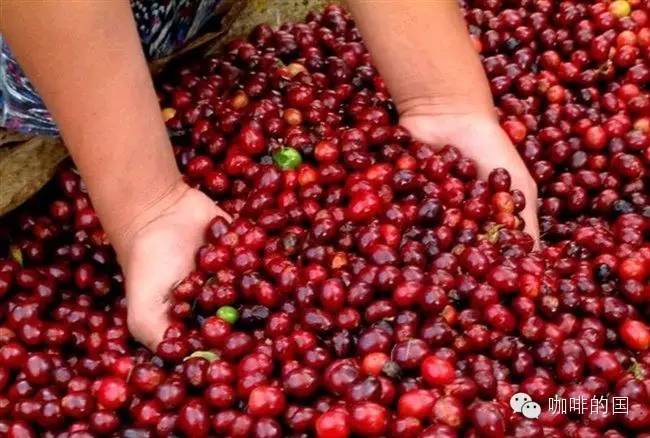
Local farmers in West Dharma manually select moderately mature coffee cherries for sun treatment, turning the coffee cherries on the scaffolding every two hours during the sun for about 15 to 17 days. to ensure that the coffee cherries are evenly and completely dry, followed by shelling and packaging.
Share
Follow Coffee Search for the latest coffee updates. Reproduced from "Coffee Search"
Article URL: https://www.coffeesearch.net/coffee50626.html
Related Articles
- Detailed explanation of Jadeite planting Land in Panamanian Jadeite Manor introduction to the grading system of Jadeite competitive bidding, Red bid, Green bid and Rose Summer
- Story of Coffee planting in Brenka region of Costa Rica Stonehenge Manor anaerobic heavy honey treatment of flavor mouth
- What's on the barrel of Blue Mountain Coffee beans?
- Can American coffee also pull flowers? How to use hot American style to pull out a good-looking pattern?
- Can you make a cold extract with coffee beans? What is the right proportion for cold-extracted coffee formula?
- Indonesian PWN Gold Mandrine Coffee Origin Features Flavor How to Chong? Mandolin coffee is American.
- A brief introduction to the flavor characteristics of Brazilian yellow bourbon coffee beans
- What is the effect of different water quality on the flavor of cold-extracted coffee? What kind of water is best for brewing coffee?
- Why do you think of Rose Summer whenever you mention Panamanian coffee?
- Introduction to the characteristics of authentic blue mountain coffee bean producing areas? What is the CIB Coffee Authority in Jamaica?