“Chemical” search results (3776)

Processing methods of coffee beans with low caffeine
CO2 low-caffeine treatment and other low-caffeine treatments are described as follows: at present, there are three ways to remove caffeine from coffee beans: 1. Water treatment can remove 9496% of the caffeine. 2. Chemical extraction method, early use of chloroform (Chloroform) and benzene (Benzene) as solvents to extract caffeine, and later understand that these chemicals cause cancer, and then gradually become other low-hazard chemicals.
2015-01-23 Coffee beans processing caffeine methods CO2 treatment others
Coffee brewing filter paper: the operation technology of qualitative filter paper diameter 11cm and the introduction of chemical experiment
Brand: curious model: dxlz medium speed qualitative filter paper chemical experiment: filter paper is often used in the experiment together with filter funnel and Brinell funnel and other instruments. The filter paper needs to be folded into a suitable shape before use. The common folding method is to fold the filter paper into a flower-like shape. The higher the folding degree of the filter paper is, the higher the surface area can be provided, and the better the filtration effect is.
2015-12-28 Coffee brewing filter paper qualitative diameter 11cm operation technology chemical experiment
Decaffein, the processing method of low caffeine coffee beans
CO2 low-caffeine treatment and other low-caffeine treatments are described as follows: at present, there are three ways to remove caffeine from coffee beans: 1. Water treatment can remove 9496% of the caffeine. 2. Chemical extraction method, early use of chloroform (Chloroform) and benzene (Benzene) as solvents to extract caffeine, and later understand that these chemicals cause cancer, and then gradually become other low-hazard chemicals.
2015-04-11 Caffeine coffee beans processing methods Decaffein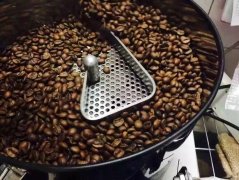
Decaffein, the processing method of low caffeine coffee beans
CO2 low-caffeine treatment and other low-caffeine treatments are described as follows: at present, there are three ways to remove caffeine from coffee beans: 1. Water treatment can remove 9496% of the caffeine. 2. Chemical extraction method, early use of chloroform (Chloroform) and benzene (Benzene) as solvents to extract caffeine, and later understand that these chemicals cause cancer, and then gradually become other low-hazard chemicals.
2015-10-24 Caffeine coffee beans processing methods Decaffein
Eastman Tritan polyester powered new coffee machine
Eastman Chemical (Eastman Chemical Company) announced that Hourglass Coffee, based in Portland, Oregon, will use Eastman's Tritan as raw material to produce HourglassCold Brew Coffee systems. Eastman Tritan resin can meet the requirements of tubing toughness, repeated washing durability, heat resistance, chemical resistance and easy processability. Trit
2015-07-16 Eastman Tritan Polyester Booster New Coffee Machine Chemistry
Coffee dictionaries commonly used coffee terms other coffee words
* Cupping: a way to test the quality of coffee. Basically, put the ground fresh coffee beans in a cup, pour them into hot water and soak them, then scoop them out with a small spoon without filtering. * extraction: the necessary substance is dissolved through a liquid and precipitated. * caffeine: the chemical formula is C8H10N402, the only plant base containing nitrogen, such as refreshing, diuresis and elimination.
2015-01-26 Coffee Dictionary Common use terminology his word Cup Test Cupping one
Coffee common sense Why is plain coffee bitter?
Today, several friends have expressed to varying degrees that they do not adapt to the bitter taste of pure coffee. I believe many people feel the same way, but why is pure coffee bitter? A seemingly simple problem has been bothering scientists for decades. Now, scientists have narrowed down their research and targeted two chemical molecules. You have a cup of coffee, actually.
2015-03-12 Coffee common sense why bitter today there are several friends different degrees table
Common sense of Fine Coffee beans Chemical composition of coffee
How many substances does a cup of coffee contain? Coffee extracted by traditional methods such as hand-brewing and Syphone contains more than 200 substances, while 1500 qualities can be extracted in an instant when using a Ruyi coffee machine and mocha pot. Unexpectedly, there are so many things in a cup of flavored water, the charm of coffee is made up of these substances. Coffee beans.
2015-01-04 Boutique coffee beans common sense coffee chemistry ingredients a cup of coffee after all contains
The bitter taste of coffee comes from the processing process.
In western countries, people drink a cup of coffee every morning. In order to protect the bitterness of the coffee, they often add some milk powder and sugar. But why is coffee bitter? A seemingly simple question has plagued scientists for decades.
2014-06-20 Coffee knowledge coffee processing coffee flavor
Coffee training Coffee is sweet and bitter
The color, aroma and taste of coffee are caused by some complex chemical changes that take place during the baking process. Generally speaking, we use strong alcohol to show the round, mellow and strong taste of coffee. So raw coffee beans must go through a proper chemical process to achieve the most balanced state of its essential ingredients in order to be regarded as the best baked beans. The aroma of coffee will follow the heat.
2014-10-08 Coffee knowledge coffee training coffee taste and bitterness
World Coffee Bean Certification What is Organic Coffee Bean? How to properly certify organic coffee beans?
Organic coffee is coffee grown without the use of synthetic pesticides, herbicides or chemical fertilizers. These ways of growing coffee help maintain a healthy environment and keep groundwater pure. After harvesting, be sure to use an organic certified roasting plant to process coffee beans. Organic coffee is coffee beans grown in the shade.
2016-01-04 world coffee beans certified what organic how right coffee is in
How many chemicals are there in a cup of coffee
Coffee flavor chemistry has been studied for more than 200 years. Researchers have been committed to the separation and identification of coffee flavor substances. At present, more than 1000 coffee flavor substances have been reported. People can smell the aroma of coffee, because of the volatility of chemical molecules, the flavor of these chemical molecules is combined to form the taste of coffee. Swiss Federal University of Technology
2016-05-25 One cup coffee how much chemistry ingredients related flavor learning research
The effect of caffeine on the Chemical composition of Fine Coffee
Reduced risk according to a new study in the European Journal of Cancer Prevention (European Journal of cancer Prevention), those who drank two or three cups of caffeinated coffee a day were 13% less likely to develop non-malignant skin cancer than those who drank none, and those who drank more than six cups a day were significantly less likely to develop non-malignant skin cancer.
2015-03-03 Boutique coffee chemistry ingredients caffeine action
Treatment of decaffeinated coffee beans
At present, there are three ways to remove caffeine from coffee beans:
2014-07-09 Coffee knowledge decaf coffee coffee bean processing
Coffee common sense Coffee training Coffee is mellow and bitter
The color, aroma and taste of coffee are caused by some complex chemical changes that take place during the baking process. Generally speaking, we use strong alcohol to show the round, mellow and strong taste of coffee. So raw coffee beans must go through a proper chemical process to achieve the most balanced state of its essential ingredients in order to be regarded as the best baked beans. The aroma of coffee will follow the heat.
2014-11-22 Coffee knowledge coffee common sense coffee aroma
The sour and mellow taste of coffee is bitter
The color, aroma and taste of coffee are caused by some complex chemical changes that take place during the baking process. So raw coffee beans must go through a proper chemical process to achieve the most balanced state of its essential ingredients in order to be regarded as the best baked beans. The aroma of coffee will change with the heat, so the baking time should be shortened as much as possible, and the heat should be controlled within the range of heat.
2014-05-23 Coffee culture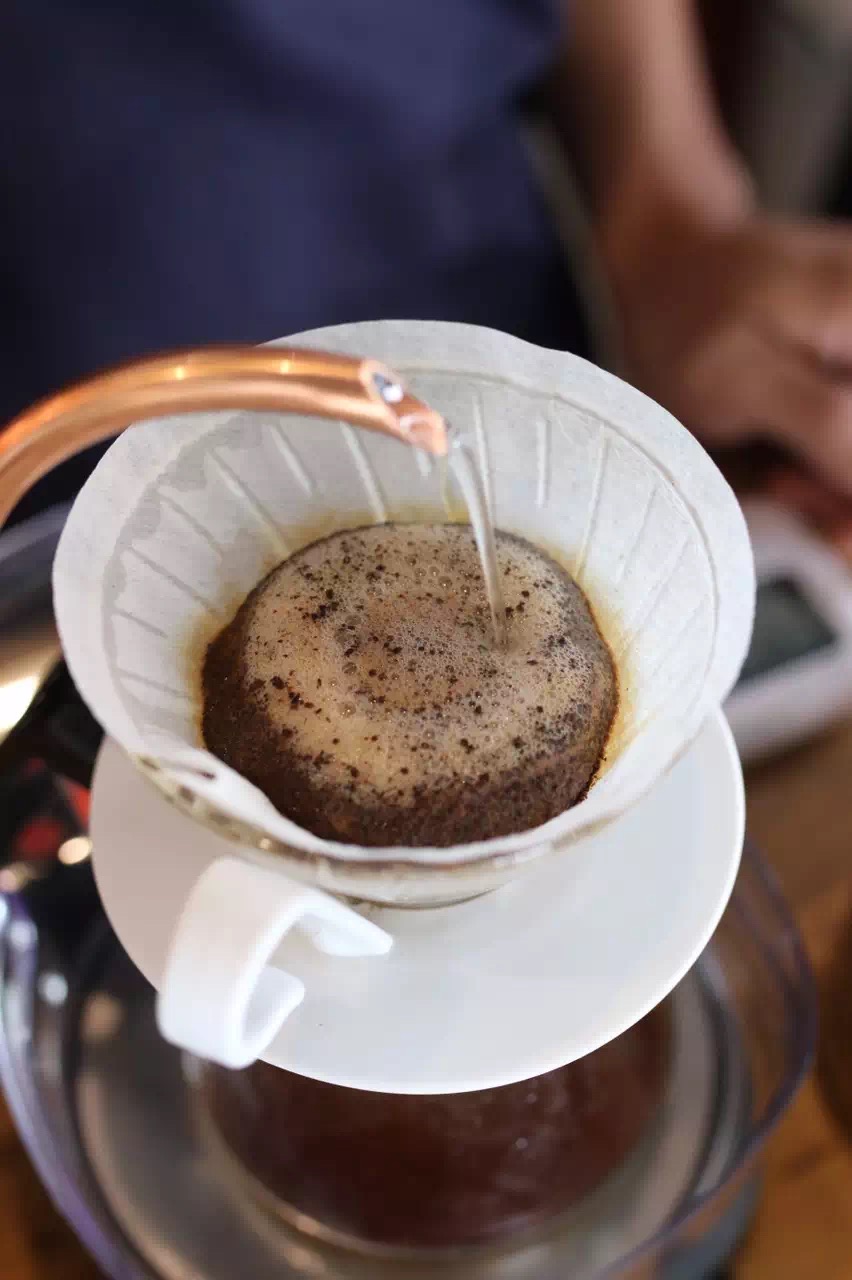
Coffee knowledge what brands of hario kono are there in V60 hand coffee brewing utensils?
Why is the V60 hand filter bowl so popular? Why is the hand-dripping coffee made with it so delicious? The invention of Hario V60 hand filter bowl is the crystallization of chemical analysis, glass making and coffee brewing technology. If you are familiar with the Chemex manual drip filter coffee maker, you will know how people used chemical analysis to make this classic coffee maker.
2016-07-12 Coffee knowledge use V60 hand flushing utensils which brand hario
Awaken the Spirit of Flavor-- the Chemical change and dramatic Evolution of "Baking"
What happens when coffee beans are roasted? In fact, no one can answer this question very accurately. One of the mysterious characteristics of coffee beans is that their aromatic compounds are very complex. at present, it is known that there are about 700850 substances related to flavor in roasted coffee beans, and the actual number of substances will be related to each experiment.
2014-08-15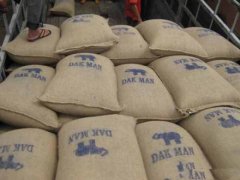
Basic knowledge of boutique coffee the mellow and bitter taste of coffee
The color, aroma and taste of coffee are caused by some complex chemical changes that take place during the baking process. Generally speaking, we use strong alcohol to show the round, mellow and strong taste of coffee. So raw coffee beans must go through a proper chemical process to achieve the most balanced state of its essential ingredients in order to be regarded as the best baked beans. The aroma of coffee will follow the heat.
2014-12-30 Boutique coffee basics common sense mellow sour and bitter color aroma taste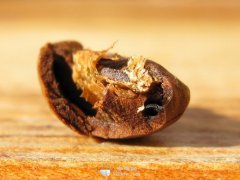
Roasting analysis of professional coffee
Once the coffee seed is planted, no one can change its final quality. However, the color, aroma, bioactive components and health characteristics of coffee are related to the roasting process.
2014-06-25 Coffee knowledge coffee roasting coffee encyclopedia