“4 M” search results (1000)

Graded high-quality coffee beans
There are two ways to classify raw coffee beans, one is the filter number, and the other is the elevation. It is divided by the number of the filter screen, and the size is in the unit of the screen (size). Round beans are generally smaller than flat beans, between 8-13 and 12-29. 8, 9, 10. 12, 13. 18. 29 = small, medium, ordinary. Quasi-big. Big, extra large. The bigger the size, the bigger the beans. Like SC.
2014-09-13 Grading of raw coffee beans boutique coffee beans
The key to brewing top espresso is the skill of making coffee by hand.
In order to brew the top espresso, I think the blending and fusion of [4 M] is very important. The first is [Mistura]. It means the combination of coffee beans. In Italy, espresso beans should be combined with at least five kinds of beans. The coffee bar chef must know that the coffee beans he uses are a combination of those beans. This is to know how to cook it.
2015-11-09 Boil out top espresso coffee key hand punch skill in order to cook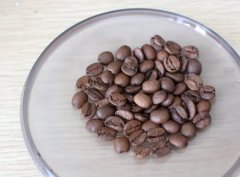
Standard for grading coffee beans
There are two ways to grade coffee beans, one is to filter the number of points, one is to elevation points. It is divided by the filter number and the size is determined by the mesh size. Round beans are generally smaller than flat beans, round beans between 8-13, flat beans between 12-29. 8,9,10... 12,13... 18... 29 = Small, Medium, Normal... It's a big... big, extra big. The bigger the number, the bigger the bean. Like SC
2015-01-08 quality coffee common sense green beans grading standard method
Grading standard of raw coffee beans
There are two ways to classify brown raw beans, one is to filter the number, and the other is to divide it by elevation. It is divided by the number of the filter screen, and the size is in the unit of the screen (size). Round beans are generally smaller than flat beans, between 8-13 and 12-29. 8, 9, 10. 12, 13. 18. 29 = small, medium, ordinary. Quasi-big. Big, extra large. The bigger the size, the bigger the beans. Like SC-1.
2014-08-20 Coffee knowledge grading standards coffee raw beans
Liberica coffee beans
Liberica coffee beans: large shrubs or small trees, 6-15 m tall; dark brown bark; branches spreading, hard and straight. Leaves opposite, leathery, elliptic or Obovate-elliptic, 15-30 cm long, tip mucronate, base broadly cuneate, margin entire, rarely microwave, often with small pores in lower vein axils; petiole 8-20 mm long; stipules broadly triangular, 3-4 mm long, tip obtuse, rarely convex
2014-08-21 Coffee knowledge Liberica coffee beans Hainan coffee beans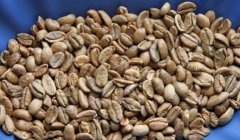
Liberica coffee beans produced in Hainan
Liberica coffee beans: large shrubs or small trees, 6-15 m tall; dark brown bark; branches spreading, hard and straight. Leaves opposite, leathery, elliptic or Obovate-elliptic, 15-30 cm long, tip mucronate, base broadly cuneate, margin entire, rarely microwave, often with small pores in lower vein axils; petiole 8-20 mm long; stipules broadly triangular, 3-4 mm long, tip obtuse, rarely convex
2014-09-25 Hainan Librika coffee beans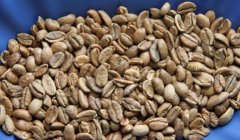
Chinese coffee Hainan Liberica coffee beans
Liberica coffee beans: large shrubs or small trees, 6-15 m tall; dark brown bark; branches spreading, hard and straight. Leaves opposite, leathery, elliptic or Obovate-elliptic, 15-30 cm long, tip mucronate, base broadly cuneate, margin entire, rarely microwave, often with small pores in lower vein axils; petiole 8-20 mm long; stipules broadly triangular, 3-4 mm long, tip obtuse, rarely convex
2014-11-20 Coffee knowledge Chinese coffee Hainan coffee Librika coffee beans
Introduction to Librika Coffee beans
Liberica coffee beans: large shrubs or small trees, 6-15 m tall; dark brown bark; branches spreading, hard and straight. Leaves opposite, leathery, elliptic or Obovate-elliptic, 15-30 cm long, tip mucronate, base broadly cuneate, margin entire, rarely microwave, often with small pores in lower vein axils; petiole 8-20 mm long; stipules broadly triangular, 3-4 mm long, tip obtuse, rarely convex
2015-04-16 Libby Rika coffee beans boutique introduction shrubs Joe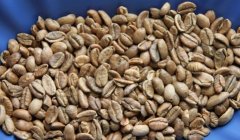
Produced in Hainan, China: Liberica coffee beans
Liberica coffee beans: large shrubs or small trees, 6-15 m tall; dark brown bark; branches spreading, hard and straight. Leaves opposite, leathery, elliptic or Obovate-elliptic, 15-30 cm long, tip mucronate, base broadly cuneate, margin entire, rarely microwave, often with small pores in lower vein axils; petiole 8-20 mm long; stipules broadly triangular, 3-4 mm long, tip obtuse, rarely convex
2015-06-01 China Hainan Libby Rika Coffee beans shrubs Joe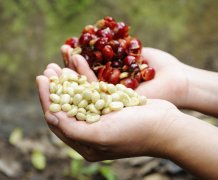
Boutique Coffee Bean Flavor of Buyachimere Manor
Coffee bean details: 1. Country: Papua New Guinea 2. Grade: grade A 3. Producing area: Wiki Valley 4. Altitude: 1500 m 5. Treatment: washing 6. Varieties: Arusha, Blue Mountain, Catimor 7. Producer: Kimmel Manor 8. Flavor: nuts, sucrose, low acid and solid
2016-05-10 Buyaxin New Guinea Mayer Manor Round beans Fine goods Coffee beans Flavor
Sidamo Sun Lion King Ethiopian boutique coffee beans
Coffee bean details: 1. Country: Ethiopia 2. Grade: G13. Production area: Guji 4. Planting altitude: 1800-2000m 5. Soil type: volcanic laterite 6. Annual rainfall: 1100-1200 cm 7. Treatment: insolation 8. Variety: native species (Heirloom) 9. Disposal site: Sirsa Cooperative 10. Raw bean specification: 17-18 items 11. Flavor: Jasmine, honey,
2016-05-10 Dharma Sun Lion King Ethiopia boutique coffee beans details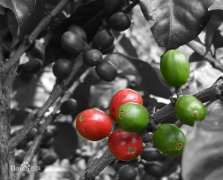
Boutique coffee, raw beans, bourbon beans, Muxiui, western province of Luanda, Rwanda
Coffee bean details: 1. Country: Rwanda 2. Production area: Lutexiluo production area of the western province 3. Altitude: 1827 m 4. Rainfall: 1500mm 5. Treatment: washing, elevated scaffolding sun drying 6. Variety: BM-139 (bourbon) 7. Processing plant: Mushuyi processing plant 8. Landowner: 1756 member small farmers (about 253 plants per small farmer) 9. Flavor: red apple, cherry, meat
2016-05-19 Boutique Coffee Raw Bean single Pin Bo Pandou Rwanda Luanda Anda Western Province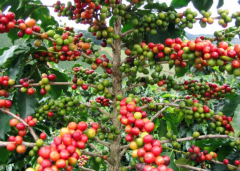
Ethiopian Sidamo Lion King Sun-treated Fine Coffee
Coffee bean details: 1. Country: Ethiopia 2. Grade: G13. Production area: Guji 4. Planting altitude: 1800-2000m 5. Soil type: volcanic laterite 6. Annual rainfall: 1100-1200 cm 7. Treatment: insolation 8. Variety: native species (Heirloom) 9. Disposal site: Sirsa Cooperative 10. Raw bean specification: 17-18 items 11. Flavor: Jasmine, honey,
2016-05-20 Ethiopia Dharma Lion King Solar processing Fine goods Coffee Coffee beans details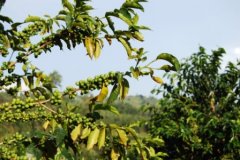
Ethiopian boutique coffee Sidamo Lion King guji producing area
1. Country: Ethiopia 2. Grade: G13. Production area: Guji 4. Planting altitude: 1800-2000m 5. Soil type: volcanic laterite 6. Annual rainfall: 1100-1200 cm 7. Treatment: insolation 8. Variety: native species (Heirloom) 9. Disposal site: Sirsa Cooperative 10. Raw bean specification: 17-18 items 11. Flavor: Jasmine, honey, citrus, ripe berries
2016-05-21 Ethiopia boutique coffee Dharma Lion King guji producing area country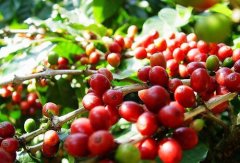
Nicaraguan honey treated single coffee Jim Molina manor honey treated boutique coffee
Coffee bean details: 1. Country: Nicaragua 2. Production area: La Sabana, Madriz 3. Altitude: 1400-1450m 4. Harvest time: from December to March of the following year. Treatment method: honey treatment 6. Variety: red bourbon 7. Processing plant: Jaime Jose Molina Fiallos 8. Flavor: chocolate, red fruit, fruit juice taste description: nut chocolate, passion fruit sweet and sour, milk
2016-07-08 Nicaragua processing item coffee Jim Molly manor boutique coffee beans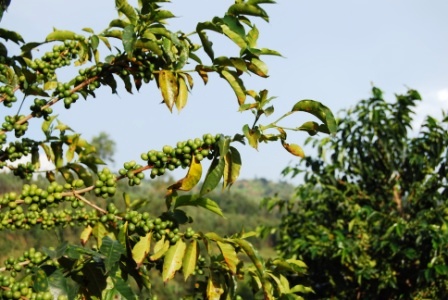
Koke Cook Cooperative Ethiopian Coffee Cooperative Fine Coffee
Annual output of raw coffee beans: 457000 kg average farm size: maximum 4 hectares, annual yield of about 699kg per hectare all treatment equipment certificate: Fair Trade Fair Trade, Organic Organic Coffee Koke Cook Cooperative (1750-2300 m) producing areas: Gedeo- Yega Xuefei members: 828people Land attribute: red brown soil can provide a group of treatments
2016-07-23 Koke Cook Cooperative Ethel Searle Biya Coffee boutique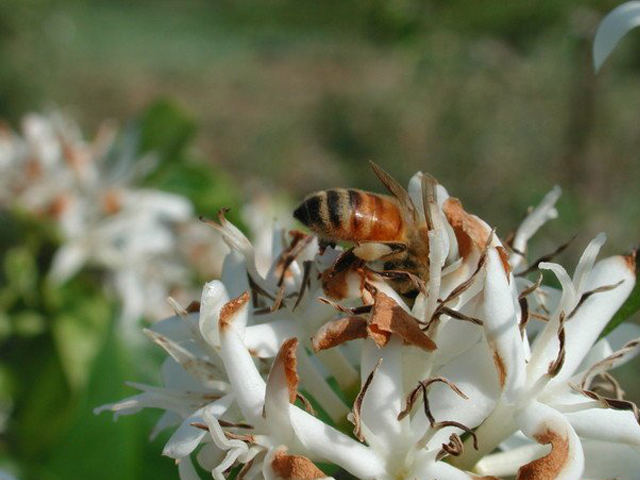
Belekara Cooperative Yega Sheffield African boutique coffee Ethiopian flavor
Production area of Belekara Cooperative (1000-1400 m): Gedeo-Wenago Vina members: 685Land attribute: red brown soil can provide a set of treatment equipment certificates: Fair Trade Fair Trade, Organic Organic Coffee Raw Bean Annual output: 457000 kg average farm size: maximum 4 hectares, annual output per hectare is about 699kg.
2016-07-23 Belekara Cooperative Yega Sheffield Africa boutique Coffee Ethiopia
China Hainan Coffee Beans Librika Coffee Beans
Coffee beans: large shrubs or small trees, 6-15 m tall; bark dark brown; branches spreading, hard and straight. Leaves opposite, leathery, elliptic or obovate-elliptic, 15-30 cm long, apex mucronate, base broadly cuneate, margin entire, rarely wavy, often with pits in lower vein axils; petiole 8-20 mm long; stipules broadly triangular, 3-4 mm long, apex obtuse, rarely convex
2014-11-11 Coffee knowledge China Hainan coffee beans Liberica coffee beans
Classification standard of coffee raw beans for fine coffee
There are two ways to classify raw coffee beans, one is the filter number, and the other is the elevation. It is divided by the number of the filter screen, and the size is in the unit of the screen (size). Round beans are generally smaller than flat beans, between 8-13 and 12-29. 8, 9, 10. 12, 13. 18. 29 = small, medium, ordinary. Quasi-big. Big, extra large. The bigger the size, the bigger the beans. Like SC.
2014-09-03 Coffee knowledge boutique coffee beans coffee raw beans coffee bean grading
Types of coffee how many kinds of coffee do you have? How many kinds of coffee are there? Coffee
Today, there are two main types of coffee grown most widely in the world: Arabica beans (Coffee Arabica) and Robaster beans (Coffee Robusta). Arabica Arabica Robusta Robaster is mainly produced in tropical Central and South America, accounting for 3/4 of the world's output in Madagascar in central, western and eastern Africa, and Indonesia in Asia, accounting for about 3/4 of the world's output.
2016-03-16 Coffee type introduction how much divided into today in the world growing extensive coffee