“resistance to leaf rust” search results (400)
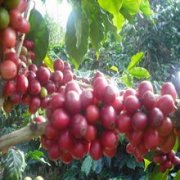
A brief introduction to the Gene Mutants of Coffee species
Kenya [SL28] and [SL34]: French and British missionaries and researchers sifted in Kenya at the beginning of the 20th century
2015-03-09 Coffee species genes mutants brief introduction
Prevention and control of small-grain coffee diseases (coffee rust, coffee anthracnose)
1. Coffee rust is the main disease of coffee, the most harmful, the damaged plants, light reduced yield, serious death. Coffee rust is mainly harmful to leaves and sometimes to young fruits and twigs. After the leaves were infected, many light yellow spots appeared at first and enlarged in the form of water stains, followed by orange-yellow powdery spores on the back of the leaves, and there was a light green halo around the disease spots, which gradually expanded or connected in the later stage.
2014-06-05 Coffee disease coffee rust coffee anthracnose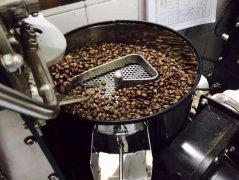
Robusta is one of the most important varieties of coffee in the world.
Robusta species (scientific name Coffee Robusta Linden) is one of the most important coffee tree varieties in the world. The leaf rust-resistant varieties found in Congo in Africa have stronger disease resistance than Arabica. In the general coffee market, many people like to compare robusta and Arabica coffee beans, which is incorrect. In fact, the Robusta species was originally from the Congo.
2015-11-10 Robes Booth the most important thing in the world coffee variety one Robbs.
What is robusta coffee? One of the most important varieties of coffee in the world
Robusta is one of the most important coffee tree varieties in the world. Robusta species (scientific name Coffee Robusta Linden). The leaf rust-resistant varieties found in Congo in Africa have stronger disease resistance than Arabica. In the general coffee market, many people like to compare robusta and Arabica coffee beans, which is incorrect. In fact, the Robusta progeny
2015-10-12 What Rob Booth Coffee the most important thing in the world one of the varieties Rowe.
Catimor Katim (Katim)
Catimor: an important variety of commercial beans at present. East Timor was colonized by Portugal for 400 years, and the Portuguese had long been in contact with East Timorese coffee trees. In 1959, the Portuguese moved the Brazilian bourbon mutant Kadura to East Timor and interbred with Tim, who was of Robusta origin, and succeeded in breeding Kadim with strong disease resistance and super production capacity. Nineteen seven ○ to nineteen
2014-06-30 Katim coffee beans boutique coffee beans individual coffee
Tree species of coffee
The coffee beans we usually see are red fruits on trees, seeds without peel and pulp. It is a kind of plant, so there will naturally be different tree species, just as there are many kinds of apples.
2014-08-18 Coffee knowledge coffee tree species coffee encyclopedia
Coffee basics Arabica Coffee Tree
One of the most important coffee trees in the world. Arabica species (scientific name Coffee Arabica). The origin of Arabica species is Ethiopia's Abyssinia Plateau (present-day Ethiopian Plateau). In the early days, it was mainly used as medicine, and the habit of baking and drinking was developed in the 13th century. it was introduced into Europe through the Arab world in the 16th century.
2014-11-05 Coffee knowledge coffee basics Arabica coffee trees
Main coffee varieties and their characteristics Characteristics of estate beans
Catimor was born in Portugal in 1959 by crossing Timor, a hybrid of Arabica and Robusta, with Cadura, a mutant of Bourbon. For high-yield commercial supplies species, growth of the best, most productive varieties. Low tree height, coffee fruit and seeds (green beans) on the large side. Derived from Catimer.
2016-06-07 to coffee varieties and its characteristics estate casti Catimo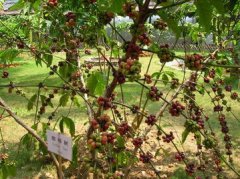
Two of the oldest native species of coffee
Typica: the oldest native variety in Ethiopia, all Arabica are derived from Tibika. It belongs to the ancient coffee with elegant flavor, but its physique is weak, its disease resistance is poor and it is easy to catch rust leaf disease, and its fruit yield is also low, which is not in line with economic benefits. In recent years, Tibika has been gradually replaced by Kaddura and Kaduai in Central and South America, which is becoming more and more rare. Although Tibica has a good flavor, it is not as good as it is.
2015-03-09 Two species the oldest coffee native tree species
What does the tree species of coffee look like?
The coffee beans we usually see are red fruits on trees, seeds without peel and pulp. It is a kind of plant, so there will naturally be different tree species, just as there are many kinds of apples. There are two main categories visible in the market: Arabica and Robusta (rough flavor, caffeine more than twice as high as Arabica, not a boutique coffee variety. But in recent years, India
2015-04-14 Coffee tree species what kind?
The Tree species of Coffee Han Huaizong teacher "Coffee"
The coffee beans we usually see are red fruits on trees, seeds without peel and pulp. It is a kind of plant, so there will naturally be different tree species, just as there are many kinds of apples. There are two main categories visible in the market: Arabica and Robusta (rough flavor, caffeine more than twice as high as Arabica, not a boutique coffee variety. But in recent years, India
2015-07-10 Coffee tree species Han Huaizong teacher coffee science
The species of coffee trees planted with coffee beans.
The coffee beans we usually see are red fruits on trees, seeds without peel and pulp. It is a kind of plant, so there will naturally be different tree species, just as there are many kinds of apples. There are two main categories visible in the market: Arabica and Robusta (rough flavor, caffeine more than twice as high as Arabica, not a boutique coffee variety. But in recent years, India
2015-01-27 Coffee tree species coffee beans planting species we usually see coffee raw beans
Talking about "Arabica" again
Arabica is synonymous with high-quality coffee, accounting for more than 70% of the world's total output, but innocent farmers do not know how big the scope of "Arabica" is.
2014-07-24 Coffee knowledge Arabica coffee types coffee encyclopedia
Flavor and taste of Arabica Coffee Manor Coffee beans from Bali, Indonesia
Arabica coffee is one of the most important coffee trees in the world. Arabica species (scientific name Coffee Arabica). The origin of Arabica species is Ethiopia's Abyssinia Plateau (present-day Ethiopian Plateau). In the early days, it was mainly used as medicine, and the habit of baking and drinking was developed in the 13th century. through Arabia in the 16th century
2016-07-21 Rabbi Coffee Manor producing area Flavor Taste introduction Indonesia Bali
Indonesian Coffee Arabica Coffee Flavor introduces the characteristics of Indonesian Coffee
Arabica coffee trees grow between 900m and 2000 m above sea level; they are hardy, and the suitable growth temperature is 1524 ℃; they need more humidity, and the annual rainfall is not less than 1500 ml. At the same time, they also require higher cultivation techniques and conditions. Arabica coffee beans are mainly grown in South America (except Argentina and parts of Brazil), Central American countries and Africa.
2016-08-03 Indonesia coffee rabbi manor producing area flavor taste introduction characteristics
Arabica Coffee, the World's most wanted Coffee Variety, Arabica Coffee Manor
One of the most important coffee trees in the world. Arabica species (scientific name Coffee Arabica). The origin of Arabica species is Ethiopia's Abyssinia Plateau (present-day Ethiopian Plateau). In the early days, it was mainly used as medicine, and in the 13th century it developed the habit of baking and drinking. It was introduced into Europe through the Arab world in the 16th century.
2016-07-19 World want Coffee Variety Rabbi introduction Manor Lord
Cultivation techniques of Yunnan Coffee with small grains
Disease control: 1. Coffee rust is the main disease of coffee, the most harmful, the damaged plants, light reduced yield, heavy death. Coffee rust is mainly harmful to leaves and sometimes to young fruits and twigs. After the leaves were infected, many light yellow spots appeared at first and enlarged in the form of water stains, followed by orange-yellow powdery spores on the back of the leaves, and there was a light green halo around the disease spots, and the disease spots in the later stage.
2014-09-02 Coffee knowledge Yunnan coffee small grain coffee coffee tree planting cultivation techniques
What is the type of Arabian coffee beans grown in pink bourbon?
Arabian coffee beans bourbon is almost all round beans, beans are smaller than tin card, ripe later, but the yield is 30% more than tin truck. It is suitable for growing above 1200 meters above sea level, and its flavor is obviously more prominent than those below 1000 meters, but bourbon has a disadvantage that it will rest for a year as a result. The round bourbon is full of vitality and has better resistance to rust leaf disease than iron pickup, but the wind
2016-10-19 Pink bourbon coffee beans what is it Allah Biya type planting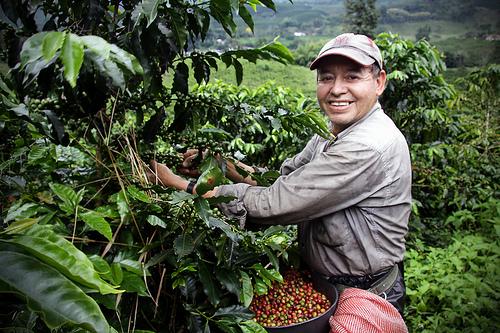
Is Bali Indonesia a Robusta or Arabica species? Tin card or bourbon?
Coffee has more than 100 coffee varieties, the more common coffee are: Arabica Arabica, outstanding personality, unique flavor, is the main boutique coffee, mainly used for coffee shop operations and high-end coffee market supply; Robusta Robusta, flavor rough, high caffeine content, not a boutique coffee, often used for instant coffee processing and Italian coffee mixed beans. Ethiopia Typi
2016-04-22 Indonesia Bali Robbs Booth or Rabbi Cajun Pickup Bourbon
An introduction to the Manor of Arabica Bean Price producing area characteristics and Flavor description in Yunnan
Coffee made from Yunnan coffee beans Arabica beans is of higher quality and tastes different than other commercially grown coffee varieties (such as Robusta), and the coffee contains less caffeine. The traditional processing method is to harvest coffee berries manually, peel them on the same day, and use manually selected coffee beans to be ground and boiled after baking. With fresh milk, it won't make
2016-10-21 Yunnan Rabbi Kadou Price Origin characteristics Flavor description treatment Manor