“forest” search results (6752)

Ethiopian Coffee Manor Flavor description Grinding characteristics introduction to the taste price of varieties in producing areas
Ethiopian coffee beans grow in close to the natural environment, after years of planting under the same growth conditions, Ethiopian coffee beans have gradually adapted to the environment here. More than 60% of coffee beans are grown in forests or semi-forests. Large-scale coffee-growing villages account for about 35% of the country's total coffee production. Many of these are used.
2016-10-10 Ethiopia Coffee Manor Flavor description Grinding characteristics varieties producing areas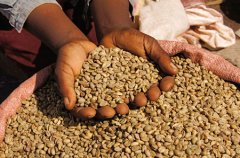
Ethiopian boutique coffee introduces Ethiopian boutique coffee to grow African Arabica coffee
Ethiopia is one of the major producers of Arabica coffee in Africa, producing the best Arabian coffee in the world. It is said that coffee was first discovered by shepherds in Essekafa, and the name of coffee evolved from Kafa, so Essex is still the hometown of coffee. The geographical environment of coffee production and processing is very suitable for coffee growth. Coffee is mainly cultivated.
2016-03-22 Ethiopia boutique coffee introduction cultivation Africa Arabia
Ethiopia Coffee Bean Flavor Manor introduces Ethiopian boutique coffee beans
Ethiopian coffee beans grow in close to the natural environment, after years of planting under the same growth conditions, Ethiopian coffee beans have gradually adapted to the environment here. More than 60% of coffee beans are grown in forests or semi-forests. Large-scale coffee-growing villages account for about 35% of the country's total coffee production. Many of these are used.
2016-07-21 Ethiopia coffee beans flavor taste manor introduction boutique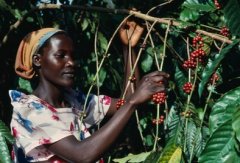
Coffee plants originated from the forests of the Ethiopian plateau
Coffee plants originated from the forests of the Ethiopian plateau. It is believed that the first coffee plant appeared in undeveloped human areas (places similar to the pronunciation of caffee), where coffee got its name. A popular legend tells the story of a shepherd named Kaldi. One day, he found that his goats were very excited. They were energetic and mischievously chasing each other.
2015-09-09 Coffee plants origin from Ethiopia plateau forest coffee
Coffee producing and growing areas in Ethiopia
Ethiopian coffee beans grow in close to the natural environment, after years of planting under the same growth conditions, Ethiopian coffee beans have gradually adapted to the environment here. More than 60% of coffee beans are grown in forests or semi-forests. Large-scale coffee-growing villages account for about 35% of the country's total coffee production. Many of these are used.
2016-06-14 Ethiopia coffee producing area planting region coffee beans growing in
Fairy tale factory in the depths of Bunny Drop cement forest
The members who work in Bunny Drop have a long history, including international award-winning baristas and bakers, as well as famous western food chefs living in seclusion. This group of slightly perfectionist people have contributed to the rich and colorful delicacies here. Although they have been using specially prepared beans to make hand-brewed coffee at the beginning of the business, they have recently bought a roaster for coffee.
2016-06-24 Bunny Drop cement forest depths fairy tales factories Bunn
High quality Coffee production and sales of Coffee from Ethiopia Coffee
Ethiopian coffee beans grow in close to the natural environment, after years of planting under the same growth conditions, Ethiopian coffee beans have gradually adapted to the environment here. More than 60% of coffee beans are grown in forests or semi-forests. Large-scale coffee-growing villages account for about 35% of the country's total coffee production. Many of these are used.
2016-07-06 High quality coffee Ethiopia producing country production situation sales volume introduction boutique
Introduction to Coffee Culture and Flavor in Ethiopia
Sustainable coffee culture Ethiopian coffee beans grow in close to the natural environment, after years of planting under the same growth conditions, Ethiopian coffee beans have gradually adapted to the environment here. More than 60% of coffee beans are grown in forests or semi-forests. The villages that grow coffee in large areas account for about the total amount of coffee produced in the country.
2016-05-31 Ethiopia coffee culture flavor introduction sustainable development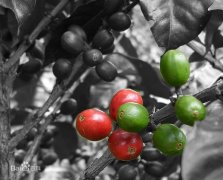
Djimmah is medium in texture and rugged with earthy Ethiopian boutique coffee beans.
The coffee-producing region of Ethiopia is divided into east and west parts by the East African Rift Valley, with lakes, volcanoes, lowlands, plateaus and woodlands interlaced, each evolving. Ethiopia has the most diverse coffee ecosystem in the world (forest coffee, semi-forest coffee, pastoral coffee and plantation coffee), which also preserves its rich Arabica genes. The eastern half is mostly plateaus, coffee beans.
2016-07-04 Gemma Djimmah texture medium rough rustic Ethel Searle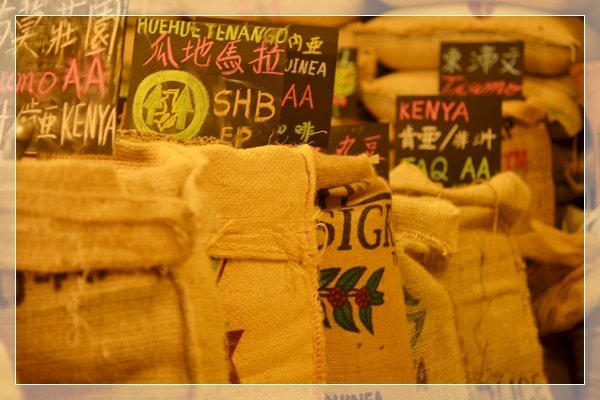
Ethiopia-Ghimbi, Sidamo, Harar and Yegashefi
Ethiopia's coffee-producing areas are divided into east and west parts by the Great Rift Valley. Lakes, volcanoes, lowlands, plateaus and woodlands alternate and evolve independently. Ethiopia has the most diverse coffee ecosystem in the world (forest coffee, semi-forest coffee, pastoral coffee and plantation coffee), which also allows it to preserve its rich Arabica genes. The eastern half is mostly plateau, coffee beans
2016-04-18 Essel Serre Biya Region Manor Kimbi Ghimbi Hilda Ha
Ethiopian Coffee Manor Ted Manor Ethiopian Coffee producing area
Ethiopian coffee beans grow in close to the natural environment, after years of planting under the same growth conditions, Ethiopian coffee beans have gradually adapted to the environment here. More than 60% of coffee beans are grown in forests or semi-forests. Large-scale coffee-growing villages account for about 35% of the country's total coffee production. Many of these are used.
2016-07-27 Ethiopia Coffee Manor Ted producing area Coffee beans growing in
Ethiopian Coffee Bean Flavor Manor introduces Ethiopian Coffee Brands
Ethiopian coffee beans grow in close to the natural environment, after years of planting under the same growth conditions, Ethiopian coffee beans have gradually adapted to the environment here. More than 60% of coffee beans are grown in forests or semi-forests. Large-scale coffee-growing villages account for about 35% of the country's total coffee production. Many of these are used.
2016-07-16 Ethiopia coffee beans flavor taste manor producing area introduction coffee brand
Introduction of Ethiopian Coffee producing areas with unique Natural conditions
Ethiopian coffee beans grow in close to the natural environment, after years of planting under the same growth conditions, Ethiopian coffee beans have gradually adapted to the environment here. More than 60% of coffee beans are grown in forests or semi-forests. Large-scale coffee-growing villages account for about 35% of the country's total coffee production. Many of these are used.
2016-06-21 Youde Tiandu thick Natural conditions Ethiopia Coffee producing areas introduction
Ethiopian Fine Coffee Flavor characteristics of Ethiopian Coffee Yega Chefe Coffee
Ethiopian coffee beans grow in close to the natural environment, after years of planting under the same growth conditions, Ethiopian coffee beans have gradually adapted to the environment here. More than 60% of coffee beans are grown in forests or semi-forests. Large-scale coffee-growing villages account for about 35% of the country's total coffee production. Many of these are used.
2015-11-26 Ethiopia boutique coffee flavor characteristics Yega Sheffield
Taste characteristics of Ethiopian Coffee Flavor description treatment
Ethiopia's geographical environment is very suitable for coffee growth. Coffee is mainly grown in the southern highlands between 1100 and 2300 meters above sea level. The main coffee producing areas are Harar, Limu, Djimma, Sidamo, Kaffa, Yergacheffe and Wellega. The soil drainage in these areas is good.
2016-10-07 Ethiopia coffee flavor description processing taste characteristics varieties producing areas
Special introduction to the producing area of Jamaica Blue Mountain Coffee with balanced Acid, Glycol and Alcohol flavors.
Blue Mountain belongs to the mid-subtropical monsoon humid climate region, with sufficient light, abundant rainfall and long frost-free period, with an annual average temperature of 17.8 ℃. The complex geology and geomorphology, fertile soil and warm and humid climate endow the blue mountains with beautiful scenery and rich natural resources. Blue Mountain is located at the eastern foot of Jiuyi Mountain, and its topography inclines from southwest to northeast. The mountains, hills, hills and flat areas are interlaced with each other.
2016-08-16 Flavor balance Jamaica Blue Mountain Coffee Taste Manor producing area introduction
The Origin of Arabica Coffee beans in Africa an introduction to the Flavor characteristics of boutique Coffee Bean producing areas in Ethiopia
Ethiopia is one of the major producers of Arabica coffee in Africa, producing the best Arabian coffee in the world. It is said that coffee was first discovered by shepherds in Essekafa, and the name of coffee evolved from Kafa, so Essex is still the hometown of coffee. The production and processing of coffee in Ethiopia
2022-07-27 Africa Arabia coffee Ethiopia boutique coffee beans latest introduction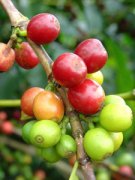
Harald (Harar) Berry delightfully fermented mixed flavors in the Eastern Highlands of Ethiopia
The coffee-producing region of Ethiopia is divided into east and west parts by the East African Rift Valley, with lakes, volcanoes, lowlands, plateaus and woodlands interlaced, each evolving. Ethiopia has the most diverse coffee ecosystem in the world (forest coffee, semi-forest coffee, pastoral coffee and plantation coffee), which also preserves its rich Arabica genes. The eastern half is mostly plateaus, coffee beans.
2016-07-04 Harald Rahl Harar berries delightful fermented fragrant Essel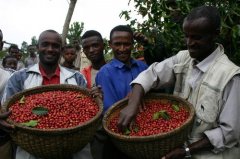
Jasmine tea, which is preferred by Ghimbi growers as a composite bean material, is fragrant and bitter
Ethiopia's coffee-producing areas are divided into east and west parts by the Great Rift Valley. Lakes, volcanoes, lowlands, plateaus and woodlands alternate and evolve independently. Ethiopia has the most diverse coffee ecosystem in the world (forest coffee, semi-forest coffee, pastoral coffee and plantation coffee), which also allows it to preserve its rich Arabica genes. The eastern half is mostly plateau, coffee beans
2016-07-04 Kimbi Ghimbi Breeders Likes As Composite Material Jasmine Tea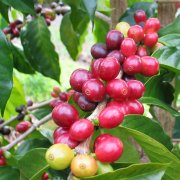
Chinese Coffee the Legend of Coffee in Zhukula Village, Dali, Yunnan Province
When it comes to the history of Chinese coffee, we have to mention Yunnan Dali Zhukula Coffee, which plays a vital role in the history of Chinese coffee. The ancient coffee forest in Zhukula Village is a unique variety of small-grain coffee in Yunnan. It is very rare and of excellent quality. It can be called a living fossil of Chinese coffee. In today's program, we will explore the century-old coffee legend of Zhukula Village. Zhu
2016-06-12 China Coffee Yunnan Dali Zhu Kula Centennial Legend speaking of China