“Djimmah” search results (579)
Djimmah accounts for about 50% of Ethiopia's annual output (1000000bags/60kg).
Djimmah, which accounts for about 50 per cent of Ethiopia's annual output (1000000bags/60kg), grows between 4400 and 6000 feet above sea level in the southwestern highlands of the country (the border between Kaffa and Illubabor provinces) and is usually exported by G5/G4. However, in recent years, about 10% or 20% of Gima has been used to make up for the lack of taste of coffee, but its quality has gradually declined.
2016-05-09 Gima Djimmah this annual output 50% of Ethiopia.
Djimmah is medium in texture and rugged with earthy coffee flavor.
Boutique coffee (specialty coffee) is also called specialty coffee selection coffee. It refers to coffee made from a small number of raw beans with excellent taste grown in an ideal geographical environment. Depending on the special soil and climatic conditions in which they grow, they have outstanding flavor. After strict selection and classification, this kind of coffee is hard in texture, rich in taste and stylish.
2016-06-19 Gima Djimmah texture medium rough earthy coffee flavor essence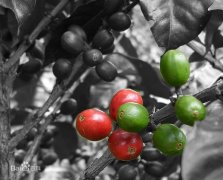
Djimmah is medium in texture and rugged with earthy Ethiopian boutique coffee beans.
The coffee-producing region of Ethiopia is divided into east and west parts by the East African Rift Valley, with lakes, volcanoes, lowlands, plateaus and woodlands interlaced, each evolving. Ethiopia has the most diverse coffee ecosystem in the world (forest coffee, semi-forest coffee, pastoral coffee and plantation coffee), which also preserves its rich Arabica genes. The eastern half is mostly plateaus, coffee beans.
2016-07-04 Gemma Djimmah texture medium rough rustic Ethel Searle
Djimmah producing area Ethiopian boutique coffee beans African flavor coffee
Yega Chefe and Sidamo, which are famous for their bright sour taste, are famous for their charming and mixed fragrance, while the western half of the forest is covered with a large area of primeval forest, mostly in the process of complete natural evolution, creating a more complex variety of coffee. The coffee varieties in the Kafa forest in the southwest are extremely resistant to disease. Due to natural evolution and less manual screening, its overall flavor is slightly lower than that of the eastern half of the wall. The coffee producing areas of Ethiopia are
2016-07-15 Gemma Djimmah producing area Ethel Searle Biya boutique coffee beans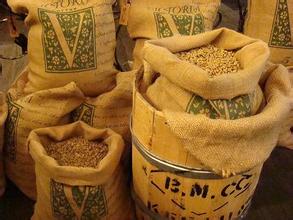
Djimmah, an Ethiopian coffee producing area, follows the ancient method to take the sun treatment class.
The coffee-producing region of Ethiopia is divided into east and west parts by the East African Rift Valley, with lakes, volcanoes, lowlands, plateaus and woodlands interlaced, each evolving. Ethiopia has the most diverse coffee ecosystem in the world (forest coffee, semi-forest coffee, pastoral coffee and plantation coffee), which also preserves its rich Arabica genes. The eastern half is mostly plateaus, coffee beans.
2016-04-18 Ethiopia Coffee producing area Gima Djimmah follow the Ancient method
Ethiopia Gemma jimma (djimmah Gima)
Ethiopia (Ethiopia) famous coffee:: Yirgacheffe (Yirgacheffe), Harald (Harrar), Sidamo sidamo; and Djimmah (Djimmah) are also good, taste balanced, is an affordable African mocha beans. Forest coffee, which grows in the natural environment and shaded by natural forest trees, has sufficient plant change mechanism to resist diseases and insect pests.
2014-09-16 Ethiopia Gemma boutique coffee beans
African producing countries
1. Ethiopian Ethiopia Ethiopian coffee is neither strong nor irritating. It is produced in Harald (Harrar), Yega Xuefei (Yirgacheffe), Sidamo (Sidamo), Limu (Limu), Djimmah (Djimmah), Lekempti (Kepa), Kapa and other places. Among them, Harald Coffee is the representative of Ethiopian Coffee.
2014-08-08 Coffee knowledge African producing countries Coffee Encyclopedia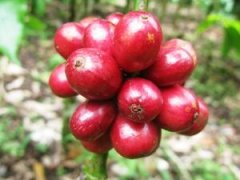
World coffee producing countries introduce African producing countries
African producing countries 1. Ethiopia Ethiopia Ethiopian coffee is neither strong nor irritating. It is produced in Harald (Harrar), Yega Xuefei (Yirgacheffe), Sidamo (Sidamo), Limu (Limu), Djimmah (Djimmah), Lekempti (Kepa), Kapa and other places. Among them, Harald coffee is the substitute of Ethiopian coffee.
2015-04-23 World Coffee producer introduction Africa Ethiopia E
14-3 African producers introduced by the world coffee producers
African producing countries 1. Ethiopia Ethiopia Ethiopian coffee is neither strong nor irritating. It is produced in Harald (Harrar), Yega Xuefei (Yirgacheffe), Sidamo (Sidamo), Limu (Limu), Djimmah (Djimmah), Lekempti (Kepa), Kapa and other places. Among them, Harald coffee is the substitute of Ethiopian coffee.
2014-08-29 World coffee producing countries African producing countries
African producers introduced by coffee producers in the world
African producing countries 1. Ethiopia Ethiopia Ethiopian coffee is neither strong nor irritating. It is produced in Harald (Harrar), Yega Xuefei (Yirgacheffe), Sidamo (Sidamo), Limu (Limu), Djimmah (Djimmah), Lekempti (Kepa), Kapa and other places. Among them, Harald coffee is the substitute of Ethiopian coffee.
2015-10-19 World Coffee producer introduction Africa Ethiopia E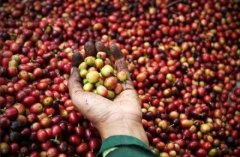
Introduction to the producing area of fine coffee beans in African producing countries
1. Ethiopian Ethiopia Ethiopian coffee is neither strong nor irritating. It is produced in Harald (Harrar), Yega Xuefei (Yirgacheffe), Sidamo (Sidamo), Limu (Limu), Djimmah (Djimmah), Lekempti (Kepa), Kapa and other places. Among them, Harald Coffee is the representative of Ethiopian Coffee.
2015-01-19 Boutique coffee beans Africa producing country origin introduction Ethiopia Ethi
Coffee producing countries in the world introduce coffee bean producing countries in Africa
African producing countries 1. Ethiopia Ethiopia Ethiopian coffee is neither strong nor irritating. It is produced in Harald (Harrar), Yega Xuefei (Yirgacheffe), Sidamo (Sidamo), Limu (Limu), Djimmah (Djimmah), Lekempti (Kepa), Kapa and other places. Among them, Harald coffee is the substitute of Ethiopian coffee.
2015-01-29 World Coffee producer introduction Africa Coffee beans Ethiopia
World Fine Coffee Producers African Producers
Ethiopia Ethiopian coffee aroma is neither strong nor irritating. It produces in Harrar, Yirgacheffe, Sidamo, Limu, Djimmah, Lekempti and Kapa. Harar coffee is the successor to Ethiopian coffee.
2014-10-29 Coffee Knowledge Specialty Coffee Coffee Producing Countries African Producing Countries
[coffee beans] classification of Ethiopian coffee
Ethiopia jimma (djimmah Gima) Ethiopia (Ethiopia) famous coffee: Yirgacheffe, Harald, sidamo; and Djimmah are also good and balanced. It is an affordable African mocha forest coffee that grows in the natural environment and under the shade of natural forest trees.
2014-09-18 Ethiopian Coffee Gemma jimma Yega Sheffield Sidamo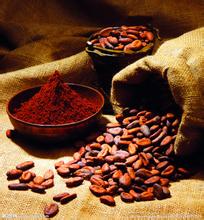
Brazilian coffee beans Santos Ethiopia Jimamoca coffee beans
Brazilian raw coffee beans are classified into 7 grades of N0.2No.8 according to the number of defective beans and sundries. The smaller the number, the higher the grade, and No.2 is the highest grade. According to the size of the particles, it is divided into 9 grades of S12S20, the larger the number, the bigger the particles, the higher the grade. S20 is the largest particle. Brazilian coffee generally refers to coffee produced in Brazil. There are many kinds of coffee in Brazil, such as
2016-06-08 Brazil coffee beans Tos Ethel Searle Biya Gemma mocha coffee
Ethiopian coffee beans Brazilian coffee beans
Brazilian raw coffee beans are classified into 7 grades of N0.2No.8 according to the number of defective beans and sundries. The smaller the number, the higher the grade, and No.2 is the highest grade. According to the size of the particles, it is divided into 9 grades of S12S20, the larger the number, the bigger the particles, the higher the grade. S20 is the largest particle. Brazilian coffee generally refers to coffee produced in Brazil. There are many kinds of coffee in Brazil, such as
2016-06-05 Ethel Searle Biya coffee beans Brazil grades classification
African producers introduced by coffee producers in the world
African producing countries
2014-06-06 Coffee culture African coffee production coffee producing countries
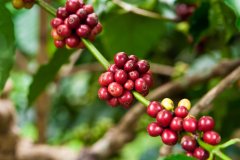
Gima Coffee Farm famous Coffee Farm
Boutique coffee has a rich and beautiful taste. Even if the coffee made of boutique coffee beans is not all fine coffee, it depends on whether it gives full play to the characteristics of coffee beans, whether it has a good taste, if not, it can not be called boutique coffee. Djimmah accounts for about 50% of Ethiopia's annual output (1000000bags/60kg).
2016-05-26 Gemma coffee planting manor famous boutique rich good taste
Well-known coffee brands introduce the capacity of standard lattes
Burundi: Ngozi Angola: Ambriz, Amborm, Novo Redondo Zimbabwe: Chipinge Mozambique: Manyika (Manica) Ethiopia: Yirgacheffe, Harrar, Djimmah, Sidamo
2016-06-06 Well-known coffee brand introduction standard latte cup capacity Burundi Engo N