“Traditional” search results (10194)

Bitter coffee (traditional Chinese painting)
Bitter coffee (traditional Chinese painting) by Wang Yingsheng
2014-05-16 Bitter coffee
Coffee training equipment: subverting the traditional coffee machine
The coffee machine, called ScanomatTopBrewer, not only subverts the design of traditional coffee-combining the concept of an ordinary coffee maker with a simple and breathtaking sculpture design, but also with the technology of an iPhone/iPad control system.
2014-06-03 Coffee supplies creative coffee machine specialty coffee machine
Traditional cappuccino tastes different
At the beginning of the 20th century, Italian Archibucha invented steam pressure coffee machine, but also developed cappuccino coffee. Cappuccino is an Italian coffee that is blended with equal amounts of espresso and steam foam milk. I love cappuccino alone, not only because of its taste, but also because of its beauty. After the coffee maker skillfully pulls flowers and then carves cappuccino,
2015-03-10 traditional card buccino coffee drink out different taste 20th century early
Characteristics and attributes of coffee in Guatemala traditional Atitlan
Atitlan is one of the five largest volcanic coffee producing areas in Guatemala, and its soil organic matter is the most abundant among the five volcanic coffee producing areas. 90% of the traditional Atilan coffee is grown on the violent volcanic slopes of Lake Attila, where the daily breeze stirs the lake, which is an important factor affecting the microclimate of the region. The area has accumulated excellent planting and processing techniques for a long time.
2015-04-11 Guatemala producing area coffee characteristics attributes tradition Artie Teran special
Yvlik-traditional Shierchi coffee
Fifth, Evelick-traditional Shierchi coffee [characteristics] the flow of Shiki coffee, steel called Evelick coffee utensils with long handles. [focus on extraction] cook three times, avoid the fire before boiling, and add a small amount of water. [program] 1. Prepare deep-roasted coffee beans (about 5 grams per person) and grind them into powder in a milk bowl or (mill). two。 Coffee according to the number of people needed
2015-05-27 Eve Lick -tradition taxi ear coffee -
Non-traditional design hourglass coffee machine
Now see this hourglass coffee machine, is different from the traditional coffee machine design coffee machine. It requires that the ground coffee beans must be soaked in water for 12 hours before there is a delicious coffee to drink. Do you think this process is quite a long time? But you should know that such a long wait is good, so that the brewed coffee can effectively reduce acidity and reduce the thorn in the stomach.
2015-07-09 Unconventional design hourglass coffee machine now see this coffee machine.
Traditional design of non-coffee machine: hourglass coffee machine
Now see this hourglass coffee machine, is different from the traditional coffee machine design coffee machine. It requires that the ground coffee beans must be soaked in water for 12 hours before there is a delicious coffee to drink. Do you think this process is quite a long time? But you should know that such a long wait is good, so that the brewed coffee can effectively reduce acidity and reduce the thorn in the stomach.
2015-09-23 Coffee machine tradition design hourglass now see this coffee machine have
The traditional Japanese Matsuya brewing method of the Lutian Coffee Research Society.
Lutianjia Coffee Institute address: Shanghai Huangpu District 88 Jiangyin Road 88 No. 33 1F business hours: please make an appointment in advance, 18616019635, preferably a week in advance, Lutianjia coffee is personally selected and baked by Mr. Nakajima. Every cup of coffee contains Mr. Nakajima's attitude towards life. Here you can drink hand-brewed coffee in the traditional Japanese Matsuya style.
2016-07-22 Tian Family Coffee study Japan tradition Matsuya brewing Tian Jia
Hiding a traditional coffee pot, Kuwait Cafe.
Long before coffee became popular in Europe, it was actually a social drink in the Arab world. Coffee originated from the Arabic Qahwa, and in the 17th century, the cultivation and production of coffee was monopolized by Arabs. Even today, you can still feel the strong local characteristics of drinking coffee in Arab countries. Coffee itself gives off the flavor of spices, and you have to follow specific procedures when drinking coffee.
2016-05-06 A traditional coffee pot Kuwait cafe early in coffee this kind of drink
Experience the coffee characteristics of traditional Greek coffee countries.
I recently went on vacation to RODOS, which is closest to Turkey in Greece, which is a small island with a strong European flavor. In addition to the ancient medieval castles, Knights Street and the charming Butterfly Valley, I was attracted by a traditional coffee. I stayed in a three-star hotel called AGLA HOTEL. Although the hotel was not big, it had a big breakfast. The waiter brought me a pot of coffee or English red.
2015-10-24 Experience Greece tradition Coffee countries characteristics recent closest Turkey
Traditional Chinese medicine talks about coffee and sees how to feel the pulse of coffee.
Coffee is an imported product, when Western culture collides with traditional Chinese medicine culture, let's see how traditional Chinese medicine feels the pulse of coffee! The coffee bean is taken from the fruit of the coffee tree. It is red and red in color, enters the heart, is bitter, and merges into the path of the large intestine. The taste is bitter and bitter, fried and scorched. Glycol has the effect of nourishing and relieving pain, relieving pain, diverging pungent flavor, passing through the brain-blood barrier and treating surface wind and heat.
2015-03-05 Traditional Chinese medicine coffee how feel the pulse
Traditional Turkish coffee
Old-fashioned traditional coffee from Turkey. It is said that in Turkey, there is a habit of fortune-telling in coffee. After drinking coffee, the coffee grounds deposited at the bottom of the cup are covered on a plate to predict the fate of the day according to the appearance formed on it.
2014-08-13 Coffee knowledge Turkish Coffee Coffee Encyclopedia
The most traditional processing method of coffee beans
Drying is used for unwashed coffee beans. Wet treatment is used for thoroughly washed or semi-washed coffee beans. Except for the more common use of drying in Brazil and Ethiopia, most Arabica coffee beans are processed by wet treatment. In Indonesia, some Robart coffee beans are processed by wet treatment, but this is not common there. Drying method
2015-01-28 Coffee beans processed dried traditional manufactured used unwashed coffee
Drying is the most traditional processing method of coffee beans.
Drying is used for unwashed coffee beans. Wet treatment is used for thoroughly washed or semi-washed coffee beans. Except for the more common use of drying in Brazil and Ethiopia, most Arabica coffee beans are processed by wet treatment. In Indonesia, some Robart coffee beans are processed by wet treatment, but this is not common there. Drying method
2015-03-24 Dried coffee beans traditional construction drying for unwashed place
Drying is the most traditional method of processing coffee beans
Drying is used on unwashed coffee beans. Wet processing is used on thoroughly washed or semi-washed coffee beans. Most arabica beans are processed wet, except for drying, which is more common in brazil and ethiopia. In Indonesia, some Robert beans are wet processed, but this is not common locally. drying method
2015-11-05 drying traditional coffee beans method for unwashed conditioning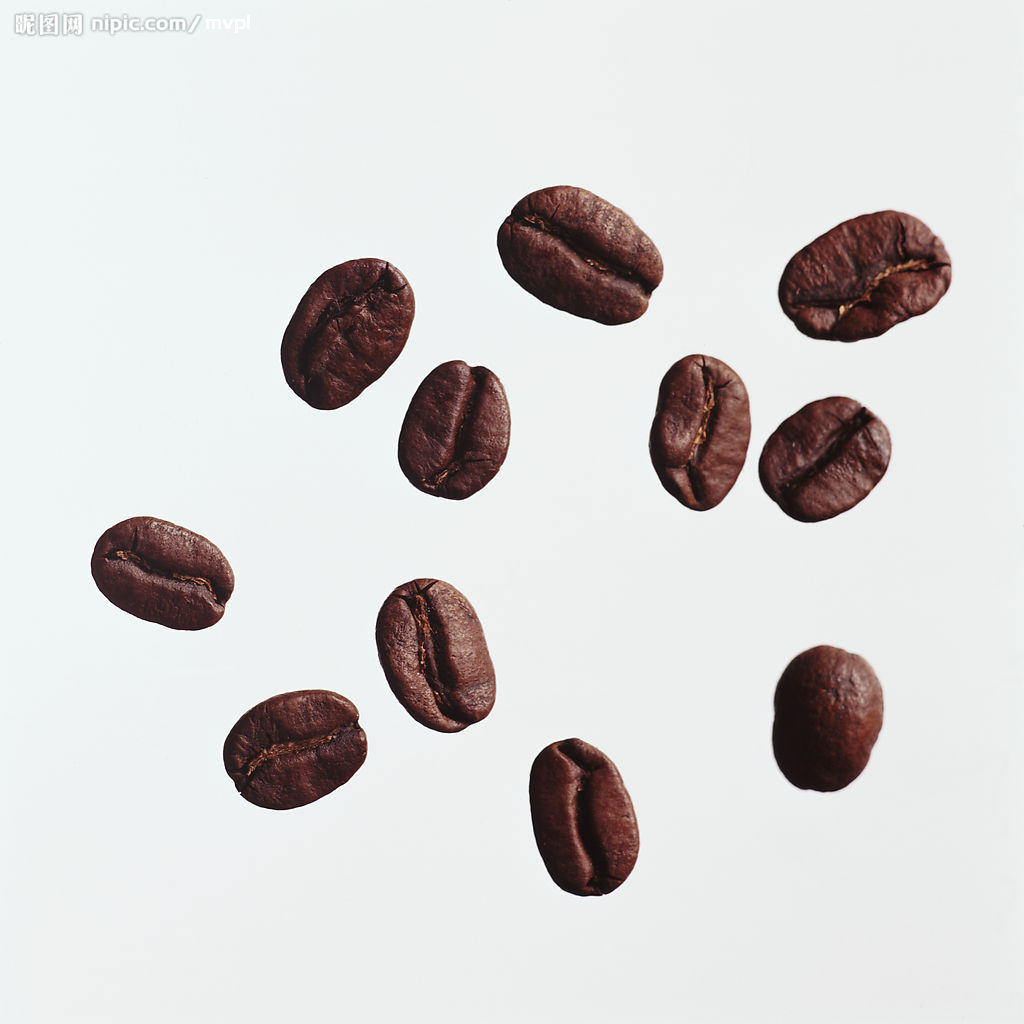
The most expensive roaster is smokeless and tasteless to roast Italian coffee beans.
The owner of Ron Kleist from the United States, the new roaster loring, was passing through Beijing and had a close communication with Chinese coffee lovers. There were many friends and some familiar faces in the coffee industry. Mr. Ron Kleist introduced the basic principle of Loring roaster and its great difference from traditional roaster. [Ron Kl on the spot
2016-07-14 Expensive roaster smokeless tasteless baking Italian matching coffee beans from beautiful
The most traditional drying method of coffee bean processing
Drying is used for unwashed coffee beans. Wet treatment is used for thoroughly washed or semi-washed coffee beans. Except for the more common use of drying in Brazil and Ethiopia, most Arabica coffee beans are processed by wet treatment. In Indonesia, some Robart coffee beans are processed by wet treatment, but this is not common there. Drying method
2014-12-17 Traditional coffee beans construction drying for unwashed place
Traditional Coffee Culture in Singapore and Hainan people
The development of coffee in Singapore is closely related to the immigrants from Hainan. Early Hainan people came to Singapore by sea, because the highly profitable business opportunities such as trade were occupied by Fujian and Chaozhou people who emigrated earlier. In order to survive, many Hainan people worked as stewards or housekeepers in foreign families and learned the skills of pastry and coffee making in the West, so when he wanted to stand on his own feet.
2014-08-27 Coffee culture Singapore coffee culture Hainan coffee culture
About the treatment method: W2, H2, N2, traditional raw bean treatment, Ninety Plus.
Ninety Plus thought that coffee itself is a kind of fruit, so he made his own exclusive treatment according to taste (W2), (H2), and (N2). When you understand traditional coffee processing, you will find that a small amount of adjustment can blur the distinction between them. For example, a little water washing can be added at different stages of the densification process to achieve a lighter and brighter washing taste; after controlling the fruit
2016-07-07 About treatment way tradition raw beans Ninety Plus Nin
Coffee basics Common sense Blue Mountain coffee making process Traditional
Blue Mountain Coffee can maintain today's premium status, but also inseparable from the local business policy. In 1932, Jamaica adopted a policy to encourage coffee production, reducing the island's dependence on sugar exports. The local government did not plant a large number of high-quality coffee in order to increase production value, as most coffee-producing countries did. Instead, it preferred to sacrifice coffee production for quality.
2014-12-18 coffee basics common sense blue mountain making craft traditional able