“Sun-baked beans” search results (130)
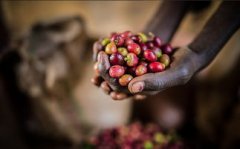

The method of coffee grading in Ethiopia basic knowledge of coffee
Hara is the most important sun bean producing area in Ethiopia. Hara sun beans are low-key but have fermented blueberry wine and unpredictable aromas. Long rice (long berry) Halamoka is called (Boldgrain) the highest grade in Haramoka after the second manual screening. (1. Short berry 2. Long berry 3.Boldgrain) Ethiopian coffee
2015-05-14 Ethiopia coffee grading methods basics common sense Hara producing areas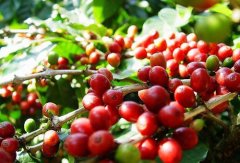
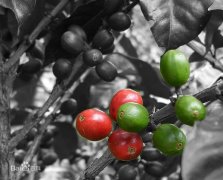
Ethiopian Coffee characteristic Gima Coffee Sidamo Coffee African boutique Coffee beans sour Coffee
The natural characteristics of coffee beans include large coffee beans.
2016-07-12 Ethiopia coffee specialty Gemma Dharma Africa boutique coffee beans will be sour
Coffee production and processing in Ethiopia introduces how to debug the coffee grinder
The natural characteristics of coffee beans include large coffee beans.
2016-06-07 Ethiopia coffee production processing introduction bean grinder how debugging
Introduction of six kinds of world-famous Ethiopian coffee beans
1. Limu coffee grows between 1400 meters and 2000 meters above sea level. Wash the coffee. Excellent quality, with strong nut aromas, suitable acidity, with the intensity of wine. The annual output is 29000 tons. 2. Jima Coffee grows between 1400 and 1800 meters above sea level. Sun-baked coffee. Slightly sour, with nutty aromas and a long finish. The annual output is 70000 tons. 3. Growth of Gamby Coffee
2015-10-14 Six kinds World famous Ethiopia Coffee introduction Coffee Bean recommendation Lim
World-famous Ethiopian coffee bean variety Kenyan flavor Sidamo flavor
The world-famous Ethiopian coffee mainly includes: 1. Limu coffee grows between 1400 meters and 2000 meters above sea level. washed coffee. Excellent quality, with intense nutty aromas, moderate acidity and wine intensity. Annual production of 29,000 tons. Gima coffee grows between 1400 and 1800 meters above sea level. Sunburn coffee. Slightly sour, nutty and long finish. annual output of
2016-04-22 world famous ethiel bia coffee beans varieties kenya flavor da
The method of taking beans from the processing of Coffee beans
Tanning is a traditional method for the initial processing of coffee beans, and at present, almost all coffee-growing countries such as Ethiopia and Yemen still use solarization to treat raw beans. Sun treatment will first identify sunken beans in the sink, that is, ripe or half-ripe beans are spread in the drying farm for natural drying. The specific time depends on the local climatic conditions, which usually takes two to four weeks.
2015-03-16 Coffee beans processing extraction methods solarization treatment tradition coffee beans beginning
The method of taking beans in the sun for the first processing
Tanning is a traditional method for the initial processing of coffee beans, and at present, almost all coffee-growing countries such as Ethiopia and Yemen still use solarization to treat raw beans. Sun treatment will first identify sunken beans in the sink, that is, ripe or half-ripe beans are spread in the drying farm for natural drying. The specific time depends on the local climatic conditions, which usually takes two to four weeks.
2014-09-29 Primary processing of coffee beans sun treatment
Introduction to the Flavor of Bancimaji Coffee
Banchimaji Bench Maji, located in southwestern Ethiopia and not far from neighboring Sudan, is easy to find using Google map. Although the flavor of Bancimaji Gesha Estate is different from that of Panamanian Geisha, it is still worth tasting. It is rare and changeable spice and fruit flavor in Ethiopia. This manor is
2016-09-01 Benji Maggie Coffee Flavor introduction Features Bench
Explanation on the method of taking beans and Solar treatment in the Primary processing of Coffee beans
Tanning is a traditional method for the initial processing of coffee beans, and at present, almost all coffee-growing countries such as Ethiopia and Yemen still use solarization to treat raw beans. Sun treatment will first identify sunken beans in the sink, that is, ripe or half-ripe beans are spread in the drying farm for natural drying. The specific time depends on the local climatic conditions, which usually takes two to four weeks.
2014-10-09 Coffee knowledge coffee bean processing sun-cured coffee beans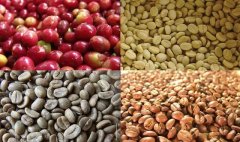
How are Ethiopian coffee beans graded?
The grading we are talking about now refers to the grading of raw beans in the country where coffee is produced. (no matter which country coffee beans are not graded) Ethiopian coffee beans are divided into five grades. The first and second stages are reserved for washing beans with water. Grade 1 represents 0-3 raw beans and Grade 2 represents 4-12 missing beans per 300g raw beans. Grade 1 (G1) grade water washed bean pole
2015-10-26 Ethiopia coffee grading coffee beans how we now discuss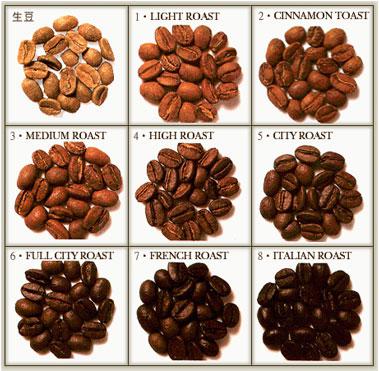
A wide variety of spices and fruit flavours Banchi Maggie coffee flavours, characteristics, taste and manor
Bench Maji, located in southwest Ethiopia, not far from neighboring Sudan, is easy to find with Google map search. Gesha Estate, Banki Magi, although different in flavor from Geisha in Panama, is still worth tasting, rare among the many sun-baked beans in Ethiopia, with its varied spice and fruit flavors.
2016-08-31 Variety Spices Fruits Flavors Banki Maggie Coffee Features Taste Zhuang
Introduction to the characteristics of flavor and taste of Yega Sherfield Coffee Manor
The traditional way of tanning in Ethiopia is rough and smelly, so it is popular.
2016-08-05 Yega Sheffield Coffee Manor producing area Flavor Taste characteristics introduction Cochi
Ethiopia Coffee Gemma Production Area
At an altitude of 1,400 to 1,800 meters, Lim continues south to reach the Gemma region. This area is the main body of Kafa Forest, specializing in bulk commercial beans, with an annual export volume of more than 60,000 to 80,000 tons, accounting for one third of Egypt's output, and is the largest production area. Gemma is a sun-baked bean, which is very common in our market. It is also called Ethiopian mocha, but its price is much lower than Harald mocha. Jimachan
2015-02-12 Coffee beans region presentation Ethiopia coffee altitude 400 800 m
Ethiopian coffee is the most popular coffee in the world.
Ethiopia is one of the major producers of arabica coffee in Africa and produces the best arabica coffee in the world. It is said that coffee was first discovered by shepherds in Ethiopia, and the name of coffee evolved from Kafa, so Ethiopia is still the hometown of coffee. The natural characteristics of Ethiopian coffee beans include large
2015-12-13 world famous ethiopia coffee latest presentation
Basic knowledge of coffee bean appearance and grading of Ethiopian coffee
The grading we are talking about now refers to the grading of raw beans in the country where coffee is produced. (no matter which country coffee beans are not graded) Ethiopian coffee beans are divided into five grades. The first and second stages are reserved for washing beans with water. Grade 1 represents 0-3 raw beans and Grade 2 represents 4-12 missing beans per 300g raw beans. Grade 1 (G1) grade water washed bean pole
2015-04-13 Coffee basics common sense Ethiopia harmony grading we now discuss
Ethiopian Yega Xuefei Fine Coffee with unique Ethiopian Flavor
Although the Ethiopian Yirgacheffe coffee is petite, it is gentle and delicate and sweet. As the hometown of coffee, thousands of years of planting history and processing tradition in Ethiopia have created high-quality washed Arabica beans. Light baking has unique sweet aromas of lemon, flowers and honey, soft acidity and citrus flavors, fresh and bright on the palate. Without
2016-03-19 Ethiopia Yega Sheffield boutique coffee flavor unique
Introduction to the characteristics of Ethiopian Yega Xuefei Coffee
Although the Ethiopian Yirgacheffe coffee is petite, it is gentle and delicate and sweet. As the hometown of coffee, thousands of years of planting history and processing tradition in Ethiopia have created high-quality washed Arabica beans. Light baking has unique sweet aromas of lemon, flowers and honey, soft acidity and citrus flavors, fresh and bright on the palate. Without
2016-03-28 Ethiopia Yega Sheffield coffee characteristics introduction flavor