“Limu” search results (750)

Introduction to the Fine Coffee Flavor Manor of Ethiopia
Ethiopian coffee beans grow in close to the natural environment, after years of planting under the same growth conditions, Ethiopian coffee beans have gradually adapted to the environment here. More than 60% of coffee beans are grown in forests or semi-forests. Large-scale coffee-growing villages account for about 35% of the country's total coffee production. Many of these are used.
2016-07-15 Ethiopia boutique coffee flavor taste manor producing area introduction
Unique aromatic Ethiopian Coffee Flavor description Grinding degree Variety characteristics of producing areas
Ethiopia's geographical environment is very suitable for coffee growth. Coffee is mainly grown in the southern highlands between 1100 and 2300 meters above sea level. The main coffee producing areas are Harar, Limu, Djimma, Sidamo, Kaffa, Yergacheffe and Wellega. The soil drainage in these areas is good.
2016-10-09 Unique fragrant Ethiopian coffee flavor description grinding variety characteristics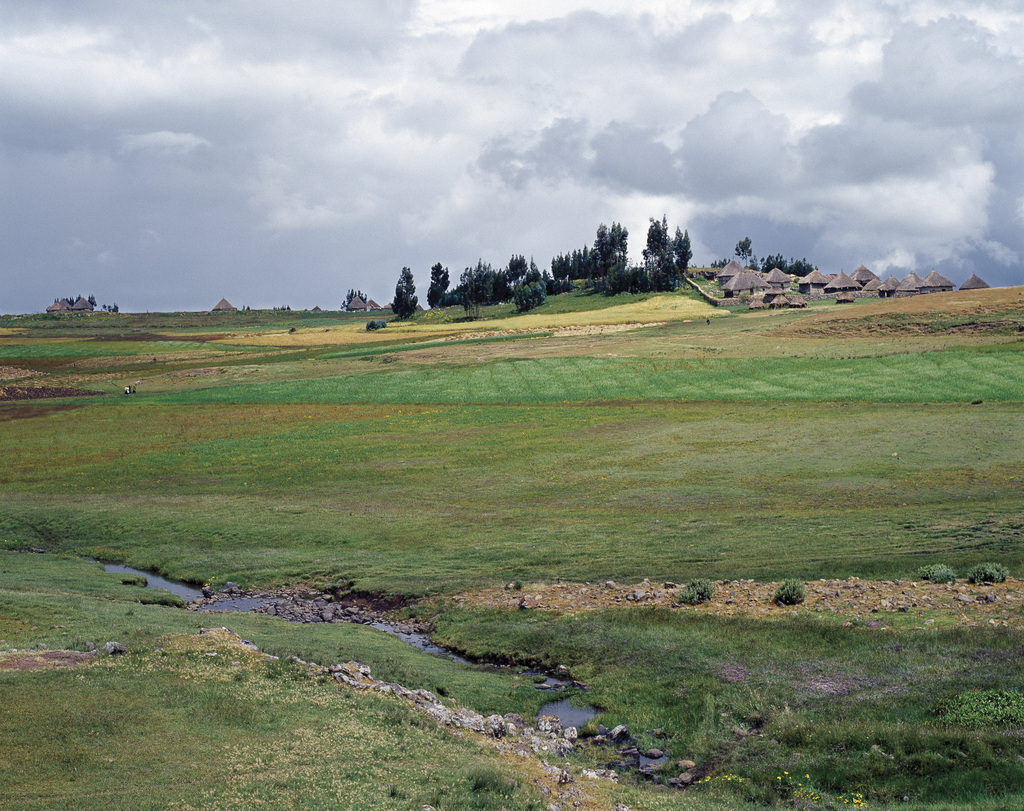
Flavor evaluation of Ethiopian coffee beans Starbucks Ethiopian varieties of coffee beans
Ethiopia is one of the major producers of Arabica coffee in Africa, producing the best Arabian coffee in the world. It is said that coffee was first discovered by shepherds in Essekafa, and the name of coffee evolved from Kafa, so Essex is still the hometown of coffee. The geographical environment of coffee production and processing is very suitable for coffee growth. Coffee is mainly cultivated.
2016-01-12 Ethiopia coffee beans buck variety flavor
Introduction to the taste description of Ethiopian coffee variety boutique coffee bean manor
Ethiopia's geographical environment is very suitable for coffee growth. Coffee is mainly grown in the southern highlands between 1100 and 2300 meters above sea level. The main coffee producing areas are Harar, Limu, Djimma, Sidamo, Kaffa, Yergacheffe and Wellega. The soil drainage in these areas is good.
2016-09-24 Ethiopia coffee variety boutique coffee beans manor producing area taste description
Coffee Bean selection course Coffee Bean Brand Type Guide Yega Fischer kochere washing G2
With the deepening of people's contact with coffee, ordinary taste can no longer meet people's needs. As a result, more and more coffee lovers will buy their own beans and go home from the beginning of grinding, blending their favorite coffee flavor step by step. The size of coffee beans
2016-04-19 Coffee beans shopping tutorials brands categories guides Yega Sheffiko Cher k
Ethiopian boutique coffee introduces Ethiopian boutique coffee to grow African Arabica coffee
Ethiopia is one of the major producers of Arabica coffee in Africa, producing the best Arabian coffee in the world. It is said that coffee was first discovered by shepherds in Essekafa, and the name of coffee evolved from Kafa, so Essex is still the hometown of coffee. The geographical environment of coffee production and processing is very suitable for coffee growth. Coffee is mainly cultivated.
2016-03-22 Ethiopia boutique coffee introduction cultivation Africa Arabia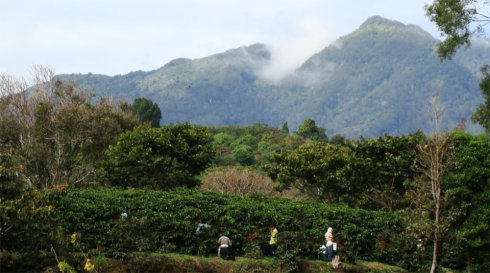
Where can I buy coffee beans online? Where to buy coffee beans? Ethiopia Yega Shefi Kocher G2
1. When buying beans online, pay attention to the production date, shelf life, packaging seal, roasting degree of coffee beans, type of coffee beans, and your utensils to determine what beans you want. If you use blue mountain beans to make ESP, it is indeed a more unconventional way, but it is also too unprofessional and expensive, and the taste is not very good. Date of manufacture must be at least
2016-04-23 Online where can I buy coffee beans where to go buy yega Sheffield Kiel k
An introduction to the characteristics of the flavor description of the citrus-flavored Sidamasha Chiso producing area in Ethiopia
Ethiopia grows coffee in different climatic zones, so it has more than 140 farm varieties, and fresh coffee is produced all the year round. The quality of Ethiopian coffee varies according to different elevations and regional ecological environment. The Harar coffee in the southeast highland is a typical Muha coffee with a strong flavor; the coffee produced in the southwest Wollega has a rich fruity flavor; Limu coffee
2016-09-26 Citrus Ethiopia Dharma Shaquiso producing area Flavor description characteristics introduction
High-quality Bolivian coffee flavor introduces Yongas, northeast of Xuemai Manor La Paz
Cup test code #: CAR-003 Bolivia's high-quality estates, very high altitude, perennial low temperature environment, so that coffee fruit growth is slow, tight enough, aroma is also charming, floral aroma is obvious, such as careful treatment, cherries with the same maturity, often have a clean and meticulous high taste, this elegant aroma of vanilla and honey is very attractive, this champion bean has a variety of floral aromas, vanilla and vanilla
2016-07-13 High quality Bolivia coffee flavor taste introduction snow vein manor la
Taste characteristics of Ethiopian Coffee Flavor description treatment
Ethiopia's geographical environment is very suitable for coffee growth. Coffee is mainly grown in the southern highlands between 1100 and 2300 meters above sea level. The main coffee producing areas are Harar, Limu, Djimma, Sidamo, Kaffa, Yergacheffe and Wellega. The soil drainage in these areas is good.
2016-10-07 Ethiopia coffee flavor description processing taste characteristics varieties producing areas
Ethiopian Coffee Boutique Flavor Manor Producing Area Taste Introduction Ethiopian Coffee Brand
1. Limu coffee grows between 1400 meters and 2000 meters above sea level. washed coffee. Excellent quality, with intense nutty aromas, moderate acidity and wine intensity. Annual production of 29,000 tons. Gima coffee grows between 1400 and 1800 meters above sea level. Sunburn coffee. Slightly sour, nutty and long finish. Annual production of 70,000 tons. 3. Gambi Coffee
2016-07-18 Ethiopia Boutique Coffee Flavor Manor Region Taste Introduction Brand
Introduction to the flavor and taste characteristics of Ethiopian coffee manor with full fruit and moderate acidity
In February 1977, Lieutenant Colonel Mengistu Haier Maryam (MENGISTU HAILE MARIAM) launched a military coup and served as Chairman of the interim military Administrative Council and head of State. In 1979, the Ethiopian Labor people's Party Organization Committee, dominated by soldiers, was established to implement an one-party system. In 1984, the Ethiopian Workers' Party was formed according to the Soviet Communist Party model. Mengistu, September 1987
2016-09-02 Fruit full pH medium Ethiopia coffee manor producing area flavor
An introduction to the taste of high-quality coffee beans in the aftertaste of Ethiopian coffee flavor manor.
A large amount of coffee production (95%) is done by small shareholders, with an average yield of 561 kg per hectare. For centuries, minority holders of Ethiopian coffee farms have been producing a variety of high-quality types of coffee. The secret of producing high-quality coffee is that coffee growers have developed environmental conditions through generations of repeated learning about the coffee planting process.
2016-09-27 Aftertaste endless Ethiopia coffee flavor manor producing area characteristics boutique
The Origin of Arabica Coffee beans in Africa an introduction to the Flavor characteristics of boutique Coffee Bean producing areas in Ethiopia
Ethiopia is one of the major producers of Arabica coffee in Africa, producing the best Arabian coffee in the world. It is said that coffee was first discovered by shepherds in Essekafa, and the name of coffee evolved from Kafa, so Essex is still the hometown of coffee. The production and processing of coffee in Ethiopia
2022-07-27 Africa Arabia coffee Ethiopia boutique coffee beans latest introduction
Introduction to the characteristics of the manor producing area of Ethiopian boutique coffee with rich flavor and aromatic taste
Ethiopian coffee beans grow in close to the natural environment, after years of planting under the same growth conditions, Ethiopian coffee beans have gradually adapted to the environment here. More than 60% of coffee beans are grown in forests or semi-forests. Large-scale coffee-growing villages account for about 35% of the country's total coffee production. Many of these are used.
2016-08-16 Taste rich fragrant Ethiopian boutique coffee variety flavor taste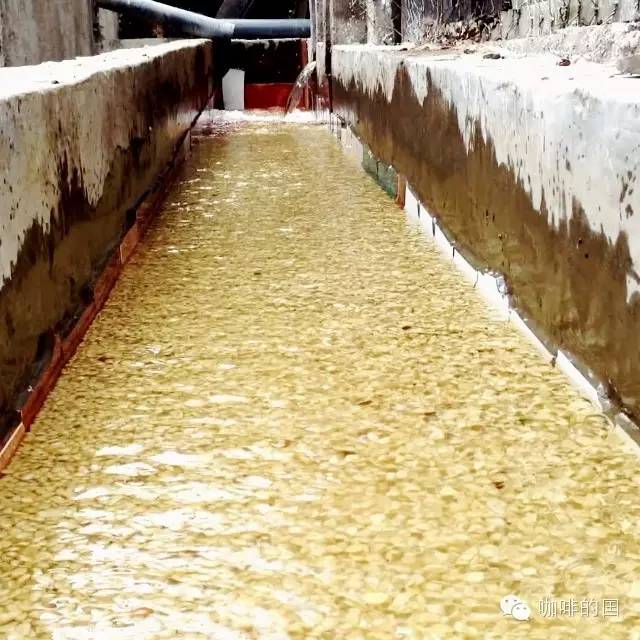
Introduction to coffee-coffee washing process simple washed coffee beans Ethiopia plus snow
What is the meaning of water washing treatment of coffee treatment the coffee beans after harvesting must enter the treatment procedure immediately, otherwise they will begin to ferment and produce a peculiar smell. There are two methods of treatment: solarization and water washing, which will cause different flavors. Sun-dried beans have a complete natural mellow taste.
2016-04-25 Coffee entry washing treatment process simple coffee beans Esso Biya Yega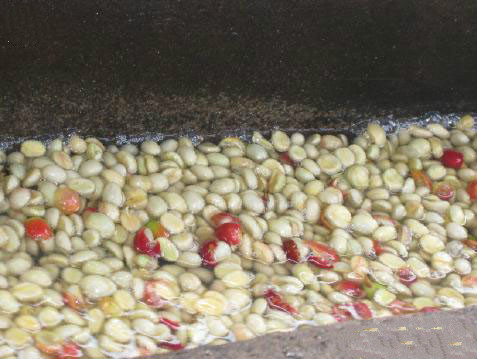
What is semi-washed Coffee beans semi-washed Coffee beans Refining semi-washed Yega Shevico
Sun drying: the sun drying method is also called natural drying because it uses natural sunlight to dry the fruits and raw beans of coffee. Due to the use of artificial and natural treatment methods in the process, the sun-cured beans look irregular and unflattering in appearance. Washing coffee bean treatment method Coffee beans harvested must immediately enter the treatment program, otherwise they will begin to ferment and make coffee
2016-04-25 What half-water washing coffee beans preparation style snow Fico sun
The flavor and taste characteristics of Ethiopian coffee manor with balanced taste and flavor.
In December 1994, the Constitution of the Federal Democratic Republic of Ethiopia was formulated. According to the Constitution, Ethiopia will implement a federal system and a parliamentary cabinet system after the general election for a term of five years. After the national election in May 1995, the Federal Democratic Republic of Ethiopia was established on August 22, and Meles became prime minister in her capacity as chairman of the majority party of the people's House of Representatives. On May 14, 2000, Ethiopia held a national meeting
2016-08-22 Taste flavor balance Ethiopia coffee manor producing area characteristics boutique
Soft acidity Ethiopian coffee estate producing area Flavor Taste characteristics Fine coffee beans Introduction
In February 1977, Lieutenant Colonel Mengistu Haile Mariam launched a military coup and served as Chairman of the Provisional Military Administrative Council and Head of State. In 1979, the Organization Committee of the Ethiopian Working People's Party, dominated by military personnel, was established to implement a one-party system. In 1984, the Ethiopian Workers 'Party was formed on the model of the Communist Party of the Soviet Union. Mengistu, September 1987
2016-08-16 acidity softness ethiopia coffee estate appellation flavor taste characteristics
Introduction to Ethiopian Coffee
Ethiopia is one of the major producers of Arabica coffee in Africa, producing the best Arabian coffee in the world.
2014-07-09 Coffee knowledge Ethiopia Coffee Encyclopedia