“Limu” search results (750)

Aromatic Ethiopian coffee growing environment Flavor Taste Introduction
Located in the most privileged natural conditions, Ethiopia produces unique high-quality coffee every year. Ethiopia's coffee growing cycle brings harvest joy to the country every year. Beautiful white coffee flowers bloom and bear fruit every year between March and April. Only the reddest and most mature fruits are selected between September and about December
2016-08-17 odor aroma richness ethiopia coffee cultivation environment region flavor
Essex Coffee's most famous boutique coffee beans introduce the common sense of coffee
1. Limu coffee grows between 1400 meters and 2000 meters above sea level. Wash the coffee. Excellent quality, with strong nut aromas, suitable acidity, with the intensity of wine. The annual output is 29000 tons. 2. Jima Coffee grows between 1400 and 1800 meters above sea level. Sun-baked coffee. Slightly sour, with nutty aromas and a long finish. The annual output is 70000 tons. 3. Growth of Gamby Coffee
2015-03-27 Essel coffee well-known boutique coffee beans introduction common sense Li wood grow in
What are the main world-famous Ethiopian coffee? Introduction to the types of coffee in Ethiopia
1. Limu coffee grows between 1400 meters and 2000 meters above sea level. Wash the coffee. Excellent quality, with strong nut aromas, suitable acidity, with the intensity of wine. The annual output is 29000 tons. 2. Jima Coffee grows between 1400 and 1800 meters above sea level. Sun-baked coffee. Slightly sour, with nutty aromas and a long finish. The annual output is 70000 tons. 3. Gamby Coffee
2016-03-28 World famous Ethiopia coffee to have what kind wood
The Prospect of Coffee Raw Bean Market
Outside the Wodessa cooperative warehouse on the outskirts of the western Ethiopian city of Kinma, farmers jostled as they watched their world-famous Arabica coffee beans put into sacks marked with a prominent bar code. These barcodes are designed to tell customers around the world where these coffee beans come from. Fekadu Dugassa, manager of the Limu Innarea Coffee Cooperative, explained
2016-06-20 Coffee raw beans market foresight Ethiopia western cities Golden Horse suburbs W
What are the world-famous Ethiopian coffee? What kind of coffee do you have in Ethiopia? Africa
The world-famous Ethiopian coffee is mainly as follows: 1. Limu coffee grows between 1400 meters and 2000 meters above sea level. Wash the coffee. Excellent quality, with strong nut aromas, suitable acidity, with the intensity of wine. The annual output is 29000 tons. 2. Jima Coffee grows between 1400 and 1800 meters above sea level. Sun-baked coffee. Slightly sour, with nutty aromas and a long finish. Annual output
2016-04-27 World famous Ethel Searle Biya Coffee which Africa
Ethiopia Coffee Bean Flavor Manor introduces Ethiopian boutique coffee beans
Ethiopian coffee beans grow in close to the natural environment, after years of planting under the same growth conditions, Ethiopian coffee beans have gradually adapted to the environment here. More than 60% of coffee beans are grown in forests or semi-forests. Large-scale coffee-growing villages account for about 35% of the country's total coffee production. Many of these are used.
2016-07-21 Ethiopia coffee beans flavor taste manor introduction boutique
For Europe and the United States, the ranking of rinsing Lim is second only to Yega Schiffe.
Limu grows in the southern western highlands of Ethiopia (border between Shewa and Sidmo provinces) east of Jima and north of West Dharma. it is preferred by most Europeans and Americans at an altitude of 3600-6200 feet. Its annual output is about 110000bags/60kg, and most of the beans are round (15/16scr). The color is green and bluish, the export is mostly G2 grade, and the taste is similar to that of Yegashev.
2016-05-09 Europe and the United States in terms of washing Lim ranking second only to Yega Chevy Li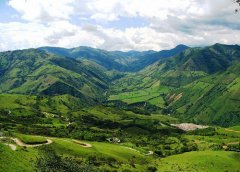
Lim has aromas of grass and black sugar, with bright acidity.
The best way to harvest high-quality coffee beans is to harvest them manually. That is, only mature coffee fruits are picked to prevent coffee fruits with inconsistent maturity from being picked at the same time. Because those unripe and overripe fruits will affect the balance and stability of coffee taste, boutique coffee needs to be picked frequently and carefully during harvest. Limu grew up in Ethiopia.
2016-05-24 Lim a stream grass aroma sour bright boutique coffee beans harvesting way
Production and processing of coffee beans
The geographical environment of Ethiopia is very suitable for coffee growth. Mocha coffee is mainly grown in the southern highlands between 1100 and 2300 meters above sea level. The main coffee producing areas are Harar, Limu, Djimma, Sidamo, Kaffa, Yergacheffe and Wellega.
2016-06-01 Coffee beans production processing Ethiopia geographical environment very suitable coffee
Introduction to Bancimaji boutique coffee beans with varied spices and fruit flavor
Production area: Banchi Magi primeval forest altitude: 1500-1700 m treatment: sun varieties: Typica, Heirloom producers: small farmers harvest centralized treatment flavor: jackfruit, spices, wine Ethiopian coffee there are mainly eight major producing areas: Ekempti, Limu, Illubabor, Djimma, Harrar, Teppi/Bebeka, Sidamo, Yirgach
2016-07-11 Variety spices fruit flavor Benji Maggie boutique coffee beans introduction
Introduction to the taste characteristics of Ethiopian coffee flavor description and grindability varieties
Ethiopia's geographical environment is very suitable for coffee growth. Coffee is mainly grown in the southern highlands between 1100 and 2300 meters above sea level. The main coffee producing areas are Harar, Limu, Djimma, Sidamo, Kaffa, Yergacheffe and Wellega. The soil drainage in these areas is good.
2016-10-12 Ethiopia coffee flavor description grinding variety producing area taste characteristics
Ethiopian Coffee Features Ethiopian Coffee Flavor Boutique Coffee
Ethiopian coffee beans grow in a near-natural environment. After years of cultivation under the same growing conditions, Ethiopian coffee beans have gradually adapted to the environment here. More than 60% of coffee beans are forest or semi-forest grown coffee. Coffee farming villages produce about 35 percent of the country's coffee. Many of these are used.
2016-07-27 Ethiopia Coffee Characteristics Flavor Boutique Coffee Bean Grown in
Ethiopian coffee species Origin of Ethiopian coffee
Saifeng coffee beans grow in close to the natural environment, after years of planting under the same growth conditions, Ethiopian coffee beans have gradually adapted to the environment here. More than 60% of coffee beans are grown in forests or semi-forests. Large-scale coffee-growing villages account for about 35% of the country's total coffee production. These use multiple layers.
2016-05-27 Ethiopia coffee species origin Serbia Biya coffee beans growing in close to
Introduction of Ethiopian Coffee Flavor and Fine Coffee
Ethiopian coffee beans grow in close to the natural environment, after years of planting under the same growth conditions, Ethiopian coffee beans have gradually adapted to the environment here. More than 60% of coffee beans are grown in forests or semi-forests. Large-scale coffee-growing villages account for about 35% of the country's total coffee production. Many of these are used.
2016-07-29 Ethiopia coffee producing area manor introduction flavor taste boutique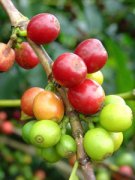
Production and processing of coffee flavor of Ethiopian coffee beans
Ethiopia's geographical environment is very suitable for coffee growth. Coffee is mainly grown in the southern highlands between 1100 and 2300 meters above sea level. The main coffee producing areas are Harar, Limu, Djimma, Sidamo, Kaffa, Yergacheffe and Wellega. The soil drainage in these areas is good.
2016-05-16 Coffee production processing Ethel Searle Biya Coffee beans Flavor Ethiopia Earth
Introduction to the growing environment of Ethiopian coffee
Ethiopian coffee beans grow in close to the natural environment, after years of planting under the same growth conditions, Ethiopian coffee beans have gradually adapted to the environment here. More than 60% of coffee beans are grown in forests or semi-forests. Large-scale coffee-growing villages account for about 35% of the country's total coffee production. Many of these are used.
2016-06-15 Ethiopia coffee growth environment introduction coffee beans grow in
Ethiopia Yega Xuefei Coffee Raw Leguminoscier kochere production area Water washing treatment G2 level
Cochel is located in a small producing area 25 kilometers southeast of Yegashafi, Ethiopia. It is a rich area for coffee production. It is also one of the three famous and micro-producing areas of Yegashafi. It has about 100,000 local residents, and coffee beans are the main source of income. The processing and processing equipment in this area is very advanced. CoffeeReview, a well-known coffee evaluation website, gave Kocher a high rating of 94 points for washed beans.
2016-04-13 Ethiopia Yega Sheffield Coffee Leguminosae Cher kochere production
Ethiopian Coffee Manor Flavor Taste introduces Ethiopian boutique coffee beans
Sustainable coffee culture Ethiopian coffee beans grow in close to the natural environment, after years of planting under the same growth conditions, Ethiopian coffee beans have gradually adapted to the environment here. More than 60% of coffee beans are grown in forests or semi-forests. The villages that grow coffee in large areas account for about the total amount of coffee produced in the country.
2016-08-04 Ethiopia coffee manor producing area flavor taste introduction boutique coffee beans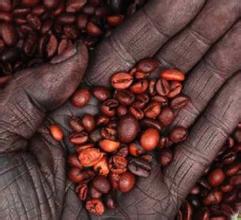
Boutique coffee beans the latest Ethiopian coffee introduces unique flavor and full taste
Ethiopia's geographical environment is very suitable for coffee growth. Coffee is mainly grown in the southern highlands between 1100 and 2300 meters above sea level. The main coffee producing areas are Harar, Limu, Djimma, Sidamo, Kaffa, Yergacheffe and Wellega. The soil drainage in these areas is good.
2016-01-04 Boutique coffee beans latest Ethiopia coffee introduction flavor unique taste
Flavor description method of Ethiopian Coffee Manor introduction to the taste of varieties in producing areas
Ethiopia's geographical environment is very suitable for coffee growth. Coffee is mainly grown in the southern highlands between 1100 and 2300 meters above sea level. The main coffee producing areas are Harar, Limu, Djimma, Sidamo, Kaffa, Yergacheffe and Wellega. The soil drainage in these areas is good.
2016-10-13 Ethiopia Coffee Manor Flavor description treatment characteristics Variety producing area