“Kafa” search results (382)
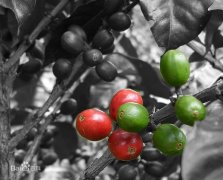
Djimmah is medium in texture and rugged with earthy Ethiopian boutique coffee beans.
The coffee-producing region of Ethiopia is divided into east and west parts by the East African Rift Valley, with lakes, volcanoes, lowlands, plateaus and woodlands interlaced, each evolving. Ethiopia has the most diverse coffee ecosystem in the world (forest coffee, semi-forest coffee, pastoral coffee and plantation coffee), which also preserves its rich Arabica genes. The eastern half is mostly plateaus, coffee beans.
2016-07-04 Gemma Djimmah texture medium rough rustic Ethel Searle
Coffee mellow Tour (5) Harald, Ethiopia
What do you think of Ethiopia? The prairie, the plateau, the Rift Valley and, of course, coffee that can't be missed. This is the birthplace of coffee, and this alone can be exciting. What's more, Ethiopian coffee is a highly respected boutique coffee. Coffee in Ethiopia is mostly grown on small farms or semi-wild and wild, and is produced by organic farmers.
2014-09-01 Mellow coffee Harald Ethiopia
Which countries are the most suitable for growing coffee trees?
Coffee trees [2] like mild temperatures during the day and less than two hours of direct sunshine, so if coffee trees lack the afternoon showers or thick fog to report every day, local farmers have to plant many taller trees in the coffee garden for shade. At night, they want an environment of about ten degrees Celsius but not too low, because it is too warm
2016-06-23 Suitable for planting coffee which country like daytime mild very hot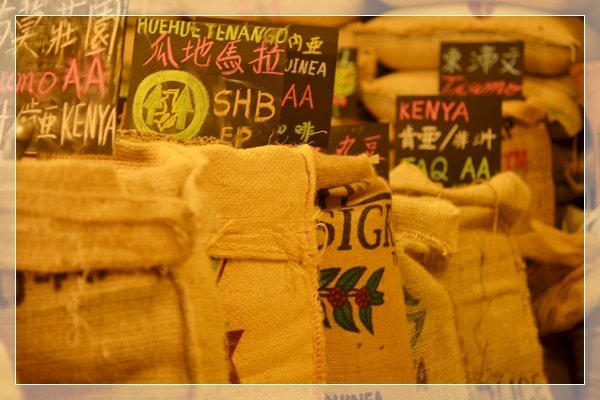
Ethiopia-Ghimbi, Sidamo, Harar and Yegashefi
Ethiopia's coffee-producing areas are divided into east and west parts by the Great Rift Valley. Lakes, volcanoes, lowlands, plateaus and woodlands alternate and evolve independently. Ethiopia has the most diverse coffee ecosystem in the world (forest coffee, semi-forest coffee, pastoral coffee and plantation coffee), which also allows it to preserve its rich Arabica genes. The eastern half is mostly plateau, coffee beans
2016-04-18 Essel Serre Biya Region Manor Kimbi Ghimbi Hilda Ha
Coffee Entering China Time Imported Coffee Local Coffee Coffee History Origin
As Starbucks 'banshee image gradually became familiar to Chinese people, Chinese coffee culture slowly entered the lives of Chinese people. Throughout the history of coffee culture in China, perhaps we can find the footsteps of coffee, the birthplace of the ancient Arab culture invading the world tea culture. History records that as early as 2,000 BC, Ethiopia's Ajiao people had already been in
2016-04-18 coffee entry china time import local history origin when star buck
Ethiopian Sun-Sitama Ethiopian Coffee Bean Introduction
SIDAMO G-1 SPECITLTY PRODUCTION AREA: GUJI PRODUCTION AREA ALTITUDE: 1900-2200 METERS VARIETY: Arabica BEAN SEED: HEIRLOOM TREATMENT: Sun-drying, Shelter-drying Product Specifications: 60kg sacks Outer packaging lined with American patent GRAIN PRO bag Flavor: red wine, lemon, citrus fragrance, jasmine flower fragrance, peach juice, unique flavor fruit drink.
2016-05-22 Ethiopia Sunlight Dharma Coffee Bean Introduction Sidar SIDAMO G
The relationship between Coffee and Wine Coffee is also a raw material for making wine.
Legend has it that there was a leader named Omar. He and his entourage were banished to the desert. They were short of food and water, and they were about to starve to death. In desperation, he found a nameless fruit in the desert. Oma asked his followers to cook it into a pot of hot soup. The pot of hot soup saved their lives. Their lives are seen by residents living near the port of Mocha as a religious signal to commemorate the event.
2015-06-18 Coffee relationship originally also a kind of wine-making raw materials legend a leader
Coffee bean flavor standard latte cup capacity
Cuba Crystal Mountain Coffee-Cubita in Cuba, the cultivation of coffee is regulated by the state. The best coffee growing area in Cuba is located in the Central Mountains. Because this area not only grows coffee, but also produces quartz, crystal and other precious minerals, it is also known as Crystal Mountain. Crystal Mountain is adjacent to the Blue Mountains of Jamaica, with similar climatic conditions and taste.
2016-06-08 Coffee beans flavor standard latte cup capacity Cuba Crystal Mountain coffee -Cu
What are the main producing areas of coffee beans in Africa
The main producing areas of African beans are 1. Kenya grows high-quality Arabica coffee beans, which almost absorb the essence of coffee cherries and are very popular in Europe, especially in the United Kingdom. Kenya Coffee surpassed Costa Rican coffee and became one of the most popular coffee. Signature coffee: Kenya AA coffee, is an African coffee
2016-05-31 Africa coffee beans main producing areas which African bean owners want Kenny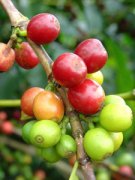
Harald (Harar) Berry delightfully fermented mixed flavors in the Eastern Highlands of Ethiopia
The coffee-producing region of Ethiopia is divided into east and west parts by the East African Rift Valley, with lakes, volcanoes, lowlands, plateaus and woodlands interlaced, each evolving. Ethiopia has the most diverse coffee ecosystem in the world (forest coffee, semi-forest coffee, pastoral coffee and plantation coffee), which also preserves its rich Arabica genes. The eastern half is mostly plateaus, coffee beans.
2016-07-04 Harald Rahl Harar berries delightful fermented fragrant Essel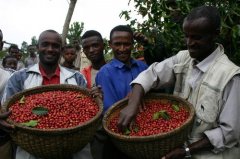
Jasmine tea, which is preferred by Ghimbi growers as a composite bean material, is fragrant and bitter
Ethiopia's coffee-producing areas are divided into east and west parts by the Great Rift Valley. Lakes, volcanoes, lowlands, plateaus and woodlands alternate and evolve independently. Ethiopia has the most diverse coffee ecosystem in the world (forest coffee, semi-forest coffee, pastoral coffee and plantation coffee), which also allows it to preserve its rich Arabica genes. The eastern half is mostly plateau, coffee beans
2016-07-04 Kimbi Ghimbi Breeders Likes As Composite Material Jasmine Tea
Introduction to the taste characteristics of Ethiopian coffee flavor description and grindability varieties
Ethiopia's geographical environment is very suitable for coffee growth. Coffee is mainly grown in the southern highlands between 1100 and 2300 meters above sea level. The main coffee producing areas are Harar, Limu, Djimma, Sidamo, Kaffa, Yergacheffe and Wellega. The soil drainage in these areas is good.
2016-10-12 Ethiopia coffee flavor description grinding variety producing area taste characteristics
Introduction to the description of taste and flavor of high-quality coffee beans in Ethiopian coffee farm
Grade of Ethiopian coffee: Ethiopian washed coffee Yega Chuefei G1 G2 Sidamo (Yirgacheffe, Sidamo) has the highest grades 2 and 3 (G2, G3), while sun-processed coffee in eastern Ethiopia is mostly grade 4 or 5 (G4, G5). In many cases, level 4 coffee is marked as level 5 in order to reduce taxes. At present, the classification is not uniform and there are
2016-10-08 Ethiopia coffee manors producing areas varieties characteristics boutique coffee beans taste
Introduction to the production and processing of coffee beans in Ethiopia
Production and processing of coffee beans the geographical environment of Ethiopia is very suitable for coffee growth. Mocha coffee is mainly grown in the southern highlands between 1100 and 2300 meters above sea level. The main coffee producing areas are Harald (Harar), Limu (Limu), Djimma (Djimma), Sidamo (Sidamo), Kaffa (Kafa) and Yergacheffe (Yega).
2016-06-12 Ethiopia coffee beans production processing introduction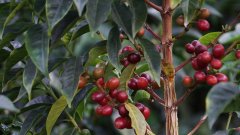
Limu Ethiopian grass and black sugar aroma fruit acid bright boutique coffee
The coffee-producing region of Ethiopia is divided into east and west parts by the East African Rift Valley, with lakes, volcanoes, lowlands, plateaus and woodlands interlaced, each evolving. Ethiopia has the most diverse coffee ecosystem in the world (forest coffee, semi-forest coffee, pastoral coffee and plantation coffee), which also preserves its rich Arabica genes. The eastern half is mostly plateaus, coffee beans.
2016-07-04 Lim Limu Ethiopia grass aroma sour bright boutique coffee
What are the coffee producing areas in Africa? la Souna Wahana Manor
Tanzania gourmet coffee has soft acidity and attractive aroma, which is absolutely worth enjoying. The coffee export of Tanzania plays an important role in the whole national economy. Bean-shaped berry coffee is very productive and is said to be more fragrant than ordinary coffee. Zambia is lighter than Kenyan coffee and is suitable for drinking in the afternoon. Coffee was introduced from Kenya and Tanzania in the early 20th century.
2016-06-14 Africa which coffee della Sunawa Hana manor Tanzania gourmet
Taste characteristics of Ethiopian Coffee Manor Flavor description and introduction of varieties producing areas
Ethiopian coffee beans grow in close to the natural environment, after years of planting under the same growth conditions, Ethiopian coffee beans have gradually adapted to the environment here. More than 60% of coffee beans are grown in forests or semi-forests. Large-scale coffee-growing villages account for about 35% of the country's total coffee production. Many of these are used.
2016-10-15 Ethiopia Coffee Manor Flavor description processing Taste characteristics varieties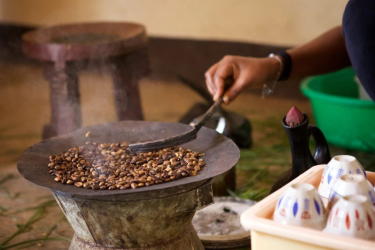
The characteristic Culture of Ethiopian Coffee an introduction to the Flavor characteristics of Coffee beans from France and Ethiopia
Ethiopia (Ethiopia) is one of the leading producers of Arabian coffee beans on long and short Island, producing the best Arab mocha beans in the world. It is said that coffee beans were first discovered by shepherds in the Kafa region of Ethiopia, and the name of coffee evolved from Kafa, so Ethiopia is still coffee.
2023-01-05 Coffee knowledge Ethiopia coffee characteristics
Ethiopian Coffee Lim Region Flavor Ethiopian Fine Coffee Bean Introduction
Coffee bugs, in previous installments we learned about the origins and spread of coffee, so where does the coffee we drink today come from? Next, follow Xiao one to explore coffee producing areas around the world ~ Coffee 53 producing areas currently have 53 major coffee producing areas in the world, all distributed in the coffee belt "25N~30S". We're tracking the spread of specialty coffee
2016-04-30 Ethiopia Coffee Lim Origin Flavor Boutique Coffee Bean Introduction
What are the nine coffee bean producing areas in Ethiopia
Yega Xuefei: 1800 meters above sea level, 2000 meters above sea level; what Yega Xuefei means is to let us settle down in this wetland. Dr. Yeli, a coffee chemist in 2003, even pointed out that some aromatic ingredients of Yega Xuefei can also be found in Chanel No. 5 perfume! Yega Xuefei is affiliated to the Sidamo producing area, which is independent because of its special flavor, including Wenago, Kochere, Gelena/Abaya and so on.
2016-05-03 Esso Biya nine coffee beans producing areas which ones