“Kadou” search results (101)

Introduction of carefully washed Arabica beans and Papua New Coffee
The coffee production in Papua New Guinea is not very high, and its coffee beans are carefully washed Arabica beans. Generally washed coffee beans are full of bright fruit aromas, but do not have a strong acidity. It is characterized by a silky soft taste and excellent aroma, moderate acidity, and is a relatively rare variety of high-alcohol and medium-acidity coffee, regardless of
2016-06-29 After careful treatment washing rabbi Kadou Babu Ashin Guineas coffee
Introduction to Uganda Java Coffee Arabica beans Robbite Coffee beans
Java produces only a small amount of Arabica beans, most of which were imported from Africa after the rust disaster. This kind of coffee has a strong bitter taste after roasting, but its flavor is extremely light. Although it has low acidity and delicate taste, it is rarely used for direct drinking. It is often used to mix mixed coffee, or to make instant coffee. Later, when the ship replaced the sailboat, the shipping time was shortened.
2016-06-30 Uganda Java Coffee Rabbi Kadou Robbins Coffee beans introduction
Introduction of washed coffee beans in Papua New Guinea Arabica Bean Paradise Bird Manor
The coffee production in Papua New Guinea is not very high, and its coffee beans are carefully washed Arabica beans. Generally washed coffee beans are full of bright fruit aromas, but do not have a strong acidity. It is characterized by a silky soft taste and excellent aroma, moderate acidity, and is a relatively rare variety of high-alcohol and medium-acidity coffee, regardless of
2016-07-02 Babu Axin Guinei Water washing Coffee Bean introduction Rabbi Kadou Paradise Bird Zhuang
An introduction to the Manor of Arabica Bean Price producing area characteristics and Flavor description in Yunnan
Coffee made from Yunnan coffee beans Arabica beans is of higher quality and tastes different than other commercially grown coffee varieties (such as Robusta), and the coffee contains less caffeine. The traditional processing method is to harvest coffee berries manually, peel them on the same day, and use manually selected coffee beans to be ground and boiled after baking. With fresh milk, it won't make
2016-10-21 Yunnan Rabbi Kadou Price Origin characteristics Flavor description treatment Manor
What is the output of coffee in Papua New Guinea where Arabica beans are washed?
The coffee production in Papua New Guinea is not very high, and its coffee beans are carefully washed Arabica beans. Generally washed coffee beans are full of bright fruit aromas, but do not have a strong acidity. It is characterized by a silky soft taste and excellent aroma, moderate acidity, and is a relatively rare variety of high-alcohol and medium-acidity coffee, regardless of
2016-06-20 Washing rabbi Kadou Babu Ashin Guineas coffee output how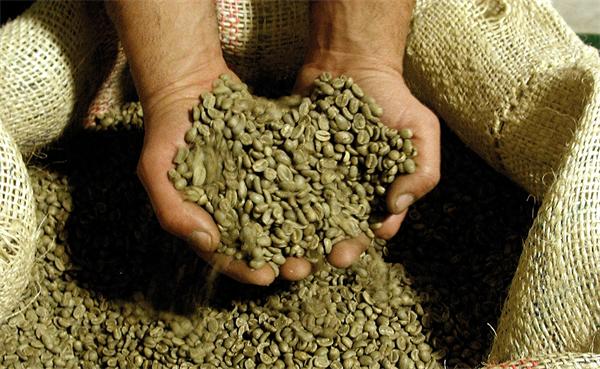
Ethiopia Ethiopia Yega Snow Coffee Sun-baked Arabica Bean Fine Coffee
Ethiopia Yeka Coffee Country: Ethiopia Grade: G1 Origin: Yeka Coffee Altitude: 1900-2100 m Treatment: Sun-cured Variety: Native Species Producer: Kebel Aricha Flavor: Light Fermented Bouquet, Sweet Orange, Spice, Sweet Honey Today Ethiopia is an important coffee producer with about 12 million people engaged in coffee production.
2016-03-25 Ethiopia yega coffee sunburn rabbi kadou boutique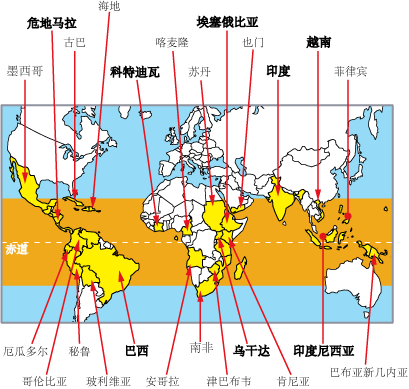
The characteristic coffee producer of Arabica beans Papua New Guinea
The legendary background of modern coffee in Papua New Guinea. In Papua New Guinea, about 75 per cent of coffee products come from small local farmers
2016-03-24 Rabbi Kadou specialty coffee country of origin Papua New Guinea
Characteristics of Arabica beans Coffee country Yemen Coffee beans Yemen
Coffee beans from the hometown of coffee in Yemen. Before the 6th century AD, Yemen was called Arabia, so coffee trees shipped from Yemen to other places were also called Arabian coffee trees. But the origin of these trees is Ethiopia, and the Dutch spread these coffee trees around the world. Sail east around the Cape of good Hope (The Cape Of Good Hope)
2016-03-24 Rabbi Kadou specialty coffee country of origin Yemen coffee beans
Ugandan coffee producing regions that produce only small amounts of Arabica beans
Later, when ships replaced sailboats, people drank fresher coffee beans because of shorter delivery times. But people accustomed to old beans are not used to this fresh taste, so they desperately pursue old Java coffee, so that the Indonesian government and some businessmen deliberately store fresh beans in warehouses for one to two years before selling them to consumers. In fact, aged Java beans are more common than fresh beans.
2016-07-02 production small amount rabbi kadou uganda coffee origin flavor presentation later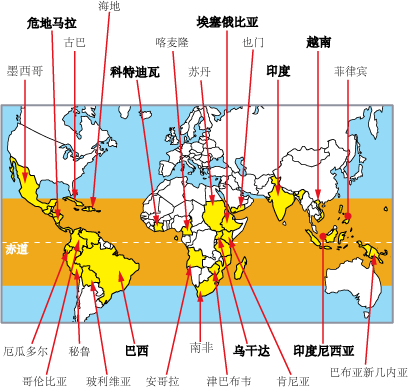
Characteristics of Arabica beans Coffee Coffee from Hawaii Coffee beans
Hawaiian coffee is perhaps the most beautiful coffee bean in the world. Kona coffee beans from Hawaii have the perfect appearance, and their fruit is extremely full and shiny. The taste of coffee is rich and aromatic, with cinnamon flavor, and the acidity is well balanced. Hawaiian coffee is the only top variety produced in 50 states in the United States, naturally in the United States.
2016-03-24 Rabbi Kadou specialty coffee country of origin Hawaii coffee beans Xavier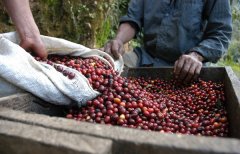
Where is coffee distributed in the world? Arabica beans and Robosta beans
There are two kinds of coffee beans in the world, Arabica beans and Robosta beans. Coffee was first discovered and eaten by Arabs chewing whole coffee and tasting it as a physical supplement for long-distance travel. Generally speaking, there are two kinds of coffee beans in the world, Arabica beans and Robosta beans. Coffee was first discovered and eaten by Arabs chewing whole coffee and tasting it.
2015-09-19 In the world coffee distribution which region rabbi Kadou Roberta the world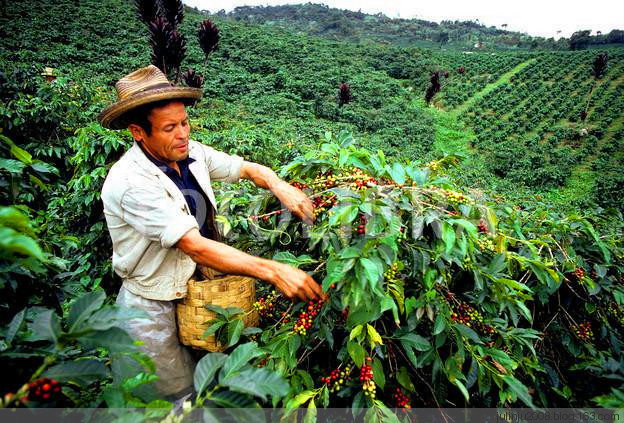
Costa Rican coffee varieties of Costa Rican Arabica beans
Costa Rican coffee has full particles, ideal acidity and unique strong flavor. Costa Rica's coffee industry, originally controlled by the Costa Rican Coffee Industry Company (InstitutodelCafdeCostaRica, ICAFE), has been taken over by the official Coffee Committee (OficinadelCaf). In exported coffee, those products that are considered to be of substandard quality are used in blue.
2016-03-21 Costa Rica coffee variety rabbi Kadou granules
Arabica coffee bean variety Arabica variety
Arabica bean scientific name: coffea arabica (Arabica bean) family: Rubiaceae coffee tree can be divided into two main varieties: Arabica species (coffea arabica) and Robusta species (coffea robusta/coffea canephora) (rare on the market). Arabica (Coffea arabica) is the most traditional Arabica coffee variety. Originated in the east
2015-03-10 Arabic Coffee Bean Variety Rabbi Card seed Kadou Scientific name coff
Arabica, the most traditional Arabica coffee variety.
Arabica bean scientific name: coffea arabica (Arabica bean) family: Rubiaceae coffee tree can be divided into two main varieties: Arabica species (coffea arabica) and Robusta species (coffea robusta/coffea canephora) (rare on the market). Arabica (Coffea arabica) is the most traditional Arabica coffee variety. Originated in the east
2014-12-03 Traditional Arabic coffee variety rabbi card species kadou scientific name co
The most traditional Arabica coffee variety, Rabica.
Arabica bean scientific name: coffea arabica (Arabica bean) family: Rubiaceae coffee tree can be divided into two main varieties: Arabica species (coffea arabica) and Robusta species (coffea robusta/coffea canephora) (rare on the market). Arabica (Coffea arabica) is the most traditional Arabica coffee variety. Originated in the east
2015-02-05 Traditional Arabic coffee variety rabbi card species kadou scientific name co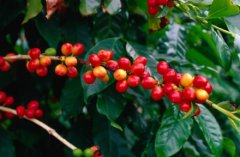
Arabica, the most traditional Arabica coffee variety.
Arabica bean scientific name: coffea arabica (Arabica bean) family: Rubiaceae coffee tree can be divided into two main varieties: Arabica species (coffea arabica) and Robusta species (coffea robusta/coffea canephora) (rare on the market). Arabica (Coffea arabica) is the most traditional Arabica coffee variety. Originated in the east
2015-04-28 Traditional Arabic coffee variety rabbi card species kadou scientific name co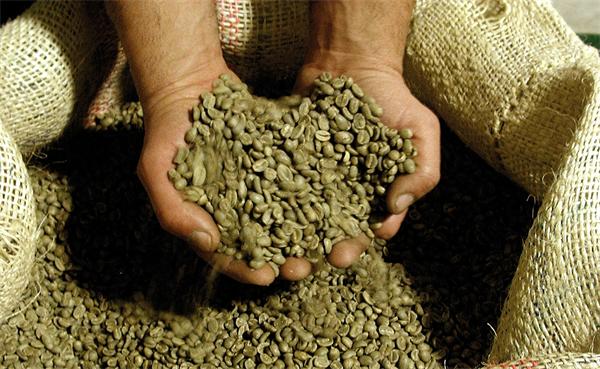
Distribution of Arabica beans Arabica beans buy coffee beans Arabica beans
Arabica coffee is generally thought to originate from the Ethiopian plateau and is widely distributed in the tropics, mainly in Kenya and Ethiopia in Africa, outside Argentina and Brazil in South America, Laos and India in Central America and Asia. Its planting area is the broadest, but the planting conditions are very strict compared with the Robusta species.
2016-03-17 Rabbi Kadou Distribution Buy Coffee Bean Card species Coffee General recognized
An introduction to the coffee producing areas of Kenya that are suitable for growing Arabica beans.
The first coffee grown in Kenya dates back to 1893. Coffee was later grown on a large scale by the British on the plateau at an altitude of 1400 to 2100 meters, where there is volcanic ash soil rich in organic matter. In fact, most coffee is now grown on the flatter slopes around the snow-capped Mount Kenya (the main peak is 5199 meters high), and all of Kenya is located in the tropical monsoon.
2016-06-30 Suitable for planting rabbi Kadou fine long Kenya coffee producing area introduction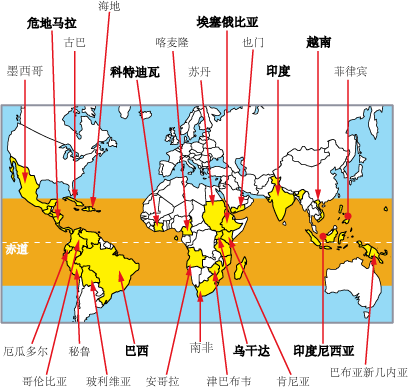
Characteristics of Arabica beans Coffee country India Coffee beans India
India's slippery, even-grained coffee. There are several reasons why Indian coffee is so popular with coffee hobbies, but the most important is a process used in coffee beans, often called the monsooning process. In the past, passengers or goods sailed to and from India, which took about several months to reach Europe. On the way to transport
2016-03-24 Rabbi Kadou specialty coffee producing country India coffee beans
Introduction to the flavor of Ugandan coffee producing areas that produce only a small amount of Arabica beans
Later, when the ship replaced the sailboat, due to the shortened delivery time, people drank relatively fresh coffee beans. But people who are used to drinking Chen beans are not used to the fresh taste, so they desperately pursue old Java coffee, so that the Indonesian government and some businessmen deliberately store fresh beans in warehouses for one or two years and then sell them to consumers. In fact, compared with fresh beans, aged beans
2016-07-02 Production small amount rabbi kadou Uganda coffee producing area flavor introduction later