“Kadou” search results (101)

The two main types of coffee trees
Arabica bean coffee trees can be divided into two main varieties: Arabica (Coffea Arabica) and Robusta (Coffea Robusta/Coffea Canephora). In addition, there are some minor species, such as Coffea Liberica and Coffea Arabusta, but they are rare on the market. Rob, Stadou, Rob.
2016-06-06 Coffee main two big kinds rabbi Kadou coffee divided into two big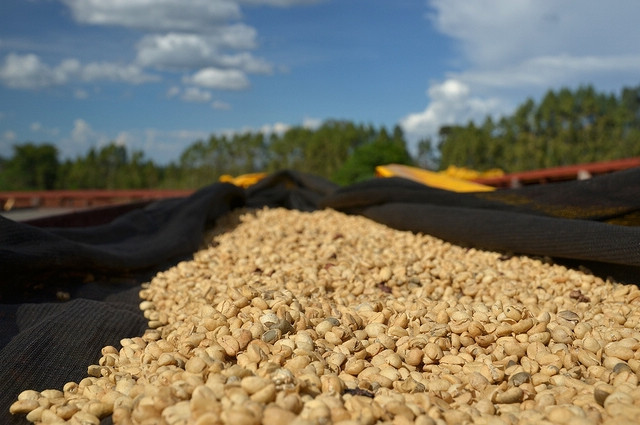
Blend coffee west style bourbon coffee beans filter coffee mix coffee formula Arabica beans
Brazil is flat, coffee farms are mostly about 600-1000 meters above sea level, flat and monotonous landforms, lack of micro-climate, and are accustomed to planting unshaded trees, resulting in the development of Brazil's unique soft bean flavor of low sour taste, heavy nutty flavor, chocolate sweet and mellow, but slightly woody and earthy, flower and orange fragrance is not obvious. But the Serrado platform and South Mina west of Minas
2016-03-29 Blend Coffee Flavor bourbon Coffee beans follicles Formula Rabbi Kadou Brazil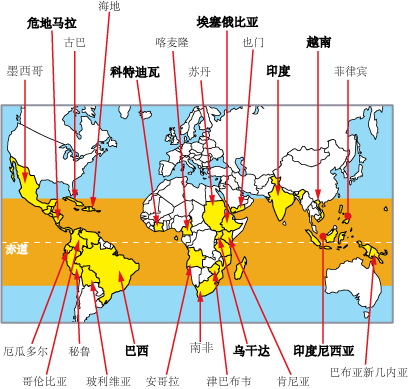
Characteristics of Arabica beans Coffee beans Uganda
In Uganda (Uganda), Arabica coffee beans account for only 10 per cent of the country's total coffee production, but it is enough to attract attention. The best coffee in Uganda is mainly produced in the mountains of Elgon and Bugisu along the Kenyan border in the north and Ruwensori in the west. Coffee is served in January or February of each year.
2016-03-24 Rabbi Kadou specialty coffee producing country Uganda coffee beans Uga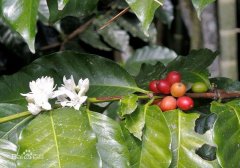
Indian beans treated in the sun are called Cherry, and Arabica beans washed in water are called Plantation.
India (India) aroma 3.5 minutes brightness 4 mellow 4 points flavor 4.5 points aftertaste 4 points suitable for baking: Full city/Espresso full city, if you want to get a thick flavor like dark chocolate, you can even enter the dense area of the second explosion! Indian coffee tastes very mild, very low in intensity and acidity, and has some spicy flavors, which are common in Asian beans.
2016-05-10 Solarization processing India called Cherry washing rabbi Kadou called
Arabica coffee beans
Arabica beans, beans account for 70% of the world's production, world-famous blue mountain coffee, mocha coffee, etc., almost all Arabica species. The other is the Robasta species, which is native to Congo in Africa and accounts for about 20% to 30% of the world's production. Different varieties of coffee beans have different tastes, but even the same variety of coffee trees, due to different
2016-05-16 coffee beans varieties rabbi kadou yield world 70%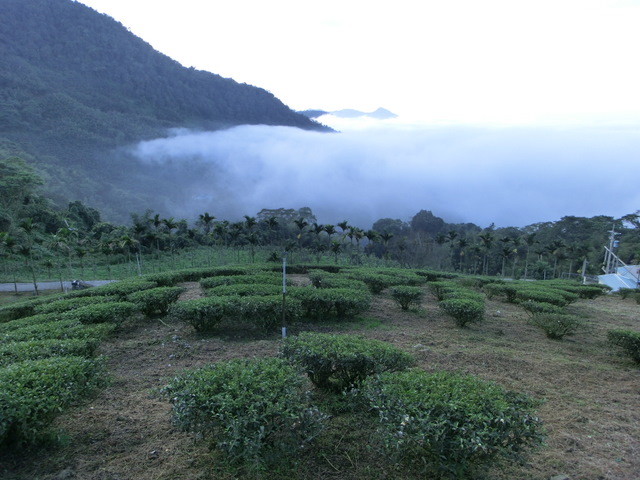
Characteristics of Arabica beans Coffee beans Yunnan Coffee beans Yunnan coffee
The western and southern parts of Yunnan Coffee Province are located between 15 N and the Tropic of Cancer, most of which are 1000-2000 meters above sea level. The topography is mainly mountainous and sloping, with large ups and downs, fertile soil, sufficient sunshine, rich rainfall and large temperature difference between day and night. These unique natural conditions form the particularity of Yunnan small grain coffee taste, which is strong but not bitter, fragrant but not strong, slightly fruity.
2016-03-24 Rabbi Kadou specialty coffee producing country Yunnan coffee beans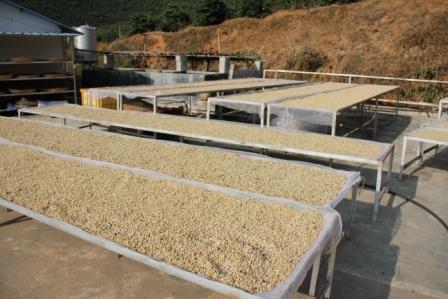
Characteristics of Arabica beans Coffee producing countries Coffee producing countries Venezuela
Venezuela's distinctive manor coffee comes from this oil-rich country. Oil was once considered to be the main export of Venezuela. Although coffee trees were introduced from Martinique in 1730 and Venezuela, coffee production was almost abandoned at the height of the oil industry. Recently, the coffee plantation has begun to recover, and the original Tippica (
2016-03-24 Rabbi Kadou specialty coffee country of origin Venezuela
High-quality washed Arabica beans from the birthplace of Yega Coffee Coffee in Ethiopia
Although the Ethiopian Yirgacheffe coffee is petite, it is gentle and delicate and sweet. As the hometown of coffee, thousands of years of planting history and processing tradition in Ethiopia have created high-quality washed Arabica beans. Light baking has unique sweet aromas of lemon, flowers and honey, soft acidity and citrus flavors, fresh and bright on the palate. No.
2016-04-13 Ethiopia Yega Sheffield Coffee Origin quality washing Rabbi Kadou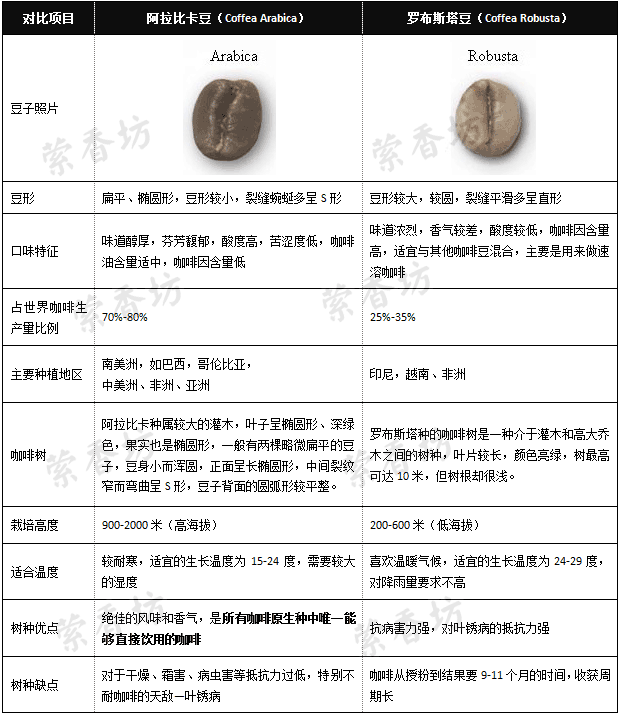
The difference between Arabica and Robusta coffee beans
The difference between Arabica and Robusta coffee beans come from two main types of coffee trees: Robusta and Arabica. Drinks with high caffeine will come from Robusta, Coffea canephora robusta variety and Elaraby plus coffee beans (Coffea arabica) are commonly used by coffee bean manufacturers, two kinds of coffee
2016-03-17 Coffee beans Rabbi Robbins Booth difference Kadou
Introduction of 40% Arabica beans and 60% Robusta beans in different producing areas
The area where Elaraby grows is 600 to 2200 meters above sea level, with a temperature of 15 to 24 C and an annual rainfall of 1200 to 2200 millimeters. From flowering to fruit ripening for about 7 to 9 months, its bean shape is long and has a strong and round wet aroma. The coffee made from Arabica coffee has strong complex flavors such as flowers, fruit, chocolate and caramel. The coffee produced is bitter and sour.
2016-10-17 40% rabbi Kadou 60% Robbs Booth distinction producing area Manor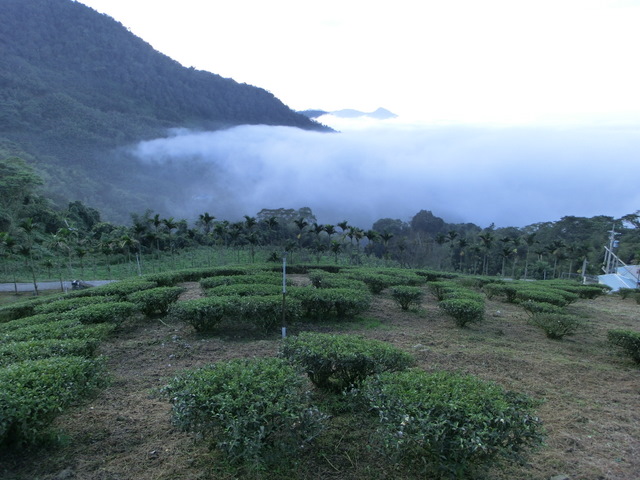
The characteristics of Arabica beans Ivorian coffee beans
C ô te d'Ivoire is one of the largest producers in the world in terms of quantity. C ô te d'Ivoire te dlvoire has never produced the best quality coffee, and it rarely comes from Arabian coffee trees. In the early 1980s, it was the world's third-largest coffee producer, with an annual output of 5 million bags. Even today, it is still the fifth largest coffee producer in the world, with an annual output of 440
2016-03-24 Rabbi Kadou specialty coffee country of origin Ivory Coast coffee beans number
Characteristics of Arabica beans Coffee producer China Taiwan Coffee beans China Taiwan
In the 18th century, Taiwan, China, in 1884 (Guang Xu's 10th year), the British introduced coffee to the three Gorges in Taipei. during the Japanese occupation, the Japanese saw that Taiwan's climate and soil were suitable for coffee, so they introduced "Arabica" from abroad and successfully planted it in the north. Mizuho invested a lot in planting and had a good yield. In the 19th century, in 1941, the output was rich, and the quality and flavor were good, which made coffee in Taiwan complete.
2016-03-24 Rabbi Kadou specialty coffee producing country China Taiwan coffee beans
The characteristics of Arabica beans nutritional caffeine of Arabica coffee beans
The nutrition of Arabica coffee beans Arabica coffee beans are the raw materials for making coffee, but now very few people use coffee beans to make coffee, and most of the time they brew instant coffee directly, but the nutritional value of Arabica coffee beans is beyond the reach of the eight horses of instant coffee. So what are the nutritional values of Arabica coffee beans? The contents are as follows: 1.
2016-03-22 Rabbi Kadou specialty coffee bean nutrition caffeine rabbi
Main species of coffee trees: Arabica species
The first is Arabica beans, which account for 70% of the world's output. The world-famous Blue Mountain Coffee and Mocha Coffee are almost all Arabica. The other is the Robasta species, which is native to the Congo in Africa and accounts for about 20% to 30% of the world's output. Different varieties of coffee beans have different tastes, but even the same varieties of coffee trees
2016-06-07 Coffee main type rabbi card seed one kind kadou yield world
Species and cultivation techniques of Coffee trees
Arabica bean coffee tree can be divided into two main varieties: Arabica species (Coffea Arabica) and Robusta species (Coffea Robusta/Coffea Canephora). There are also some minor species, such as the Liberian species (Coffea Liberica) and the Alabasta species (Coffea Arabusta), but they are rare on the market.
2016-06-03 Coffee category and cultivation techniques varieties classification editing rabbi Kadou coffee main
Do you know anything about Arabica's fine beans?
Arabica beans account for 70% of the world's output. The world-famous Blue Mountain Coffee and Mocha Coffee are almost all Arabica species. The other is the Robasta species, which is native to the Congo in Africa and accounts for about 20% to 30% of the world's output. Different varieties of coffee beans have different tastes, but even the same variety of coffee trees, due to different
2016-05-27 Understand rabbi boutique beans Kadou output world 70%
Introduction to washed Arabica beans and coffee beans in Papua New Guinea
The coffee beans of Papua New Guinea are processed washed Arabica beans with a taste similar to the bright notes of Central and South America, with obvious sour aromas, sometimes orange, flower and fruit, slightly spicy and chocolate, and long-lasting sweet aromas of caramel. Flavor reference: refreshing herbaceous and floral aromas, tenderness of Central and South American beans, slightly sour, fruity, sticky
2016-06-28 Papua New Guinea washing Rabbi Kadou Coffee beans introduction
Arabica beans Chinese characteristics of growing Arabica beans like Arabica beans
The planting situation in China Arabica is deeply loved by Chinese people with a short history of coffee contact because of its strong fruity aroma. it was introduced to China by missionaries in the 19th century. It is widely planted in Panzhihua, Sichuan, and the dry-hot valley of the Jinsha River, which is more than 1000 meters above sea level in western Yunnan. The sunshine time in this area is long, and there is a great temperature difference between day and night. The local people solve the lack of seasonal rainfall by diverting water up the mountain.
2016-03-22 Rabbi Kadou China planting characteristics favorite situation
Cultivation of Arabica beans in China cultivation of Arabica coffee beans
The planting situation in China Arabica is deeply loved by Chinese people with a short history of coffee contact because of its strong fruity aroma. it was introduced to China by missionaries in the 19th century. It is widely planted in Panzhihua, Sichuan, and the dry-hot valley of the Jinsha River, which is more than 1000 meters above sea level in western Yunnan. The sunshine time in this area is long, and there is a great temperature difference between day and night. The local people solve the lack of seasonal rainfall by diverting water up the mountain.
2016-03-28 China rabbi Kadou planting situation coffee beans
Introduction to Arabica species, the main species of coffee trees
The first is Arabica beans, which account for 70% of the world's output. The world-famous Blue Mountain Coffee and Mocha Coffee are almost all Arabica. The other is the Robasta species, which is native to the Congo in Africa and accounts for about 20% to 30% of the world's output. Different varieties of coffee beans have different tastes, but even the same varieties of coffee trees
2016-06-06 Coffee main type rabbi card introduction one kadou output