“2003” search results (885)
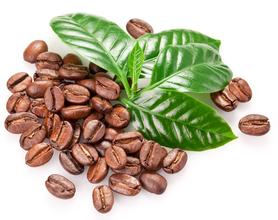
Boutique coffee beans: a detailed explanation of the producing areas and flavor of the world's boutique coffee beans
South American Coffee region introduction / SouthAmericanArea Columbia [Xuefeng] Coffee ColombiaKoguiSnowCapSpecialtySupremo: South American countries: Colombia: SierraNevada flavor: obvious nutty flavor, rich and varied overall taste. Columbia [MDLS] Manor ColombiaMDLS country: South American country: Colombian region
2015-12-07 Boutique coffee beans world producing areas flavor details explanation
Introduction of rich, sweet Rwandan coffee beans with citrus flavors
In early 2003, UCR distributed Malaba coffee through the Sainsburys supermarket in Sainsbury and sold it in its 350 stores until Red nose Day that year. In 2003, Abauzam Gump made a net profit of US $35000. Of this, 70% is allocated to farmers at a price of US $0.75 per kilogram.
2016-06-21 Citrus flavor embellishment rich sweet Rwanda coffee beans introduction
Introduction of Coffee Manor in Malaba, Rwanda
In early 2003, UCR distributed Malaba coffee through the Sainsburys supermarket in Sainsbury and sold it in its 350 stores until Red nose Day that year. In 2003, Abauzam Gump made a net profit of US $35000. Of this, 70% is allocated to farmers at a price of US $0.75 per kilogram.
2016-07-05 Rwanda Malaba Rabbah Coffee Manor producing area introduction Western Province Texi![Practical explanation on the examination rules of roasting Coffee production license [GB]](https://www.coffeesearch.net/static/assets/images/nopic.gif)
Practical explanation on the examination rules of roasting Coffee production license [GB]
The coffee tree belongs to the Rubiaceae. Out of a total of 73 varieties, only Arabica (Coffea ara-bica Linnaeus) and Canifera (Coffea canephora Pierre) are cultivated by humans. The remaining 71 varieties are wild, but of no value to growers.
2014-08-15 Coffee knowledge coffee production license coffee roasting
Practical explanation on the examination rules of roasted Coffee production license
First, the general situation of the development of the industry. Coffee tree belongs to Rubiaceae. Out of a total of 73 varieties, only Arabica (Coffea ara-bica Linnaeus) and Canifera (Coffea canephora Pierre) are cultivated by humans. The remaining 71 varieties are wild, but of no value to growers. The 200 varieties of Arabica include the previous varieties of Mocha, Bourbon and Horse.
2015-04-14 Roasting coffee production license review details utility description
Introduction of Rwandan Coffee Flavor and Taste Manor characteristics of Rwandan Coffee beans in Chilmel Manor
In early 2003, UCR distributed Malaba coffee through the Sainsburys supermarket in Sainsbury and sold it in its 350 stores until Red nose Day that year. In 2003, Abauzam Gump made a net profit of US $35000. Of this, 70% is allocated to farmers at a price of US $0.75 per kilogram.
2016-08-01 Rwanda coffee flavor taste manor producing area introduction Mayer coffee beans special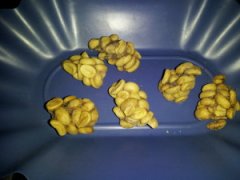
Description of coffee bean flavor introduction to the taste of famous Central American coffee
GuatemalaLaJoyaEstate-Antigua Gem Manor Coffee GuatemalaLaJoyaEstate Central American countries: Guatemala producing areas: Antigua flavor: Antigua Gem Manor, Antigua (Antigua) is a volcanic island located in the southwest of Guatemala, three volcanoes are located in which the island is rich in volcanic soil, coupled with low temperature, low humidity and adequate sun environment at night
2015-01-09 Coffee beans flavor description Central America famous coffee taste introduction Guatemala
Beckham's coffee company
At the end of May 2003, French football star Zinedine Zidane and teammate Dugarry bought a coffee shop called the casino in Bordeaux and became the owner of the coffee shop. However, the business is managed by a relative of Zidane. On the opening day, Qizu personally cut the ribbon at his cafe, and countless fans in Bordeaux also patronized to catch a glimpse of Zidane
2015-04-29 Beckham Coffee Company 2003 end of month season gap France ball
Footballers switch to Beckham's coffee company
At the end of May 2003, French football star Zinedine Zidane and teammate Dugarry bought a coffee shop called the casino in Bordeaux and became the owner of the coffee shop. However, the business is managed by a relative of Zidane. On the opening day, Qizu personally cut the ribbon at his cafe, and countless fans in Bordeaux also patronized to catch a glimpse of Zidane
2015-02-05 Football player career change Beckham Coffee Company 2003 end of month
Ethiopian Coffee exports Fine Coffee
Coffee export coffee is Ethiopia's most important export cash crop and the main source of Ethiopia's foreign exchange earnings. Ethiopia's coffee exports account for about 3% of the world market, making it the eighth largest coffee exporter in the world. Coffee exports increased steadily from 58000 tons in 1990 to 110000 tons in 1995-1996 and remained at this level in the following years. two
2016-05-18 Ethel Searle Biya coffee export boutique Ethiopia the heaviest
Export of Ethiopian cash crop coffee
Coffee is Ethiopia's most important export cash crop and the main source of Ethiopia's foreign exchange earnings. Ethiopia's coffee exports account for about 3% of the world market, making it the eighth largest coffee exporter in the world. Coffee exports increased steadily from 58000 tons in 1990-91 to 110000 tons in 1995-96 and remained at this level in the following years. 2001-2002
2015-03-09 Ethiopia cash crops coffee exports Ethiopia and most importantly
Introduction of Lutesilo producing area in the western province of Malaba Coffee Manor, Rwanda
In early 2003, UCR distributed Malaba coffee through the Sainsburys supermarket in Sainsbury and sold it in its 350 stores until Red nose Day that year. In 2003, Abauzam Gump made a net profit of US $35000. Of this, 70% is allocated to farmers at a price of US $0.75 per kilogram.
2016-07-01 Rwanda Malaba Rabbah Coffee Manor Western Province Texi producing areas introduction
Ethiopian Coffee Export Coffee Fine Coffee Kenya Yega Chuefei
Coffee export coffee is Ethiopia's most important export cash crop and the main source of Ethiopia's foreign exchange earnings. Ethiopia's coffee exports account for about 3% of the world market, making it the eighth largest coffee exporter in the world. Coffee exports increased steadily from 58000 tons in 1990 to 110000 tons in 1995-1996 and remained at this level in the following years. two
2016-04-22 Ethel Searle Biya Coffee Export Fine goods Kenya Yega Sheffield
What are the coffee beans in Ethiopia's export single-product coffee market About African Coffee
Coffee is Ethiopia's most important export cash crop and the main source of foreign exchange earnings. Ethiopia's coffee exports account for about 3% of the world market share, making it the eighth largest coffee exporter in the world. Coffee exports increased steadily from 58,000 tons in 1990-1991 to 110,000 tons in 1995 - 1996 and remained at that level for the next few years. 2
2016-04-28 Ethiopia exports single-item coffee market which coffee beans about Africa
Ethiopian Coffee Flavor with acidity and texture introduction to the characteristics of Fine Coffee beans in Manor area
Ethiopian people are addicted to coffee. In 2003, domestic consumption accounted for 42.3% of the total output, with a per capita consumption of 3 kg. But more than half of the coffee produced each year is used for export to earn foreign exchange. The main exporters include the United States, Italy, the United Kingdom, Sweden, Norway, Greece, France, Belgium, Germany and Australia. Before 1974, the right to produce, process and trade coffee was controlled by
2016-08-08 Acidity texture Ethiopia coffee flavor taste manor producing area characteristics
Export of coffee Ethiopian coffee exports high-quality coffee beans from Africa
Coffee is Ethiopia's most important export cash crop and the main source of Ethiopia's foreign exchange earnings. Ethiopia's coffee exports account for about 3% of the world market, making it the eighth largest coffee exporter in the world. Coffee exports increased steadily from 58000 tons in 1990 to 110000 tons in 1995-1996 and remained at this level in the following years. 2001-2002
2016-04-27 Coffee export Ethel Searle Biya export volume Africa quality coffee beans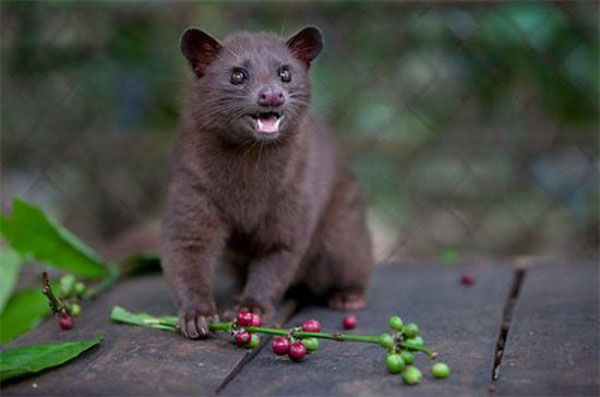
What is the original ecology of Kopi Luwak? What is the current situation of Kopi Luwak? Is Kopi Luwak still hot?
In 2003, the coffee was mentioned on the famous American talk show (Oprah Winfrey Show), which made it famous. In the 2008 Academy Award for Best Picture "Bucket List", Morgan Freeman told friends that civet coffee was extracted from cat poop. Seeing the embarrassing expression of his friend who was obsessed with civet coffee, Freeman realized
2016-02-04 Cat shit coffee original ecology what is it current situation how hot 2003 in
Boutique Coffee introduction to the coffee industry in Ethiopia
Ethiopian coffee is one of the objects studied by many coffee people, and the export of Ethiopian coffee is also very influential in the international arena. Coffee is Ethiopia's most important export cash crop and the main source of Ethiopia's foreign exchange earnings. Ethiopia's coffee exports account for about 3% of the world market, making it the eighth largest coffee exporter in the world. Coffee export volume from 1990 to 1991
2015-12-08 Boutique coffee Ethiopia introduction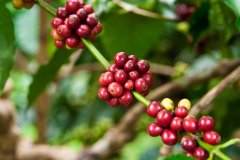
The characteristics of Ethiopian Coffee training institutions for Essex Coffee Flavor
Boutique coffee (specialty coffee) is also called specialty coffee selection coffee. It refers to coffee made from a small number of raw beans with excellent taste grown in an ideal geographical environment. Depending on the special soil and climatic conditions in which they grow, they have outstanding flavor. After strict selection and classification, this kind of coffee is hard in texture, rich in taste and stylish.
2016-06-16 Ethiopia coffee specialty flavor training institution boutique special
Ethiopian Coffee Bean Grades Flavors Introduction
In Ethiopia, coffee classification and quality control systems are divided into producer, regional and national levels. All coffees are inspected by local inspection agencies before they leave the country of origin, and then re-inspected at coffee inspection and grading centres in Addis and Diredova to determine their quality grade. Coffee is graded prior to auction and sale, and all participants in production,
2016-06-13 Ethiopia Coffee Bean Grade Flavor Introduction Coffee Grading