“woodland” search results (182)

Introduction of Salvadoran Coffee Manor with Natural shaded woodland
The country has 10 per cent forest cover, of which more than 80 per cent is natural shaded woodland, which is ideal for the planting of coffee trees (shade grown coffee), which is very important for the Central American ecological corridor (Central American Biological Corridor). But in 1970, a serious coffee leaf rust spot (coffee leaf rust disease) occurred in order to
2016-06-22 Natural shaded woodland El Salvador coffee manor introduction sa country land 1
El Salvador coffee producing country with natural shaded woodland
The country has 10 per cent forest cover, of which more than 80 per cent is natural shaded woodland, which is ideal for the planting of coffee trees (shade grown coffee), which is very important for the Central American ecological corridor (Central American Biological Corridor). But in 1970, a serious coffee leaf rust spot (coffee leaf rust disease) occurred in order to
2016-06-29 With natural shaded woodland El Salvador coffee producing country Saudi Arabia territory 1
Detailed Analysis of four cultivation Systems of Coffee in Ethiopia
Forest coffee (Forest Coffee): wild coffee, which accounts for 10% of Ethiopia's national output, is distributed in the wild coffee forest areas of the west and southwest, also known as the Kafa forest. The dense trees here provide the most natural shade for coffee trees and do not need manual care. Mother Earth is in charge of birth, aging, sickness and death, and coffee farmers can go directly to the woodland to harvest. Hansen
2015-02-12 Ethiopia Coffee four cultivation system detail Analysis Forest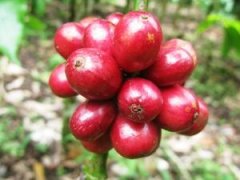
Detailed Analysis of four cultivation Systems of Coffee in Ethiopia
Forest coffee (Forest Coffee): wild coffee, which accounts for 10% of Ethiopia's national output, is distributed in the wild coffee forest areas of the west and southwest, also known as the Kafa forest. The dense trees here provide the most natural shade for coffee trees and do not need manual care. Mother Earth is in charge of birth, aging, sickness and death, and coffee farmers can go directly to the woodland to harvest. Hansen
2015-10-22 Ethiopia Coffee four cultivation system detail Analysis Forest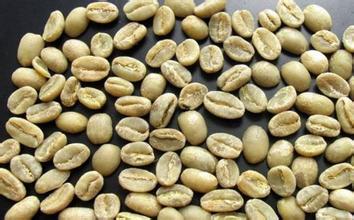
Detailed Analysis of four cultivation Systems in Coffee producing areas of Ethiopia
Forest coffee (Forest Coffee): wild coffee, which accounts for 10% of Ethiopia's national output, is distributed in the wild coffee forest areas of the west and southwest, also known as the Kafa forest. The dense trees here provide the most natural shade for coffee trees and do not need manual care. Mother Earth is in charge of birth, aging, sickness and death, and coffee farmers can go directly to the woodland to harvest. Hansen
2015-12-25 About Ethiopia coffee producing areas four cultivation system detailed analysis
7 Xunweng self-taught to grow A-grade coffee beans
Tseng Liang-hsiung, who retired from a telecommunications engineering unit at the age of 70, grew coffee in 5% of Arabica seven years ago in his hometown of Zhuzai Mountain in Puli, Nantou. He continued to study and improve cultivation techniques, and became a "zero-return" urban farmer. Last year, when he participated in the evaluation of fine coffee in Central China, he won the "second prize" and won the honor of "A coffee is unusual". Referring to the story of growing coffee, Zeng Liangxiong said briskly.
2014-06-27 Coffee beans Grade A coffee Arabica coffee beans
Four major cultivation systems of Ethiopian coffee analyze in detail how Ethiopian coffee is cultivated.
Forest coffee (Forest Coffee): wild coffee, which accounts for 10% of Ethiopia's national output, is distributed in the wild coffee forest areas of the west and southwest, also known as the Kafa forest. The dense trees here provide the most natural shade for coffee trees and do not need manual care. Mother Earth is in charge of birth, aging, sickness and death, and coffee farmers can go directly to the woodland to harvest. Hansen
2016-03-16 Ethiopia coffee big four cultivation system detailed analysis how forest
Detailed analysis of forest and semi-forest system of four major cultivation systems of Ethiopian coffee
Forest coffee (Forest Coffee): wild coffee, which accounts for 10% of Ethiopia's national output, is distributed in the wild coffee forest areas of the west and southwest, also known as the Kafa forest. The dense trees here provide the most natural shade for coffee trees and do not need manual care. Mother Earth is in charge of birth, aging, sickness and death, and coffee farmers can go directly to the woodland to harvest. Hansen
2015-04-01 Ethiopia Coffee Big four cultivation system detail Analysis Forest
Introduction to the characteristics of Katim Coffee varieties treated by Flavor and Taste Grinding degree in Yunnan Province, China
Katim coffee bean is a variety with high and stable yield. The results of trial planting in different ecological areas show that as long as it is planted in accordance with high-yield cultivation techniques, a higher yield will be obtained, with an average yield of more than 150 kg per mu and a small area of more than 400 kg. 1. The state-run Lujiang Farm in Baoshan City planted 12.6 mu in March 1991. The land has no shade and is irrigated once in the dry season.
2016-10-20 China South Carolina Tim Coffee Flavor Taste Grinding processing varieties characteristics
Description of Coffee Flavor of Katim Coffee in Yunnan Province, China
The method of describing the flavor of boutique coffee beans in Katim, Yunnan, China introduces the selection of suitable forest land with an annual average temperature of 19-21 ℃ years, the accumulated temperature of 10 ℃ per year is more than 6800 ℃, the coldest monthly average temperature is 11.5 ℃, the absolute lowest temperature is above 1 ℃, the coldest monthly average temperature is 11.5 ℃, the monthly average temperature of 13 ℃ is more than two months, the extremely lowest general year is above 0 ℃, and some years appear-1 ℃.
2016-10-21 China South Carolina Tim Coffee Flavor description treatment Grinding characteristics varieties
Characteristics of Katim Coffee Bean Flavor and Taste Variety production area treatment method Manor Baking degree Grinding degree introduction
The annual average temperature is 19-21 ℃ years, the accumulated temperature of 10 ℃ is more than 6800 ℃, the coldest monthly average temperature is 11.5 ℃, the absolute lowest temperature is above 1 ℃, the coldest monthly average temperature is 11.5 ℃, the monthly mean temperature of 13 ℃ is more than two months, the extremely lowest general year is more than 0 ℃, and some years appear-1 ℃ or short-2 ℃. Below 1200m above sea level, annual rainfall 1100mm; soil
2016-10-17 Tim coffee beans flavor taste characteristics variety producing area treatment manor baking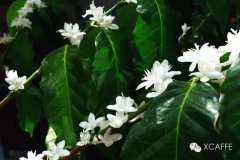
What Ethiopian coffee is grown in Ethiopia Manor?
The coffee-producing region of Ethiopia is divided into east and west parts by the East African Rift Valley, with lakes, volcanoes, lowlands, plateaus and woodlands interlaced, each evolving. Ethiopia has the most diverse coffee ecosystem in the world (forest coffee, semi-forest coffee, pastoral coffee and plantation coffee), which also preserves its rich Arabica genes. The eastern half is mostly plateaus, coffee beans.
2016-05-09 Ethel Searle Biya Manor which planting coffee Ethiopia
Are there more than 600 coffee farms in Hawaii?
Although coffee trees are grown commercially on all the islands of Hawaii, the Big Island currently has the largest number of coffee farms, with about 650, but these coffee farms are relatively small, adding up to less than 2000 acres of planted woodland, while there are only 25 coffee farms operating on Maui, Molokai, Oahu and Kauai.
2016-06-20 Coffee producing areas United States Hawaii 600 multiple manors though
Introduction of flavor and taste characteristics of Salvadoran coffee beans
The country has 10 per cent forest cover, of which more than 80 per cent is natural shaded woodland, which is ideal for the planting of coffee trees (shade grown coffee), which is very important for the Central American ecological corridor (Central American Biological Corridor). But in 1970, a serious coffee leaf rust spot (coffee leaf rust disease) occurred in order to
2016-07-13 El Salvador coffee beans flavor taste characteristics introduction boutique Saudi Arabia territory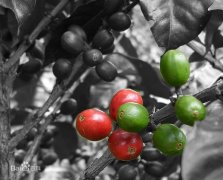
Djimmah is medium in texture and rugged with earthy Ethiopian boutique coffee beans.
The coffee-producing region of Ethiopia is divided into east and west parts by the East African Rift Valley, with lakes, volcanoes, lowlands, plateaus and woodlands interlaced, each evolving. Ethiopia has the most diverse coffee ecosystem in the world (forest coffee, semi-forest coffee, pastoral coffee and plantation coffee), which also preserves its rich Arabica genes. The eastern half is mostly plateaus, coffee beans.
2016-07-04 Gemma Djimmah texture medium rough rustic Ethel Searle
Ethiopia-Ghimbi, Sidamo, Harar and Yegashefi
Ethiopia's coffee-producing areas are divided into east and west parts by the Great Rift Valley. Lakes, volcanoes, lowlands, plateaus and woodlands alternate and evolve independently. Ethiopia has the most diverse coffee ecosystem in the world (forest coffee, semi-forest coffee, pastoral coffee and plantation coffee), which also allows it to preserve its rich Arabica genes. The eastern half is mostly plateau, coffee beans
2016-04-18 Essel Serre Biya Region Manor Kimbi Ghimbi Hilda Ha
Harald (Harar) Berry delightfully fermented mixed flavors in the Eastern Highlands of Ethiopia
The coffee-producing region of Ethiopia is divided into east and west parts by the East African Rift Valley, with lakes, volcanoes, lowlands, plateaus and woodlands interlaced, each evolving. Ethiopia has the most diverse coffee ecosystem in the world (forest coffee, semi-forest coffee, pastoral coffee and plantation coffee), which also preserves its rich Arabica genes. The eastern half is mostly plateaus, coffee beans.
2016-07-04 Harald Rahl Harar berries delightful fermented fragrant Essel
Jasmine tea, which is preferred by Ghimbi growers as a composite bean material, is fragrant and bitter
Ethiopia's coffee-producing areas are divided into east and west parts by the Great Rift Valley. Lakes, volcanoes, lowlands, plateaus and woodlands alternate and evolve independently. Ethiopia has the most diverse coffee ecosystem in the world (forest coffee, semi-forest coffee, pastoral coffee and plantation coffee), which also allows it to preserve its rich Arabica genes. The eastern half is mostly plateau, coffee beans
2016-07-04 Kimbi Ghimbi Breeders Likes As Composite Material Jasmine Tea
Limu Ethiopian grass and black sugar aroma fruit acid bright boutique coffee
The coffee-producing region of Ethiopia is divided into east and west parts by the East African Rift Valley, with lakes, volcanoes, lowlands, plateaus and woodlands interlaced, each evolving. Ethiopia has the most diverse coffee ecosystem in the world (forest coffee, semi-forest coffee, pastoral coffee and plantation coffee), which also preserves its rich Arabica genes. The eastern half is mostly plateaus, coffee beans.
2016-07-04 Lim Limu Ethiopia grass aroma sour bright boutique coffee
Djimmah, an Ethiopian coffee producing area, follows the ancient method to take the sun treatment class.
The coffee-producing region of Ethiopia is divided into east and west parts by the East African Rift Valley, with lakes, volcanoes, lowlands, plateaus and woodlands interlaced, each evolving. Ethiopia has the most diverse coffee ecosystem in the world (forest coffee, semi-forest coffee, pastoral coffee and plantation coffee), which also preserves its rich Arabica genes. The eastern half is mostly plateaus, coffee beans.
2016-04-18 Ethiopia Coffee producing area Gima Djimmah follow the Ancient method