“wet treatment of coffee beans” search results (500)

Burundian coffee planting region, treatment methods and varieties
Country of production: Burundian Grade: AA,FWS planting area: Buyendi Brand: Buyendi treatment: wet treatment appearance: 1dCompact 300grgrje 16-18SCR Variety: Jackson bourbon Note: due to ethnic secession, the chaos of Burundian coffee has been going on for a long time, with a large number of raw beans mixed with the old and new, making this coffee unsuitable for grading.
2016-06-03 Burundi Coffee cultivation region treatment method Variety producing country
Introduction to Bali Coffee Bean Farm in Bali, Indonesia
Sunda Hejo processing plant a total of 29 beans, of which only two coffee is the traditional wet planing method, a large part of the treatment of these 29 beans is Costa Rican processing technology. For the varieties planted by cooperatives, various advanced treatment methods are adopted: finer control of each link of whole water washing, comparative experiment of dry fermentation and wet fermentation, and strict control of fermentation time.
2016-07-22 Nieman Tenin Coffee beans Flavor palate introduction Indonesia Bali Manor Su
How many ways do you handle coffee beans? Flavor stories and characteristics of coffee bean treatment
a. Washing type / non-washing type: in the sink, after rubbing with water and utensils, the pulp and gum are removed and dried, which is called washed coffee beans with uniform quality. Non-washing type: after the sun is naturally dried, the pulp and peel is removed by a sheller, and its quality is unstable. b. The fruit of flat bean / round bean coffee is made up of two oval seeds opposite each other. The connected side
2016-06-22 Coffee beans treatment methods introduction several kinds
Processing of coffee beans production of coffee beans
Sun-dried coffee beans [Pirajui in Sao Paulo, Brazil] there are two ways to prepare coffee beans for roasting. The method chosen has a significant impact on the final price and quality of coffee. The cheapest processing method is called drying, which is used for lower-grade coffee beans, while higher-quality coffee beans are wet-treated.
2014-09-11 Coffee bean processing coffee bean production
This article will take you into the world of coffee, a complete introduction to fine coffee.
Most Arabica coffee beans mature from June to August and Robart coffee beans from September to October. Therefore, although in some countries where the dry and wet seasons are not obvious, such as Colombia and Kenya, there are two flowering periods a year, that is, two harvests, strictly speaking, only once a year. Due to different regions, the harvest time is also different. North of the equator (eg Ethiopia
2016-06-13 This article take you enter coffee world boutique introduction complete solution most
Sulawesi (Sulawesi) washing, drying and semi-washing three treatment methods in Teraga production area
When it comes to Asian coffee, the first impression of coffee lovers is often calm and calm. Asian coffee is generally characterized by thick flavor, strong sweetness and round taste, but slightly flat aroma and brightness. It is precisely because of the heavy nature of Asian coffee that it is very suitable to be used as a base when making Italian coffee. Raw coffee beans in Asia are generally processed by wet or semi-wet methods.
2016-07-06 Sura Wessie Sulawesi washing drying three treatment method
Points for attention in Coffee planting
When the fruit of the coffee tree is picked, the four layers of skin wrapped around the coffee beans need to be removed in order to finally get the coffee beans needed. The main methods to remove the outer epidermis of coffee beans are "wet treatment" and "dry treatment".
2014-07-09 Coffee knowledge coffee tree planting planting matters coffee encyclopedia
Bolivian boutique coffee beans American coffee balance coffee boutique coffee
Bolivia FTO SHG EP producing country: Bolivia Grade: SHG planting area: Yonggas Brand: Caranavi treatment method: wet treatment appearance: 2dshock 300gr 18SCR 17-18SCR Variety: Tibica Note: this is a lively, light, bright and vibrant coffee. Dry aroma is an unusual nutty aroma, somewhat similar to peanut butter. The wet aroma has vanilla and vanilla
2016-06-19 Bolivia boutique coffee beans America coffee balance FTO
Bolivian boutique coffee beans American coffee balance coffee boutique coffee
Bolivia FTO SHG EP producing country: Bolivia Grade: SHG planting area: Yonggas Brand: Caranavi treatment method: wet treatment appearance: 2dshock 300gr 18SCR 17-18SCR Variety: Tibica Note: this is a lively, light, bright and vibrant coffee. Dry aroma is an unusual nutty aroma, somewhat similar to peanut butter. The wet aroma has vanilla and vanilla
2016-06-19 Bolivia boutique coffee beans America coffee balance FTO
Bolivian coffee bean flavor
Bolivia FTO SHG EP producing country: Bolivia Grade: SHG planting area: Yonggas Brand: Caranavi treatment method: wet treatment appearance: 2dshock 300gr 18SCR 17-18SCR Variety: Tibica Note: this is a lively, light, bright and vibrant coffee. Dry aroma is an unusual nutty aroma, somewhat similar to peanut butter. The wet aroma has vanilla and vanilla
2016-06-03 Bolivia coffee beans flavor FTO SHG producing country etc.
Introduction to Bolivian coffee beans with unusual nutty aroma
Bolivia FTO SHG EP producing country: Bolivia Grade: SHG planting area: Yonggas Brand: Caranavi treatment method: wet treatment appearance: 2dshock 300gr 18SCR 17-18SCR Variety: Tibica Note: this is a lively, light, bright and vibrant coffee. Dry aroma is an unusual nutty aroma, somewhat similar to peanut butter. The wet aroma has vanilla and vanilla
2016-06-29 Unusual Nuts aroma Bolivia Coffee beans introduction FTO
The refining method of coffee beans
Generally speaking, there are three kinds of treatment from coffee fruit to raw coffee bean: drying treatment, washing treatment, semi-dry and semi-wet treatment. What is the difference between the three steps? Which is better or worse? (drying in the sun field) drying treatment is the most primitive and simple treatment. 1. After the coffee fruit is actually harvested, it is sent to the sun field to spread evenly, and it is often turned so that the coffee fruit can be evenly distributed.
2014-09-02 Coffee beans boutique coffee beans coffee encyclopedia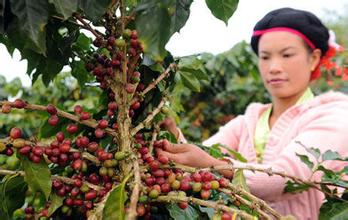
Detailed analysis and introduction of the operation techniques of coffee beans from picking to raw bean treatment.
Coffee bean processing: coffee berries must be processed immediately after picking to prevent pulp fermentation and decay. Coffee beans can be processed in two ways, wet and dry. The drying method is also called the natural method. Spread the coffee berries flat in the sun to dry. In the plantation, 50 square meters of coffee berries are spread on each hectare, or the fruit is placed in a special
2015-12-29 Coffee beans picking raw beans treatment method operation technology essentials details
Introduction to the treatment of raw coffee beans-semi-washing method
It is a relatively new and rare method. This method is also suitable for processing local coffee only in specific areas of some countries where there is a long drying period in the climate. The coffee produced by this method is sticky, and the mucus is not removed with fermentation in the tank. Therefore, the coffee produced by this semi-wet treatment contains moisture treatment.
2014-07-22 Coffee raw beans coffee bean treatment semi-washing method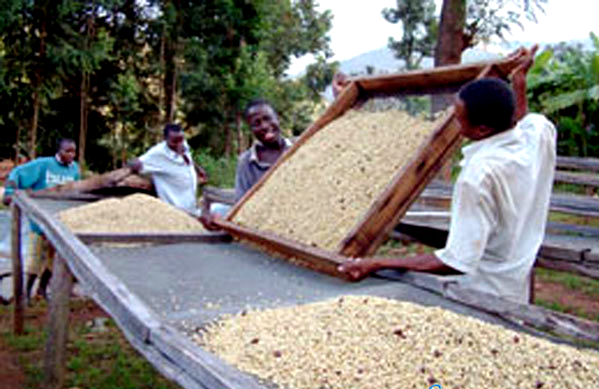
Introduction to the treatment of raw coffee beans: classification and introduction of various refining methods of coffee beans
Generally speaking, there are three kinds of treatment from coffee fruit to raw coffee bean: drying treatment, washing treatment, semi-dry and semi-wet treatment. What is the difference between the three steps? Which is better or worse? (drying in the sun field) drying treatment is the most primitive and simple treatment. 1. After the coffee fruit is actually harvested, it is sent to the sun field to spread evenly, and it is often turned so that the coffee fruit can be evenly distributed.
2015-12-18 Coffee raw beans treatment methods introduction coffee beans grown refined classified coffee
Introduction to the treatment of raw coffee beans-semi-washing method
It is a relatively new and rare method. This method is also suitable for processing local coffee only in specific areas of some countries where there is a long drying period in the climate. The coffee produced by this method is sticky, and the mucus is not removed with fermentation in the tank. Therefore, the coffee produced by this semi-wet treatment contains moisture treatment.
2015-11-04 Coffee raw beans treatment method introduction semi-water washing one comparison new and
Wet-treated Burundian coffee beans introduce Jackson bourbon varieties of boutique coffee
Acidity (brightness) (1-10): does not apply taste (layer) (1-10): does not apply taste (alcohol thickness) (1-5): does not apply aftertaste (residue) (1-10): does not apply balance (1-5): does not apply basic score (50): does not apply total score (maximum 100): does not apply strength / main attributes: medium strength / sweetness, fruit flavor, spicy aftertaste.
2016-07-06 Wet method treatment Burundi coffee beans introduction boutique coffee Jackson bourbon
Introduction of semi-washing method for the treatment of raw coffee beans
It is a relatively new and rare method. This method is also suitable for processing local coffee only in specific areas of some countries where there is a long drying period in the climate. The coffee produced by this method is sticky, and the mucus is not removed with fermentation in the tank. Therefore, the coffee produced by this semi-wet treatment contains moisture treatment.
2015-11-04 Coffee raw beans treatment method introduction semi-water washing one comparison new and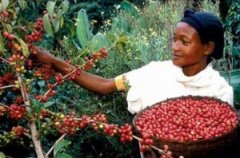
The birth of coffee beans (2) the methods of coffee bean treatment
Coffee bean processing when the hard bean farmers, will be ripe bright red coffee "cherry" pick down, coffee beans magical adventure will be launched. To convert a coffee fruit into a raw coffee bean, the peel and pulp of the coffee fruit need to be removed, leaving seeds or beans, and drying. This refining process usually has two main processing methods: washing (wet method) and drying.
2015-10-12 Coffee beans birth coffee beans treatment methods processing Dangxin bitter
Washed or dry? The relationship between the handling method and the level name
The coffee beans baked by us as ingredients are actually the seeds in the coffee fruit. Coffee farmers give the fruit another name, coffee cherry (Coffee Cherry). If the pulp is separated from the seed, and how to dry the seed into a state that is easy to preserve, the whole process is collectively referred to as treatment. Due to the effect of the treatment process on the quality and flavor of coffee beans
2015-04-14 Washing or drying handling method level name relationship we as