“total” search results (9179)
Q-Grader examination experience and examination form Coffee examination Notes
There are 8 major items and 20 subjects in the Q-Grader examination. The first major item (4 subjects) was tested together in 2 subjects, with a time limit of 1 hour; the second major item (1 subject) was graded for 1 hour; the third major item (2 subjects) was graded for cooked beans; the fourth major item (1 subject) was limited to 1 hour for organic acid; the fifth item (3 subjects) was limited for 1 hour; and the sixth major item (3 subjects) was limited for 1 hour.
2015-09-07 Q-Grader exam experience form Coffee instructions
The proportion of water in a cup of coffee is about 98.5%. The water quality affects the flavor of the coffee.
According to research, the proportion of water in a cup of coffee is about 98.5% 99%, and the substance extracted from coffee accounts for only 1% 1.5%, so water is a very important factor in determining the taste of coffee. Of course, the taste of coffee is also related to many factors: raw beans, roasting and making. In fact, not all water is suitable for making coffee. When we drink mineral water and pure water,
2016-06-13 One cup coffee reclaimed water proportion about 98.5% 99% water quality.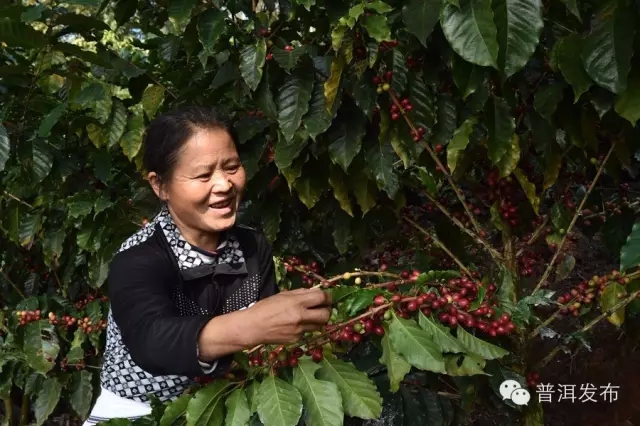
Yunnan Pu'er Coffee Manor Chinese Coffee Manor Yunnan Pu'er Coffee Coffee
Yunnan Pu'er coffee [output] compared with the popularity of Pu'er tea, the fame of Pu'er coffee is not commensurate with the output. Yunnan coffee production accounts for 98.8% of the country's total output; Pu'er coffee production accounts for 57.8% of Yunnan's total output; and the price of a cup of Starbucks coffee is equivalent to 25 cups of AA grade Yunnan coffee beans. [planting] in 2011, planting one mu of coffee trees in Pu'er could earn 4000 yuan and 8000 yuan.
2016-03-01 Yunnan Pu'er coffee manor China output comparison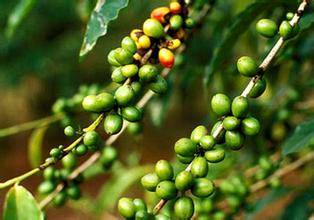
Introduction to the characteristic flavor of four forms of Ethiopian coffee beans grown and produced in Ethiopia coffee
Growth and production patterns: there are four growth production patterns in Ethiopia, and 95% of coffee is produced from these types or systems. 1. Forest grows in southern and southwestern Ethiopia, mostly wild or under natural forests. It provides natural shade for coffee trees, but the resistance is slightly weak. This production system accounts for about
2016-01-23 Esso Biya coffee growth production 4 species morphology Ethiopia coffee beans
Bolivian coffee production process
The first extraordinary Cup was held in Bolivia in 2004. A total of 13 boutique bean cups scored more than 84. Be selected into the gold list. The top three are all from Karanawi. Champion Dou scored as high as 90.44. The European and American jury was astonished. It is called the boutique coffee of Bolivia. It is as mellow as honey jade. The results of the 2009 Boro extraordinary Cup are even more eye-catching. It has a total score of more than 84 for 30 boutiques.
2016-06-05 Bolivia coffee mode of production production process 2004 citing
Learn about Brazilian coffee
Brazilian coffee taste with a low acidity, with the sweet and bitter taste of coffee, the entrance is extremely smooth, but also with a touch of grass aroma, in the fragrance slightly bitter, sweet smooth mouth, aftertaste can make people comfortable and carefree. Brazilian coffee refers to coffee produced in Brazil. There are many types of Brazilian coffee, most of which are unwashed and dried, depending on the state of origin.
2014-10-18 Coffee knowledge Fine coffee learning Brazilian coffee
An introduction to the characteristics of the pure Ethiopian Sidamasha Chiso coffee flavor manor.
Coffee is Ethiopia's main economic crop and the country's largest crop export and important industry. It accounts for 60% of Ethiopia's total export value and supports many small farms, as well as sugar, bananas and cotton. It is also Ethiopia's largest and important commodity export crop after oil, and it is also the largest export of Elaraby in Africa, in 1997.
2016-08-08 With pure Ethiopia Dharma Shaquiso coffee flavor taste manor
Introduction to Renas Manor in El Salvador Coffee Manor
UCAFES:Organization of coffee producity cooperatives of el salvador, 25% of the total output; UCRAPROBEX:Organization of Land Reform Coffee Producing Processing Cooperatives, including small farmers who had no land before the land reform, accounted for 10% of the total output; ABECAFE:Association of
2016-07-26 El Salvador coffee manor producing area flavor taste characteristics introduction Renas
Jiaxing imported coffee beans for the first time
Recently, the imported coffee beans accepted by Jiaxing Inspection and Quarantine Bureau for the first time have been successfully sold in the domestic market. The total amount of coffee beans is 15.5 tons, with a value of US $173000. The products include Yejia Fichel coffee raw beans, Sidamowoka coffee raw beans, Panamanian emerald, Ilida, Hartman and other manor-grade coffee raw beans, with a total of 16 varieties, which is by far the first in Jiaxing port.
2016-09-27 Jiaxing region first time foreign import coffee beans
Uganda coffee production area introduction Robert coffee beans West Ruwensori (Ruwensori)
Uganda's coffee exports from September to April totaled 1.44 million bags, down 0.5 per cent year-on-year, largely due to the prevalence since 1993 of claims that coffee is resistant to coffee blight, which is said to have destroyed 130 million coffee trees. Drought early in the season and harvest-season rains have contributed to the drop in coffee production, but it is expected that coffee production will continue to decline due to positive international market prices.
2016-06-27 Uganda Coffee Species Region Introduction Robb's Coffee Bean Western Venturi
The Green Dream of Yunnan Coffee
In 2012, Yunnan is expected to produce 60, 000 tons of coffee, accounting for 98% of the country's coffee production and 7/1000 of the world's coffee production. Pu'er City, as an important producing area of small grain coffee in Yunnan, by the end of 2011, the planting area of coffee is 439000 mu, the output is 28000 tons, the output value is 850 million yuan, the planting area and output account for more than half of the country respectively. This year, new plants will be planted in Pu'er City.
2014-04-27 Yunnan coffee green dream 2012 output forecast
Introduction of Nicaraguan coffee beans with mild taste and strong aroma
Coffee is Nicaragua's main export. According to the president of the Nicaraguan Coffee Farmers' Federation, due to the poor harvest of coffee in Nicaragua's Pacific region, the country's total coffee production in 1998 may be 12% lower than that in 1997. In the coffee year of 1997 and 1998, Nicaragua harvested 1.422 million bags of coffee (each bag of 46kg), which has been producing 1% of coffee in the past 14 years.
2016-06-23 Taste mild very fragrant Nicaragua coffee beans introduction coffee Niagara
The reason for the high acidity and thinness of the taste is suitable for brewing coffee at home.
Boutique coffee (specialty coffee) is also called specialty coffee selection coffee. It refers to coffee made from a small number of raw beans with excellent taste grown in an ideal geographical environment. Depending on the special soil and climatic conditions in which they grow, they have outstanding flavor. After strict selection and classification, this kind of coffee is hard in texture, rich in taste and stylish.
2016-06-28 Acidity high taste taste thin single cause suitable at home production
Description of Tanzanian Coffee Flavor with Chocolate aftertaste introduction to the characteristics of roasting area
Tanzania is rich in mineral resources. By 2014, the major minerals identified include gold, diamond, iron, nickel, phosphate, coal and various gemstones, ranking fifth in Africa in total. Tanzania also has huge natural gas reserves. According to official data released by Tanzania, Tanzania has proven natural gas reserves of 44 trillion cubic feet, and the total reserves are expected to be at least
2016-09-26 Chocolate aftertaste Tanzania coffee flavor description baking degree producing area
The coffee consumption market in South Korea still has room to rise.
According to a report on the website of North Korea Daily on September 29, South Korean East and West Foods released the "2013 South Korean Coffee Market Forecast" on the 29th of this month. South Koreans are expected to drink a total of 24.2 billion cups of coffee this year, with an average of 484 cups per person a year. This is an increase of 55% compared with the previous 2000 statistics, accounting for 2.1% of the world coffee market. It is expected today
2014-04-27 South Korea coffee consumer market still have rise space China.com September 30th
Coffee shop opening preparation process coffee shop start-up
First, capital planning: 1. Information collection: total funds, total sources, time constraints of capital turnover; 2. Preparation of investment estimates: start-up cost estimates, operating expenses estimates, investment income estimates; 3. List investment plan II. Market positioning: 1. Information collection: geographical environment, cultural environment, business environment, competitive environment; 2. Analysis of environmental conditions: strengths and weaknesses
2015-08-13 Coffee shop opening preparation process coffee shop entrepreneurship capital planning information acquisition
Top 10 countries of origin of coffee beans in the world-boutique coffee
If growing coffee beans is an Olympic sport, it is definitely an arduous marathon. It is said to be a marathon not only because African countries have long been dominant in the project. If you want to become a big coffee producer, you must have strong economic strength, complete infrastructure and a lot of government investment. At the same time, you must also ensure that your land and nature
2016-06-24 Global Top Ten Coffee beans Origin Fine products Coffee if planting
Burundian Coffee with excellent acidity Flavor description of Burundian Coffee characteristics of Fine Coffee beans
10.5 million (2014). It consists of three tribes: Hutu (84%), Tutsi (15%) and Tewa (1%). The official languages are Kirundy and French, Mandarin is Kirundy, and some residents speak Swahili. Among the residents, 61% believe in Catholicism, 24% believe in Protestantism, 3.2% believe in primitive religions, and the rest believe in other religions or do not. The proportion of the population is: male accounts for the total
2016-09-30 Acidity excellent Burundi coffee grinding flavor description boutique coffee beans special
Brazil Santos Coffee Bean Fine Coffee Bean
The variety comes from South America and Brazil is the world's number one coffee producer, accounting for about 30% of the world's total production. Almost all Santos coffee is produced in southeastern Brazil and is the best coffee in Brazil. Raw bean granules can be found from medium to large, but without green, they are neutral coffee. Brazil's "Vicky Gotti Manor" comes from Brazil's top boutique coffee estate "Fazenda\ Vargem Grande\"
2015-04-17 Xishan toast coffee beans boutique common sense variety from South America Brazil World
The difference between a creamy latte and a cappuccino is which sweet taste is made.
The ingredients of cappuccino and latte are exactly the same: milk, coffee and Espresso, the difference is that cappuccino milk foam accounts for at least half of the total cup amount, while latte milk foam should not exceed 10% of the total cup amount. In other words, cappuccino is based on milk foam, latte is based on milk. 2, the shape of the similarities and differences of cappuccino foam
2016-10-11 latte cappuccino difference which taste preparation method brewing way medium