“ripe” search results (7576)

Introduction of Coffee Flavor and Taste varieties in Cliff Manor
The secret of why Blue Mountain coffee tastes pure: their coffee trees are all grown on rugged hillsides, and the picking process is so difficult that non-local skilled female workers are simply unable to do it. It is very important to choose the right ripe coffee beans when picking. Immaturity or ripeness will affect the quality of the coffee. The picked coffee beans are shelled on the same day, and then let them ferment for 1218 hours.
2016-09-21 Cliff Manor Coffee Flavor Taste Variety producing area characteristics Fine goods
Yellow bourbon (Bourbon Amarello)
Yellow bourbon (Bourbon Amarello): the English name can also be written as [Yellow bourbon]. It is suitable for both shallow and deep baking. It is a bourbon variety of yellow skin peculiar to the state of Sao Paulo, Brazil. Generally speaking, the coffee fruit will turn red when it is ripe, but the bourbon will not turn red when it is ripe, so it gets its name from orange. Huang Boben has swept the Brazilian [COE] competition in the past two years, and almost all of the top three prizes were won by Huang Boben.
2014-06-30 Yellow bourbon boutique coffee beans
Sun treatment of Primary processing of Fine Coffee beans
Tanning is a traditional method for the initial processing of coffee beans, and at present, almost all coffee-growing countries such as Ethiopia and Yemen still use solarization to treat raw beans. Sun treatment will first identify sunken beans in the sink, that is, ripe or half-ripe beans are spread in the drying farm for natural drying. The specific time depends on the local climatic conditions, which usually takes two to four weeks.
2014-11-14 Coffee knowledge boutique coffee beans processing sun drying
Brazilian Coffee processing Panamanian Manor Coffee beans
When the coffee berries are ripe, they are usually harvested by manual picking. In some places, only the fully ripe berries are picked, while others are all picked from a single branch. The former is called handpicked and the latter is called strip-picking. Because the ripening time of coffee berries is not consistent, the harvest is likely to be divided into several stages.
2016-06-07 Brazil coffee processing process Panama manor coffee beans berries Cheng
The way to pick up beans: in the sun. Wash and bask in half the sun. Semi-washing
Everyone knows about oranges. Banana。 Apples and other fruits are rich in organic acids, immature fruits eat sour and astringent taste, ripe fruits taste sweet and delicious, because the organic acids of the fruit are converted into sugar.
2014-06-17 Coffee knowledge ways to pick up coffee beans coffee encyclopedia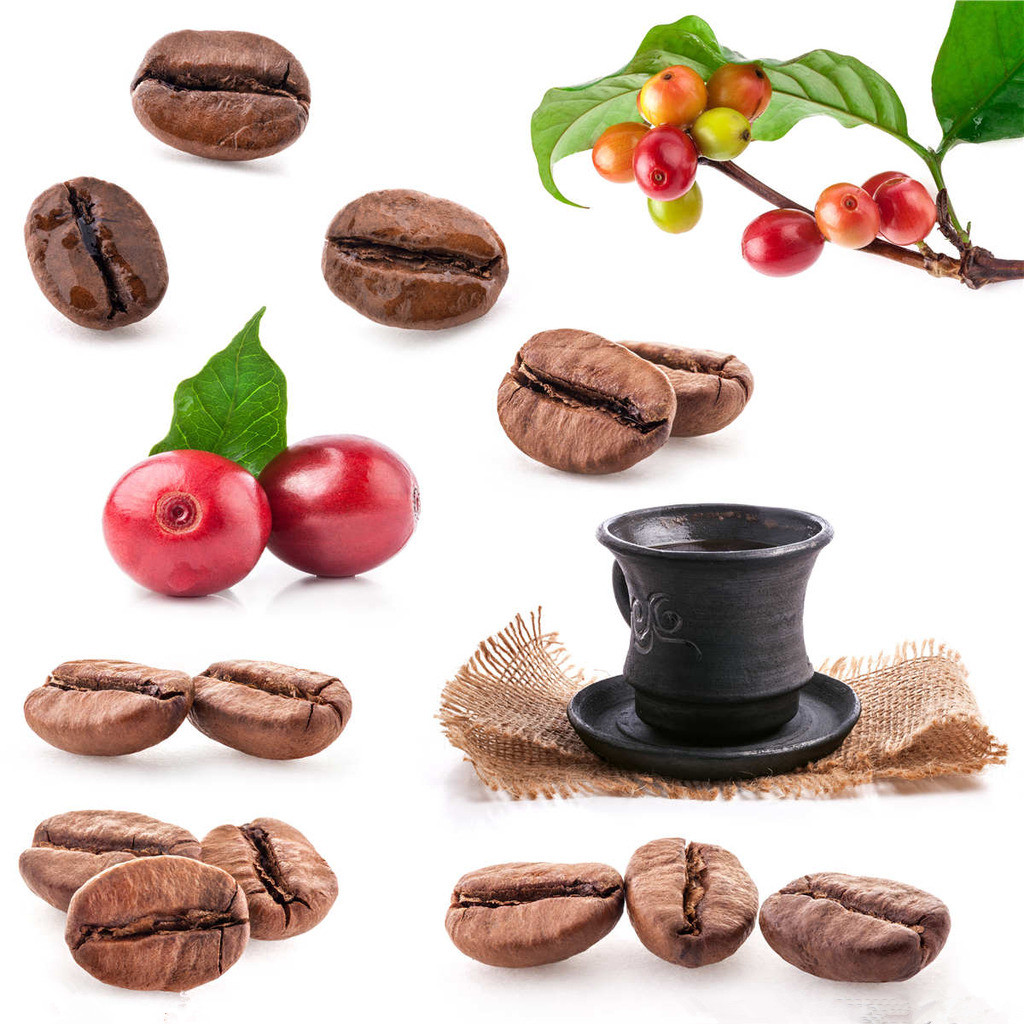
The journey of coffee beans: the movement of raw beans from seed beans across the ocean to ripe beans
Sandoz, Rio, Mocha, Amsterdam, Cuba. These are both worldwide port cities and coffee export and import ports. As a transportation terminal for coffee, these cities are very famous. Coffee can be transported by land and air depending on the situation, but most of it is still transported by sea. So some of the coffee is also named after the port. Such as Mocha, three degrees.
2015-12-17 Coffee beans travel raw beans moving seeds drifting across the sea cooked beans process degrees
The method of taking beans in the sun for the first processing
Tanning is a traditional method for the initial processing of coffee beans, and at present, almost all coffee-growing countries such as Ethiopia and Yemen still use solarization to treat raw beans. Sun treatment will first identify sunken beans in the sink, that is, ripe or half-ripe beans are spread in the drying farm for natural drying. The specific time depends on the local climatic conditions, which usually takes two to four weeks.
2014-09-29 Primary processing of coffee beans sun treatment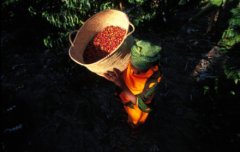
The method of taking beans from the processing of Coffee beans
Tanning is a traditional method for the initial processing of coffee beans, and at present, almost all coffee-growing countries such as Ethiopia and Yemen still use solarization to treat raw beans. Sun treatment will first identify sunken beans in the sink, that is, ripe or half-ripe beans are spread in the drying farm for natural drying. The specific time depends on the local climatic conditions, which usually takes two to four weeks.
2015-03-16 Coffee beans processing extraction methods solarization treatment tradition coffee beans beginning
From planting coffee trees to harvesting coffee beans
Coffee trees take 3-5 years from planting to fruiting. 6-10 years of coffee trees are the most likely to bear fruit, about 15-20 years, is the harvest period.
2014-07-14 Coffee knowledge coffee tree planting coffee planting process coffee beans
A brief introduction to the treatment of raw coffee beans
Tanning is a traditional method for the initial processing of coffee beans, and at present, almost all coffee-growing countries such as Ethiopia and Yemen still use solarization to treat raw beans. Sun treatment will first identify sunken beans in the sink, that is, ripe or half-ripe beans are spread in the drying farm for natural drying. The specific time depends on the local climatic conditions, which usually takes two to four weeks.
2014-09-23 Coffee knowledge coffee bean treatment tanning method
Deep roasting in Tara bead producing area of coffee ripe beans in Saint Roman Water washing Plant, Costa Rica
Boutique coffee is fresh coffee. Whether it's food or drink, of course, the fresh the better, and so is boutique coffee. High-quality coffee should keep the coffee beans fresh before making, including the preservation of baked beans, and grind the coffee beans into powder before making, which is also to retain its original and best flavor. And the way of making hand-made coffee is such a way to make high-quality coffee.
2016-07-04 Costa Rica Roman washing processing Plant Coffee cooked beans Tara producing area depth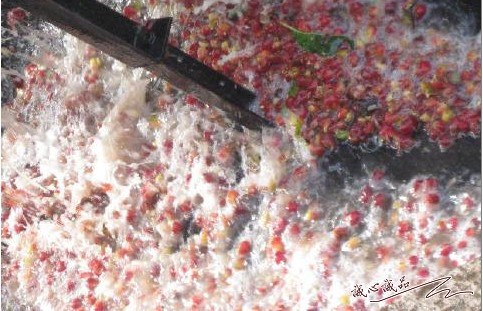
Harvest and production of coffee the processing and operation of coffee beans the picking of coffee beans
The collection time is different in different countries and regions. The harvest process requires a lot of manpower, especially high-quality coffee, which can only pick fully ripe brown coffee peaches. Since all coffee peaches do not ripen at the same time, you need to go back to the same tree many times to pick them. Coffee beans come from a ripe peach called cherrie.
2016-01-20 Coffee harvest production process coffee beans processing method operation technology picking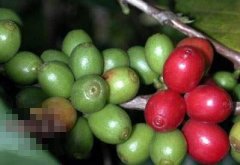
Coffee picking
Good quality coffee is handpicked one by one to maintain the perfect coffee taste.
2014-05-14 coffee knowledge coffee tree picking
Why does Blue Mountain Coffee taste so pure?
Their coffee trees are on rugged hillsides, and the picking process is so difficult that non-local skilled female workers are simply unable to do it. It is very important to choose the right ripe coffee beans when picking. Immaturity or ripeness will affect the quality of the coffee. The picked coffee beans are shelled on the same day, and then let them ferment for 1218 hours. After that, the coffee beans are washed and screened.
2015-10-22 Blue Mountain coffee why taste so pure
Rwanda Coffee East Africa recently a fast-growing boutique coffee producer, washing, elevated scaffolding Day
Like many African countries, Rwandan coffee is mainly produced by small farmers, and the ripe cherry fruits are collected and sent to the processing station every year during the harvest period. During the annual harvest period, the ripe coffee berries picked by farmers are concentrated in the treatment station for treatment, first selected by hand to ensure that no immature or damaged fruit is mixed in. Then peel off the peel in a cool, cold environment
2016-04-13 Rwanda coffee East Africa recently development rapid one boutique country of production washing
Nicaraguan Honey treats Red bourbon Fine Coffee Jim Molina Manor Honey treats ripe beans
Coffee bean details: 1. Country: Nicaragua 2. Production area: La Sabana, Madriz 3. Altitude: 1400-1450m 4. Harvest time: from December to March of the following year. Treatment method: honey treatment 6. Variety: red bourbon 7. Processing plant: Jaime Jose Molina Fiallos 8. Flavor: chocolate, red fruit, juice El Salvador is located in Central America, the north and Guatemala,
2016-03-10 Nicaragua processing Hongbo other species boutique single item coffee Jim Molly Zhuang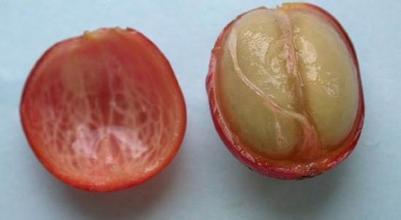
Coffee beans how to choose coffee beans? How to choose coffee beans? Buy coffee beans with ripe beans
How to choose coffee beans? How to choose coffee beans? As a matter of fact, at present, there is no unified classification in the coffee industry, and each producing country has its own classification. For example, Brazil sets NO.2 as the highest level and Jamaica sets NO.1 as the highest level. For individuals, because people's preferences and tastes are different, the grading can not be fully presented.
2016-03-22 Coffee beans how to choose how to buy cooked beans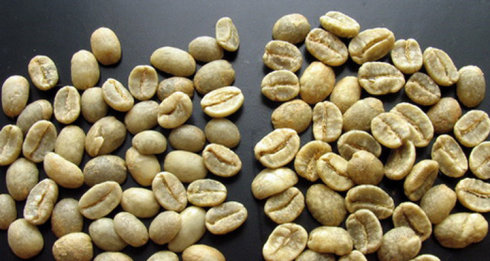
The difference between the two methods of tanning honey how to tell the difference between sunburn and sunburn is a traditional coffee.
Tanning is a traditional method for the initial processing of coffee beans, and at present, almost all coffee-growing countries such as Ethiopia and Yemen still use solarization to treat raw beans. Sun treatment will first identify sunken beans in the sink, that is, ripe or half-ripe beans are spread in the drying farm for natural drying. The specific time depends on the local climatic conditions, which usually takes two to four weeks.
2016-04-25 Insolation treatment two methods cause difference how distinction tradition solarization
The "secret" of the pure taste of Blue Mountain Coffee
Their coffee trees are on rugged hillsides, and the picking process is so difficult that non-local skilled female workers are simply unable to do it. It is very important to choose the right ripe coffee beans when picking. Immaturity or ripeness will affect the quality of the coffee. The picked coffee beans are shelled on the same day, and then let them ferment for 1218 hours. After that, the coffee beans are washed and screened.
2014-06-10 Blue Mountain Coffee taste secret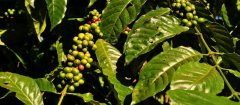
Muxiuyi, western province of Luanda, washed fine coffee, raw beans, single bourbon beans.
Like many African countries, Rwandan coffee is mainly produced by small farmers, and the ripe cherry fruits are collected and sent to the processing station every year during the harvest period. During the annual harvest period, the ripe coffee berries picked by farmers are concentrated in the treatment station for treatment, first selected by hand to ensure that no immature or damaged fruit is mixed in. Then remove the peel in a cool, cold ring
2016-05-20 Luanda Anda Western Province Muxiu Water washing Fine goods Coffee Raw beans single Product Bo