“parchment” search results (1236)
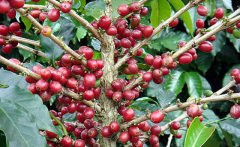
Ivorian boutique coffee
Ivorian boutique coffee has a strict grading system. Generally, raw beans are preserved in parchment coffee beans in the form of endocarp after processing, and the endocarp is removed before export. Go through a strict grading process to ensure the uniformity of quality. And the protection in the process of preservation and transportation is very important, such as temperature and humidity control, ventilation control, avoiding odor adsorption and so on.
2016-05-23 Ivory Coast boutique coffee strict grading system
Origin of Kenya Coffee Bean
Kenyan coffee arrived in Kenya in the 19th century, when Ethiopian coffee drinks were imported to Kenya via South Yemen. But it wasn't until the early 20th century that bourbon coffee trees were grown by St. Austin Mission introduced. Kenya coffee is mostly grown at altitudes of 1500- 2100 meters and harvested twice a year. to ensure that only
2016-06-15 Kenya coffee beans origins edit coffee 19th century into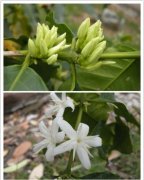
The growth and change of coffee fruit the color change of coffee in a lifetime
Coffee has undergone several color changes from seed to cup. The coffee tree has white flowers, and the coffee fruit is born dark green, which gradually changes to yellow in the process of ripening and finally becomes red. The raw coffee bean is wrapped in the coffee fruit, washed, dried and processed before it becomes a coffee seed wrapped in yellow parchment and then shelled and polished into jade.
2014-12-31 Coffee growth change raw color metamorphosis coffee seeds cups process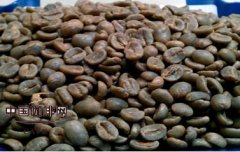
What is wet coffee? Basic knowledge of boutique coffee
This kind of coffee is peeled and separated from the pulp when the beans are still wet. Most of the world's most famous coffee is wet-processed to strengthen its acidity. In traditional wet processing, the coffee skins are separated and the peeled coffee beans are placed in a container so that the enzyme loosens the sticky peel or mucus (fermentation), and the loose fruit is then washed off (washed).
2015-01-27 What wet coffee boutique basics common sense this kind of coffee is in coffee beans
Basic knowledge of boutique coffee what is wet coffee?
This kind of coffee is peeled and separated from the pulp when the beans are still wet. Most of the world's most famous coffee is wet-processed to strengthen its acidity. In traditional wet processing, the coffee skins are separated and the peeled coffee beans are placed in a container so that the enzyme loosens the sticky peel or mucus (fermentation), and the loose fruit is then washed off (washed).
2014-12-17 Boutique coffee basics common sense what wet this kind of coffee is in the coffee beans
The origin of Kenyan coffee beans
It entered Kenya in the 19th century, when Ethiopian coffee drinks were imported into Kenya through southern Yemen. But it was not until the early 20th century that the bourbon was introduced by the St. Austen Mission (St.AustinMission). Kenyan coffee is mostly grown at an altitude of 1500m, 2100m, and is harvested twice a year. To ensure that only ripe berries are picked, people must be in the forest
2016-06-03 Kenya coffee beans origin 19th century entered Kenya at that time Ethiopia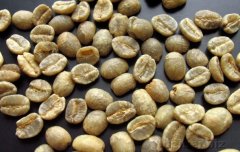
Kenya Coffee Raw Bean Kenya AA green bean
Coffee entered Kenya in the 19th century, when Ethiopian coffee drinks were imported into Kenya through southern Yemen. But it was not until the early 20th century that the bourbon was introduced by the St. Austin Mission. Kenyan coffee is mostly grown at an altitude of 1500 to 2100 meters and is harvested twice a year. To ensure that only ripe berries are picked, people must be in the forest
2015-07-01 Kenya coffee raw beans green bean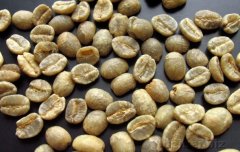
Kenya Coffee Raw Bean Kenya AA green bean
Kenya Coffee Raw Bean Kenya AA green bean Coffee entered Kenya in the 19th century, when Ethiopian coffee drinks were imported to Kenya through Southern Yemen. But it was not until the early 20th century that the bourbon was introduced by the St. Austin Mission. Kenyan coffee is mostly grown at an altitude of 1500 to 2100 meters and is harvested twice a year. Be correct
2015-09-12 Kenya coffee raw beans green bean
The life journey of coffee trees, from the planting of coffee trees to the harvest of coffee beans
(1) the seedling stage is the period from the germination of seeds (or cuttings or grafting) to the emergence of seedlings (the stage of raising seedlings in the nursery), about 0.5-1.5 years. After the coffee seeds were sown, the cotyledons began to be unearthed after a period of germination, which took about 30-100 days, and the length of time was closely related to temperature and humidity. Cotyledons must be removed after germination
2016-08-15 Coffee life journey planting coffee beans harvest seedling from seeds cuttings
Boutique Coffee learn Coffee Common sense what is wet coffee?
What is wet coffee? This kind of coffee is peeled and separated from the pulp when the beans are still wet. Most of the world's most famous coffee is wet-processed to strengthen its acidity. In traditional wet processing, the coffee skin is separated and the peeled coffee beans are placed in a container so that the enzyme loosens the sticky peel or mucus (fermentation), and then the loose fruit is washed.
2015-09-10 Boutique coffee common sense what wet this is in
Sumatran coffee bean elevation allusion meaning story price flavor description introduction
Sumatra Island, formerly known as Jindao and Jinzhou, is famous for its rich gold deposits. The topography of Sumatra is long and narrow. The topography of Sumatra is mainly from northwest to southeast of the island's Bali Mountains Barisan Mountains and the eastern lowlands. The mountains stretch, with more than 90 volcanoes and many volcanic lakes, volcanoes provide fertile soil suitable for coffee growth. For tropical rain forest climate
2016-10-20 Sumatra coffee beans altitude allusions meaning story price flavor description
Introduction to the flavor description of the planting environment of Kenyan Jinchu Coffee Variety, which is still strong in taste.
Kenyan coffee is mostly grown at an altitude of 1500m, 2100m, and is harvested twice a year. To ensure that only ripe berries are picked, people must tour the forest about seven times. Kenyan coffee is grown by small farmers. After they harvest the coffee, they first send the fresh coffee beans to the cooperative cleaning station, where the washed and dried coffee is covered with parchment beans.
2016-09-19 Taste still thick Kenya Jinchu coffee variety planting environment producing area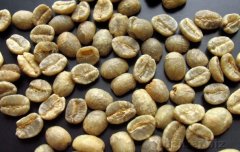
Boutique coffee beans introduce Kenyan coffee raw beans
Coffee entered Kenya in the 19th century, when Ethiopian coffee drinks were imported into Kenya through southern Yemen. But it was not until the early 20th century that the bourbon was introduced by the St. Austin Mission. Kenyan coffee is mostly grown at an altitude of 1500 to 2100 meters and is harvested twice a year. To ensure that only ripe berries are picked, people must be in the forest
2014-11-11 Coffee knowledge boutique coffee beans Kenya coffee raw beans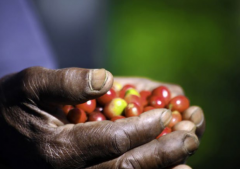
The process before the auction of coffee beans Ethiopian boutique coffee
Pre-auction process 1) farmers pick fresh coffee fruits; 2) farmers transport fresh fruits to rural cooperatives; 3) cooperatives sell fresh fruits to middlemen; 4) middlemen collect and transport fresh fruits to processing plants (washing or tanning process); 5) middlemen transport processed beans (with shell beans, Parchment Coffee) to auction houses to establish warehouses; 6) auction houses give official information.
2016-06-03 Coffee beans auctions processes Esso Biya boutiques coffee farmers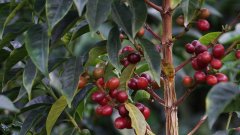
Nicaraguan boutique coffee coffee net black coffee
Boutique coffee has a strict grading system. Generally, raw beans are preserved in parchment coffee beans in the form of endocarp after processing, and the endocarp is removed before export. Go through a strict grading process to ensure the quality, especially the coffee harvested in early June. Ecuadorian coffee beans can be divided into two varieties: Galapagos and Gigante, both of which have large grains.
2016-05-25 Nicaragua boutique coffee strict grading system general raw
Boutique Coffee basic knowledge of Coffee what is wet coffee?
This kind of coffee is peeled and separated from the pulp when the beans are still wet. Most of the world's most famous coffee is wet-processed to strengthen its acidity. In traditional wet processing, the coffee skins are separated and the peeled coffee beans are placed in a container so that the enzyme loosens the sticky peel or mucus (fermentation), and the loose fruit is then washed off (washed).
2015-05-13 Boutique coffee basics common sense what wet this kind of coffee is in the coffee beans
What is wet coffee? Basic knowledge of introduction to Coffee
What is wet coffee? This kind of coffee is peeled and separated from the pulp when the beans are still wet. Most of the world's most famous coffee is wet-processed to strengthen its acidity. In traditional wet processing, the coffee skin is separated and the peeled coffee beans are placed in a container so that the enzyme loosens the sticky peel or mucus (fermentation), and then the loose fruit is washed.
2015-09-23 What wet coffee getting started basics common sense what this
The origin of the taste of Kenyan coffee
Kenyan coffee of origin Kenyan coffee entered Kenya in the 19th century, when Ethiopian coffee drinks were imported to Kenya through southern Yemen. But it was not until the early 20th century that the bourbon was introduced by the St. Austen Mission (St.AustinMission). Kenyan coffee is mostly grown at an altitude of 1500m, 2100m, and is harvested twice a year. To ensure that only mature
2016-06-14 Kenya coffee taste origin 19th century enter
The origin of Kenyan coffee popular African coffee beans
Kenyan Coffee, the origin editor, entered Kenya in the 19th century, when Ethiopian coffee drinks were imported to Kenya through South Yemen. But it was not until the early 20th century that the bourbon was introduced by the St. Austen Mission (St.AustinMission). Kenyan coffee is mostly grown at an altitude of 1500m, 2100m, and is harvested twice a year. To ensure that only ripe berries
2016-04-28 Kenya Coffee Origin popularity Africa Coffee beans Editor
Kenya Coffee Origin Delon Coffee Machine maintenance is expensive
Kenyan Coffee, the origin editor, entered Kenya in the 19th century, when Ethiopian coffee drinks were imported to Kenya through South Yemen. But it was not until the early 20th century that the bourbon was introduced by the St. Austen Mission (St.AustinMission). Kenyan coffee is mostly grown at an altitude of 1500m, 2100m, and is harvested twice a year. To ensure that only
2016-06-13 Kenya Coffee Origin Delon Coffee Machine maintenance Editor