“parchment” search results (1236)

Treatment of Coffee fruits Coffee bean treatment
I would like to introduce the treatment of coffee fruits and the comparison of different ways. The following picture shows an enlarged coffee bean with pectin, in which pectin, parchment, silver skin and raw beans are clearly distinguished. Classification of Processing Method Coffee Fruit treatment methods are divided into dry (Dry Processing) and wet (Wet Processing) treatments according to whether the peel is removed or not.
2015-09-01 Coffee fruit treatment way coffee beans everyone introduction coffee
Processing methods of Coffee beans in Coffee Encyclopedia
1. The processing method chosen by the processing method has a significant impact on the final price and quality of coffee. The first step in processing coffee beans is to dry them. There are two specific methods, the most whole-family processing method is called drying, which is used for unwashed coffee beans to produce lower-grade coffee beans, while the higher-quality coffee beans are processed by wet treatment, which is used for
2014-09-18 Coffee knowledge coffee bean processing coffee encyclopedia coffee technology
Description of Coffee Flavor in Berman Manor, Kenya; introduction to the grindability of fine coffee in producing areas
People in the coffee industry all think that Kenyan coffee is one of its favorite products because Kenyan coffee contains every feeling we want from a good cup of coffee. It has wonderful and satisfying aromas, well-balanced acidity, well-proportioned particles and excellent fruit flavors. The taste is so unique that there is almost no similar coffee. The characteristics of Kenyan coffee
2016-09-28 Kenny Abel Manor Coffee Flavor description Variety producing area characteristics Fine goods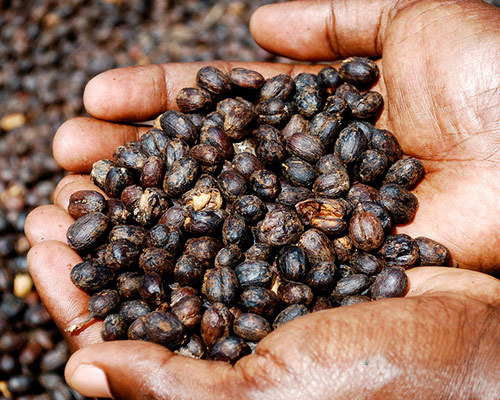
Please introduce the raw bean treatment method of coffee washing, semi-washing, sun drying and honey treatment in Costa Rica.
The first is dry treatment (secado), also known as natural all-day exposure (natural). After the coffee fruit is actually picked, it is dried directly in the sun. According to the weather conditions, it is generally necessary to dry the coffee beans for 2 weeks to reduce the water content of the coffee beans to 10%, 12%, and then use a machine to remove the dried peel and pulp. The raw bean processing plant (beneficio) usually keeps the outside of the coffee beans when the raw beans are stored.
2016-04-25 Introduction Coffee Water washing Solar treatment Raw beans one secado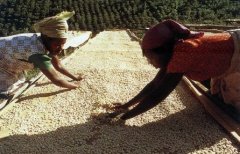
Coffee Technology Fine Coffee Fruit Coffee Bean Processing
There are two ways to prepare coffee beans for the coffee roasting process. The method chosen has a significant impact on the final price and quality of coffee. The cheapest method is called drying, which is used for lower quality coffee beans, while higher quality coffee beans are processed by wet processing. Drying is used on unwashed coffee beans. Wet treatment is used for thoroughly cleaned or semi-cleaned
2014-12-30 coffee technology boutique coffee beans processing roasting process preparation
Coffee and its products-terminology
The national standard of the people's Republic of China Coffee and its products Vocabulary GB/T 18007 1999 terms for coffee and its products this standard specifies the most commonly used terms for coffee and its products. This standard is applicable to the formulation and revision of relevant standards and documents, as well as the preparation and translation of professional manuals, teaching materials, books and periodicals. 2 Coffee nouns and definitions 2.1 General techniques
2015-08-14 Coffee and its products terms people's Republic of China national standards coffee
Introduction to the practice of coffee beans in Kenya
Kenyan coffee is mostly grown at an altitude of 1500m, 2100m, and is harvested twice a year. To ensure that only ripe berries are picked, people must tour the forest about seven times. Kenyan coffee is grown by small farmers. After they harvest the coffee, they first send the fresh coffee beans to the cooperative cleaning station, where the washed and dried coffee is covered with parchment beans.
2016-06-15 Kenya coffee beans practice introduction coffee multiplicity growing at altitude
Introduction to the characteristics of Kenyan coffee beans in Berman Manor
Kenyan coffee is mostly grown at an altitude of 1500m, 2100m, and is harvested twice a year. To ensure that only ripe berries are picked, people must tour the forest about seven times. Kenyan coffee is grown by small farmers. After they harvest the coffee, they first send the fresh coffee beans to the cooperative cleaning station, where the washed and dried coffee is covered with parchment beans.
2016-07-20 Kenya flavor taste manor producing area introduction Berman coffee beans characteristics Ken
Introduction to the characteristics and taste of Kenyan coffee manor with bright fruit flavor
Kenyan coffee is mostly grown at an altitude of 1500m, 2100m, and is harvested twice a year. To ensure that only ripe berries are picked, people must tour the forest about seven times. Kenyan coffee is grown by small farmers. After they harvest the coffee, they first send the fresh coffee beans to the cooperative cleaning station, where the washed and dried coffee is covered with parchment beans.
2016-08-24 Fruit bright flavor Kenya coffee manor producing area characteristics taste variety
Common sense of coffee processing and identification of coffee beans
Drying is a method of preparing coffee beans for the roasting process. It is the cheapest, simplest and most traditional processing method of coffee beans. When processing, the harvested fruit should be spread on the cement floor, brick floor or straw mat. Ideally, the fruits should be raked flat in the sun and at regular intervals to prevent fermentation. About four weeks later, each fruit
2014-11-10 Coffee knowledge coffee common sense coffee beans processing identification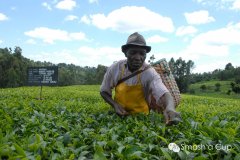
This article will take you into the world of coffee, a complete introduction to fine coffee.
Most Arabica coffee beans mature from June to August and Robart coffee beans from September to October. Therefore, although in some countries where the dry and wet seasons are not obvious, such as Colombia and Kenya, there are two flowering periods a year, that is, two harvests, strictly speaking, only once a year. Due to different regions, the harvest time is also different. North of the equator (eg Ethiopia
2016-06-13 This article take you enter coffee world boutique introduction complete solution most
Basic knowledge of coffee processing and identification of coffee beans
Drying is a method of preparing coffee beans for the roasting process. It is the cheapest, simplest and most traditional processing method of coffee beans. When processing, the harvested fruit should be spread on the cement floor, brick floor or straw mat. Ideally, the fruits should be raked flat in the sun and at regular intervals to prevent fermentation. About four weeks later, each fruit
2015-04-20 Coffee basics common sense coffee beans processing identification drying roasting process preparation
The flavor and taste characteristics of the boutique coffee bean manor in Jinchu Valley, Kenya, which is still strong in taste.
Kenyan coffee is mostly grown at an altitude of 1500m, 2100m, and is harvested twice a year. To ensure that only ripe berries are picked, people must tour the forest about seven times. Kenyan coffee is grown by small farmers. After they harvest the coffee, they first send the fresh coffee beans to the cooperative cleaning station, where the washed and dried coffee is covered with parchment beans.
2016-09-07 Taste still thick Kenya Jinchu boutique coffee beans manor producing area wind
The taste of Kenyan coffee is rich and perfect. Introduction to the characteristics of fine coffee in the manor area.
Kenyan coffee is mostly grown at an altitude of 1500m, 2100m, and is harvested twice a year. To ensure that only ripe berries are picked, people must tour the forest about seven times. Kenyan coffee is grown by small farmers. After they harvest the coffee, they first send the fresh coffee beans to the cooperative cleaning station, where the washed and dried coffee is covered with parchment beans.
2016-08-23 Taste rich beautiful Kenya coffee flavor manor producing area characteristics boutique
Introduction to the treatment method of grinding degree for describing the taste and flavor of Ethiopian Sidamo Chiso coffee
Sidamo Shakiso production area a) Gr-1 is available both in washing and in the sun, on the condition that there are zero defects and Premium Cup. Whether it's washing or tanning, Gr-1 rates the boutique of the boutique or Cup ofExcellence coffee. B) the lowest level of sun-tanned Sheffield and Sidamo is Gr-4, unlike Gemma with Gr-5. But if sunny snow is the general exporter of Gr-4, Egypt will use
2016-10-20 Ethiopia Dharma Shaquiso Coffee Grade Taste Flavor description Grinding
Introduction to the characteristics of Flavor description and Grinding degree of Yisopiajajara Coffee in Kenya
Kenyan coffee is mostly grown at 15002100 meters above sea level and is harvested twice a year. To ensure that only ripe berries are picked, people must tour the forest about seven times. Kenyan coffee is grown by small farmers. After they harvest the coffee, they first send the fresh coffee beans to the cooperative cleaning station, where the washed and dried coffee is covered with parchment beans.
2016-10-24 Kenya Yesso Pia Hara Coffee Flavor description Grinding characteristics varieties
Summary of the conversion rate of cooked beans in the training and teaching of coffee roasters
Every coffee bean should be cherished. There is such a set of data: a coffee tree can pick 3-5 kilograms of coffee fruit a year. After complex processing, it can only get parchment coffee, which accounts for 5 pounds of coffee fruit. The processing plant with better drying rate can probably get more than 5 rough processed beans. The conversion rate from seed to ripe bean is about 5 kg fruit = 1 kg.
2015-09-02 Coffee roasting training teaching summary cooked beans conversion rate one coffee beans all
Introduction to the characteristics of roasting degree and grindness of Kenyan Jinchu Coffee varieties
Kenyan coffee is mostly grown at an altitude of 1500m, 2100m, and is harvested twice a year. To ensure that only ripe berries are picked, people must tour the forest about seven times. Kenyan coffee is grown by small farmers. After they harvest the coffee, they first send the fresh coffee beans to the cooperative cleaning station, where the washed and dried coffee is covered with parchment beans.
2016-10-17 Kenya Jinchu coffee roasting degree grinding characteristics variety taste treatment
An introduction to the coffee flavor and taste area of Burman Manor in Kenya.
Kenyan coffee is mostly grown at an altitude of 1500m, 2100m, and is harvested twice a year. To ensure that only ripe berries are picked, people must tour the forest about seven times. Kenyan coffee is grown by small farmers. After they harvest the coffee, they first send the fresh coffee beans to the cooperative cleaning station, where the washed and dried coffee is covered with parchment beans.
2016-09-06 Aftertaste endless Kenny Abel Manor Coffee Flavor Taste producing area characteristics
Introduction of Kenyan Coffee Bean species Kenya Coffee Farm
Kenyan coffee is mostly grown at an altitude of 1500m, 2100m, and is harvested twice a year. To ensure that only ripe berries are picked, people must tour the forest about seven times. Kenyan coffee is grown by small farmers. After they harvest the coffee, they first send the fresh coffee beans to the cooperative cleaning station, where the washed and dried coffee is covered with parchment beans.
2016-05-25 Kenya coffee beans species introduction coffee manor polygamy