“bland” search results (345)
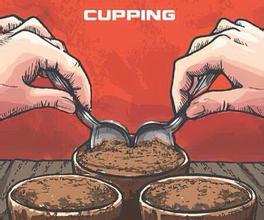
Analysis of coffee cup testing knowledge points: introduction of common terms in Chinese and English for coffee cup testing
When testing a cup of coffee, we should distinguish whether the flavor, alcohol thickness, acidity and wet aroma of the coffee are pleasant. Most cup tasters use the following criteria to judge coffee. While tasting the coffee, you should try to discern whether the flavor, body, acidity and aroma of the coffee is pleasant, or unplea
2015-12-26 Coffee cup knowledge point analysis common Chinese and English terminology introduction understanding cup test
Coffee dictionary
When tasting the term Testing Terms, it is necessary to distinguish between the taste, taste, acidity and aroma of coffee. The following are the judgment criteria of most tasters. While tasting the coffee, you should try to discern whether the flavor, body, acidity and aroma of the coffee is pleasant, or unpleasant.
2014-07-25 Coffee dictionary coffee encyclopedia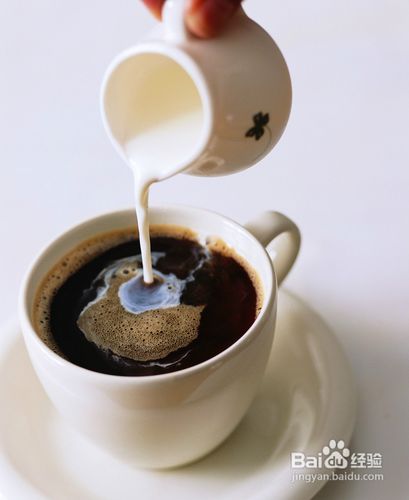
Introduction to the flavor of individual coffee
Light [Bland]: coffee grown in lowlands, usually quite light and tasteless. Coffee with insufficient coffee powder and too much water will have the same light effect. Salty [Briny]: after brewing, if the coffee is overheated, it will produce a salty taste. The fragrance of the earth [Earthy]: commonly used to describe the spicy and earthy Indonesia
2016-06-13 Item Coffee Flavor introduction Light Bland long in lowland
Basic knowledge of fine coffee terminology for coffee cups
When we measure coffee, we should distinguish whether the flavor, mellow thickness, acidity and wet aroma of the coffee are pleasant. Most cup tasters use the following criteria to judge coffee. While tasting the coffee, you should try to discern whether the flavor, body, acidity and aroma of the coffee is pleasa
2014-11-19 Coffee knowledge coffee basics coffee common sense coffee cup testing terminology
Food and gourmet English vocabulary Daquan coffee terminology
Flavor [flavor] Acidity [acidity] Body [alcohol] Aroma [smell] Bitter [bitter] Bland [light] Briny [salty] Earthy [earthy aroma] Exotic [unique] Mellow [aromatic alcohol] Mild [mild] Soft [acidity] Spicy [spice] Strong [strong] Sweet [sweet] Wil
2015-02-25 Diet gourmet food English vocabulary Daquan coffee terminology Flavor flavor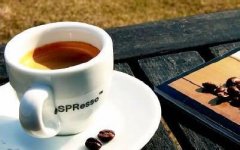
Gourmet Food English Vocabulary: coffee terminology
Flavor [flavor] Acidity [acidity] Body [alcohol] Aroma [smell] Bitter [bitter] Bland [light] Briny [salty] Earthy [earthy aroma] Exotic [unique] Mellow [aromatic alcohol] Mild [mild] Soft [acidity] Spicy [spice] Strong [strong] Sweet [sweet] Wil
2015-06-06 Diet gourmet food English vocabulary Daquan coffee terminology Flavor flavor
Gourmet Food English Vocabulary: coffee terminology
Flavor [flavor] Acidity [acidity] Body [alcohol] Aroma [smell] Bitter [bitter] Bland [light] Briny [salty] Earthy [earthy aroma] Exotic [unique] Mellow [aromatic alcohol] Mild [mild] Soft [acidity] Spicy [spice] Strong [strong] Sweet [sweet] Wil
2015-07-24 Diet gourmet food English vocabulary Daquan coffee terminology Flavor flavor
Gourmet Food English Vocabulary: coffee terminology
Flavor [flavor] Acidity [acidity] Body [alcohol] Aroma [smell] Bitter [bitter] Bland [light] Briny [salty] Earthy [earthy aroma] Exotic [unique] Mellow [aromatic alcohol] Mild [mild] Soft [acidity] Spicy [spice] Strong [strong] Sweet [sweet] Wil
2015-09-16 Diet gourmet food English vocabulary Daquan coffee terminology Flavor flavor
Introduction to the flavor of Kopi Luwak Manor in Indonesia
Kopi Luwak is produced by the feces of Indonesian coconut cats (a kind of civet) as raw materials, so it is called Kopi Luwak. This kind of animal mainly feeds on coffee beans. After completing fermentation in the coconut cat's stomach, it destroys proteins, produces short peptides and more free amino acids, reduces the bitterness of coffee, and then excretes feces as the main raw material. Because coffee beans cannot be digested, they will be
2016-07-13 Indonesia Cat poop Coffee Manor producing area Flavor introduction Fuyin Cat shit
Introduction to Indonesian Coconut Cat (Musk Cat) of Kopi Luwak
Kopi Luwak is produced by the feces of Indonesian coconut cats (a kind of civet) as raw materials, so it is called Kopi Luwak. This kind of animal mainly feeds on coffee beans. After completing fermentation in the coconut cat's stomach, it destroys proteins, produces short peptides and more free amino acids, reduces the bitterness of coffee, and then excretes feces as the main raw material. Because coffee beans cannot be digested, they will be
2016-06-17 Cat shit coffee Indonesia coconut musk introduction cat shit is made by
What are the characteristics of coffee made from Brazilian coffee beans
Brazil seems to have not been a favorite coffee producing area for many boutique coffee lovers, and many people's understanding of Brazilian coffee beans is also due to the derogatory effects such as insipid taste and lack of texture.
2014-06-06 Coffee knowledge Brazilian coffee coffee bean characteristics coffee encyclopedia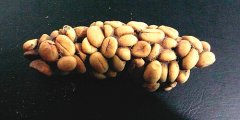
Civet boutique coffee introduction civet coffee unique quality civet coffee acidity civet
Civet Coffee (Kopi Luwak), native to Indonesia. It is one of the most expensive coffee in the world, with a price of several hundred dollars per pound. It is extracted from the feces of the civet and processed. The civet eats the ripe coffee fruit and is excreted through the digestive system. After it is fermented through the stomach, the coffee produced has a special taste and has become a hot spot in the international market.
2016-03-22 Musk boutique coffee introduction uniqueness quality acidity musk cat shit
Rich and round Indonesian civet coffee flavor taste manor features boutique coffee beans introduction
In the coffee industry, Kopi Luwak is widely regarded as a product with novelty as the selling point. The American Special Coffee Association (Specialty Coffee Association of America,SCAA) says the industry consensus is that it tastes bad. SCAA quoted a coffee expert as saying: obviously, the selling point of Kopi Luwak is its story, not its quality. Adopt SCAA
2016-08-12 Rich round Indonesian musk coffee flavor taste manor producing area characteristics
Brazilian big country boutique coffee beans
For Brazilian coffee, you will remember a lot of impressions about it without making more introductions. Brazil is the largest coffee producer in the world, producing not only fine coffee with fine washing quality, but also ordinary commercial coffee. Many people think that Brazilian coffee is mediocre, without the freshness and clearness of Sino-American coffee, nor the wild richness of African coffee, or even compared with neighboring brothers.
2014-09-02 Brazil boutique coffee beans
Description characteristics of mature and sweet civet coffee flavor introduction of high-quality coffee beans in producing areas
Indonesian coconut cats are omnivores. Apart from eating seeds, they also eat insects, snakes, birds, amphibians and reptiles, so the feces emitted by really wild coconut cats will be mixed with all kinds of substances. Local farmers in Indonesia catch coconut cats to raise them and feed coffee beans to make them. But after all, there are some differences between artificial cultivation and natural ones. Civet, coffee, civet.
2016-10-10 Ripe sweet musk coffee flavor description characteristics variety producing area boutique
The characteristic flavor of civet coffee
Kopi Luwak is produced by the feces of Indonesian coconut cats (a kind of civet) as raw materials, so it is called Kopi Luwak. This kind of animal mainly feeds on coffee beans. After completing fermentation in the coconut cat's stomach, it destroys proteins, produces short peptides and more free amino acids, reduces the bitterness of coffee, and then excretes feces as the main raw material. Because coffee beans cannot be digested, they will be
2016-08-30 Musk coffee characteristics flavor cat shit is made from Indonesia coconut a kind of
Introduction to the characteristics of Muscat Coffee Flavor description and its Flavor
1. After Indonesians remove the silver-gray film on the appearance of coffee beans, wash them with water, dry them in the sun, and then stir-fry them, they become cat shit coffee beans. 2. Only about 150 grams of coffee beans can be extracted from a jin of civets' feces, which will cause 20% loss in the baking process. Due to the unique raw materials and processing technology, this kind of coffee can be said to be very rare and supplied every year.
2016-10-15 Musk coffee flavor description treatment characteristics variety grinding taste introduction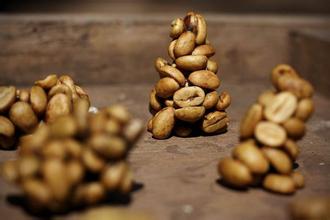
Civet coffee boutique coffee beans Kopi Luwak latest coffee information unique flavor
Kopi Luwak is produced by the feces of Indonesian coconut cats (a kind of civet) as raw materials, so it is called Kopi Luwak. This kind of animal mainly feeds on coffee beans. After completing fermentation in the coconut cat's stomach, it destroys proteins, produces short peptides and more free amino acids, reduces the bitterness of coffee, and then excretes feces as the main raw material. Because coffee beans cannot be digested, they will be
2016-01-02 Musk coffee boutique coffee beans cat shit latest information flavor unique
The flavor of coffee describes the origin, taste and characteristics of coffee
Bitter bitterness is a basic sense of taste, the sensory area is distributed in the base of the tongue. The bitterness of dark baking is deliberately created, but the most common cause of bitterness is too much coffee powder and too little water. Bitterness is not a consent word for sour. Bland [light] Coffee grown in lowlands is usually quite light and tasteless. Coffee powder content
2016-06-05 Coffee flavor description origin taste characteristics introduction Bitter bitterness
Introduction of Indonesian Fine Coffee Muscat Coffee Bean Kopi Luwak Flavor taste Manor
Coconut cats are omnivores. In addition to eating seeds, they also eat insects, snakes, birds, amphibians and reptiles, so the feces discharged by really wild coconut cats will be mixed with all kinds of substances. Local farmers in Indonesia catch coconut cats to raise them and feed coffee beans to make them. But after all, there are some differences between artificial cultivation and natural ones. Civet coffee
2016-07-11 Indonesia boutique coffee musk coffee beans cat shit flavor taste manor