“bland” search results (345)

Characteristics of Grinding degree of Coffee Coffee from Musk Coffee introduction to the processing method of fine coffee beans in producing areas
Kopi Luwak is produced by the feces of Indonesian coconut cats (a kind of civet) as raw materials, so it is called Kopi Luwak. This kind of animal mainly feeds on coffee beans. After completing fermentation in the coconut cat's stomach, it destroys proteins, produces short peptides and more free amino acids, reduces the bitterness of coffee, and then excretes feces as the main raw material. Because coffee beans cannot be digested, they will be
2016-10-10 Musk coffee grinding characteristics varieties producing areas boutique coffee beans treatment methods
Introduction to the fermentation process of flavor and taste of price varieties of civet coffee
In the coffee industry, Kopi Luwak is widely regarded as a product with novelty as the selling point. The American Special Coffee Association (Specialty Coffee Association of America,SCAA) says the industry consensus is that it tastes bad. SCAA quoted a coffee expert as saying: obviously, the selling point of Kopi Luwak is its story, not its quality. Adopt SCAA
2016-09-20 Musk coffee price variety flavor taste fermentation process introduction
Indonesian civet coffee flavor taste introduction boutique coffee bean Kopi Luwak
Kopi Luwak is produced by the feces of Indonesian coconut cats (a kind of civet) as raw materials, so it is called Kopi Luwak. This kind of animal mainly feeds on coffee beans. After completing fermentation in the coconut cat's stomach, it destroys proteins, produces short peptides and more free amino acids, reduces the bitterness of coffee, and then excretes feces as the main raw material. Because coffee beans cannot be digested, they will be
2016-07-21 Indonesia musk coffee flavor taste introduction boutique coffee beans cat shit
Introduction of Uganda Coffee Estate Varieties with Similar Flavors
Uganda is mostly located in the Central African Plateau, with many lakes, with an average altitude of 1000-1200 meters. There are many intermountain lakes and plateaus, which are known as plateau water towns. The western branch of the Great Rift Valley runs through the western border, and there are many rivers and lakes at the bottom of the valley. Uganda has a Victoria Lake, coupled with many mountains in the territory, making Uganda, although across the equator, but mild climate, suitable for coffee cultivation. Uganda is right and wrong
2016-09-18 have approximate taste Uganda coffee estate region variety characteristics presentation
Introduction to the unique flavor of Indonesian civet coffee flavor and taste of fine coffee in manor area
The male of the cat has a pair of well-developed cystic aromatic glands near the perineum under the anus, and the male opens a pear-shaped sachet between the testis and the penis. There is a longitudinal crest in the front of the inner wall and 3-4 folds on both sides. There are two deep and large depressions on each side, with short hairs on the inner wall; the sachet opened by the female is mostly square, and there is only one in the middle of the inner wall.
2016-09-06 Unique flavor Indonesia musk coffee taste manor producing area characteristics boutique
How much is the boutique coffee beans? a jin of Panamanian coffee Panamanian coffee beans taste civet coffee
Kopi Luwak is made in Indonesia. In the early 18th century, the Dutch established coffee plantations in the Indonesian colonies of Sumatra and Java, and banned locals from picking and eating their own coffee fruits. Indonesian locals inadvertently found that civets love to eat these coffee fruits and will drain the beans intact when defecating. The civet can only pick the most familiar.
2016-05-04 Boutique coffee beans less money one jin Panama coffee taste musk
Cat poop, musk, cat nest coffee.
Kopi Luwak is produced by the feces of Indonesian coconut cats (a kind of civet) as raw materials, so it is called Kopi Luwak. This kind of animal mainly feeds on coffee beans. After completing fermentation in the coconut cat's stomach, it destroys proteins, produces short peptides and more free amino acids, reduces the bitterness of coffee, and then excretes feces as the main raw material. Because coffee beans cannot be digested, they will be
2016-08-29 Cat poop musk cat nest coffee
Introduction to the characteristics of Indonesian boutique coffee civet coffee flavor and taste manor area
The male of the cat has a pair of well-developed cystic aromatic glands near the perineum under the anus, and the male opens a pear-shaped sachet between the testis and the penis. There is a longitudinal crest in the front of the inner wall and 3-4 folds on both sides. There are two deep and large depressions on each side, with short hairs on the inner wall; the sachet opened by the female is mostly square, and there is only one in the middle of the inner wall.
2016-08-22 Indonesia boutique coffee musk flavor taste manor producing area characteristics introduction
Coffee Terms Coffee Tasting Bitterness Sour Aroma Taste Chinese Coffee Net
Coffee tasting is a highly technical discipline, and there are many terms to choose from. We list some of the simplest and most commonly used here. If you have the opportunity to read professional books on coffee in the future, I believe you will send them to use them.
2016-04-22 coffee terminology taste bitterness sourness aroma chinese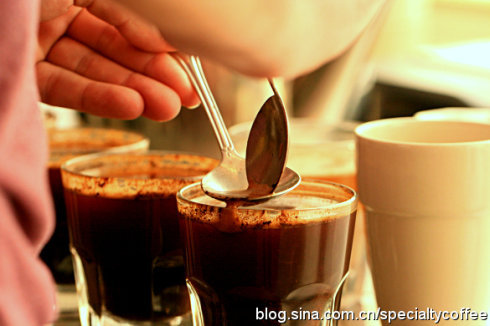
Identification of the quality of coffee beans: a detailed introduction of coffee cup testing terms
When testing a cup of coffee, we should distinguish whether the flavor, alcohol thickness, acidity and wet aroma of the coffee are pleasant. Most cup tasters use the following criteria to judge coffee. While tasting the coffee, you should try to discern whether the flavor, body, acidity and aroma of the coffee is pleasant, or unplea
2015-12-15 Coffee beans quality bad identification way coffee cup terminology detail introduction cup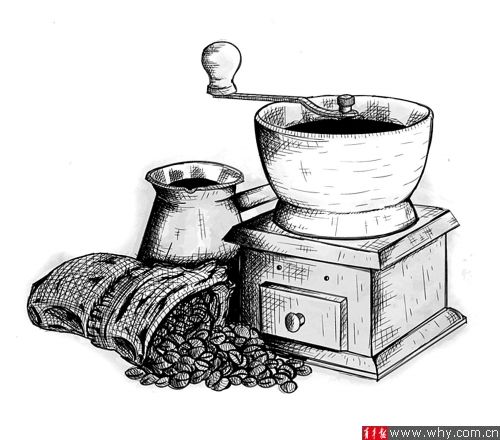
Who makes better coffee, people or machines?
Zhou Peijun draws that in winter, every rush hour and afternoon in moments will be brushed by a cup of coffee. Tasting coffee is a very personal thing, so discussing what is good coffee has always been a complicated matter. At present, the market is still divided into manual pie and machine pie, so who makes better coffee? Youth Daily reporter Chen Shisong coffee machine changes mass rush
2015-11-09 Who makes coffee better or machine Zhou Peijun as soon as winter friends circle
Coffee tasting technology-terminology for coffee cup testing
When we measure coffee, we should distinguish whether the flavor, mellow thickness, acidity and wet aroma of the coffee are pleasant. Most cup tasters use the following criteria to judge coffee. While tasting the coffee, you should try to discern whether the flavor, body, acidity and aroma of the coffee is pleasa
2014-09-28 Coffee knowledge coffee tasting technology coffee cup testing terminology
Basic knowledge of fine coffee terminology of coffee cup product (cup test)
When we measure coffee, we should distinguish whether the flavor, mellow thickness, acidity and wet aroma of the coffee are pleasant. Most cup tasters use the following criteria to judge coffee. While tasting the coffee, you should try to discern whether the flavor, body, acidity and aroma of the coffee is pleasa
2014-12-26 Boutique coffee basics common sense coffee cup cup test terminology cup
Coffee cup taste (cup test) terms that must be understood when tasting coffee.
When we measure coffee, we should distinguish whether the flavor, mellow thickness, acidity and wet aroma of the coffee are pleasant. Most cup tasters use the following criteria to judge coffee. While tasting the coffee, you should try to discern whether the flavor, body, acidity and aroma of the coffee is pleasa
2015-10-12 Coffee cup cup test terminology coffee tasting must understand words coffee cup art
Aroma terms that baristas should know
Flavor: flavor, Acidity: acidity, Body: mellow, Aroma: smell, Bitter: bitter, Bland: light, Briny: salty, Earthy: earthy aroma, Exotic: uniqueness, Mellow: aromatic alcohol, Mild: mild, Soft: moist, Sour: sour, Spicy: spicy, Strong: strong, Sweet: sweet, Wild: wild, Winy: wine taste
2014-06-10 Coffee knowledge coffee encyclopedia coffee aroma
Raw bean Indonesia Java Robusta in Robusta, Java, Indonesia
In the early 1970s, Java cut down Arabica trees introduced by most Dutch and planted Robbosa beans instead. Since then, Java coffee has become greasy, plain, and has a strong smell of wheat and tea.
2014-07-03 Indonesian Java coffee beans Java Robusta raw beans Indonesian boutique coffee beans
Brazilian champion bean
The mention of Brazil is reminiscent of coffee. To this day, Brazil is worthy of the title of coffee giant. But it seems that many people's understanding of Brazilian coffee is relatively general, lack of flavor, mainly used for commercial coffee, instant coffee.
2014-07-03 Coffee knowledge Brazilian coffee beans coffee encyclopedia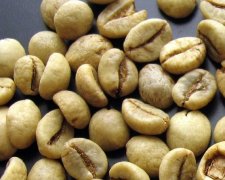
Indonesia Java Robusta Green Beans
Indonesia Java robusta green bean In the early 1970s Java cut down most of the Arabica trees introduced by the Dutch and planted robusta beans instead. Since then Java coffee has become greasy, bland and has a strong smell of wheat tea. Of the few remaining Arabica estates, Djampit is the most famous.
2015-06-04 well-known coffee green beans presentation Indonesia Java Robbs Booth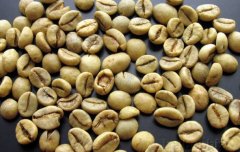
Raw bean Indonesia Java Robusta in Robusta, Java, Indonesia
Java Robusta raw beans Indonesia Java robusta green bean in Indonesia in the early 1970s, Java cut down Arabica trees introduced by most Dutch and planted Robbosa beans instead. Since then, Java coffee has become greasy, plain, and has a strong smell of wheat and tea. Of the few remaining Arabica estates, Djampit is the most famous.
2015-09-12 Indonesia Java Robbs Booth Shengdou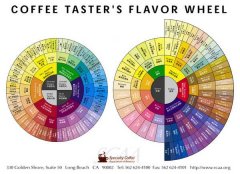
SCAA Flavor Wheel Coffee Tasters Flavor Wheel bilingual PDF download
Mas Enzymatic Flowery Floral Jasmine Wintergreen Fragrant Cardamon, Caraway Sweet Basil, Anise Fruity Citrus Lemon Tangerine Berry-like Raspberry Blackberry Herby Alliaceous Onion Garlic Leguminous Cabbage Alfalfa Sugar Browning Nutty Nut-
2015-10-24 SCAA flavor Coffee Tasters Flavor