“area” search results (31627)

Guatemala Coffee Volcano producing areas Atitlan, Waijangs Plateau, Mini Nanguo Highlands
. Traditional Traditional Atitln is one of the five largest volcanic coffee producing areas in Guatemala, and its soil organic matter is the most abundant among the five major volcanic coffee producing areas. 90% of the traditional Atilan coffee is grown on the violent volcanic slopes of Lake Attilan. The daily breeze stirs the lake water, which is an important factor affecting the microclimate and environment of the region.
2016-06-17 Guatemala coffee volcano producing area Artie Teran Huaiqiang plateau Wei special
Boutique Coffee Roasting Shop NO.193
TAP COFFEE NO.193 is a coffee shop located in Wardour Street in the exclusive Soho district of central London.
2014-07-02 Coffee Brand Roaster Shop Coffee Roasting Coffee Encyclopedia
Description and treatment of Coffee Flavor in Xidamo Shaqiso producing area introduction to the taste of varieties
The main producing areas of Ethiopian coffee are Harald (Harar) in the east, Djimmah (southwest) and Sidamo (south). The unique fragrance of Yirgacheffe comes from Yirga, a small town in the northwest of Sidamo province. Yirgacheffe Coffee Raw beans are the most popular coffee in the world.
2016-10-13 Dharma Shaquiso producing area Coffee Flavor description treatment characteristics Variety Taste
Santa Marta Snow Mountain, one of Colombia's high-quality coffee producing areas
The northern Sierra Nevada producing area is one of the high quality producing areas in Colombia, and the Santa Marta Snow Mountains is one of the few snowy mountains on the equator, and its caffeine is famous for its distinctive characteristics and high quality standards. The unique climate, abundant precipitation, cloud cover and shade planting make the coffee here full-bodied and nutty.
2016-06-20 Columbia quality Coffee producing area one Santa Mar Erta Snow Mountain North S
Common sense of Coffee in Sidamo producing area of Ethiopian Coffee
According to the above four different modes of production, Ethiopian coffee can be divided into nine major coffee producing areas, including five boutique coffee areas: Sidamo, Yegashefi, Harald, Lim and Lekampu. and four general commercial bean producing areas: Gemma, Irugbo, Tibby and Bekaa. The sun or water washing methods are used in each district, and different treatment methods also affect the flavor.
2015-02-12 Ethiopia Coffee Xida producing area Common sense according to
The main producing areas of coffee in the world name some of the major producing areas of coffee and their famous coffee
The main coffee producing areas in the coffee market are mainly Coffea Arabica and Coffea Robusta. Each of them can be subdivided into more variety branches. Most of the coffee beans in circulation on the market are distinguished by their origin. The following lists some of the main coffee producing areas and their famous coffee: coffee producing areas in Asia and the Pacific
2015-10-14 World coffee main origin name part and its famous
Discussion on extraction area and time of Coffee
In this article, I will talk about how to increase and decrease the amount of coffee at the theoretical level.
2015-03-11 Coffee extract area occasional discussion
Introduction to the flavor and taste of high-quality coffee beans in El Salvador coffee producing areas
Charat Nango production area is famous for its outstanding performance in coe events this year. A few years ago, chalatenango was unknown, and some farmers in the area began to grow Pacamara in the 1990s. In 2006, a small farm in the region played in coe with pacamara and won the runner-up in the race with a fascinating flavor. In 2007, a number of farmers in the area
2016-09-24 El Salvador coffee variety producing area characteristics boutique coffee beans flavor taste
Flavor and taste characteristics of Panamanian coffee manor with various flavors Esmeralda Manor introduction
The Candela volcano area produces a lot of food for Panama, as well as excellent coffee. This area borders on Costa Rica. Altitude: 1200-1600m harvest time: December-March planting varieties: Tibica, Kaddura, Kaduai, Bourbon, Rosa, another producing area of San Ramon Renacimiento Chirqui province, connected with Costa Rica
2016-08-11 Variety flavor Panama coffee manor producing area taste characteristics Ace Mella
Taste rich Guatemalan coffee flavor manor area introduces Guatemalan boutique coffee beans
In Guatemala, it is famous for producing high-quality beans, which is the highest elevation and dry climate in the coffee growing area of the country. Located in a rare non-volcanic area in China and the United States, the mountains are potholed and the terrain is very dangerous. Although the elevation is nearly 2000 meters, the warm, dry air from the plains of Mexico protects coffee trees in this area from frost.
2016-07-25 Taste rich Guatemala coffee flavor manor producing area introduction boutique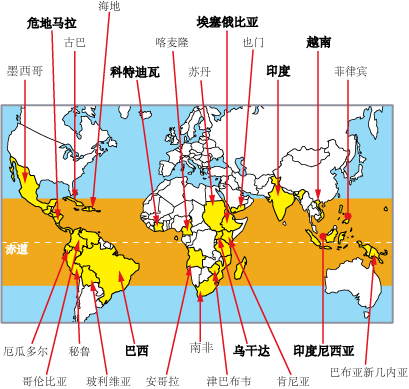
Ethiopian coffee producing areas Ethiopian coffee producing areas are Hilda Moharal and Yega Xuefei.
Ethiopia's coffee-producing areas are divided into east and west parts by the Great Rift Valley. Lakes, volcanoes, lowlands, plateaus and woodlands alternate and evolve independently. Ethiopia has the most diverse coffee ecosystem in the world (forest coffee, semi-forest coffee, pastoral coffee and plantation coffee), which also allows it to preserve its rich Arabica genes. The eastern half is mostly plateau, coffee beans
2016-04-18 Ethiopia coffee producing areas hida moha lar yega snow fly ethiopia
General knowledge of boutique coffee beans in Ethiopian coffee Sidamo producing area
According to the above four different modes of production, Ethiopian coffee can be divided into nine major coffee producing areas, including five boutique coffee areas: Sidamo, Yegashefi, Harald, Lim and Lekampu. and four general commercial bean producing areas: Gemma, Irugbo, Tibby and Bekaa. The sun or water washing methods are used in each district, and different treatment methods also affect the flavor.
2015-04-01 Ethiopia coffee Xida producing areas boutique coffee beans common sense
The main cultivated areas of coffee trees in Colombia introduce the coffee producing areas in the Andes.
The planting environment edits Colombia's suitable climate to provide a real natural pasture for coffee. Coffee trees in Colombia are mainly cultivated in the Andes, on steep slopes about 1300 meters above sea level, where the annual temperature is about 18 degrees Celsius, annual rainfall is 2000 to 3000 mm, latitude 1-11 15 north and longitude 72-78 west. The specific range of elevation can be exceeded.
2016-07-19 Colombia Coffee main cultivation region introduction Andes Mountains producing areas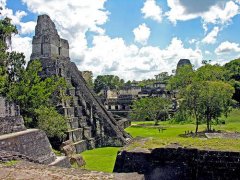
Characteristics and attributes of coffee in eight producing areas of Guatemala
The Ekatlago Valley is 2000 meters (6500 feet) above sea level, with dense shade and unique ecology. The nearby Fuego volcano erupts, making its coarse, sandy soil rich in a variety of minerals. Temperate sea breezes from the Pacific and a seasonal climate allow coffee in this region to be dried by sunlight and processed according to traditional family methods that have been accumulated over the years. [characteristics]
2014-05-15 Coffee knowledge Guatemalan coffee
Coffee Country Profile: Colombia
Picture 1: Traditional producing areas: Central MAM Eastern producing areas Common fine producing areas: Huila, Nario, Cauca In the 16th century, Jesus missionaries brought coffee to Colombia. In 1835, Colombia coffee first went abroad, exporting only 2000 bags. Colombia now exports millions of coffees. Although ranked highest in global coffee production,
2014-09-03 Coffee country coffee country of the world
Characteristics of Coffee from Eight Major Producing Areas in Guatemala
Elevated to 2000 meters (6500 feet), it is densely shaded and ecologically unique, with the nearby Fuego volcano erupting intermittently, making its coarse, sandy soil rich in minerals. Temperate sea breezes from the Pacific Ocean and seasonal climates allow this region's coffee to be sun-dried and processed by home-style traditional methods accumulated over the years. [Features] Acidity is obvious, dry
2016-06-08 Guatemala eight major regions coffee characteristics elevation 2000 meters 6500
Among the three major non-volcanic coffee producing areas in Guatemala, the tiny Tenango Highland has the driest climate and the sea.
Highland Huehue: of the three major non-volcanic coffee producing areas in Guatemala, the Ginango Heights has the driest climate and the highest elevation. The dry and hot wind from Mexico's Tehuantepec plateau protects the area's coffee from frost, and coffee can be grown to 2000 meters (6500 feet). Because of its remote location, all coffee
2016-05-09 Guatemala Big three Volcanoes Coffee producing areas Micro Tenan Highlands Climate dry
Among the three major non-volcanic coffee producing areas in Guatemala, the tiny Tenango Highland has the driest climate and the sea.
Highland Huehue: of the three major non-volcanic coffee producing areas in Guatemala, the Ginango Heights has the driest climate and the highest elevation. The dry and hot wind from Mexico's Tehuantepec plateau protects the area's coffee from frost, and coffee can be grown to 2000 meters (6500 feet). Because of its remote location, all coffee
2016-05-09 Guatemala Big three Volcanoes Coffee producing areas Micro Tenan Highlands Climate dry
Kalantan fruit volcanic rock producing area in the northwest of El Salvador coffee producing area
El Salvador boutique coffee is concentrated in the volcanic rock producing areas of Santa Ana in the west and Charantanan fruit in the northwest. In recent years, the top 10 cup tests are almost entirely from these two producing areas, with an altitude of about 9-1500 meters, mainly bourbon (68%). Followed by Pacas (29%), mixed-race Pakamara, Dulaai and Kaddura accounted for only 3%. The coffee harvest season has been held since November.
2016-06-28 El Salvador coffee producing areas northwest Charan Tannan volcanic rocks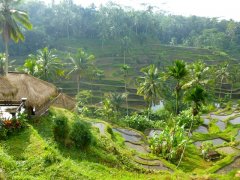
Enter the coffee producing area of Kenya and African boutique coffee
Kenya Coffee growing area Kenya's coffee producing areas are mainly concentrated in Mount Kenya (Mt. The plateau region represented by Kenya). Tropical climate, acid red volcanic soil provides a natural and suitable growth environment for coffee. The main producing areas are Nyeri and Ruiru in the middle of the country. Kenyan coffee varieties were originally brought to Kenya for cultivation.
2016-05-30 Walk into Kenya coffee producing area Africa boutique planting district