“Sun exposure” search results (500)

An introduction to the characteristics of boutique coffee in the manor area
The beans are small, neat and round. Ethiopian sun beans are generally G3--G5, but the beans are G2, equal to the grade of washed beans. Although there are still a few defective beans, they are commendable compared to the sun beans of Harald and Sidamo. The 2015 sun Yega snow caffeine has appeared in the G1 grade, surpassing the G1 washing in terms of quality and sales. This bean is baked
2016-08-11 Sweet obvious Yega Sheffield blossoming coffee flavor taste manor producing area
Dry treatment (natural full sun treatment), wet treatment (water washing and fermentation), semi-washing of coffee beans
Dry treatment (secado), also known as natural all-day exposure (natural). After the coffee fruit is actually picked, it is dried directly in the sun. According to the weather conditions, it is generally necessary to dry the coffee beans for 2 weeks to reduce the water content of the coffee beans to 10%, 12%, and then use a machine to remove the dried peel and pulp. The raw bean processing plant (beneficio) usually retains the parchment paper shell (par) on the outside of the coffee bean when the raw bean is stored.
2015-11-04 Coffee beans processed Natural Solar washed fermented treated secado
Treatment of Coffee fruits Coffee bean treatment
I would like to introduce the treatment of coffee fruits and the comparison of different ways. The following picture shows an enlarged coffee bean with pectin, in which pectin, parchment, silver skin and raw beans are clearly distinguished. Classification of Processing Method Coffee Fruit treatment methods are divided into dry (Dry Processing) and wet (Wet Processing) treatments according to whether the peel is removed or not.
2015-09-01 Coffee fruit treatment way coffee beans everyone introduction coffee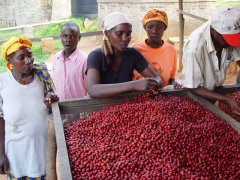
Dry treatment is also called natural all-day tanning.
Dry treatment (secado), also known as natural all-day exposure (natural). After the coffee fruit is actually picked, it is dried directly in the sun. According to the weather conditions, it is generally necessary to dry the coffee beans for 2 weeks to reduce the water content of the coffee beans to 10%, 12%, and then use a machine to remove the dried peel and pulp. The raw bean processing plant (beneficio) usually retains the parchment shell on the outside of the coffee bean when the raw bean is stored.
2016-05-23 Secado also known as natural solarization processing also known as natural solarization.
The unique and strong flavor of Costa Rican Tarazhu Coffee describes the degree of abrasion and the manor in the producing area.
The coffee trees planted in Costa Rica are all Arabica coffee trees. through improvement, the quality of coffee beans is better and more stable. in order to facilitate picking, coffee trees are kept at a height of about 2 meters through continuous pruning. The coffee that people eat is the taste of the seeds in the fruit that are brewed in water. After picking raw coffee beans, the peel, pulp, seed film and sun exposure must be removed.
2016-10-08 Aroma unique strong Costa Rica Tara coffee flavor description grinding
With noble and tender Cuban crystal coffee, the introduction of fine coffee
In Cuba, most of the coffee beans are picked by hand. Coffee beans are picked about every half a month during the ripening period. During or after picking, coffee beans are classified and those immature and bad beans are removed to ensure the quality of the coffee. Cubans usually treat coffee beans in two ways: 1, sun exposure and water washing. Sunbathing is the easiest.
2016-06-30 Own noble tender Cuba crystal coffee introduction boutique coffee beans
Several common methods of coffee raw beans the origin of coffee beans
1. Dry process: drying is a historical way to deal with coffee beans, which has been used by Arabs for more than a thousand years. Basically, the harvested coffee beans are laid out and exposed to the sun, which takes about 20 days, and then the dried peel and pulp are polished, screened and graded, and finally packaged and stored. Because of exposure
2016-05-27 Coffee raw beans common several methods coffee beans origin variety drying Dr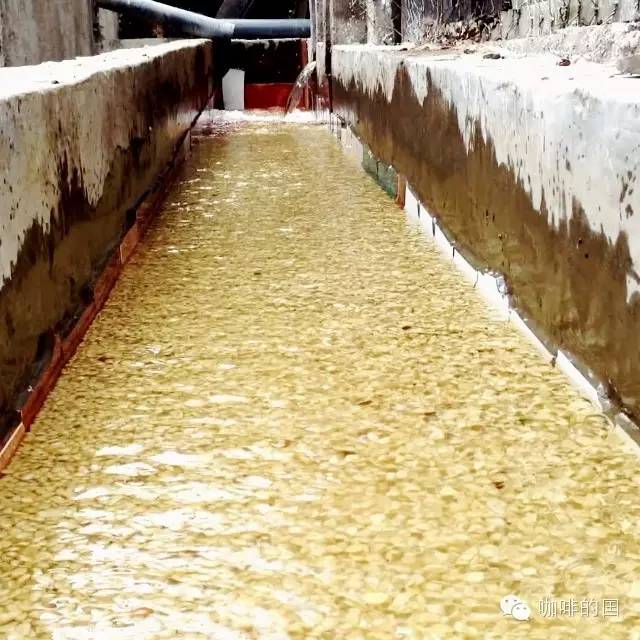
Introduction to coffee-coffee washing process simple washed coffee beans Ethiopia plus snow
What is the meaning of water washing treatment of coffee treatment the coffee beans after harvesting must enter the treatment procedure immediately, otherwise they will begin to ferment and produce a peculiar smell. There are two methods of treatment: solarization and water washing, which will cause different flavors. Sun-dried beans have a complete natural mellow taste.
2016-04-25 Coffee entry washing treatment process simple coffee beans Esso Biya Yega
Introduction to the characteristics of fruity flavor varieties of Yega Chuefei Aduodo coffee
There is a strict standard for collecting red fruits (as a result of coffee trees). Before exposure to coffee fruits, unripe green fruits or defective fruits are removed manually, and damaged or moldy fruits are removed during the sun drying process. after two weeks, the flesh sugar and essence seeped into the coffee beans, the water content was reduced to 12%, and then scraped off the hardened pulp, pectin layer and pods with a planer to remove the coffee.
2016-09-18 Fruity full-bodied Yega Sheffield blossoming coffee flavor variety producing area characteristics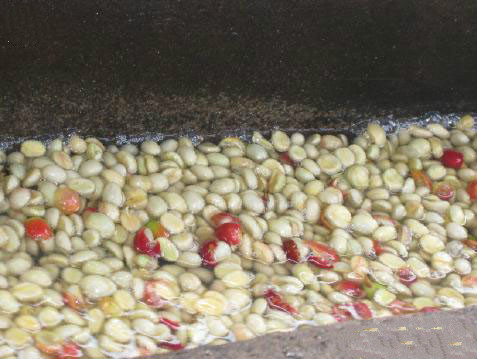
What is semi-washed Coffee beans semi-washed Coffee beans Refining semi-washed Yega Shevico
Sun drying: the sun drying method is also called natural drying because it uses natural sunlight to dry the fruits and raw beans of coffee. Due to the use of artificial and natural treatment methods in the process, the sun-cured beans look irregular and unflattering in appearance. Washing coffee bean treatment method Coffee beans harvested must immediately enter the treatment program, otherwise they will begin to ferment and make coffee
2016-04-25 What half-water washing coffee beans preparation style snow Fico sun
Introduction to the characteristics of Brazilian Coffee Flavor and Fruit Coffee beans
Brazil is known as the kingdom of coffee. It is the largest coffee producer and exporter in the world. The output value of coffee accounts for more than 30% of the world's output value. 1% of the coffee in the world is produced here. Brazil is also the second largest coffee consumer in the world after the United States. About 300000 farmers here are engaged in the coffee industry. It not only carries the important task of Brazil's economic development, but also affects the country.
2016-08-20 Brazil coffee flavor taste manor producing area characteristics boutique coffee beans introduction
There are several ways to treat coffee beans.
Honey treatment is a complex, time-consuming and difficult processing method. The first step is to select the best fruit, then peel off the flesh to leave the endocarp, which is the core of the honey treatment. The endocarp is rich in sugar and sourness, which slowly penetrate into the beans during drying. The second step is drying and producing high quality coffee.
2016-07-11 coffee beans processing way method introduction several one comparison complex
Complex and long-lasting flavor of Ted Manor Coffee
Sidamo coffee grows in the southernmost Ethiopian plateau between 4600-7200 feet above sea level (Sidamo province), is a famous boutique coffee area in southern Ethiopia, bordering Kenya, in the southeast of Gemma, due south of the capital, usually sweet obvious, but also more popular, its annual output of about 225000 bags/60kg, beans smaller than Longberry, green with gray
2016-09-14 complex persistent ted manor coffee flavor taste variety region characteristics
Characteristics of Cochel Manor Coffee Flavor Manor in Yega Xuefei Coffee producing area of Ethiopia
The cool and foggy mountain stream village in the Yega Chuefei producing area is cool and foggy all the year round, with a gentle breeze in summer, cool but not hot, rain but not damp, and no cold damage in winter, making it the best environment for planting Arabica. There are no large coffee plantations. Coffee farmers grow coffee mixed with other crops, usually under banana trees, to form a unique landscape flavor water.
2016-08-09 Ethiopia Yega Sheffield Coffee producing area Cochi Manor Flavor Taste
How to pick and handle coffee beans how to make good siphon coffee
The natural drying method sends the picked berries to the drying plant, which will be classified according to the degree of maturity, as the basis for the time and degree of exposure in the sun. Generally, overripe berries take only 1-3 days, red berries take 5-6 days, and green unripe berries take 1-2 weeks. After sun treatment, the dried fruit needs to go through the sheller to remove the peel, pulp and silver skin.
2016-06-08 Coffee beans picking handling way how make delicious siphon coffee nature
Can coffee prevent skin cancer? Basic knowledge of coffee
Erikka Loftfield, lead author of the study and a member of the National Cancer Institute, said that while the findings are encouraging for coffee drinkers, it does not mean that people should change their coffee drinking habits and that the most important thing to reduce risk is to reduce sun and UV exposure. The results of our research, and the most
2015-08-26 Coffee prevention skin cancer basics common sense this study main author USA
Introduction to the Flavor of Coffee varieties in the Origin of Coffee in Saint Roman Manor, Costa Rica
All the coffee trees planted in Costa Rica are Arabica coffee trees. through improvement, the quality of coffee beans is better and more stable. in order to facilitate picking, coffee trees are kept at a height of about 2 meters through continuous pruning. The coffee that people eat is the taste of the seeds in the fruit that are brewed in water. After picking raw coffee beans, the peel, pulp, seed film and sun exposure must be removed.
2016-09-19 Costa Rica Roman Manor Coffee Origin planting Environment varieties Flavor
Costa Rican Coffee Manor Goddess Manor introduces the Tarasu producing area in the western valley
Yellow honey: about 40% of the pectin is removed; the drying method requires the most direct heat absorption, receives the most light drying, and lasts for about 8 days to reach a stable water content. Red honey: about 25% of the pectin is removed; it takes longer to dry than yellow honey, and reduces direct exposure to sunlight, even in shading sheds, lasting about 12 days. Black honey: hardly removes pectin
2016-07-13 Costa Rica Coffee Manor Goddess introduction West Valley Tara Soviet region
Introduction to the variety treatment method for describing the flavor of Matari mocha coffee, the taste characteristics of grinding degree
Yemeni boutique coffee bean flavor description introduces Matari mocha-the best of mocha coffee, like top red wine, rich tropical fruit flavor, infatuated, rich and diverse flavor with unique sunshine flavor, fine tasting, can also feel a hint of chocolate sweetness in the final rhyme, the taste is strong worthy of careful taste. Product name: Matalimo, Yemen
2016-10-19 Matari Tali Mocha Coffee Flavor description Grinding Taste characteristics Variety
An introduction to the basic concept of raw beans
Douxiao doesn't look good. Grading: the seeds are taken out and then screened and graded. Guatemala, Costa Rica and other countries are rated according to the planting height, more than 4500 feet above sea level is the highest "extremely hard bean" (SHB). Colombia, Kenya and New Guinea are graded by particle size, with larger and higher grades (with the exception of Kenyan beans). In addition, there are some producing countries in accordance with the defects.
2014-08-05 Coffee knowledge coffee raw bean knowledge