“Solarization” search results (720)

What is the history of French coffee in the handling of coffee beans?
One step: retain 100% pectin, and then reduce the water content of raw beans to 10% 12% by either solarization or machine drying or a combination of both. Another step: according to different needs, adjust the setting of the pectin removal machine so that the parchment shell retains different proportions of pectin, and then reduce the water content of raw beans to 10% Mel 12% by either solarization or machine drying or a combination of both. Washing fermentation
2016-06-08 Coffee beans processing methods which France coffee history one step retention
Cuban Crystal Mountain Coffee by Solarization and Water Wash Flavor Description Grind Characteristics Variety Introduction
Coffee was introduced to Cuba from Domica in 1748, and Cuba has since grown coffee. The fertile soil, humid climate and abundant rainfall in Cuba make it a natural treasure for coffee cultivation. Suitable natural conditions provide a favorable natural environment for the growth of coffee trees, where coffee is well planted and developed. In Cuba, coffee cultivation is regulated by the State. Cuba is the best.
2016-10-12 Sunburn Wash Cuba Crystal Mountain Coffee Flavor Description Grind Characteristics Variety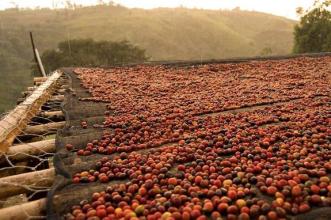
The treatment method of Coffee Fruit-- the introduction of Solar method and its difference from Water washing method
The solarization process can also be called a natural process, which is basically the oldest, simplest, and requires the least mechanical tools. The first step is to sort and clean it up first. Immature, overripe, damaged coffee fruits will be singled out first. At the same time, the branches, leaves, mud and stones mixed in the fruit will also be removed. Sieves are usually used to deal with this preliminary
2016-01-11 Coffee fruit treatment method solarization introduction and its difference from water washing etc.
Coffee insolation method for primary processing
The coffee beans after harvest must enter the treatment program immediately, otherwise they will begin to ferment, making the coffee beans have a bad smell. There are two methods of treatment: solarization and water washing, which will cause different flavors. Sun-dried beans have a complete natural mellow flavor, gentle aroma and more gum; washing rules have a good mellow taste, high aroma and lively sour taste. The mellow taste is
2014-09-29 Coffee initial processing coffee solarization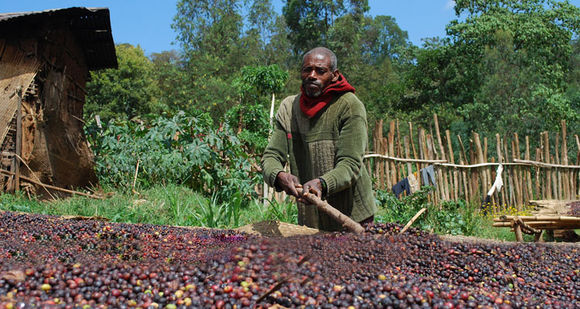
Fine American Coffee Guatemala New Oriental Region Guava Plain Manor Wine Fragrance Solarization SL28
Guatemala is one of the most important coffee-producing countries in Central America. The mountains in Guatemala extend for a long time, and the regional climate varies from one place to another. Therefore, eight coffee-producing areas in Guatemala are created. They are all located on the highland terrain with subtropical climate. The rainfall is abundant and stable. The fertile volcanic ash soil is the perfect environment for coffee trees to grow. Plan del Guayabo is located next to Volcn de Suchitn
2016-03-26 Boutique America Coffee Guatemala New Oriental Region Guava Plain Manor
Steps of Coffee Solar method Analysis of Coffee Bean processing
The coffee beans after harvest must enter the treatment program immediately, otherwise they will begin to ferment, making the coffee beans have a bad smell. There are two methods of treatment: solarization and water washing, which will cause different flavors. Sun-dried beans have a complete natural mellow flavor, gentle aroma and more gum; washing rules have a good mellow taste, high aroma and lively sour taste. The mellow taste is
2015-09-14 Coffee solarization steps analysis coffee beans processing process
Brazilian fine coffee with a distinct sweet flavor Taste Manor Features
Although Brazil is one of the countries with the most abundant fresh water resources in the world, its water resources are unevenly distributed and many regions depend on natural draft. Especially in the east where coffee cultivation is concentrated, severe droughts often occur, scarce water resources limit the way coffee is processed, Brazil simply uses rough sun method before 1990, and the quality varies greatly because bird droppings coffee
2016-08-10 with remarkable sweet brazilian boutique coffee flavor taste manor appellation
Boutique coffee Colombian coffee treatment method solarization
The largest producer of quality coffee in the world! The traditional deep-roasted coffee has a strong and memorable flavor. In 1808, coffee was first introduced to Colombia, which was brought by a priest from the French Antilles via Venezuela. Today, the country is the second largest producer after Brazil, with an annual output of 13 million bags of 60 kg each.
2016-05-13 Boutique coffee Colombia treatment way method sun
Boutique coffee Colombian coffee treatment method solarization
The largest producer of quality coffee in the world! The traditional deep-roasted coffee has a strong and memorable flavor. In 1808, coffee was first introduced to Colombia, which was brought by a priest from the French Antilles via Venezuela. Today, the country is the second largest producer after Brazil, with an annual output of 13 million bags of 60 kg each.
2016-05-13 Boutique coffee Colombia treatment way method sun
Boutique coffee Colombian coffee treatment method solarization
The largest producer of quality coffee in the world! The traditional deep-roasted coffee has a strong and memorable flavor. In 1808, coffee was first introduced to Colombia, which was brought by a priest from the French Antilles via Venezuela. Today, the country is the second largest producer after Brazil, with an annual output of 13 million bags of 60 kg each.
2016-05-15 Boutique coffee Colombia treatment way method sun
Boutique coffee Colombian coffee treatment method solarization
The largest producer of quality coffee in the world! The traditional deep-roasted coffee has a strong and memorable flavor. In 1808, coffee was first introduced to Colombia, which was brought by a priest from the French Antilles via Venezuela. Today, the country is the second largest producer after Brazil, with an annual output of 13 million bags of 60 kg each.
2016-05-15 Boutique coffee Colombia treatment way method sun
Boutique coffee Colombian coffee treatment method solarization
The largest producer of quality coffee in the world! The traditional deep-roasted coffee has a strong and memorable flavor. In 1808, coffee was first introduced to Colombia, which was brought by a priest from the French Antilles via Venezuela. Today, the country is the second largest producer after Brazil, with an annual output of 13 million bags of 60 kg each.
2016-05-17 Boutique coffee Colombia treatment way method sun
Boutique coffee Colombian coffee treatment method solarization
The largest producer of quality coffee in the world! The traditional deep-roasted coffee has a strong and memorable flavor. In 1808, coffee was first introduced to Colombia, which was brought by a priest from the French Antilles via Venezuela. Today, the country is the second largest producer after Brazil, with an annual output of 13 million bags of 60 kg each.
2016-05-18 Boutique coffee Colombia treatment way method sun
Boutique coffee Colombian coffee treatment method solarization
The largest producer of quality coffee in the world! The traditional deep-roasted coffee has a strong and memorable flavor. In 1808, coffee was first introduced to Colombia, which was brought by a priest from the French Antilles via Venezuela. Today, the country is the second largest producer after Brazil, with an annual output of 13 million bags of 60 kg each.
2016-05-18 Boutique coffee Colombia treatment way method sun
Two methods for the treatment of coffee beans
There are two methods of treatment: "solarization" and "washing", which will cause different flavors.
2014-06-13 Coffee knowledge coffee bean treatment coffee encyclopedia
The treatment of Coffee Fruit-- Solar
The solarization process can also be called a natural process, which is basically the oldest, simplest, and requires the least mechanical tools.
2014-08-22 Coffee knowledge coffee fruit treatment coffee bean treatment sun exposure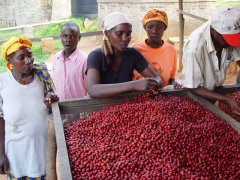
Dry treatment is also called natural all-day tanning.
Dry treatment (secado), also known as natural all-day exposure (natural). After the coffee fruit is actually picked, it is dried directly in the sun. According to the weather conditions, it is generally necessary to dry the coffee beans for 2 weeks to reduce the water content of the coffee beans to 10%, 12%, and then use a machine to remove the dried peel and pulp. The raw bean processing plant (beneficio) usually retains the parchment shell on the outside of the coffee bean when the raw bean is stored.
2016-05-23 Secado also known as natural solarization processing also known as natural solarization.
A major producing area of sun boutique coffee in Harald Oromia region
In addition to Brazilian coffee processed by tanning, Harald also uses tanning to process coffee. Unlike Brazilian coffee, Harald can give you a refreshing feeling. It has a very sharp fermented smell, similar to the aroma of wine, and has the texture of red wine. It is a very rare fine coffee processed by sun. Harald is a member of the Oromia region of Ethiopia
2015-09-01 Tanning boutique coffee Harald Rahl Oromia region one Lord
How many treatments are there for Brazilian coffee? Brazilian coffee flavor
The four most common treatment methods of Brazilian coffee are natural solarization, desizing, semi-washing and water washing, among which natural solarization is the most popular. Since the harvest seasons in Brazil's two main producing areas, Serrado Minero (CerradoMineiro) and Mogiana Paulista (Mogiana Paulista), are both dry seasons of the year, natural solarization is popular in this region.
2016-06-06 Brazil coffee how much treatment way flavor common four kinds
The treatment methods of raw beans should be analyzed.
1. Natural solarization (Natural/Dried-in-the-Fruit): the process of this method is the simplest. The fruit begins the process of sun drying without treatment after picking. This is the oldest method of treatment in existence. This method is still used in places such as Ethiopia and Brazil. Natural solarization is most common in areas where water resources are scarce. The process of drying is usually
2016-06-06 Raw beans treatment methods should Analysis Natural Solar