“Solarization” search results (720)
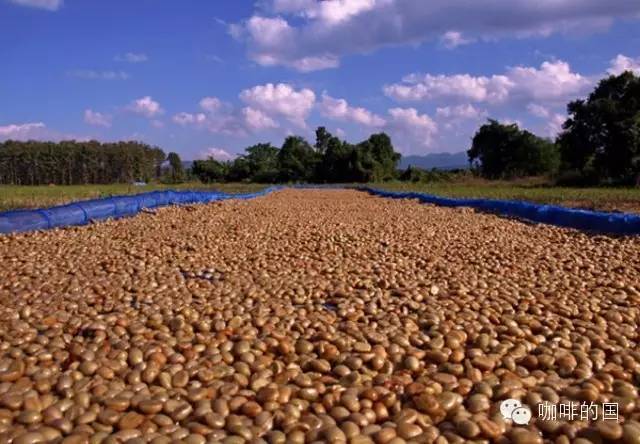
Coffee knowledge what is washing treatment? The difference between "washing" and "Solar" Coffee beans
What is the meaning of water washing treatment of coffee treatment the coffee beans after harvesting must enter the treatment procedure immediately, otherwise they will begin to ferment and produce a peculiar smell. There are two methods of treatment: solarization and water washing, which will cause different flavors. Sun-dried beans have a complete natural mellow taste.
2016-04-25 Coffee knowledge what washing treatment coffee beans sun distinction coffee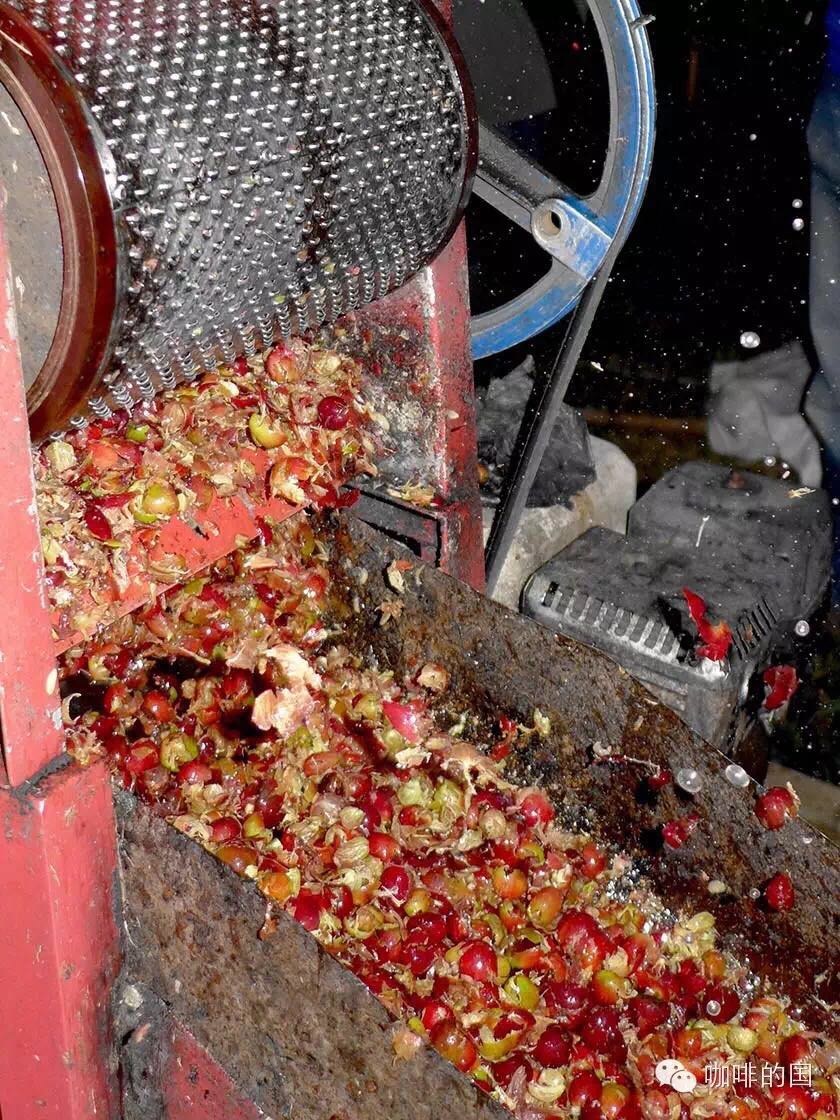
Introduction of Coffee washing and Solar treatment of Coffee beans Water washing Yega
Sun drying: the sun drying method is also called natural drying because it uses natural sunlight to dry the fruits and raw beans of coffee. Due to the use of artificial and natural treatment methods in the process, the sun-cured beans look irregular and unflattering in appearance. Washing coffee bean treatment method Coffee beans harvested must immediately enter the treatment program, otherwise they will begin to ferment and make coffee
2016-04-25 Coffee washing tanning introduction coffee beans processing treatment water washing Yega solarization
Coffee bean treatment: honey treatment
Semi-washing (semi-lavado), also known as honey, miel, is actually a combination of tanning and water-washing fermentation to treat raw beans. First remove the peel and pulp of coffee, and then, according to the need, decide whether to use a pectin removal machine (desmucilaginador) to remove pectin, or how much pectin to remove, and finally dry the raw beans with shells by sun drying or machine drying or both.
2016-05-23 Coffee beans processing way washing semi-lavado some people called honey
Introduction to the treatment of Coffee Raw Bean by Coffee Refining
The origin of the red wine treatment method comes from its treatment process, and the red wine flavor treatment method is named because of its full alcohol thickness, red wine fermentation flavor, low acidity and excellent sweetness. (The result is a more full-bodied, slightly winey, sweeter coffee with less acidity.) so where is the red wine flavor treatment?
2016-08-05 Coffee preparation raw beans treatment methods introduction red wine naming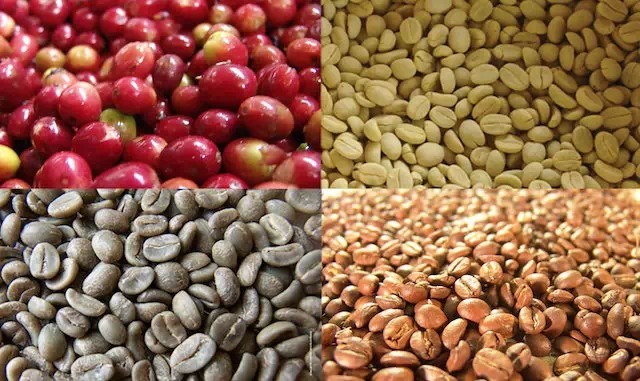
World boutique coffee beans: introduction of sixteen coffee beans from different places
Introduction to Sixteen Coffee beans from different places: 1 Rwanda Kivu Rwanda-machine-free Rwandan coffee beans were introduced to Rwanda by German missionaries in the 20th century. Because of Rwanda's superior climate and unique geographical environment, growing coffee beans has a unique fruity and grassy aroma. There are many planting bases in Rwanda, but the coffee beans produced without machines are even better.
2015-12-09 World boutique coffee beans sixteen different origin introduction
Introduction of dry Coffee Coffee beans Sixteen coffee beans from different places
Introduction of sixteen kinds of coffee beans from different places, very complete, coffee expert can come to reference! Rwanda Kivu Rwanda-Coffee beans without Rwanda were introduced to Rwanda by German missionaries in the 20th century. Because of Rwanda's superior climate and unique geographical environment, growing coffee beans has a unique fruity and grassy aroma. The planting base in Rwanda
2016-03-17 Practical information coffee types coffee beans introduction sixteen different origin
What is the defective aroma of coffee? how to describe the aroma of coffee?
Different places of production, even different estates, the varieties of coffee will be different, so the cultivated varieties of coffee are also very diverse, of course, the taste and aroma of coffee are also varied. There are thousands of coffee species all over the world, and the more common species are as follows: Typica: bourbon species with superior aroma and mild sour taste (Bourbon)
2016-10-17 Coffee aroma belong to flaw what is how describe different place of production where
Basic introduction and treatment of sixteen kinds of coffee beans in the world
The variety of coffee is also rich and varied, the following is to introduce all kinds of coffee beans from which countries? 1. Rwanda Kivu Rwanda-machine-free Rwanda coffee beans were introduced to Rwanda by German missionaries in the 20th century. Because of Rwanda's superior climate and unique geographical environment, growing coffee beans has a unique fruity and grassy aroma. Rwanda
2015-11-20 World sixteen coffee beans basic introduction treatment way
Brazilian half-sun-natural removal of pectin
Brazil used to use the method of tanning in the past, and there was a big difference in quality, which made Brazil Chongqing synonymous with low-to-middle quality. However, in order to improve its quality and reverse its image, the world's largest coffee producer carried out a quality revolution in the 1990s and vigorously promoted the global half-sun method. Brazilian coffee fields are endless and are mostly harvested mechanically in order to meet the economic benefits. When 75% of the coffee fruit in the coffee garden
2014-08-07 Western style solarization nature removal pectin Brazil past habitual
Sixteen kinds of coffee beans from different places are introduced. Is there the one you only like?
Rwanda Kivu Rwanda-Coffee beans without Rwanda were introduced to Rwanda by German missionaries in the 20th century. Because of Rwanda's superior climate and unique geographical environment, growing coffee beans has a unique fruity and grassy aroma. There are many planting bases in Rwanda, but the coffee beans produced without machines are even better, not only because of their own uniqueness.
2015-06-04 Sixteen different origin coffee beans introduction you love one
Processing of coffee beans after harvest
Coffee beans must be processed immediately after harvest to avoid spoilage. Producers use two treatments: solarization and cleaning. An effective sun-drying method is to spread the berries evenly in the yard and stir the dehydrated berries occasionally to heat and aerate them evenly. The dried berries are then placed in a machine that crushes the outer shell and simultaneously removes the outer shell and the layer of parchment that surrounds it
2014-08-09 Coffee knowledge Coffee bean harvesting Coffee bean processing
The method of half-sun treatment of beans in the initial processing
As the early Brazilian coffee was all treated by traditional solarization, the overall quality of Brazilian coffee was unstable and could only wander in the middle and lower grade. In order to improve the quality of coffee in Brazil, the Brazilian government has invented the half-sun method and vigorously promoted it. At present, almost all the high-quality coffee beans in Brazil use the half-sun method to treat raw beans, which can be said to be a successful half-sun method.
2014-09-29 Coffee bean primary processing half-sun treatment
Introduction of Cuban Crystal Coffee with noble, tender and elegant feeling
The coffee beans of Crystal Mountain in Cuba have a high reputation in the coffee industry. Crystal Mountain is adjacent to the Blue Mountain Mountains of Jamaica, with similar climatic conditions, comparable to Jamaican Blue Mountain coffee beans. Adhere to the principle of improving coffee and only make individual coffee, the particles of coffee beans are strictly selected according to the standard of sieve 17-19, and the selected coffee beans have large particles and high maturity. It's all by hand.
2016-06-29 Own noble tender elegant feel Cuba crystal coffee introduction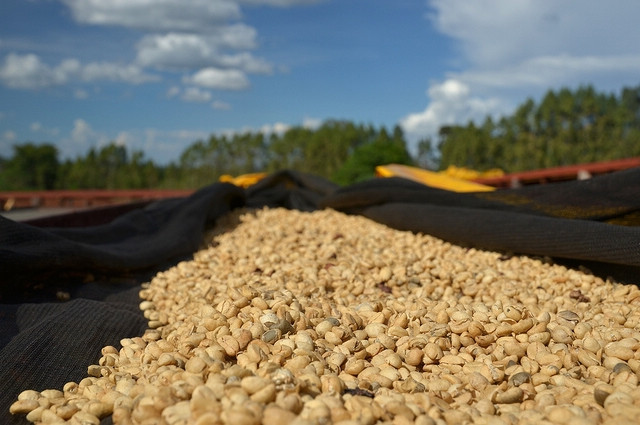
What is Solar treatment? Guava Plain Manor in Guatemala New Oriental region
Sun drying: the sun drying method is also called natural drying because it uses natural sunlight to dry the fruits and raw beans of coffee. Due to the use of artificial and natural treatment methods in the process, the sun-cured beans look irregular and unflattering in appearance. 1. Choose beans: put the harvested fruit in the water tank, and the ripe fruit will sink, while the unripe and overripe fruit
2016-03-30 What solarization processing Guatemala New Oriental producing areas guava plains manors
Half-sun treatment of high-quality coffee beans in the first processing
As the early Brazilian coffee was all treated by traditional solarization, the overall quality of Brazilian coffee was unstable and could only wander in the middle and lower grade. In order to improve the quality of coffee in Brazil, the Brazilian government has invented the half-sun method and vigorously promoted it. At present, almost all the high-quality coffee beans in Brazil use the half-sun method to treat raw beans, which can be said to be a successful half-sun method.
2014-11-14 Coffee knowledge boutique coffee beans processing half-sun
Introduction of Brazilian Coffee Bean Shantos Flavor description method with excellent sweetness
There are many kinds of Brazilian coffee beans, which are mainly treated by solarization, which are classified according to the name of the country of origin and the port of transport. Brazil has 27 states and 17 states produce coffee, but four of them produce the largest, accounting for 98% of the country's total output. Due to the scattered origin and uneven quality, the classification standard is not unified: NO.2~NO.8 according to the amount of sundries
2016-10-20 Sex Brazil Coffee Pea Mountain toast Flavor description handling Taste characteristics products
General knowledge of boutique coffee beans in Ethiopian coffee Sidamo producing area
According to the above four different modes of production, Ethiopian coffee can be divided into nine major coffee producing areas, including five boutique coffee areas: Sidamo, Yegashefi, Harald, Lim and Lekampu. and four general commercial bean producing areas: Gemma, Irugbo, Tibby and Bekaa. The sun or water washing methods are used in each district, and different treatment methods also affect the flavor.
2015-04-01 Ethiopia coffee Xida producing areas boutique coffee beans common sense
The first step in the processing of coffee beans is the semi-sun treatment of beans
Because the early Brazilian coffee was treated by traditional solarization method, the overall quality of Brazilian coffee was unstable, and it could only wander in the middle and lower grades. Brazil government in order to improve the quality of the country's coffee, invented the semi-sun method, and vigorously promoted, at present almost all of Brazil's fine grade coffee beans are treated with semi-sun method raw beans, can be said that the semi-sun method of success
2015-06-06 coffee beans early processing extraction sun treatment due early brazil coffee whole
Introduction to the treatment methods of raw coffee beans there are several treatment methods for raw coffee beans
Semi-washing (semi-lavado), also known as honey, miel, is actually a combination of tanning and water-washing fermentation to treat raw beans. First remove the peel and pulp of coffee, and then, according to the need, decide whether to use a pectin removal machine (desmucilaginador) to remove pectin, or how much pectin to remove, and finally dry the raw beans with shells by sun drying or machine drying or both.
2016-07-27 Coffee raw beans treatment methods introduction several kinds washing semi-l
Taste characteristics of coffee beans Coffee Origin Coffee treatment method
The origin of the taste of coffee the taste of coffee varies according to different varieties of coffee, so the process of natural sun treatment is the simplest. The fruit begins the process of sun drying without treatment after picking. This is the oldest method of treatment in existence. This method is still used in places such as Ethiopia and Brazil. Natural solarization in the scarcity of water resources
2016-05-27 Coffee beans taste characteristics coffee origin treatment method