“Solarization” search results (720)

Introduction to the origin of sixteen different kinds of coffee beans
Mantenin is located in the Manning region of Sumatra, Indonesia. Manning is famous for its fullness of particles and thick taste. It has been known to the world since the 18th century, and people call it the best coffee in the world. Manning's coffee beans are treated in a very interesting way, usually by putting the dried coffee peel and pulp into hot water and washing them off. What Manning tasted.
2016-06-05 Sixteen different coffee beans origin introduction
Treatment of Coffee Fruit and Coffee beans
When the coffee fruit is harvested from the mountain, the next step is to remove the peel and pulp of the coffee beans. There are two main ways of treatment: washing and solarization. But the ultimate determining factor is whether there is enough water to use. Some special boutique coffees are both insolated and washed. Washing requires the use of special machinery and equipment and adequate water sources.
2015-04-16 Coffee fruit coffee beans treatment washing
Fine coffee treated with red wine
High-quality coffee beans are refined by water treatment. The coffee beans with less impurities can be obtained by the water washing method, but if the water quality and time are not properly controlled during the fermentation process, the coffee beans will easily be infected with the sour taste of excessive fermentation. and dry beans also need to pay attention to timely re-inspection to prevent coffee beans from being contaminated by wet ground and sundries. Processed
2016-05-23 Red wine treatment boutique coffee coffee beans adoption water treatment refining square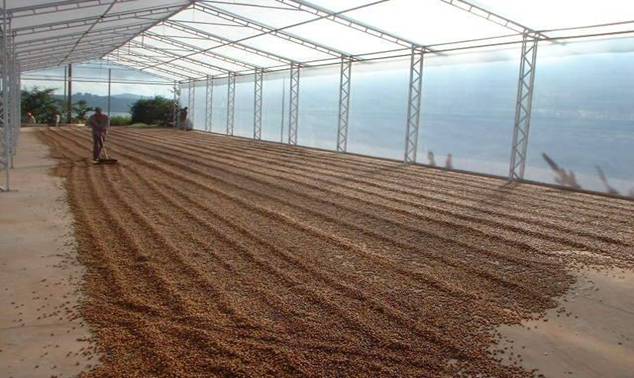
Coffee Dictionary Pulp Solar method PulpedNatural Honey treatment Honey Solar Yega Xuefei aric
Tanning is a traditional method for the initial processing of coffee beans, and at present, almost all coffee-growing countries such as Ethiopia and Yemen still use solarization to treat raw beans. Sun treatment will first identify sunken beans in the sink, that is, ripe or half-ripe beans are spread in the drying farm for natural drying. The specific time depends on the local climatic conditions, which usually takes two to four weeks.
2016-04-25 Coffee Dictionary Pulp Sun PulpedNatural processing H
Introduction to the characteristics of Yega Sheffivoka Coffee Flavor Manor in Ethiopia
Yejia Chuefeiwoca [sun Yega Chuefei]: it is recommended to use 15 grams of powder 89 degrees water temperature, small Fuji grind degree 4 pearl V60 filter cup, water powder ratio 1:15, the first water injection 30g, stew 25s, the second water injection 104g water cut off, the second water injection to 230g water, the end of the water, extraction time is about 215g powder 92 degrees water temperature, water is recommended.
2016-09-06 Ethiopia Yega Sheffield Waka Coffee Flavor Taste Manor producing area
How to become a boutique coffee bean how to choose a boutique coffee bean?
When the bean has a good variety, planted in the area most likely to breed fragrant elves, but also has the careful care of coffee farmers, thrive and fruitful. BUT! Not all red fruits can become a boutique coffee bean! Today, let's talk about what kind of experience this magical fruit has to go through in order to become a boutique coffee! First of all, it must be mature.
2016-03-16 How to become a boutique coffee beans choose how pick this own
The difference in coffee flavor between sunburn and washing of coffee beans lies in where is the difference.
What is the difference between the coffee flavor of coffee beans by tanning and washing? a brief introduction to the treatment of raw coffee beans; tanning is a traditional method of primary processing of coffee beans. At present, ancient coffee bean-growing countries such as Ethiopia and Yemen still use solarization to treat raw beans. Sun treatment will first identify the sunken beans in the sink, that is, ripe or half-ripe beans.
2016-10-20 Coffee beans sun exposure washing coffee flavor the difference is where what different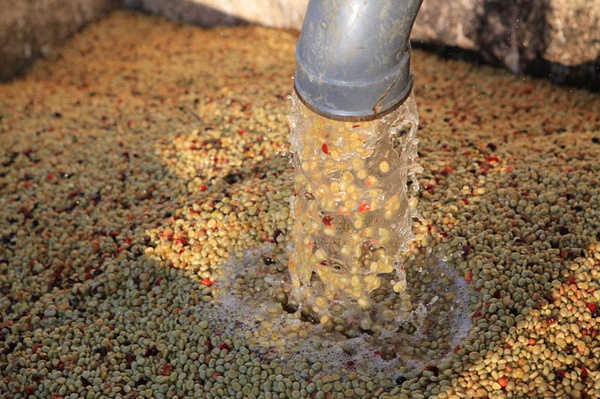
Different treatment methods of raw coffee beans are analyzed in detail.
After picking, coffee fruits need to go through a series of processes before they can become what we call coffee raw beans. This series of processes are often referred to as the handling of raw coffee beans or the rough processing of raw coffee beans in the industry. How do coffee beans get coffee there is a pair of seeds in the middle of the fruit, which are wrapped in the outer skin, pulp and endocarp. The ripe coffee fruit should stand after picking.
2015-11-20 Details analysis coffee raw beans various different treatment methods picking
Brazilian coffee flavor with slightly sour taste introduction to boutique coffee beans in manor area
All the efforts will be rewarded, and Xiangtian has not wasted the painstaking efforts of her founder, Noberto of Italian descent. Huangpi bourbon, Huangpi Kaduai, New International and Ikatu 3282 claim that the four Heavenly (Sweet) Kings of Datra make up this super sweet formula bean. The harvest time of the four species after maturity is also different, some become red on the first day, and some as late as the first day.
2016-08-10 With slightly sour taste Brazil coffee flavor manor producing area characteristics
Jasmine-scented Yejassefi Coffee Manor: an introduction to the flavor and taste of Cochel Manor
Most coffee beans are washed with water, but a few peas are deliberately sunburned to enhance their charming fruit aroma and mellow thickness. These mountain villages are foggy, like spring all year round, with a gentle breeze in summer, cool but not hot, rain but not damp, and no cold damage in winter, giving birth to a unique regional flavor of citrus and flowers. Most of the F trees are planted in farmers' backyards or in other fields.
2016-08-06 Jasmine fragrant Yega Sheffield Coffee Manor producing area Flavor palate characteristics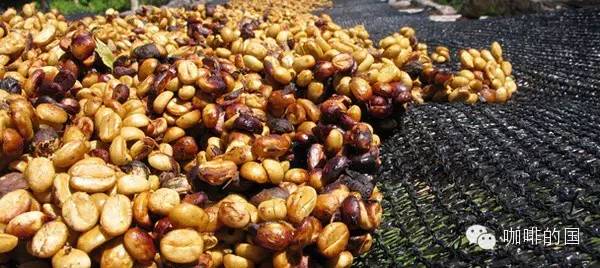
About the treatment of coffee beans after picking, I want to know the difference between washing and sun-drying and honey treatment in Ethiopia.
Tanning is a traditional method for the initial processing of coffee beans, and at present, almost all coffee-growing countries such as Ethiopia and Yemen still use solarization to treat raw beans. Sun treatment will first identify sunken beans in the sink, that is, ripe or half-ripe beans are spread in the drying farm for natural drying. The specific time depends on the local climatic conditions, which usually takes two to four weeks.
2016-04-25 About coffee beans picking after ideal understanding washing tanning treatment difference
Introduction to the structure diagram and growth process of coffee bean structure roaster
The harvested coffee berries need further treatment, usually in two ways. One is water washing, which is popular in Central America and parts of Africa; freshly harvested coffee berries separate the peel from the beans manually or mechanically, and then soak in water for 2 to 3 days. In this way, the pulp and sticky matter attached to the coffee beans will be removed. Then there is the Qing Dynasty.
2016-10-18 Coffee beans raw beans structure roaster structure diagram growth process introduction harvest
Introduction to the structure diagram and growth process of coffee bean structure roaster
The harvested coffee berries need further treatment, usually in two ways. One is water washing, which is popular in Central America and parts of Africa; freshly harvested coffee berries separate the peel from the beans manually or mechanically, and then soak in water for 2 to 3 days. In this way, the pulp and sticky matter attached to the coffee beans will be removed. Then there is the Qing Dynasty.
2016-10-18 Coffee beans raw beans structure roaster structure diagram growth process introduction harvest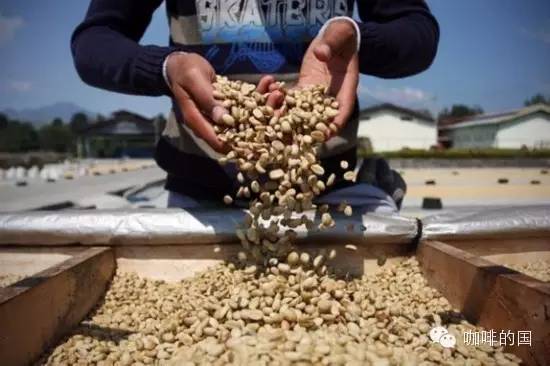
What is the difference in the taste of exactly the same coffee beans between washing and tanning?
Tanning is a traditional method for the initial processing of coffee beans, and at present, almost all coffee-growing countries such as Ethiopia and Yemen still use solarization to treat raw beans. Sun treatment will first identify sunken beans in the sink, that is, ripe or half-ripe beans are spread in the drying farm for natural drying. The specific time depends on the local climatic conditions, which usually takes two to four weeks.
2016-04-25 Completely similarly coffee beans water washing treatment sun taste there will be how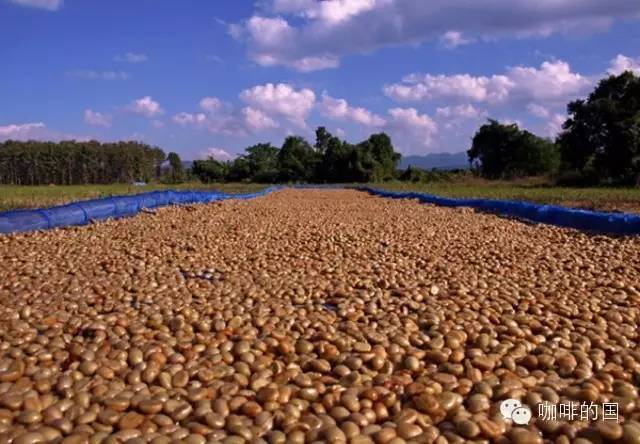
High-quality coffee bean treatment method coffee raw bean Ethiopia Yega Xuefei coffee raw bean (in the sun
Tanning is a traditional method for the initial processing of coffee beans, and at present, almost all coffee-growing countries such as Ethiopia and Yemen still use solarization to treat raw beans. Sun treatment will first identify sunken beans in the sink, that is, ripe or half-ripe beans are spread in the drying farm for natural drying. The specific time depends on the local climatic conditions, which usually takes two to four weeks.
2016-04-25 Boutique coffee beans processing methods coffee raw beans Ethiopia Yega Sheffield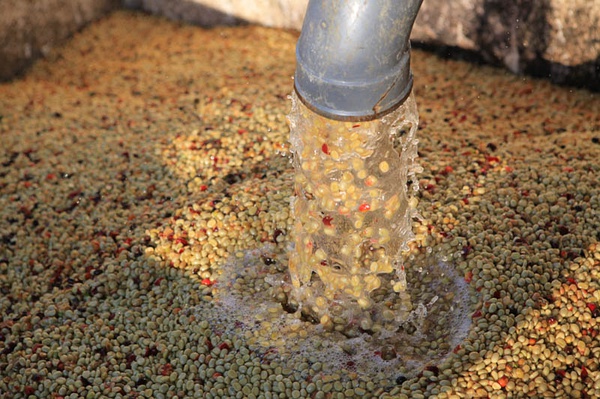
The treatment method of raw coffee bean; the detailed introduction of washing method.
When the coffee fruit is harvested from the mountain, the next step is to remove the peel and pulp of the coffee beans. There are two main ways of treatment: washing and solarization. But the ultimate determining factor is whether there is enough water to use. Some special boutique coffees are both insolated and washed. Washing requires the use of special machinery and equipment and adequate water sources.
2015-12-01 Coffee raw beans treatment method washing method details introduction
Introduction to the characteristics of Yega Sheffivoka Coffee Flavor Manor in Ethiopia
Many people know Brazilian coffee, and some even think it is a British specialty. In fact, Ethiopia is the hometown of coffee. The real name Kaffa of coffee comes from a place called Kafa in Ethiopian. Local residents became extremely excited when they found that cattle and sheep ate a kind of red seed, and then began to soak water and drink with the seed to refresh themselves, and then evolved.
2016-09-03 Ethiopia Yega Sheffield Waka Coffee Flavor Taste Manor producing area
What's the difference between washed coffee and sunny coffee?
1. Solarization-thanks to one shot: the oldest bean-producing countries, Ethiopia and Yemen, almost all use the sun to get the beans, take out the red fruits and half-green and half-red fast-ripening fruits that have sunk to the bottom of the trough and spread them in a bean drying farm for natural drying. The time depends on the weather. It takes about two to four weeks to reduce the water content of the coffee beans in the fruit to 12% and harden, and then use a sheller to remove the stiff flesh and sheep.
2016-06-04 Washing tanning coffee what the difference
Introduction to the flavor and taste characteristics of fine coffee beans in Coffee Variety producing area of Crystal Mountain, Cuba
The popularity of home-made coffee has nurtured a large number of family-style cafes. For workers who can't enjoy coffee at home, drinking coffee outside the window of a family cafe is the best choice. And this kind of family cafe is cheaper, and coffee usually costs 1 peso, or 3 cents. In Cuba, coffee beans are mostly picked by hand.
2016-09-23 Cuba Crystal Mountain coffee varieties producing areas boutique coffee beans flavor taste special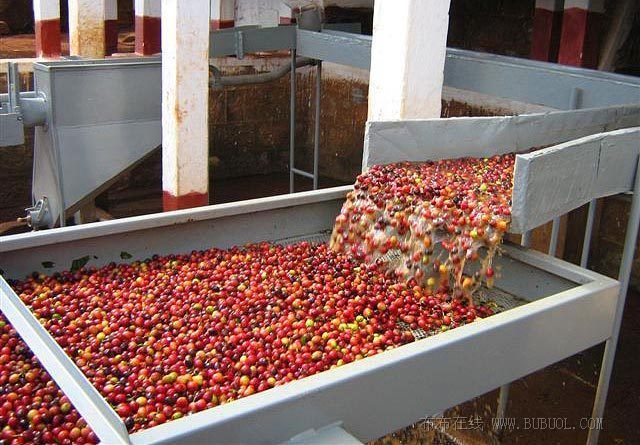
The treatment method of Coffee Fruit-- the introduction of Water washing method and the difference between Water washing method and Solar method
When the coffee fruit is harvested from the mountain, the next step is to remove the peel and pulp of the coffee beans. There are two main ways of treatment: washing and solarization. But the ultimate determining factor is whether there is enough water to use. Some special boutique coffees are both insolated and washed. Washing requires the use of special machinery and equipment and adequate water sources.
2016-01-11 Coffee fruit treatment method washing introduction and sun difference explanation