“Root” search results (1431)

Control of Diseases and pests in Coffee
(1) Pest control 1. Coffee tiger longicorn beetles are distributed in all coffee producing areas in the world, and also occur in Yunnan, Guangxi and Hainan Island in China. It is one of the major pests of coffee. The coffee tiger longicorn beetle harms the coffee trunk for more than 2 years. At first, it eats between the cambium and xylem, and then eats the xylem. The victim was in a curved tunnel filled with sawdust.
2015-10-07 Coffee diseases and pests control diseases pests
The growth experience of coffee
Coffee seedlings do not blossom until about 5 years. Coffee begins to wither after flowering for 2-3 days. Green fruit gradually turns yellow after a few months. In June-September, it begins to turn red. There are roughly three varieties of coffee grown on a large scale: Arabica, also known as Arabica, which accounts for about 70% of the world's coffee acreage. The bean shape is slender, with an S-shaped line in the middle, and is native to
2014-08-13 Coffee knowledge coffee growth growth process coffee encyclopedia
Seven secrets of McDonald's KFC buying food
First, French fries: the shelf life is 7 minutes. The standard is full box full bag, the specific number is: big potato, 76-84 root, medium potato, 54-60 root, sweet potato, 38-42 root. (note: when the waiter puts the French fries in front of you, immediately ask: are the French fries within seven minutes? The waiter would never dare to lie to you. If it is, there will be no mistake. If not, it will be changed for you immediately.
2015-08-13 McDonald's KFC Buy Food Seven Secret Book French fries quality time 7
Sharing of planting techniques of Coffee trees
1. Cultivate strong coffee seedlings. 1. the choice of nursery land is close to water source, convenient for transportation, loam or sandy loam with loose and fertile soil, deep soil layer and good drainage, paddy field with PH value of 66.5 or early nursery land, and close to coffee garden. Turn over the depth of the ground by 0.200. 30 meters, after hoing and removing stones, the ridge soil moisture is 1.01.2 meters wide. 2 meters, about 10 meters long, and apply rotten and finely crushed soil moisture
2014-09-02 Coffee knowledge coffee tree planting coffee tree cultivation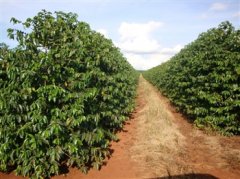
Coffee cultivation techniques for cultivating strong seedlings of Coffee
Coffee cultivation techniques 1, cultivate strong coffee seedlings 1, nursery site selection close to water sources, convenient transportation, loose and fertile soil, deep soil layer, well-drained loam or sandy loam, paddy field with pH 66.5 or early nursery land, and close to coffee garden. Turn over the depth of the ground by 0.200. 30 meters, after hoing and removing stones, the ridge moisture width is 1.01. 2 meters, about 10 meters long, and in the soil moisture
2015-10-07 Coffee cultivation techniques cultivation strong seedlings technology coffee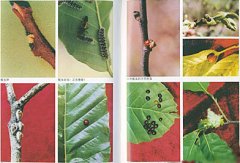
Common Diseases and pests in Coffee cultivation and Prevention and Coffee basic knowledge
(1) Pest control 1. Coffee tiger longicorn beetles are distributed in all coffee producing areas in the world, and also occur in Yunnan, Guangxi and Hainan Island in China. It is one of the major pests of coffee. The coffee tiger longicorn beetle harms the coffee trunk for more than 2 years. At first, it eats between the cambium and xylem, and then eats the xylem. The victim was a curved tunnel filled with sawdust.
2015-10-07 Coffee planting common diseases and insect pests control methods basics common sense
Coffee cultivation techniques General knowledge of Coffee planting
1. Cultivate strong coffee seedlings. 1. the choice of nursery land is close to water source, convenient for transportation, loam or sandy loam with loose and fertile soil, deep soil layer and good drainage, paddy field with PH value of 66.5 or early nursery land, and close to coffee garden. Turn over the depth of the ground by 0.200. 30 meters, after hoing and removing stones, the ridge soil moisture is 1.01.2 meters wide. 2 meters, about 10 meters long, and apply rotten and finely crushed soil moisture
2015-02-25 Coffee cultivation techniques planting common sense cultivation coffee strong seedlings nursery selection rely on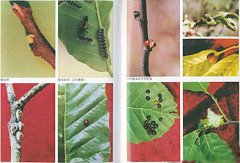
Common Coffee Diseases and pests in Coffee cultivation and Control methods
It is distributed in all coffee producing areas in the world, and it also occurs in Yunnan, Guangxi and Hainan Island in China. It is one of the major pests of coffee. Coffee longicorn beetles, which damage the coffee trunk by larvae for more than 2 years, initially eat between the cambium and xylem, and then eat (1) pest control. 1. Coffee tiger longicorn beetles are distributed in all coffee producing areas in the world. Yunnan, Guangxi and Hainan, China
2015-02-16 Coffee common sense planting common diseases and insect pests prevention and control methods
German history: substitute coffee
The "alternative coffee" that has been popular in history, as well as dandelion root, grape seed, lily root, barley flour and so on, is hard for people living in peaceful and affluent areas to imagine.
2014-05-20 Coffee History German History substitute Coffee
Zimbabwe AA Plus Estate Salim Coffee Beans Zimbabwe AA Plus Estate Salim
Zimbabwe beans baked raw beans, in the player circle belongs to East African beans, a must-try, beans beautiful appearance, sour sweet overall taste is very rich... This Salimba is produced in the important area of fine coffee in the country: Chipinga, belonging to the latest harvest of new arrivals, this batch of cups measured as follows: dry aroma: caramel, nut aroma, fat aroma, spice sweet, grass root aroma, cool aroma, ripe fruit aroma wet aroma: burnt
2014-09-09 Coffee beans green coffee beans
Identification of genuine and fake coffee
Common adulterants in coffee are chicory root powder, roasted ground grains, etc., or processed with other bean-shaped seeds instead of coffee beans. The sensory coffee is brown and powdery. Due to the Maillard reaction during roasting, the coffee has a special aroma, and counterfeit coffee has no or
2014-08-07 True or false coffee identification here refers to coffee beans roasted ground after
Coffee cultivation techniques
Coffee, cocoa and tea are called the three major beverages in the world, and their output, consumption and output value all rank first. In addition to being used as a beverage, coffee can also extract caffeine and coffee oil; in medicine, it can be used as an anesthetic, stimulant and diuretic cardiotonic agent.
2014-06-17 Coffee knowledge coffee cultivation techniques coffee encyclopedia
Basic knowledge of distinguishing Fine Coffee from genuine Coffee
The coffee here refers to the brown powdered solid drink of raw coffee beans roasted and ground. Common adulterants in coffee are chicory root powder, roasted ground grains, etc., or processed with other bean-shaped seeds instead of coffee beans. The sensory coffee is brown and powdery. Due to the Maillard reaction during roasting, the coffee has a special aroma, and counterfeit coffee has no or
2015-03-26 True and false coffee identification boutique basics common sense
Identification skills of genuine and fake coffee basic knowledge of coffee beans
The coffee here refers to the brown powdered solid drink of raw coffee beans roasted and ground. Common adulterants in coffee are chicory root powder, roasted ground grains, etc., or processed with other bean-shaped seeds instead of coffee beans. The sensory coffee is brown and powdery. Due to the Maillard reaction during roasting, the coffee has a special aroma, and counterfeit coffee has no or
2015-05-13 True and false coffee identification skills coffee beans basics common sense
General knowledge of high-quality coffee to distinguish between true and fake coffee
The coffee here refers to the brown powdered solid drink of raw coffee beans roasted and ground. Common adulterants in coffee are chicory root powder, roasted ground grains, etc., or processed with other bean-shaped seeds instead of coffee beans. The sensory coffee is brown and powdery. Due to the Maillard reaction during roasting, the coffee has a special aroma, and counterfeit coffee has no or
2014-12-18 Boutique coffee common sense true and false identification here refers to coffee beans roasted
Arabica cultivation techniques: soil management
Weeding, covering young coffee garden, weeds are easy to breed, especially in rainy season, weeding should be once a month. If there is sufficient labor, remove the weeds first. Adult coffee gardens can be weeded once every 2 to 3 months. Such as the use of herbicides should be careful not to spray coffee leaves, in young coffee garden use more important caution. Coffee root shallow, vulnerable to high temperature and drought and other adverse climatic conditions
2014-07-09 Arabica coffee beans cultivation Yunnan Arabica coffee beans Yunnan Arabica coffee beans price
How to tell if the coffee has gone bad?
Instant coffee identified as Rubiaceae shrub, coffee tree fruit seeds, semicircular grooves, stir-fried coffee powder, brown has a special aroma, coffee powder can be drunk after boiling, such as the juice will be concentrated and then dried into instant coffee. Fake coffee is mixed with chicory root powder in real coffee, or roasted and crushed grains and beans. Real coffee contains caffeine and has
2015-06-17 How to identify coffee whether it has gone bad
How to tell if the coffee has gone bad?
Instant coffee identified as Rubiaceae shrub, coffee tree fruit seeds, semicircular grooves, stir-fried coffee powder, brown has a special aroma, coffee powder can be drunk after boiling, such as the juice will be concentrated and then dried into instant coffee. Fake coffee is mixed with chicory root powder in real coffee, or roasted and crushed grains and beans. Real coffee contains caffeine and has
2014-05-27 Coffee knowledge instant coffee discriminating coffee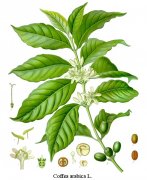
Coffee cultivation techniques detailed explanation of planting knowledge of Coffee trees
Coffee, cocoa and tea are called the three major beverages in the world, and their output, consumption and output value all rank first. In addition to being used as a beverage, coffee can also extract caffeine and coffee oil; in medicine, it can be used as an anesthetic, stimulant and diuretic cardiotonic agent. Coffee pulp can be used to make wine, vinegar, pectin and molasses; dried pulp can be used as animal feed; dried fruit shell can be used as fertilizer and burning
2015-02-16 Coffee cultivation techniques planting knowledge detailed explanation
Liao Zinc, a post-90s girl, takes root in his hometown to make coffee for the citizens.
With dim lights, soft music and the fragrance of coffee in the air, Liao Zinc, a post-90s girl, returned to Wanzhou with her love of coffee and held a coffee sharing party for the citizens once a month. Yesterday, she said that she liked the comfortable life in her hometown and wanted more people from her hometown to understand the coffee culture. Liao Zinc, 23, who is worried about Wanzhou's hometown, is a native of Wanzhou.
2016-09-29 Girl Liao Zinc rooted hometown heart citizen good coffee dim lighting