“Root” search results (1431)
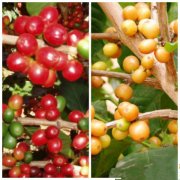
Five characteristics of coffee trees
1. Roots: Coffee roots are conical roots. 2, stem: coffee stem is also known as the trunk, is from the development of straight branches. 3, leaves: simple opposite, green, elliptic to long elliptic. 4. Flowers: white and fragrant. Fruit: The fruit is a drupe, usually containing 2 seeds, but also single and 3 seeds.
2014-09-01 coffee knowledge coffee tree coffee tree characteristics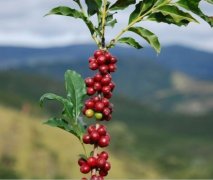
Coffee tree characteristics
1. Roots: Coffee roots are conical roots. 2, stem: coffee stem is also known as the trunk, is from the development of straight branches. 3, leaves: simple opposite, green, elliptic to long elliptic. 4. Flowers: white and fragrant. Fruit: The fruit is a drupe, usually containing 2 seeds, but also single and 3 seeds.
2015-07-28 boutique coffee basics common sense characteristics cones roots stems also known as
The growing environment of coffee
Coffee is native to tropical Africa, the small seed is originated in the tropical plateau of Ethiopia, between 900 and 1800 meters above sea level, with an average annual temperature of 19C; the medium seed is native to the tropical rain forest region of the Congo, below 900 meters above sea level, with an average annual temperature of 2126. C
2014-06-16 Coffee knowledge Coffee growth Coffee Encyclopedia
10 Secrets about Taste Coffee Basics
Have you ever studied the taste distribution map? Sweet taste buds at the tip of the tongue; bitter taste buds at the root of the tongue; sour taste buds on both sides? In fact, this is completely wrong. The root of the misinformation lies in the fact that when someone translated the German research report into English, the translator himself misunderstood it. The truth is: you can taste everything in every part of the tongue, although the sensitivity may be different. [the fifth feeling]
2015-09-16 About taste 10 secrets coffee basics common sense learned distribution
10 Secrets of Fine Coffee about Taste
Have you ever studied the taste distribution map? Sweet taste buds at the tip of the tongue; bitter taste buds at the root of the tongue; sour taste buds on both sides? In fact, this is completely wrong. The root of the misinformation lies in the fact that when someone translated the German research report into English, the translator himself misunderstood it. The truth is: you can taste everything in every part of the tongue, although the sensitivity may be different. [fifth feeling] the crowd
2015-07-24 About taste 10 secrets boutique coffee basics common sense learned
Top 10 Taste Secrets of Fine Coffee tasting
Have you ever studied the taste distribution map? Sweet taste buds at the tip of the tongue; bitter taste buds at the root of the tongue; sour taste buds on both sides? In fact, this is completely wrong. The root of the misinformation lies in the fact that when someone translated the German research report into English, the translator himself misunderstood it. The truth is: you can taste everything in every part of the tongue, although the sensitivity may be different. [fifth feeling] the crowd
2015-02-25 Boutique coffee tasting about taste 10 secret learned distribution
Coffee common sense 10 little secrets about taste
[the translator is wrong] have you ever studied taste distribution map? Sweet taste buds at the tip of the tongue; bitter taste buds at the root of the tongue; sour taste buds on both sides? In fact, this is completely wrong. The root of the misinformation lies in the fact that when someone translated the German research report into English, the translator himself misunderstood it. The truth is: you can taste everything in every part of the tongue, although the sensitivity may be different. [regulation.
2015-06-06 Coffee common sense about taste 10 secrets translator wrong learned taste
Fine Coffee learn the growing environment of coffee
Coffee is native to tropical Africa, the small seed is originated in the tropical plateau of Ethiopia, between 900 and 1800 meters above sea level, with an average annual temperature of 19C; the medium seed is native to the tropical rain forest region of the Congo, below 900 meters above sea level, with an average annual temperature of 2126. C 1. Different varieties of temperature coffee have different requirements for temperature. Small seed species need a cooler climate and an annual average temperature of 1.
2014-10-16 Coffee knowledge boutique coffee science coffee growing environment
Where is the largest coffee producing area? Altura Coffee, Mexico
Soil conditions are also crucial. Coffee trees belong to shallow root plants, and the soil is rich in organic matter (with strong fertility), rich in water vapor (and smooth drainage), deep soil layer (usually above lm) and weakly acidic (the soil pH value of coffee planting in Yunnan, China is generally between 5.5 and 6.5). Guatemala, Brazil, Colombia, and Xavier in the United States
2016-06-06 Large coffee producing areas where Mexico Al Tula soil conditions to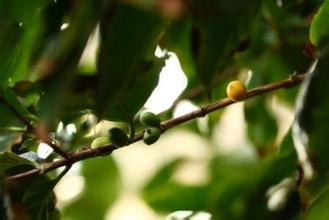
Coffee growing environment affects coffee growing environment and coffee quality Suitable soil and conditions
Coffee originated in tropical Africa, the origin of small species is the tropical plateau of Ethiopia, between 900 and 1800 meters above sea level, with an average annual temperature of 19. C. The medium-grained species originated in the tropical rain forest area of Congo, below 900 meters above sea level, with an annual average temperature of 21~26. C。They are native to shady or semi-shady forests and river valleys, so coffee needs calm wind, warm and humid
2016-01-22 coffee growth environment impact quality suitability soil condition origin
German history: substitute coffee
Today, Germany is one of the countries that import the most coffee in the world. More than 1/4 of Vietnam's annual coffee exports are sent to Germany. But when it comes to Germany, we only think of sausages and beer, not coffee. This is because, in the 17th century, when coffee spread across Europe, Germany had few overseas colonies, unlike Britain and France.
2016-09-28 Germany history substitute coffee today the world imports more
What is the growing environment of coffee beans? What conditions must be met to grow coffee beans?
Coffee is native to tropical Africa. The origin of the small seed species is the tropical plateau of Ethiopia. It is between 900 and 1800 meters above sea level with an average annual temperature of 19. C; the mid-grain species is native to the tropical rain forest of the Congo, with an average annual temperature of 2126 at an altitude of less than 900 meters. C . Their origins are shaded or semi-shaded forests and river valleys, so the formation of coffee requires calm wind, cool and wet.
2015-11-24 Coffee beans growth environment how reach conditions talent planting coffee origin
Boutique coffee German "substitute coffee"
Today, Germany is one of the countries that import the most coffee in the world. More than 1/4 of Vietnam's annual coffee exports are sent to Germany. But when it comes to Germany, we only think of sausages and beer, not coffee. This is because, in the 17th century, when coffee spread across Europe, Germany had few overseas colonies, unlike Britain and France.
2015-01-21 Boutique coffee Germany human substitute coffee today the world import
Historical substitute coffee in Germany
Coffee online Ono column Today Germany is one of the countries that import the most coffee in the world. More than 1/4 of Vietnam's annual coffee exports are sent to Germany. But when it comes to Germany, we only think of sausages and beer, not coffee. This is because, in the 17th century, when coffee spread across Europe, Germany had almost no overseas colonization.
2014-09-27 Alternative coffee coffee encyclopedia coffee culture coffee knowledge
Coffee Common sense German History of "substitute Coffee"
Today, Germany is one of the countries that import the most coffee in the world. More than 1/4 of Vietnam's annual coffee exports are sent to Germany. But when it comes to Germany, we only think of sausages and beer, not coffee. This is because, in the 17th century, when coffee spread across Europe, Germany had few overseas colonies, unlike Britain and France.
2014-12-05 Coffee Common sense Germany Human substitute Coffee History Today the World
The History of "substitute Coffee" in Germany
Today, Germany is one of the countries that import the most coffee in the world. More than 1/4 of Vietnam's annual coffee exports are sent to Germany. But when it comes to Germany, we only think of sausages and beer, not coffee. This is because, in the 17th century, when coffee spread across Europe, Germany had few overseas colonies, unlike Britain and France.
2015-05-04 Germany Human substitute Coffee History Today World Import Coffee
Historical substitute Coffee of Fine Coffee in Germany
Today, Germany is one of the countries that import the most coffee in the world. More than 1/4 of Vietnam's annual coffee exports are sent to Germany. But when it comes to Germany, we only think of sausages and beer, not coffee. This is because, in the 17th century, when coffee spread across Europe, Germany had few overseas colonies.
2015-06-11 Germany boutique coffee history substitute Ono column Today the world
Three elements of successful operation of coffee shop
Coffee shop is in the form of fixed-point business, that is, in the form of sales; it is like a tree fixed in a site to take root and sprout, so some people call it a plant-based enterprise, but in today's marketing-oriented era, consumer demand and desire make the business constantly changing. With the gradual diversification and personalization of consumer consciousness, coupled with the increasingly fierce market competition, it is absolutely necessary to operate in cafes.
2015-04-10 Coffee shop operation success three elements coffee shop fixed point business way
Special treatment of Huilan Plateau Diamond Manor in Huilan, Colombia Yellow bourbon grows coffee beans
The history of Colombian coffee dates back to 1808. A priest brought coffee to Colombia for the first time from the French Antilles via Venezuela. The suitable climate in Colombia provides a real natural pasture for coffee. Since then, coffee trees have taken root in this country. The country has also become the second largest coffee producer after Brazil and the world's largest Arabica coffee.
2016-04-06 Colombia Whelan producing area Huilan Plateau Diamond Manor Special treatment Law
Common sense of Cafe Management the three elements of successfully running a Cafe
Coffee shop is in the form of fixed-point business, that is, in the form of sales; it is like a tree fixed in a site to take root and sprout, so some people call it a plant-based enterprise, but in today's marketing-oriented era, consumer demand and desire make the business constantly changing. With the gradual diversification and personalization of consumer consciousness, coupled with the increasingly fierce market competition, it is absolutely necessary to operate in cafes.
2015-06-27 Coffee shop management common sense success three elements coffee shop so fixed point business