“Proportion” search results (3632)



Representative proportion of coffee beans mixed with common sense individual coffee beans
(1) Acid: Colombia 30%, Brazil 30%, Guatemala 20%, Mocha 20% (2) bitter: Colombia 30%, Brazil 30%, Kilimanjaro 20%, Robsta 20% (3) strong: Colombia 40%, Guatemala 20%, Mantenin 20%, Brazil 20% (4) mild: Colombia 40%, Brazil 30%, Mocha 20%, Robsta 10%
2015-03-25 Coffee beans blending common sense individual products representativeness proportion Colombia 30% Pakistan
The representative proportion of various individual coffee beans
(1) Acid: Colombia 30%, Brazil 30%, Guatemala 20%, Mocha 20% (2) bitter: Colombia 30%, Brazil 30%, Kilimanjaro 20%, Robsta 20% (3) strong: Colombia 40%, Guatemala 20%, Mantenin 20%, Brazil 20% (4) mild: Colombia 40%, Brazil 30%, Mocha 20%, Robsta 10%
2015-05-13 Various individual products coffee beans blending representativeness proportion Colombia 30% Brazil
An increase in the proportion of cooperatives in Costa Rica's coffee industry
According to the Costa Rican Coffee Research Institute (Icafe), the coffee production of 17 cooperatives in Costa Rica accounted for 41.5% of the total coffee production in 2015, up from 36.5% in 2011. The remaining coffee producers are mainly exporters and small and micro enterprises, of which small and micro enterprises account for 34.5%.
2016-08-22 Cooperatives Costa Rica coffee industry proportion increase nationality
The basic method of coffee stratification in coffee encyclopedia
When making layered coffee, we first need to figure out the up and down order of each level, or the proportion of each ingredient. Those with a large proportion are generally divided into the lower layer, and those with a small proportion are divided into the upper layer. Whether it is to make cocktails or layered coffee, the principle is the same. Next, I will briefly discuss the usual method of hierarchical arrangement, which may be the origin of different varieties.
2014-10-13 Coffee knowledge coffee stratification coffee encyclopedia
The basic method of coffee stratification the arrangement of levels
When making layered coffee, we first need to figure out the up and down order of each level, or the proportion of each ingredient. Those with a large proportion are generally divided into the lower layer, and those with a small proportion are divided into the upper layer. Whether it is to make cocktails or layered coffee, the principle is the same. Next, I will briefly discuss the usual method of hierarchical arrangement, which may be the origin of different varieties.
2014-10-21 Coffee knowledge coffee encyclopedia coffee common sense
Rising posture | Latte and cappuccino, silly can not tell the difference between cappuccino coffee and latte
Cappuccino and latte feel very similar. Latte is another change of Italian coffee, and the brewing procedure is the same, except that the proportion of coffee, milk and milk foam is slightly different. The proportion of milk in latte coffee is twice as much as that of cappuccino. That is, the proportion of coffee, milk and milk foam is 1:2:1. Mocha originally refers to coffee beans from Ethiopia, which are small, fragrant and sour.
2016-04-30 Posture latte Cabo Chino stupid fen don't know coffee what difference card
The effect of Italian Coffee 1 coffee 1 cup GTX 2 beans are blended in proportion to form steam milk caramel
The special term for espresso Single:Espresso refers to brewing a cup of Espresso from a single portion of coffee beans (about 7g-9g). The term "Double:Espresso" refers to brewing a cup of Espresso from a double portion of coffee beans (about 14g-18g). Also known as DOPIER. Espresso topped with whipped cream espresso with cream E on top
2016-07-08 Italian coffee 1: 1 effect beans according to proportion made of steam
The proportion of mixed coffee the basics of coffee blending beans
In the jargon of the coffee industry, only stir-fry raw beans from a certain area and brew them. This kind of coffee is called pure coffee, which is not to say that pure coffee cannot be tasted. As long as you like its unique flavor and personality, tasting pure coffee will be a top enjoyment. However, by mixing different pure coffee, the flavor of the coffee can be changed, although there can not be a separate specialty of tasting each kind of coffee.
2015-03-20 Mixing coffee proportion blending basic knowledge
The proportion of mixed coffee the common sense of coffee bean mixing
In the jargon of the coffee industry, only stir-fry raw beans from a certain area and brew them. This kind of coffee is called pure coffee, which is not to say that pure coffee cannot be tasted. As long as you like its unique flavor and personality, tasting pure coffee will be a top enjoyment. However, by mixing different pure coffee, the flavor of the coffee can be changed, although there can not be a separate specialty of tasting each kind of coffee.
2015-05-27 Mixing coffee proportion coffee beans common sense
Introduction of blended coffee beans made according to the golden proportion
In addition to location, there are many other factors that affect the quality of coffee: planting methods, soil fertility, weather, especially rainfall and light, and exact latitude. The above factors combined with the treatment of raw coffee beans have created the diversity of coffee from different countries and regions in the world. But among the many coffee beans, Arabica is the most popular among coffee lovers.
2016-06-30 According to gold proportion collocation blending coffee beans introduction geographical location
The basic method of coffee stratification
When we make layered coffee, we first need to figure out the up and down order of each level, or the proportion of each raw material. Those with a large proportion are generally divided into the lower layer, and those with a small proportion are divided into the upper layer. Whether it is to make cocktails or layered coffee, the principle is the same.
2014-05-23 Coffee knowledge Coffee Encyclopedia Coffee training
The proportion of water in a cup of coffee is about 98.5%. The water quality affects the flavor of the coffee.
According to research, the proportion of water in a cup of coffee is about 98.5% 99%, and the substance extracted from coffee accounts for only 1% 1.5%, so water is a very important factor in determining the taste of coffee. Of course, the taste of coffee is also related to many factors: raw beans, roasting and making. In fact, not all water is suitable for making coffee. When we drink mineral water and pure water,
2016-06-13 One cup coffee reclaimed water proportion about 98.5% 99% water quality.
What does the proportion of single coffee refer to? introduction to the method of describing the flavor of Italian manor producing area.
Individual coffee beans Latin America Brazil: Santos, Bahia, Cerrado, Mogiana Mexico: Coatepec, Huatusco, Orizaba, Maragogype, Tapanchula, Huixtla
2016-10-21 Item coffee proportion what is it Italian style manor origin flavor description
The proportion of coffee blending formula introduction Italian coffee machine
Colombia (Metenin), Venezuela (aged coffee), Blue Mountains, Gillimanjaro, Mocha, Guatemala, Mexico, Kenya, Brazil Santos, Haiti Alcohol Colombia (Metenin), Mocha, Blue Mountains, Guatemala, Costa Rica Neutral Brazil, Galvado, low property Costa Rica Venezuela, Honduras, Cuba
2016-07-13 Coffee blending proportion method recipe introduction Italian Coffee Machine Colombia
How to use the proportion of the American drip filter coffee pot the coffee powder of the coffee pot is grinded
The principle of American drip filter coffee: hot water is driven by a little force, and coffee essence is released by stewing. Suitable for coffee: coffee roasted in medium or deep depth. Degree of grinding: finer than granulated sugar and thicker than powder. Tip: American coffee makers are popular on the market, with all kinds of brands, but their functions are more or less the same. You can consider the size you need when you buy, there are 24 people.
2016-01-19 American drip filter coffee pot how proportion coffee powder grinding thickness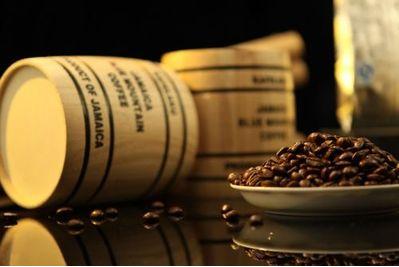
The grading system of Blue Mountain Coffee giving priority to defects. Blue Mountain Flavor imported Coffee beans
Although the output of Blue Mountain Coffee is very small, it has a strict grading system, even if it is produced in the legal Blue Mountain area, it should be graded according to the size of beans and the proportion of defects. BlueMountainNo.1 Blue Mountain No.1 Bean: 96% above 17 BlueMounta 18 defective Bean: 2% BlueMountainNo.2 Blue Mountain 2 Bean: 96% above 16 Universe 17 defective Bean: 2%
2016-04-12 Blue Mountain Coffee size priority balance defects grading system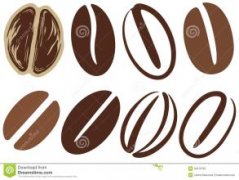
When making coffee, the ratio of coffee to water the ratio of coffee powder to brown sugar
Before we discuss the gouache ratio of coffee, let's briefly understand the following two concepts. It has also been mentioned earlier that the formation of coffee is that water brings out the soluble substance in the coffee powder, so it becomes coffee, and changing the amount of soluble matter can adjust the taste of coffee. I. the extraction rate of coffee refers to the soluble substance dissolved in the quantitative coffee powder.
2016-04-18 Coffee with water proportion coffee powder and yellow discussion coffee gouache before
Three important factors of Coffee three factors affecting Coffee Flavor
So how to master these variables when making coffee, and which variables will cause the difference in the taste of coffee? Let's take a look at the three major factors that affect coffee making. First, the temperature of hot water when it comes into contact with coffee powder, hot water will accelerate the movement of various ingredients, and the speed of sour ingredients is the fastest, and the amount of movement from the center of coffee powder to the surface is basically the same in a short time.
2016-06-03 Coffee important factors influence flavor three so how master these