“Process” search results (19208)

Chemex Coffee Pot Operation method and process Chemex Design
The design of the Chemex has remained completely unchanged, with its charming wooden handle and leather rope developed in 1941 by the German inventor Peter Schlumbohm. The design of Schlumbohm has been described as synthetic logic and madness. In the teaching link of coffee training, we choose to use Chemex series of coffee pots for practical operation and learning.
2015-11-07 Chemex coffee maker operation method process design
The fruit of coffee tree is picked. Introduction to the process of how to make coffee.
In the washing type, the harvested fruit is poured into the sink, the floating matter is removed, the fruit in the water is moved to the pulp removal machine, the outer skin and pulp are removed, and then put back into the tank to remove the floating matter, the core in the water is poured into the fermentation tank, soaked for half a day or one day, the colloid on the surface of fermented beans is removed, washed, dried or mechanically dried, and the endocarp is removed on the sheller to form commercial raw coffee beans.
2016-10-20 Coffee tree fruit really coffee beans how to make process introduction washing harvest
Coffee bean production process and common coffee processing methods
Process Description: 1. Remove the shell and remove the coffee shell. 2, choose beans, remove moldy coffee beans. 3, cleaning, washing coffee with water to wash away surface dirt. 4. Bake, bake at 90~100℃ for half an hour. 5. Grinding: grinding and crushing the processed coffee with a roller grinder. 6, pulping (add water), add coffee about 3 times the 95℃ hot water
2014-07-08 Coffee knowledge Coffee bean production Coffee encyclopedia
Coffee brewing method Chemex coffee pot operation method and process
The design of the Chemex has remained completely unchanged, with its charming wooden handle and leather rope developed in 1941 by the German inventor Peter Schlumbohm. The design of Schlumbohm has been described as synthetic logic and madness. In the teaching link of coffee training, we choose to use Chemex series of coffee pots for practical operation and learning.
2015-01-12 Coffee brewing method Chemex coffee maker operation process Chem
Coffee beans production process and production methods Taste varieties Producing characteristics Flavor description Processing method Introduction
Honey treatment: Honey treatment method, called HoneyProcess or Miel Process, honey treatment is the method of drying the fruit with endocarp after peeling the flesh. Before transportation and roasting, first of all, we have to pick raw beans before roasting. The selection of raw beans is also very important. Defective beans will affect the flavor of coffee production. We're going to put the whole black beans/partial black beans/sour beans/bureau in the beans
2016-10-18 coffee beans production process preparation method taste variety origin characteristics flavor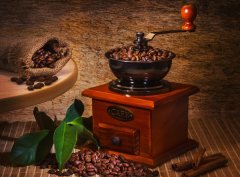
The production process of coffee is described in detail. First of all, select high quality raw materials.
So for many people, the afternoon is not only the best time to taste coffee, but also the time to relax and relax, so what about the process of making your favorite coffee? When we enjoy a cup of coffee in our spare time, we seriously enjoy the unbridled time in the afternoon, and at the same time experience the rare leisure and entertainment. So for a lot of people
2015-09-17 Coffee production process detail description first of all selection quality raw materials so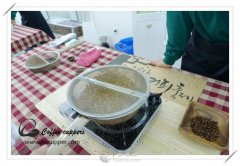
Coffee bean baking technology net spoon baking process
Coffee roasting (coffee roasting) means that through heating raw beans, starch in raw beans is converted into sugars and acids at high temperature, substances such as cellulose will be carbonized to varying degrees, water and carbon dioxide will be volatilized, proteins will be converted into enzymes and fats, and the remaining substances will be combined to form an oil film on the surface of coffee beans, and in the process coffee acids will be formed.
2015-01-08 Coffee beans roasting technology net spoon process coffee r
The origin of the taste of coffee
For those of you who love coffee, if you have drunk several different kinds of coffee, I think you may have some general understanding of the taste of coffee. Some coffee may be low, making people feel steady and rich, and some coffee is light, elegant and refreshing, while some coffee is mild, elegant and supple.
2014-07-03 Coffee knowledge coffee taste coffee encyclopedia coffee common sense
Talk about the processing process of coffee beans
Within 8 hours after picking, the coffee fruit should be peeled, otherwise negative fermentation will occur, thus affecting the quality of coffee beans.
2014-07-08 Coffee knowledge coffee bean processing coffee encyclopedia
The common sense of coffee illustrates the whole process of making coffee flowers.
The whole process of master flower drawing: simple props, understated movements, the whole performance process is really amazing.
2014-11-08 Coffee knowledge coffee common sense coffee flower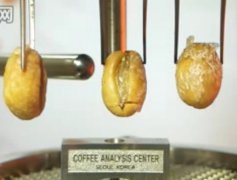

3 in 1 Instant Coffee Illustrated Instant Coffee Production Process
Simplified instant coffee production process 1. Coffee beans: coffee beans are stripped from coffee berries. Roasting: Its purpose is to cultivate the taste and glycol of coffee beans, excellent roasting process, can make coffee beans completely volatilize its unique taste and aroma. Grinding: grind the roasted coffee beans into granules. 4. Extraction and aroma preservation: remove coffee grounds and extract
2015-03-02 3 in 1 Instant Coffee Illustration Production Flow Simplification
Coffee Common sense Coffee Bean Coffee Baking steps Analysis
Once the coffee seed is planted, no one can change its final quality. However, the color, aroma, bioactive components and health characteristics of coffee are related to the roasting process. During the roasting process, coffee is heated at 190-220 degrees for 7-20 minutes, which helps to bake out its aroma and good taste, and helps to form lactone, nicotinic acid and resistance.
2015-04-03 Coffee common sense boutique coffee beans roasting steps analysis once coffee seeds
The process of processing raw coffee beans the price of Alishan Mazu coffee
Process Editor when the coffee berries are ripe, they are usually harvested by manual picking, in some places only the fully ripe berries are picked, and in others all the coffee berries are picked from a branch. The former is called handpicked and the latter is called strip-picking. Because the ripening time of coffee berries is not consistent, so there is a good harvest.
2016-06-07 Coffee raw beans processing process Alishan marsh price editing
Operation method and process of Chemex coffee maker
The design of the Chemex has remained completely unchanged, with its charming wooden handle and leather rope developed in 1941 by the German inventor Peter Schlumbohm.
2014-07-07 Coffee knowledge Chemex coffee maker operation procedure coffee encyclopedia
Introduction to the treatment of raw coffee beans-honey treatment
The so-called honey treatment (Miel Process in Spanish) is said to refer to the process of making raw beans by sun-drying with mucous membranes. After the outer pulp of the coffee bean is removed, there will be a layer of sticky jelly. The traditional method of washing is to wash it off with clean water, but because of the limitation of water resources in some high-altitude areas, there is this way of direct drying. Honey treatment process
2014-07-22 Honey treatment coffee bean treatment coffee raw bean
Introduction to the method of honey treatment of raw coffee beans
The so-called honey treatment (Miel Process in Spanish) is said to refer to the process of making raw beans by sun-drying with mucous membranes. After the outer pulp of the coffee bean is removed, there will be a layer of sticky jelly. The traditional method of washing is to wash it off with clean water, but because of the limitation of water resources in some high-altitude areas, there is this way of direct drying. Honey treatment process
2014-09-18 Coffee raw bean raw bean treatment honey treatment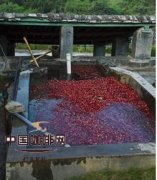
Coffee beans: coffee beans, coffee beans, coffee beans
There are two ways to prepare coffee beans for the roasting process. The method chosen has a significant impact on the final price and quality of coffee. The cheapest method is called drying, which is used for lower quality coffee beans, while higher quality coffee beans are processed by wet processing. The wet process requires more capital investment and more effort, but this method helps to ensure that
2015-01-28 boutique coffee beans basics common sense processing roasting process preparation two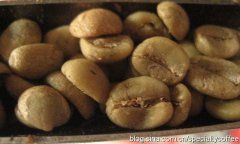
Coffee common sense Coffee roasting process after picking
Generally speaking, coffee roasting is a time-temperature dependent process in which physical changes and chemical reactions occur in raw coffee. Roasting is the last and most important step in the processing of coffee beans after they have been picked. Green coffee beans cannot be used directly to make drinking coffee. All coffee beans must be roasted before grinding and brewing. not
2014-11-14 Coffee knowledge Fine coffee knowledge Coffee picking Coffee roasting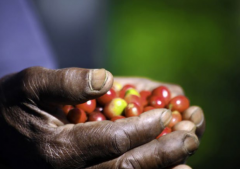
The process before the auction of coffee beans Ethiopian boutique coffee
Pre-auction process 1) farmers pick fresh coffee fruits; 2) farmers transport fresh fruits to rural cooperatives; 3) cooperatives sell fresh fruits to middlemen; 4) middlemen collect and transport fresh fruits to processing plants (washing or tanning process); 5) middlemen transport processed beans (with shell beans, Parchment Coffee) to auction houses to establish warehouses; 6) auction houses give official information.
2016-06-03 Coffee beans auctions processes Esso Biya boutiques coffee farmers