“Longberry” search results (208)

Coffee Flavor description and Grinding degree of Coffee in Xidamo Shaqiso region of Ethiopia
Ethiopia is the birthplace of coffee. Ethiopian coffee has the same deep cultural accumulation as Chinese tea. The Sidamo producing area, which is 1400-2200 meters above sea level, is a famous boutique coffee area in southern Ethiopia, bordering Kenya. The washed Sidamo is light green, the beans are small, the growth is oval, the fruit is full, the average quality is good, the smell is aromatic and mellow, one drop.
2016-09-29 Mellow light suitable Ethiopia Dharma Shaquiso producing area coffee flavor
Home-baked boutique coffee (5) Harald, Ethiopia
Ethiopia, as the hometown of coffee, plays an important role in the field of coffee in the world because of its superior natural conditions and long history of coffee production and drinking. Coffee was first discovered 1500 years ago in the Kafa region of southern Ethiopia. Up to now, there are still a large number of wild primitive coffee trees in the country, and many farmers have coffee trees in their courtyards.
2014-09-12 Coffee knowledge coffee roasting boutique coffee roasting Hala
Flavor and taste of sun-insolated Sidama Coffee the characteristics of Sun-insolated Sidama Coffee are introduced in the manor area.
The taste of Sidama in the sun is close to the smell of flowers, but it is about a little earthy. Water washing has a nutty fruit aroma with a slight cocoa aroma, but what the two have in common is smooth taste and viscosity, comfortable and pleasant acidity and fragrance. Light or medium roasting is suitable for individual products, while medium or deep roasting is suitable for blending coffee and good Espresso base. The water-washed Sidamo is light green and the beans are small.
2016-07-30 Sun Dharma Coffee Flavor Taste Manor producing area introduction characteristics
Introduction to the flavor and taste characteristics of Ethiopian coffee manor with rich floral flavor
The nose is characterized by strong floral, fruity, sour and sweet aromas, but the alcohol is slightly thicker or less dense. The biggest disadvantage is that it is easy to bake unevenly, especially sun-dried beans. Even the best Grade3 Harald sun-dried beans often show uneven color, which is the biggest defect of Ethiopian beans, but the good thing is that it does not affect its good flavor. For coffee fans, don't worry about what the beans look like.
2016-08-10 Rich fragrant Ethiopian coffee manor producing area flavor taste characteristics
Rich floral flavor of Ethiopian coffee the characteristics of the manor area introduce high-quality coffee beans
Ethiopian coffee has the highest citrus aroma in the world. Whether instant coffee or freshly ground coffee, the aroma of orange or lemon can be smelled during extraction. The nose is characterized by strong floral, fruity, sour and sweet aromas, but the alcohol is slightly thicker or less dense. The biggest disadvantage is that it is easy to bake unevenly, especially sun-dried beans. Even the best Grade3 Harald sun beans are often
2016-08-03 Rich fragrant Ethiopian coffee flavor taste manor producing area characteristics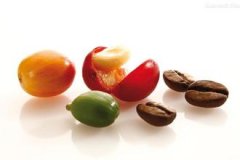
The bright sour taste of Xidamohara and Yega Xuefei in the coffee-producing areas of Ethiopia is becoming popular.
The coffee-producing region of Ethiopia is divided into east and west parts by the East African Rift Valley, with lakes, volcanoes, lowlands, plateaus and woodlands interlaced, each evolving. Ethiopia has the most diverse coffee ecosystem in the world (forest coffee, semi-forest coffee, pastoral coffee and plantation coffee), which also preserves its rich Arabica genes. The eastern half is mostly plateaus, coffee beans.
2016-07-04 Ethiopia coffee producing areas Hilda Moha Lar Yega Xuefei bright
Introduction of aromatic and mellow Coffee Flavor description treatment method in Sidamo Shaquiso producing area
The flavor of water-washed coffee is not easy to have wild flavor, and has the characteristics of purity and freshness, which is suitable for the baking degree from City to Full City. In some Ethiopian water-washed coffee beans with excellent nature, obvious rising lemon, citrus essential oil, jasmine, honey and so on can be detected, with obvious sour taste and mellow feeling.
2016-10-15 Mellow thick Dharma Shaquiso producing area Coffee Flavor description processing Price
An introduction to the unique and mellow taste of coffee from Xidamo Chiso, Ethiopia.
The taste of Sidama in the sun is close to the smell of flowers, but it is about a little earthy. Water washing has a nutty fruit aroma with a slight cocoa aroma, but what the two have in common is smooth taste and viscosity, comfortable and pleasant acidity and fragrance. Light or medium roasting is suitable for individual products, while medium or deep roasting is suitable for blending coffee and good Espresso base. The water-washed Sidamo is light green and the beans are small.
2016-09-09 Taste unique thick Ethiopia Dharma Shaquiso producing area coffee flavor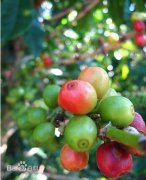
The coffee producing area of Ethiopia is divided into east and west boutique coffee by the East African Rift Valley.
The coffee-producing region of Ethiopia is divided into east and west parts by the East African Rift Valley, with lakes, volcanoes, lowlands, plateaus and woodlands interlaced, each evolving. Ethiopia has the most diverse coffee ecosystem in the world (forest coffee, semi-forest coffee, pastoral coffee and plantation coffee), which also preserves its rich Arabica genes. The eastern half is mostly the plateau.
2016-06-02 Ethiopia coffee producing areas East Africa Rift Valley Segmentation East-West two-part boutique
Introduction of Coffee Flavor and Taste Variety extraction time in Xidamo Chiso producing area of Ethiopia
Ethiopian Sidamo is a type of single origin that grows in Arabica coffee in Ethiopia's Sidamo province. Like coffee in most African countries, Ethiopian Sidamo is characterized by small gray beans, but characterized by its rich, spicy, wine or chocolate-like taste and floral aroma. The most distinctive flavors found in all Sidamo coffee are lemon and citrus, bright.
2016-10-19 Ethiopia Dharma Shaquiso producing area Coffee Flavor Taste Variety extract
Introduction to the characteristics of Flavor description treatment of Ethiopian Coffee Bean varieties
Ethiopian coffee taste variety Ethiopian coffee should be the only pollution-free green organic coffee in the world. Ethiopia still uses traditional planting methods to artificially care for coffee trees, and fertilizers are mainly deciduous leaves, withered grass and animal manure, replacing harmful pesticides and herbicides used on a large scale in other coffee-producing countries. Ethiopia now produces mocha-Mocha coffee
2016-10-20 Ethiopia coffee beans varieties flavor description treatment characteristics grinding taste
Ethiopian Sidamo Lion King Rikuo style Shakiso
In the past, the Ethiopian sun exposure method used to spread wild coffee fruits directly on the mud ground for exposure. This method has two disadvantages: 1. After picking beans without special screening and treatment, uneven appearance and maturity are mixed together, the process is relatively rough, so the quality of coffee beans is unstable and prone to defective beans. two。 Coffee farmers usually live directly.
2016-10-17 Yesso Biya Dharma Lion King Rizzo Flavor Shaquiso in the past Esseobi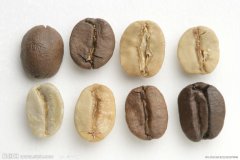
The god of poetry, Lambo, abandoned the article to do coffee business in Egypt, boutique coffee beans, Ethiopian flavor.
Ethiopia is mainly a wild coffee forest, want to chew coffee fruit or drink coffee, go into the forest to pick, so there was no coffee cultivation in ancient Ethiopia. Yemen had a large-scale coffee cultivation industry and coffee trade with Europe as early as the 15th and 16th centuries, and Ethiopia did not have a record of coffee trade until the 19th century. In 1838, Ethiopia passed through the port of the Red Sea
2016-04-20 Poetry child prodigy Lambo Jiwen going to Egypt coffee business boutique coffee beans Ethiopia
Washed Sidamo Coffee introduce Sidamo Coffee producing area Manor introduce Fine Coffee beans
Kaibedo is a small coffee cooperative in a small town in Dala, Sidamo Province. each small coffee farmer here has an average planting area of about 0.6 hectares and is composed of hundreds of coffee farmers. it is planted nearly 2000 meters above sea level, the climate varies greatly, and the soil is fertile, providing an excellent growing environment, and the raw bean itself exudes a strong aroma of raisins and fermented wine. Near
2016-07-06 Washing treatment Dharma Coffee introduction production area Manor Fine goods Coffee beans Cabe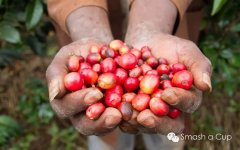
"Yega Snow Coffee" Fine African Coffee Coffee characteristics Coffee beans Coffee
The term "fine coffee" was first put forward by Ms. Knudsen of the United States in Coffee and Tea magazine. At that time, Ms. Knudsen, as a coffee buyer at B.C. Ireland in San Francisco, was very dissatisfied with the neglect of the quality of raw coffee in the industry, and even some big roasters mixed a large amount of Robesda beans in the comprehensive beans, so she put forward the concept of boutique coffee.
2016-06-16 Yega Snow Coffee Africa boutique coffee characteristics coffee beans English
Introduction to the characteristics of Ted Manor boutique coffee bean flavor producing area with smooth taste
China Coffee Network Sidamo's coffee flavor is very diverse. Different soil types, microclimates and countless native coffee species, towering mountains, highlands, plateaus, valleys and plains, diverse topography, and the geology of the area belongs to nutrient-rich, well-drained volcanic soil. the depth of the soil is nearly two meters, and the surface soil is dark brown or brown. The place
2016-09-13 Have smooth taste Ted manor boutique coffee beans flavor producing area characteristics
Introduction to Coffee Flavor and Fine Coffee beans in Cedar Mochizo area with a slight Cocoa fragrance
China Coffee Network Sidamo coffee raw beans are slightly gray, some places are thick and some places are small, the acidity is soft and strong, mellow, sweet and spicy, it is one of the courtyard coffee in the highlands of southern Ethiopia. Unlike ordinary African coffee, Sidamo has clear acidity, smooth taste and delicate floral smell. The taste of Sidama in the sun is close to the flower.
2016-09-14 Light cocoa fragrant Dharma Shaquiso producing area coffee flavor taste boutique
Unique fragrant Ethiopian Coffee Manor Flavor and Taste characteristics of Fine Coffee beans
In addition, it should be mentioned that most of them are produced by state-owned institutions, but the quantity is small and is not well known to the world. Teppi and Bebeka;Teppi, which are lightly described here, grow at an altitude of 3600-6200 feet, with an annual yield of about 50000 bagsamp60kg. Bebeka grows between 3000 and 3900 feet above sea level, with an annual output of about 30000bags/60kg, both of which are located in the lower parts of southwest Ethiopia.
2016-08-15 Unique fragrant Ethiopia coffee manor producing area flavor taste characteristics
Coffee basics: How to drink coffee
Coffee beans from all over the world are processed in a variety of ways to provide tasters with a variety of flavors and styles of coffee drinks. From light to full, from strong to slightly sour, the variety is bewildering to coffee drinkers and to those trying to distinguish their characteristics. However, just as wine tasting has a clear set of rules,
2014-11-03 coffee knowledge coffee primer coffee basics coffee cup
Ethiopian coffee producing areas are divided into east and west parts by the East African Rift Valley.
Boutique coffee (specialty coffee) is also called specialty coffee selection coffee. It refers to coffee made from a small number of raw beans with excellent taste grown in an ideal geographical environment. Depending on the special soil and climatic conditions in which they grow, they have outstanding flavor. After strict selection and classification, this kind of coffee is hard in texture, rich in taste and stylish.
2016-06-08 Ethiopia Coffee producing areas East Africa Rift Valley Segmentation East-West two parts Classification