“Hala” search results (21)

The Sidamo Coffee production area on the Ethiopian Plateau introduces boutique coffee.
Djimmah, which accounts for about 50 per cent of Ethiopia's annual output, grows between 4400 and 6000 feet above sea level in the country's southwestern highlands (the border between Kaffa and Illubabor provinces) and is usually exported to G5/G4. However, in recent years, about 10% or 20% of Gima has been used to make up for the lack of taste of coffee, but its quality has gradually declined to the water it should have.
2016-06-29 Ethiopia plateau altitude Dharma coffee production area introduction boutique Gima
Introduction to the characteristic varieties of Ethiopia's Xida Motede Manor with unique flavor
The unique fragrance of Yirgacheffe comes from Yirga, a small town in the northwest of Sidamo province. Yirgacheffe coffee raw bean is one of the most distinctive coffee in the world. It is rare and expensive. It is produced in the plateau of Ethiopia's Sidamo province, which is 2000 meters above sea level. It is an outstanding washed coffee in Africa.
2016-09-12 Flavor unique sexual Ethiopia Dharma Ted Manor producing area characteristics
Ethiopia Sidama coffee beans flavor description processing method Variety characteristics Introduction
The four major cultivation systems are distributed in the following nine major production areas of Ethiopia: Gemma, Sidama, Yegashefi, Hara, Limu, Iruba, Kimbi (Lekanti), Tiebi and Bebeka. Generally speaking, each region has its own flavor, basically, western tiebi, beibeka, iruba and west
2016-10-20 Ethiopia Dharma Coffee Bean Origin Flavor Description Treatment Variety Characteristics
World boutique coffee variety introduction Harald (Harar)
The Harald coffee variety is a common variety in the Harald region of western Ethiopia, characterized by a strong tree species and a high yield of coffee; but it is easy to get.
2014-10-17 Coffee knowledge coffee variety Hala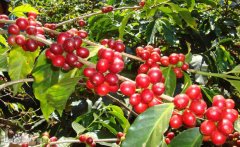
Kimby-Ethiopia Fine Coffee Beans
Ghimbi grows in the plateau of Wollega province, north of Jima, west Ethiopia, 4900-5900 feet above sea level. Its annual yield is about 500000bags/60kg. Its export is mostly G5/G4. Its bean body is bigger and longer than Longberry, with a little brown in green color. It tastes like less jasmine tea fragrance, more bitter, lacking rising hala, slightly sour, with slight fruit fragrance and wine fragrance.
2016-05-24 Kimbi Esso Biya Boutique Coffee Bean Ghimbi Long Egyptian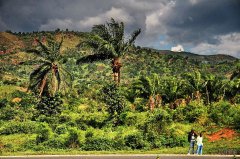
Gima Coffee Estate grows coffee beans
Fine coffee is good coffee and harmless to health. Unlike coffee made with inferior coffee beans, fine coffee uses high-quality coffee beans. Freshly made coffee is harmless to health and beneficial to the body and mind when consumed in moderation. Fine coffee has a rich and wonderful taste. Even if the coffee made with fine coffee beans is not all fine coffee, it depends on whether it is fully exerted.
2016-06-02 Gima Coffee Manor Planting Coffee Bean Fine Healthy Harmless Different
Introduction of African producing areas-- Ethiopian boutique coffee mocha
Well-known representative coffee: Mocha Harra, Yirgacheffe Essex across the Red Sea and Yemen, is the first place in the world to find coffee trees in Arabica, and coffee is grown almost everywhere in the country. Among them, the eastern Highland Hara (Harra) produces the famous Halamoka, which has a special wine aroma and acidity, and a Yemeni mocha.
2016-03-24 Africa producing areas introduction Ethiopia boutique coffee mocha Hala Yega
Coffee beans and coffee types of simple medium coffee beans how much money a catty of coffee beans purchase channels
Coffee beans are mainly available in the market for Arabica (Coffea Arabica) and Robusta (Coffea Robusta) and other two species. Each can be subdivided into more varietal branches of Brazilian Arabica. Coffee beans circulating in the market are mostly distinguished by their origin. Here are some of the major coffee producing countries and their famous coffees: Egypt
2016-04-30 coffee beans coffee type simple less money a catty incoming channel species
The most flavored variety, "Mocha Haral"
The most famous coffee in Ethiopia is Harald coffee. Harald is located in eastern Ethiopia. Harald is an ancient city with a long history and one of the four holy cities of Islam. The Harald region has the best altitude for Arabica coffee and is the highest coffee producer in Ethiopia. Harald, Ethiopia, like Mocha in Yemen, is pure-handed.
2014-08-22 Coffee knowledge most flavor coffee variety Hala
Harald (Ethiopia Harar) of Ethiopia
It is already 9 o'clock in the evening. I have just been preparing for the next day's work. I feel a little tired, but there is still some distance from the time when I am used to falling asleep, so I want to calm down and make a cup of coffee. At the same time, I also want to dilute this tiredness, which is usually steamed and brewed with water of about 90 degrees. Today, I want to use a slightly lower temperature to explain Harald in Ethiopia to see if it is the same as in the past.
2014-07-23 Coffee knowledge Hala Ethiopia
Boutique Coffee learns from Harald's Coffee in the wilderness
Harald, a name that reflects the rise and fall of Ethiopia; Harald Coffee, known as the coffee of the wilderness, is more like a beautiful legend. Harald coffee has a high-quality Arab flavor, but the taste is different. Some are full-bodied, low-bodied and have a strong wine flavor, while others are rich, smooth with a light fruity aroma, or with a wonderful dark chocolate finish. But...
2014-10-29 Coffee knowledge boutique caffeine Hala
Ethiopian Coffee Bean Sidamo Coffee Bean Flavor Ted Manor
Hara is located in the Eastern Highlands of Ethiopia (Harerge Province) and grows between 5000 and 7000 feet above sea level. A century ago, it was still wild on the slopes. Most of the raw beans are medium size and long at both ends, with yellowish or golden green color, strong chocolate smell when baking, wild taste with moderate acidity and rich texture. It is a very typical mocha flavor and good Hara belt.
2016-07-21 Ethiopia coffee beans Dharma flavor taste introduction Ted manor Hara
Introduction to the types and origin of coffee beans
Coffee beans are washed and dried, flat beans and round beans. The coffee beans are dark and light in color. Through deep roasting, the coffee beans explode, doubling in volume and reducing their weight by nearly 1 inch 4.
2014-06-18 Coffee knowledge coffee origin coffee encyclopedia
The History of Coffee producing countries the bitterness and sweetness of Harald
Harald is always reminiscent of one of the four holy cities of Islam, BMW of pure blood, and delicious coffee-a name that shines loudly in the coffee world, and you can't turn a blind eye to it. However, Harald's first impression may not be so impressive. The plain-looking raw beans are hardly reminiscent of those gorgeous words: berry flavor, fruit aroma
2014-09-28 Coffee knowledge Coffee History Coffee producing countries Hala
General knowledge of boutique coffee beans about the bitterness and sweetness of Harald
Harald is always reminiscent of one of the four holy cities of Islam, BMW of pure blood, and delicious coffee-a name that shines loudly in the coffee world, and you can't turn a blind eye to it. However, Harald's first impression may not be so impressive. The plain-looking raw beans are hardly reminiscent of those gorgeous words: berry flavor, fruit aroma
2014-11-19 Coffee knowledge boutique coffee beans common sense Hala
Home-baked boutique coffee (5) Harald, Ethiopia
Ethiopia, as the hometown of coffee, plays an important role in the field of coffee in the world because of its superior natural conditions and long history of coffee production and drinking. Coffee was first discovered 1500 years ago in the Kafa region of southern Ethiopia. Up to now, there are still a large number of wild primitive coffee trees in the country, and many farmers have coffee trees in their courtyards.
2014-09-12 Coffee knowledge coffee roasting boutique coffee roasting Hala
The main producing areas of coffee beans and the characteristics of strict selection of coffee beans.
The main producing areas and the characteristics of strict selection of beans at present, due to the wide variety of imported coffee beans from all over the world, it is impossible to choose. Here, we will introduce the main producing areas and the characteristics of coffee beans as a reference for you to choose and buy coffee. * Brazil (South America) is the world's number one coffee producer and exporter. Because it is distributed all over the country, the quality of the good and the bad varies, and it has its own.
2015-06-05 Coffee beans brand main origin strict quality selection of beans characteristics
Ethiopian coffee producing region Flavor Description Ethiopian Yegashfi coffee characteristics Taste introduction
The coffee tree originated in Ethiopia, where it was originally a wild plant, and the name coffee comes from the Ethiopian town of Kaffa. Humans probably knew how to cultivate coffee trees as early as the 9th century. Ethiopia coffee origin: Ethiopia many coffee
2023-01-05 Ethiopia Coffee Unique Flavor Characteristics Origin
Introduction to the main Coffee producing areas in the World
Coffee comes from coffee beans, which are harvested and processed from the fruit of trees. Coffee trees grow at the center of the equator, between latitudes of 25 degrees south and north, and are called the homes of tropical or subtropical countries called coffee belts. At present, there are about 60 coffee-producing countries. Coffee is produced in South America, Central America, the West Indies, Asia, Africa, Arabia, the South Pacific and
2015-04-14 Coffee basics common sense world major producing areas introduction coffee is from coffee beans
Introduction of major coffee producing areas in the world Central and South American coffee beans, African coffee beans, Asian coffee beans
[introduction] Coffee comes from coffee beans, which are harvested and processed from the fruit of trees. Coffee trees grow at the center of the equator, between latitudes of 25 degrees south and north, and are called coffee belts in the homes of tropical or subtropical countries. at present, raw coffee comes from coffee beans, which are harvested and processed from the fruits of the trees. Coffee trees grow at the center of the equator.
2016-04-22 World main coffee producing areas introduction Central and South America coffee beans Africa Asia