“Longberry” search results (208)
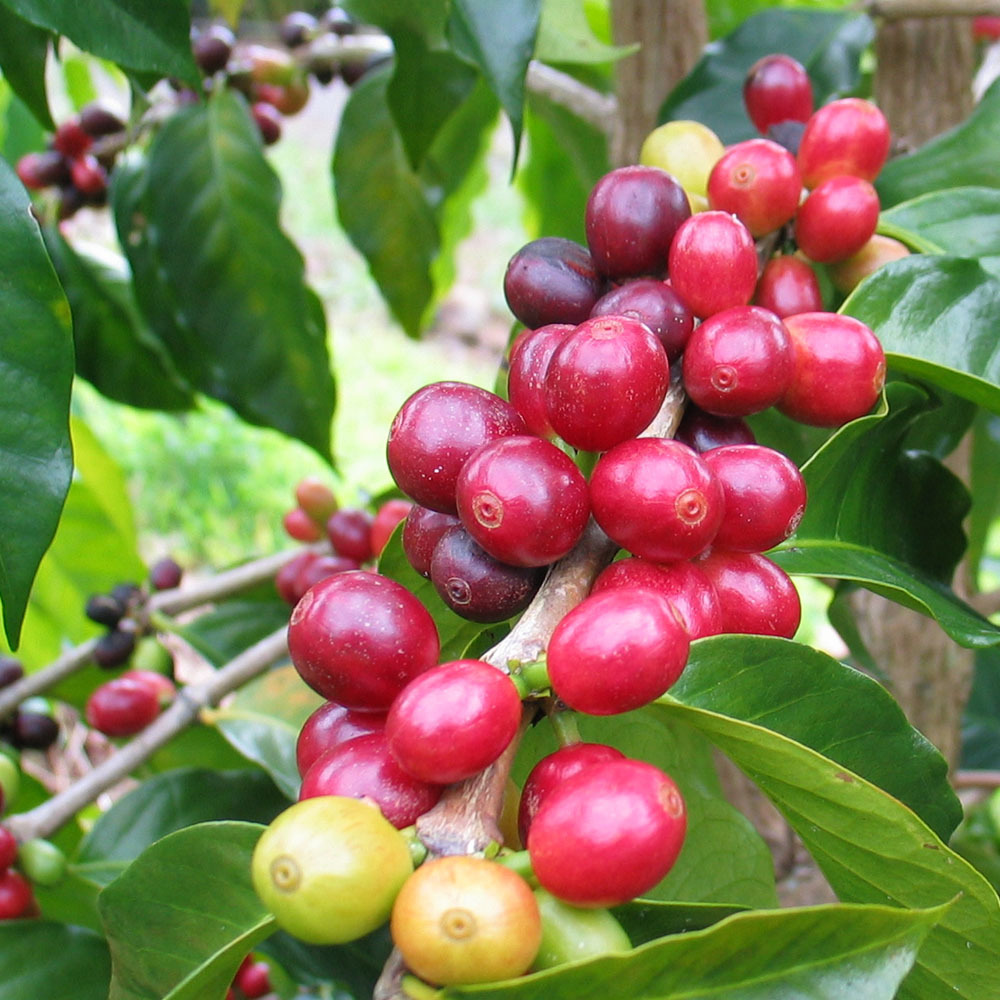
The coffee producing area of Ethiopia is Hidamoharal Yega Xuefei Sidamo, Harrar and Y
The coffee producing areas of Ethiopia are Hidamo, Harald and Sidamo, Harrar and Yirgacheffe. Sidamo and Harrar are provinces and divisions. Sidamo is located in the south of Ethiopia bordering Kenya, and Harrar borders Somalia in the east of Ethiopia. Although Yirgacheffe is a community in the Sidamo region, due to soil composition and water content and other reasons.
2016-07-15 Ethiopia Coffee producing areas Hilda Moha Lar Yega Xuefei Sid
Coffee Common sense Coffee Bean Grade Analysis in Ethiopia
Ethiopian coffee beans are divided into five levels. The first and second stages are washed beans. Washed beans Grade1 represents 3 defective beans per 300g raw beans, and Grade2 represents 4 defective beans per 300g. Gradc1 grade water washed beans are very rare and are generally difficult to buy. At present, all the washed beans exported from Ethiopia are Grade2 grade. The quality of sun-dried beans is Grade3 and Grade4 in order.
2015-02-11 Coffee common sense Ethiopia coffee beans grade analysis coffee
The unique and mellow taste of Sidamo Coffee beans the characteristics of the manor producing area introduce the Shakiso producing area
Sidamo Coffee beans are grayish, thick in some places and small in others, with soft and strong acidity, mellow and sweet and spicy. It is one of the courtyard coffees in the highlands of southern Ethiopia. Unlike ordinary African coffee, Sidamo has clear acidity, smooth taste and delicate floral smell. The taste of Sidama in the sun is close to the smell of flowers, but slightly.
2016-08-08 Taste unique thick Dharma coffee beans flavor manor producing area characteristics introduction
Taste close to the floral flavor of sunny Sidamo Coffee introduced to the Sidamo producing area of Ethiopia
The taste of Sidama in the sun is close to the smell of flowers, but it is about a little earthy. Water washing has a nutty fruit aroma with a slight cocoa aroma, but what the two have in common is smooth taste and viscosity, comfortable and pleasant acidity and fragrance. Light or medium roasting is suitable for individual products, while medium or deep roasting is suitable for blending coffee and good Espresso base. The water-washed Sidamo is light green and the beans are small.
2016-07-12 Taste proximity fragrance sun dharma coffee flavor taste introduction Ethiopia
Ethiopian Coffee Bean Flavor Taste Estate Introduction Ethiopian Coffee Bean Introduction
For coffee fans, don't care how the beans look, the most important thing is to drink. Ethiopian washed beans are much more stable than sun-dried beans, whose flavor fluctuates greatly from year to year, so be sure to cup them several times before buying them in large quantities. Good sun-baked beans have a much deeper flavor than washed beans, but poorly treated sun-baked beans are sure to be speechless, which is what many coffee fans think.
2016-07-20 Ethiopia Fine Coffee Bean Flavor Taste Manor Region Introduction For
The flavor and taste of Ethiopian coffee introduces the characteristics of Ethiopian coffee varieties in Ethiopia.
Ethiopian beans look a little malnourished. However, the appearance of beans, Ethiopian coffee can be ranked as the world's most citrus aroma, whether instant coffee or freshly ground coffee, the extraction will smell the pungent aroma of orange or lemon. The entrance is characterized by strong floral, fruity, sour and sweet aromas, but mellow in thickness.
2022-08-05 Ethiopia coffee flavor taste introduction producing area boutique manor
Description of Coffee Flavor in Xidamo Shaqiso, Ethiopia, introduction to the price of grinding degree and baking degree
Even the official research unit of Ethiopia does not know how many Arabica subspecies there are in Ethiopia. The coffee cooperatives in this mountain are certainly different from those planted in another mountain, and even small farmers in the same region grow different varieties of coffee. It has been estimated that there are at least 2000 varieties of Ethiopian coffee and even more than 4500 kinds of coffee. Compared to the southern neighbor
2016-10-15 Ethiopia Dharma Shaquiso producing area Coffee Flavor description Grinding Baking
Poetic prodigy Lambo Qiwen went to Egypt to do coffee business
Ethiopia is dominated by wild coffee forests. If you want to chew coffee fruit or drink coffee, you can pick it in the forest. Therefore, there is no coffee cultivation industry in ancient Ethiopia. Yemen had a large-scale coffee cultivation industry and coffee trade with Europe as early as the 15th and 16th centuries, and Ethiopia had no record of coffee trade until the 19th century. In 1838, Ethiopia passed through the Red Sea port.
2015-04-01 poetry prodigy lambo renunciation going to egypt coffee business ethiopia wild
Introduction of Ethiopian Coffee beans Grade Analysis of Ethiopian Coffee beans
Ethiopian coffee beans are divided into five levels. The first and second stages are washed beans. Washed beans Grade1 represents 3 defective beans per 300g raw beans, and Grade2 represents 4 defective beans per 300g. Gradc1 grade water washed beans are very rare and are generally difficult to buy. At present, all the washed beans exported from Ethiopia are Grade2 grade. The quality of sun-dried beans is Grade3 and Grad in order.
2016-04-30 Ethiopia coffee beans introduction grading analysis points
The entrance of Ethiopian coffee is full of floral, fruity, sour and sweet aromas.
Even the official research unit of Ethiopia does not know how many Arabica subspecies there are in Ethiopia. The coffee cooperatives in this mountain are certainly different from those planted in another mountain, and even small farmers in the same region grow different varieties of coffee. It has been estimated that there are at least 2000 varieties of Ethiopian coffee and even more than 4500 kinds of coffee. Compared to the southern neighbor Ken
2016-06-23 Ethiopian coffee specialty introduction entrance rich floral fruity sweet
How many kinds of coffee beans are there in Ethiopia? Yega snow caffeine Gediyo
Even the official research unit of Ethiopia does not know how many Arabica subspecies there are in Ethiopia. The coffee cooperatives in this mountain are certainly different from those planted in another mountain, and even small farmers in the same region grow different varieties of coffee. It has been estimated that there are at least 2000 varieties of Ethiopian coffee and even more than 4500 kinds of coffee. Compared to the southern neighbor Ken
2016-06-27 Ethiopia how many coffee beans Yega snow Gediyo Ethiopia Obi
Grade analysis of Ethiopian coffee beans how about Ethiopian coffee? Ethiopian coffee
Ethiopian coffee beans are divided into five levels. The first and second stages are washed beans. Washed beans Grade1 represents 3 defective beans per 300g raw beans, and Grade2 represents 4 defective beans per 300g. Gradc1 grade water washed beans are very rare and are generally difficult to buy. At present, all the washed beans exported from Ethiopia are Grade2 grade. The quality of sun-dried beans is Grade3 and Grade4 in order.
2016-03-16 Ethiopia coffee beans grade analysis Ethel Searle Biya coffee how
Perfect taste of Cedar Mochizo Coffee Flavor characteristics of Fine Coffee introduction
Shakisso is located in the southern part of Guji and Oromia, adjacent to Sidama and Gedeo. Shakisso/Shakiso 's coffee is quite unique, and its coffee has repeatedly attracted market attention. The original meaning of Ninety Plus's legendary nekisse comes from Nectar f.
2016-09-13 Beautiful taste Dharma Shaquiso producing area coffee flavor characteristics boutique introduction
Sweet and spicy Ethiopian sidamo shaqisuo coffee flavor description grind variety special
In December 1994, the Constitution of the Federal Democratic Republic of Ethiopia was enacted. The constitution stipulates that Ethiopia will adopt a federal system and a parliamentary cabinet system after the election, with a term of office of five years. National elections were held in May 1995. On August 22, the Federal Democratic Republic of Ethiopia was established. Meles became Prime Minister as Chairman of the Majority Party in the House of People's Representatives. On May 14, 2000, Ethiopia held a national meeting.
2016-10-09 Sweet Aromatic Ethiopian Dharma Shakiso Appellation Coffee Flavor Description
Introduction to the flavor and taste of Ethiopian coffee beans grading of Ethiopian coffee beans
Ethiopian beans look a little malnourished. However, the appearance of beans, Ethiopian coffee can be ranked as the world's most citrus aroma, whether instant coffee or freshly ground coffee, the extraction will smell the pungent aroma of orange or lemon. The nose is characterized by strong floral, fruity, sour and sweet aromas, but the alcohol is slightly thicker or less dense. The biggest disadvantage is that it is easy to bake unevenly, especially
2016-07-22 Ethiopia coffee beans characteristics flavor taste introduction grading
The taste of the soft and smooth Ethiopian coffee manor is characterized by the taste of fine coffee beans.
This special coffee is made of washed beans from Stammer and Lim, two famous coffee producing areas in Ethiopia. It is moderately roasted and has a soft and smooth taste with a hint of black cocoa, spice and sweet citrus. It is a very delicious and unique coffee, suitable for tasting with dark chocolate and citrus fruits. Recently came to Starbucks stores, customers
2016-08-06 Taste smooth Ethiopia coffee manor producing area flavor characteristics
The god of poetry, Tong Lanbo, abandoned his articles and went to Egypt to do coffee business, coffee culture.
Ethiopia is mainly a wild coffee forest, want to chew coffee fruit or drink coffee, go into the forest to pick, so there was no coffee cultivation in ancient Ethiopia. Yemen had a large-scale coffee cultivation industry and coffee trade with Europe as early as the 15th and 16th centuries, and Ethiopia did not have a record of coffee trade until the 19th century. In 1838, Ethiopia passed through the port of the Red Sea
2015-02-11 Poetry child prodigy Rambo Jiwen going to Egypt coffee business coffee culture Ethiopia
The production method of washing Yega Xuefei Ethiopian coffee beans to treat coffee beans
Ethiopian coffee beans are divided into five levels. The first and second stages are washed beans. Washed beans Grade1 represents 3 defective beans per 300g raw beans, and Grade2 represents 4 defective beans per 300g. Gradc1 grade water washed beans are very rare and are generally difficult to buy. At present, all the washed beans exported from Ethiopia are Grade2 grade. The quality of sun-dried beans is Grade3 and Grad in order.
2016-05-10 Ethiopia Water washing Yega Sheffield Coffee beans production method treatment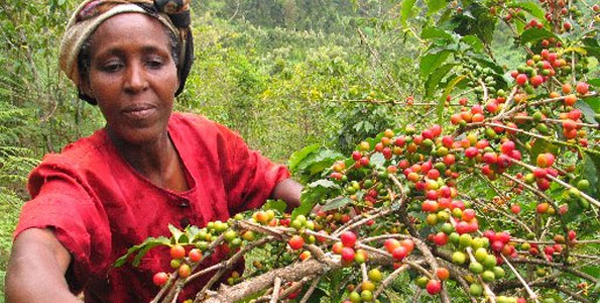
About Ethiopia coffee beans grade analysis to understand the quality of coffee beans classification
Ethiopian coffee beans are divided into five grades. The first and second stages are water-washed beans. Grade1 means 0~3 defective beans per 300 g of raw beans;Grade2 means 4~12 defective beans per 300 g. Grade 1 washed beans are extremely rare and generally difficult to buy. At present, all washed beans exported from Ethiopia are Grade2. The quality of sun-dried beans is Grade3 and Grade4 in sequence.
2015-12-25 About Ethiopia Origin Coffee Beans Grade Analysis Understanding Good or Bad Classification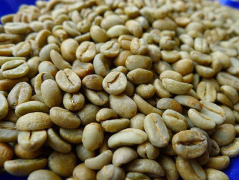
Grade analysis of Ethiopian coffee beans Ethiopian coffee beans are divided into five levels
Ethiopian coffee beans are divided into five levels. The first and second stages are washed beans. Washed beans Grade1 represents 3 defective beans per 300g raw beans, and Grade2 represents 4 defective beans per 300g. Gradc1 grade water washed beans are very rare and are generally difficult to buy. At present, all the washed beans exported from Ethiopia are Grade2 grade. The quality of sun-dried beans is Grade3 and Grade4 in order.
2015-10-22 Ethiopia coffee beans grade analysis divided into five levels coffee