“Gediyo” search results (57)

Gediyo Gediyo, one of the highest coffee producing areas in Ethiopia.
The beans are small, neat and round. Ethiopian sun beans are generally G3--G5, but the beans are G2, equal to the grade of washed beans. Although there are still a few defective beans, they are commendable compared to the sun beans of Harald and Sidamo. The 2015 sun Yega snow caffeine has appeared in the G1 grade, surpassing the G1 washing in terms of quality and sales. This bean is baked
2016-07-01 Ethiopia average altitude high coffee producing areas one Yega snow caffeine
Ethiopia's main coffee producing area, Yegashfi coffee producing area, Yegashfi Gediyo
The rarest Ethiopian coffee beans on the market are Yirgachaffe beans, which are exported to Japan and Europe but rarely found in the United States. This is because Dallmeyer, a German coffee roaster owned by Nestle, has established close ties with the growers of Yerga Coffee and thus obtained the largest coffee beans of the type.
2016-07-01 Ethiopia Coffee Important Producing Area Yega Sherfie Gediyo
Soft fruit acid and citrus-flavored Yega Chuefei region introduces Yega Chefe Gediyo
Yega Xuefei is a small town, 700-21000 meters above sea level, synonymous with Ethiopian boutique coffee. It has been a wetland since ancient times. The ancient saying "Yirga" means to settle down and "Cheffe" means a wetland. The mode of production and flavor of coffee here are so outstanding that Ethiopian coffee farmers compete to take pride in the flavor of their coffee, and thus become Africa.
2016-06-23 Soft Fruit Acid Citrus Yega Chevy producing area introduction Gediyo
Yega Chuefei Coffee producing country Manor introduction to Yega Snow in the Eastern Highlands of Gediyo
At first, Yejassefi's coffee trees were planted by European monks, and later by farmers or cooperatives. Yega Xuefei is actually constructed by the surrounding coffee communities or cooperatives, including: Hafusha, Hama, Biloya. These mountain villages are foggy, like spring all the year round, with a gentle breeze in summer, cool but not hot, rain but not damp, and no cold damage in winter.
2016-06-24 Yega Sheffield Coffee producing area country of production Manor introduction Chefe Gediyo
Introduction to the species and Origin of Ethiopian Coffee Yega Snow Coffee in the Eastern Highlands of Gediyo
The coffee flavor treated by mocha Sidamo Sidamo coffee is not easy to have wild flavor, and has the characteristics of purity and freshness, which is suitable for the baking degree from City to Full City. In some Ethiopian water-washed coffee beans with excellent nature, obvious rising lemon, citrus essential oils, jasmine, honey and so on can be detected.
2016-06-17 Ethiopia Coffee Origin introduction Yega Snow Coffee Gediyo
Slightly sour, dark chocolate aftertaste of Yega Chevy Coffee beans introduce Yega Chet Coffee Gediyo East High
[product name]: Ethiopia Ethiopia Yirgacheffe [quality rating]: WP Grade 2 [baking]: recommended moderate baking (Medium Roast or City Roast) [grade]: excellent [granule]: ★ full [acidity]: ★★★★ slightly sour, dark chocolate aftertaste [balance]: ★★★★ is very stable
2016-06-21 Slightly sour chocolate aftertaste Yega Sheffield coffee beans introduction snow caffeine Gedi
Boutique Ethiopian Yega Chuefei Coffee introduces Yega Snow in the Eastern Highlands of Gediyo
General coffee varieties are named after their origin, while boutique coffee is more accurate in traceability. The name of this coffee can be explained as: this coffee is grown in Ethiopia, Yega, where it is grown, washed in Kochel's processing plant, and graded as first-grade coffee beans (hand-picked, very few defective beans). In addition: even if it is made here, there is no Yejiaxue.
2016-06-28 Boutique Ethiopia Yega Chevy Coffee introduction Gediyo
Boutique coffee Ethiopian coffee producing area Yega Xuefei Gediyo
The birthplace of coffee-Ethiopia. The coffee tree originated in Ethiopia, which was originally a wild plant here, and the name coffee comes from the Ethiopian town of Kaffa. In fact, many coffee trees in Ethiopia are still wild plants, and the coffee grown on this coffee tree is full-grained and slightly alcoholic. Humans may have been in the 9th century.
2016-05-12 Boutique Coffee Ethiopia producing areas Yega Sheffield Gediyo
Boutique coffee Ethiopian coffee producing area Yega Xuefei Gediyo
The birthplace of coffee-Ethiopia. The coffee tree originated in Ethiopia, which was originally a wild plant here, and the name coffee comes from the Ethiopian town of Kaffa. In fact, many coffee trees in Ethiopia are still wild plants, and the coffee grown on this coffee tree is full-grained and slightly alcoholic. Humans may have been in the 9th century.
2016-05-13 Boutique Coffee Ethiopia producing areas Yega Sheffield Gediyo
Boutique coffee Ethiopian coffee producing area Yega Xuefei Gediyo
The birthplace of coffee-Ethiopia. The coffee tree originated in Ethiopia, which was originally a wild plant here, and the name coffee comes from the Ethiopian town of Kaffa. In fact, many coffee trees in Ethiopia are still wild plants, and the coffee grown on this coffee tree is full-grained and slightly alcoholic. Humans may have been in the 9th century.
2016-05-18 Boutique Coffee Ethiopia producing areas Yega Sheffield Gediyo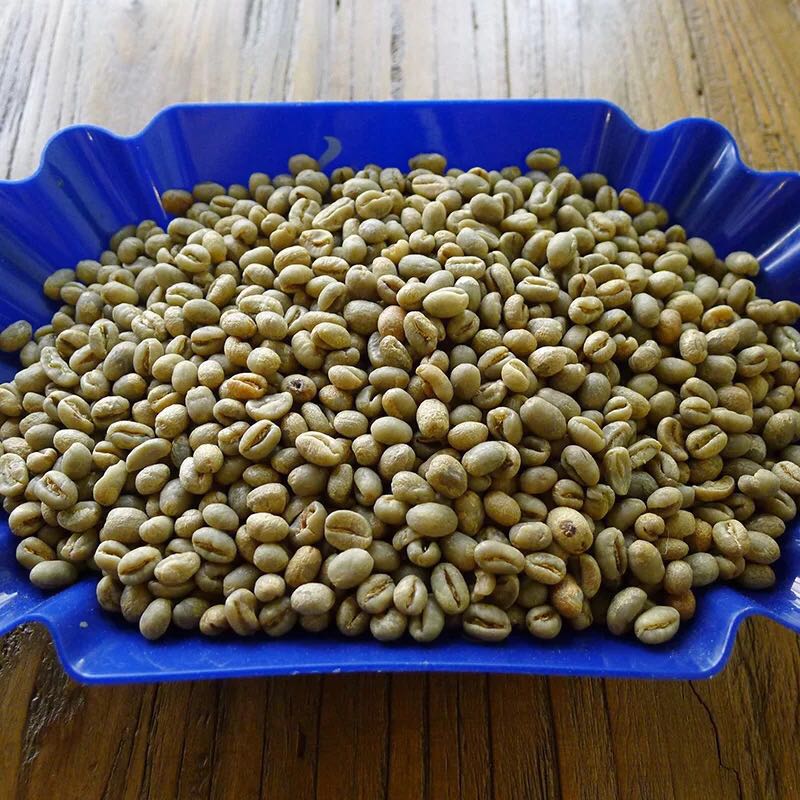
Boutique coffee Ethiopian coffee producing area Yega Xuefei Gediyo
The birthplace of coffee-Ethiopia. The coffee tree originated in Ethiopia, which was originally a wild plant here, and the name coffee comes from the Ethiopian town of Kaffa. In fact, many coffee trees in Ethiopia are still wild plants, and the coffee grown on this coffee tree is full-grained and slightly alcoholic. Humans may have been in the 9th century.
2016-05-19 Boutique Coffee Ethiopia producing areas Yega Sheffield Gediyo
Boutique coffee Ethiopian coffee producer Yega Xuefei Gediyo
The birthplace of coffee-Ethiopia. The coffee tree originated in Ethiopia, which was originally a wild plant here, and the name coffee comes from the Ethiopian town of Kaffa. In fact, many coffee trees in Ethiopia are still wild plants, and the coffee grown on this coffee tree is full-grained and slightly alcoholic. Humans may have been in the 9th century.
2016-05-11 Boutique Coffee Ethiopia Origin Yega Sheffield Gediyo
Boutique coffee Ethiopian coffee producing area Yega Xuefei Gediyo coffee beans
The birthplace of coffee-Ethiopia. The coffee tree originated in Ethiopia, which was originally a wild plant here, and the name coffee comes from the Ethiopian town of Kaffa. In fact, many coffee trees in Ethiopia are still wild plants, and the coffee grown on this coffee tree is full-grained and slightly alcoholic. Humans may have been in the 9th century.
2016-05-17 Boutique coffee Ethiopia producing areas Yega Sheffield Gediyo
Boutique coffee Ethiopian coffee producing area Yega Xuefei Gediyo
The birthplace of coffee-Ethiopia. The coffee tree originated in Ethiopia, which was originally a wild plant here, and the name coffee comes from the Ethiopian town of Kaffa. In fact, many coffee trees in Ethiopia are still wild plants, and the coffee grown on this coffee tree is full-grained and slightly alcoholic. Humans may have been in the 9th century.
2016-05-16 Boutique Coffee Ethiopia producing areas Yega Sheffield Gediyo
How many kinds of coffee beans are there in Ethiopia? Yega snow caffeine Gediyo
Even the official research unit of Ethiopia does not know how many Arabica subspecies there are in Ethiopia. The coffee cooperatives in this mountain are certainly different from those planted in another mountain, and even small farmers in the same region grow different varieties of coffee. It has been estimated that there are at least 2000 varieties of Ethiopian coffee and even more than 4500 kinds of coffee. Compared to the southern neighbor Ken
2016-06-27 Ethiopia how many coffee beans Yega snow Gediyo Ethiopia Obi
Boutique coffee Yega Xuefei Gediyo, a coffee producing area in Kenya
Rare good coffee-famous for its rich aroma and balanced acidity. People in the coffee industry all think that Kenyan coffee is one of its favorite products, because Kenyan coffee contains every feeling we want from a good cup of coffee. It has wonderful and satisfying aromas, well-balanced acidity, well-proportioned particles and excellent fruit flavors. "
2016-05-12 Boutique coffee Kenya producing areas Yega Sheffield Gediyo rare
African Ethiopian Coffee producing area Yega Chuefei Coffee area introduction to Yega Snow Coffee Gediyo Yega
Today, Ethiopia is an important coffee producer, with about 12 million people engaged in coffee production and a major exporter of Arabica coffee beans in Africa. The high-quality coffee here is of excellent quality and is worth looking for. A variety of coffee cultivation methods can be found in Ethiopia: from wild coffee forests and semi-developed land
2016-06-23 Africa Ethiopia Coffee producing areas Yega Sheffield introduction Chefe Ged
Introduction to the Yega Snow Coffee Gediyo producing area, one of the highest coffee producing areas in Ethiopia
The phrase "coffee entrance and flowers in full bloom" is best described, just as flowers promote the comfort of taste buds and olfactory cells in the nasal cavity. In addition to the fragrance of flowers, the delicate thickness of body is like silk massage in the mouth. The so-called Yega Chefe flavor refers to strong aromas of jasmine, lemon or lime acid, as well as sweet or tea aromas of peaches and almonds. And this season, Xuefei dried blueberries
2016-06-23 Ethiopia altitude high coffee producing areas one Yega snow coffee Ged
Sun Coffee Ethiopian Coffee introduction Fine Coffee beans Yega Snow Coffee Gediyo Eastern Highland Mountains
Due to different planting methods, coffee can be divided into three types: forest-semi-forest coffee (Forest or semi-forest coffee), courtyard coffee (Garden coffee) and plantation coffee (Plantation coffee). 60% of the coffee belongs to forest-semi-forest coffee. In such a wild coffee forest, pesticides are not used at all, but biological methods are used to control pests. thirty-five
2016-07-06 Sun Coffee Ethiopia introduction Fine goods Coffee beans Yega Snow Coffee Ge
Sun Coffee Ethiopian Coffee introduction Fine Coffee beans Yega Snow Coffee Gediyo Eastern Highland Mountains
Due to different planting methods, coffee can be divided into three types: forest-semi-forest coffee (Forest or semi-forest coffee), courtyard coffee (Garden coffee) and plantation coffee (Plantation coffee). 60% of the coffee belongs to forest-semi-forest coffee. In such a wild coffee forest, pesticides are not used at all, but biological methods are used to control pests. thirty-five
2016-07-06 Sun Coffee Ethiopia introduction Fine goods Coffee beans Yega Snow Coffee Ge