“Grade 2” search results (3000)

Introduction to the grade of Ethiopian coffee beans
The coffee producing areas of Ethiopia are Sidamo, Harald and Sidamo, Harrar and Yirgacheffe. Sidamo and Harrar are provinces and divisions. Sidamo is located in the south of Ethiopia bordering Kenya, and Harrar borders Somalia in the east of Ethiopia. Although Yirgacheffe is a community in the Sidamo region, due to soil composition and water content and other reasons.
2016-06-03 Ethiopia Coffee Bean Grade introduction Coffee producing area Xida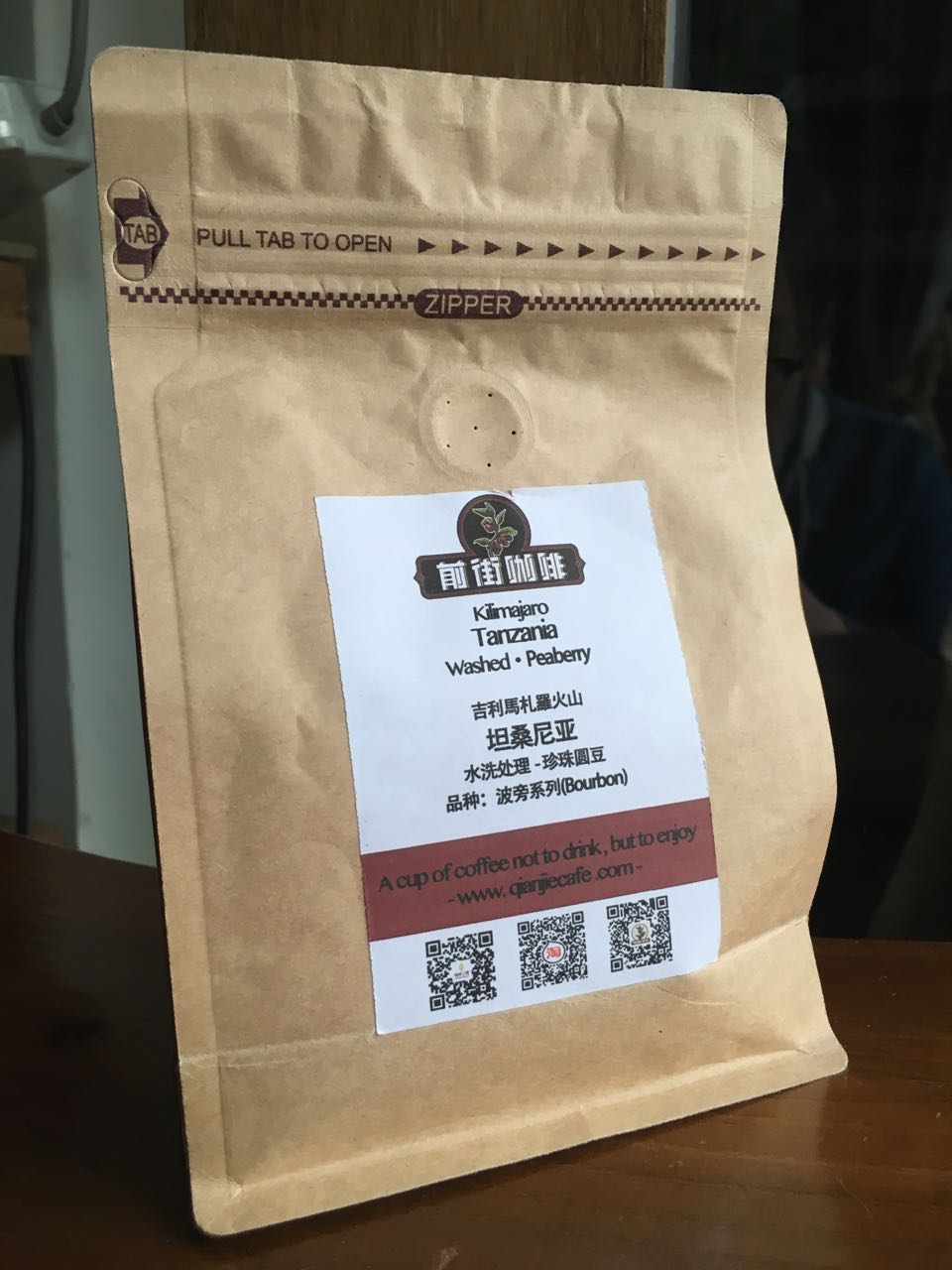
Ethiopian coffee beans introduce the characteristics of Ethiopian coffee beans
Ethiopian coffee beans are divided into five levels. The first and second stages are washed beans. Washed beans Grade1 represents 3 defective beans per 300g raw beans, and Grade2 represents 4 defective beans per 300g. Gradc1 grade water washed beans are very rare and are generally difficult to buy. At present, all the washed beans exported from Ethiopia are Grade2 grade. The quality of sun-dried beans is Grade3 and Grad in order.
2016-05-08 Ethiopia coffee beans introduction characteristics divided into five
How are the coffee beans graded? About the grade of Blue Mountain Coffee
According to the law, only beans produced in the Blue Mountain area can be called Blue Mountain Coffee. High-quality Blue Mountain Coffee is divided into three grades: No. 1 (more than 17cm 18 mesh), No. 2 (16 mesh) and No. 3 (15 mesh), with 17 mesh equivalent to 17x64 inches; their taste (all confirmed by dental sales plus government-approved professional cups) are all the same, but the sizes are different.
2015-10-14 Coffee beans how grading about Blue Mountains coffee grades teeth selling laws regulations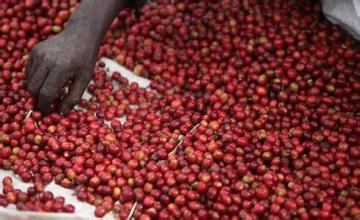
Fruit sweetness Costa Rica plus Saint Roman Coffee Variety characteristics taste Manor boutique coffee bean flavor introduction
Coffee cherries are hand-selected by coffee farmers to remove overripe or immature cherries, and then produce them. A 3-disc aagaarde peeling machine is used to remove the peel and pulp, and then the machine is divided into three grades according to the density of coffee beans. Grade 1 and 2 raw beans are fermented separately, while grade 3 is low-quality raw beans. The raw beans were fermented in a cool place for about 24 to 36 hours.
2016-09-01 Fruit sweetness goth Dani saint Roman coffee variety characteristics taste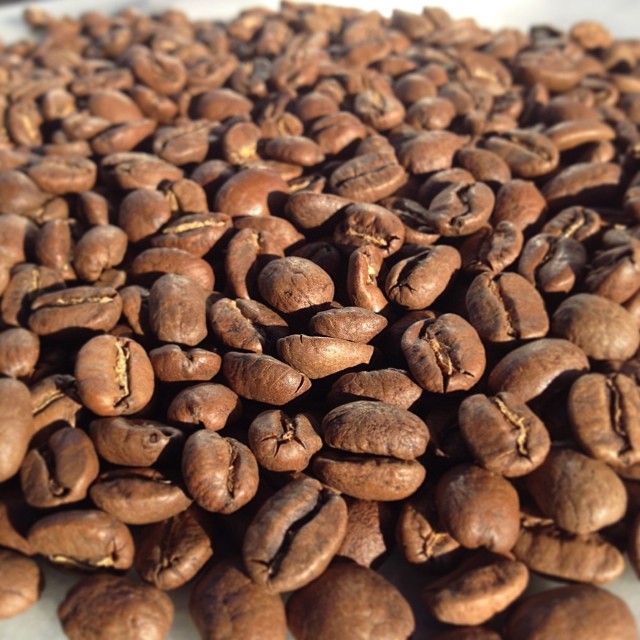
The sweet smell of chocolate beans makes people forget the flavor of Costa Rican Saint Roman coffee.
Coffee cherries are hand-selected by coffee farmers to remove overripe or immature cherries, and then produce them. A 3-disc aagaarde peeling machine is used to remove the peel and pulp, and then the machine is divided into three grades according to the density of coffee beans. Grade 1 and 2 raw beans are fermented separately, while grade 3 is low-quality raw beans. The raw beans were fermented in a cool place for about 24 to 36 hours.
2016-08-30 Sweet smell chocolate fruit sweetness let people forget Goss Dani plus saint
There are two methods for grading raw coffee beans in terms of sieve size, size
There are two ways to classify raw coffee beans, one is the filter number, and the other is the elevation. It is divided by the filter number, and the size is size in terms of the screen size. Round beans are generally smaller than flat beans, between 8-13 and 12-29. 8, 9, 10. 12, 13. 18. 29 = small, medium, ordinary. Quasi-big. Big, extra large. The bigger the size, the bigger the beans. Like SC-.
2015-10-05 Coffee raw beans grading method two kinds size sieve as a unit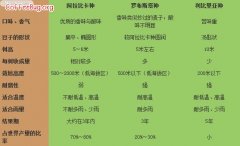
The basics of coffee beans
Coffee belongs to the evergreen shrub of the genus Rubiaceae, which is centered in the tropics. There are about 6000 species of Rubiaceae belonging to 500 genera. Coffee has always been thought to have certain effects, such as strengthening the stomach, waking up the brain, stopping bleeding, dissipating heat, strengthening the body, and so on. The more famous Rubiaceae plant is Gardenia jasminoides, whose fruit was dried and used as medicinal material a long time ago.
2014-08-18 Coffee knowledge coffee bean knowledge coffee encyclopedia
What is the bad variety planning grade of coffee beans?
Fermented coffee beans that fall from the soil before harvest. The moldy smell will have a great impact on the taste of coffee. Dead beans, also known as unripe beans, or affected by climatic factors, the development is not perfect. Fried spots will be produced after baking, making the coffee have a green and astringent taste. Black beans fermented beans, coffee beans that have rotted and blackened. Because it is black, it can be distinguished from normal coffee beans at a glance.
2016-05-31 Coffee beans what bad varieties planning grading fermentation harvesting falling soil
What is the bad variety planning grade of coffee beans?
Fermented coffee beans that fall from the soil before harvest. The moldy smell will have a great impact on the taste of coffee. Dead beans, also known as unripe beans, or affected by climatic factors, the development is not perfect. Fried spots will be produced after baking, making the coffee have a green and astringent taste. Black beans fermented beans, coffee beans that have rotted and blackened. Because it is black, it can be distinguished from normal coffee beans at a glance.
2016-05-31 Coffee beans what bad varieties planning grading fermentation harvesting falling soil
The basic knowledge of coffee beans coffee three original species introduction
Coffee belongs to the evergreen shrubs of the genus Coffee of Rubiaceae, centered in tropical regions, with about 500 genera and 6000 species of Rubiaceae plants distributed here. Coffee has long been thought to have certain medicinal effects, such as invigorating stomach, refreshing mind, stopping bleeding, dissipating heat, strengthening body, etc. More famous Rubiaceae plants and gardenia, its fruit has long been dried as medicine
2015-10-26 coffee beans basics coffee three native introduction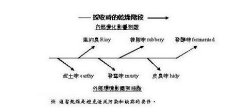
The decay and defects of coffee aroma
The aroma of coffee is the main purpose for us to buy coffee and drink coffee. Perhaps some people drink coffee to enjoy the thick flavor of coffee, do not care much about how much flavor, let alone how to cook the cup of coffee he has chosen. The taste of coffee seems to be the request of these guests. Even so, we still can't deny the feeling that most people enjoy the aroma of coffee.
2014-08-04 Coffee knowledge coffee aroma coffee encyclopedia
The grading of coffee is an important indicator rather than the only one.
Grading is an important indicator rather than the only indicator: there are thousands of substances in coffee beans, and people's preferences and feelings are different, grading can not show 100% of the flavor of coffee, to find good coffee, testing is the best way. The method of grading: generally speaking, a producing country uses only one method. There are the following: according to the size of coffee beans (Bean size)
2015-11-03 Coffee grading important indicators not unique graded and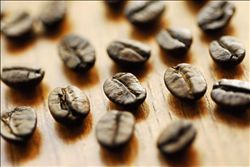
Ethiopia Yega Xuefei Coffee Raw Bean
Ethiopia's Yega Chuefei has a floral fragrance, making it the most famous boutique raw bean in the world. It is particularly mild, with a floral fragrance, an afterscent around the tip of the tongue, and a gentle texture, all of which have become unique characteristics of Yejia Xuefei. Over the past few decades, Ethiopia's Yejasuefei raw beans have been processed by washing, that is, through the natural enzyme solution.
2016-06-06 Ethiopia Yega Sheffield Coffee Raw Bean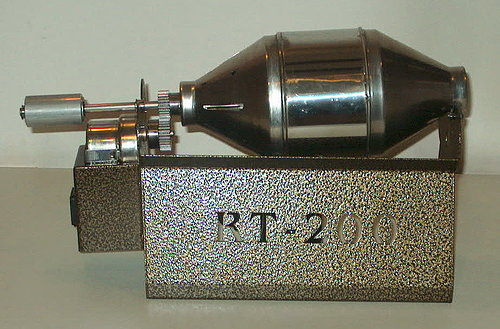
RT-200 Household small Coffee Bean Roaster the characteristics and usage of the frying machine are introduced in detail.
Coffee bean roaster ET-600g special point 1, using imported edible grade stainless steel forged and polished thick roller, strong temperature holding capacity, both conduction, radiation and convection to give coffee beans stable heating. 2. Two asymmetrical stainless steel low pick plates are installed in the drum to eliminate the dead corner and let the beans roll heartily in the baking room. There is absolutely no phenomenon of yin and yang beans in the pan.
2016-01-07 RT-200 household small coffee beans roaster fried bean machine features use
Ethiopian coffee raw beans introduce cup size in coffee shop
The highest grades of Ethiopian washed coffee Yega Chuefei G1 G2 Sidamo (Yirgacheffe, Sidamo) are Grade 2 and Grade 3 (G2, G3), while most of the sun-processed coffee in eastern Ethiopia are Grade 4 or Grade 5 (G4, G5). In many cases, level 4 coffee is marked as level 5 in order to reduce taxes. At present, the grading is not uniform and messy, because there is also sun processing.
2016-06-07 Ethiopia coffee raw beans introduction coffee shop cup size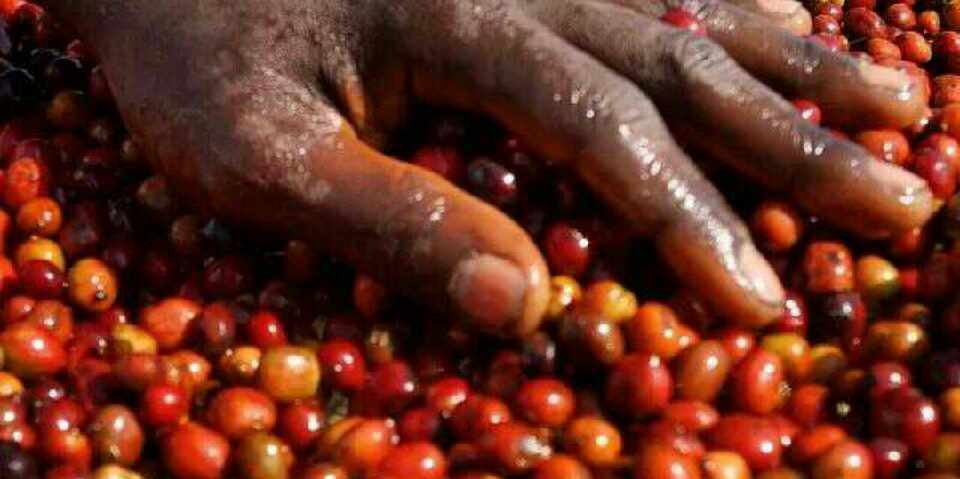
The sweetness of the fruit makes people forget the flavor, characteristics, taste and manor of Costa Rica Saint Roman Coffee.
Coffee cherries are hand-selected by coffee farmers to remove overripe or immature cherries, and then produce them. A 3-disc aagaarde peeling machine is used to remove the peel and pulp, and then the machine is divided into three grades according to the density of coffee beans. Grade 1 and 2 raw beans are fermented separately, while grade 3 is low-quality raw beans. The raw beans were fermented in a cool place for about 24 to 36 hours.
2016-09-01 Fruit sweetness let people forget Goss Dani saint Roman coffee flavor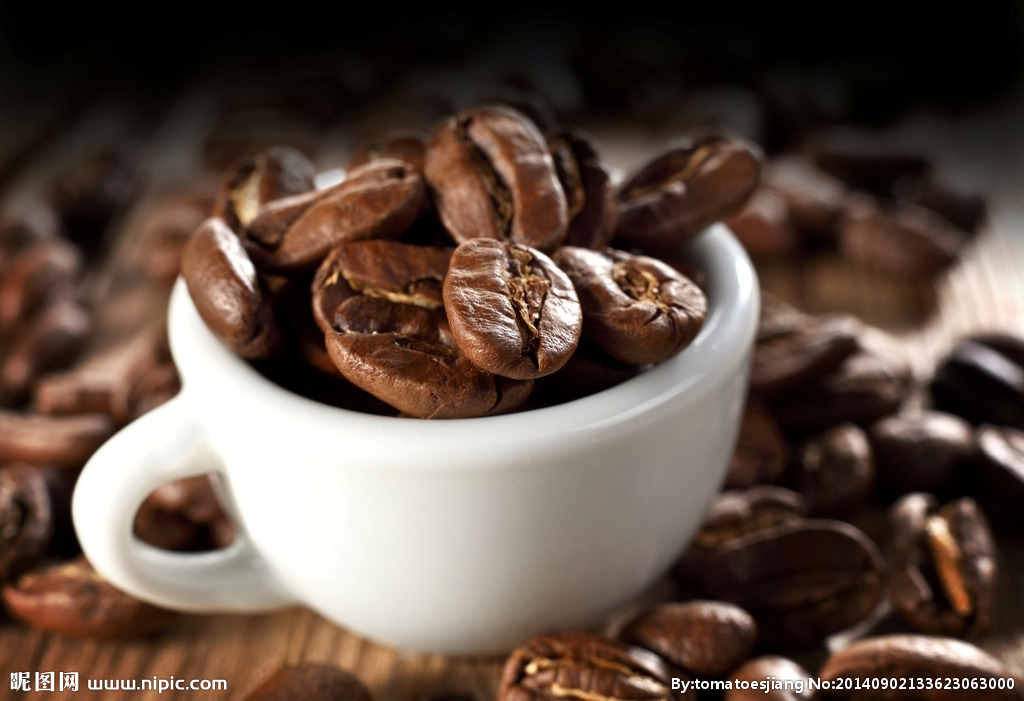
The sweetness of the fragrant fruit makes people forget the flavor, characteristics and taste of Costa Rican Saint Roman coffee.
Coffee cherries are hand-selected by coffee farmers to remove overripe or immature cherries, and then produce them. A 3-disc aagaarde peeling machine is used to remove the peel and pulp, and then the machine is divided into three grades according to the density of coffee beans. Grade 1 and 2 raw beans are fermented separately, while grade 3 is low-quality raw beans. The raw beans were fermented in a cool place for about 24 to 36 hours.
2016-08-30 Fragrance fruit sweetness let people forget Goss Dani plus saint Roman coffee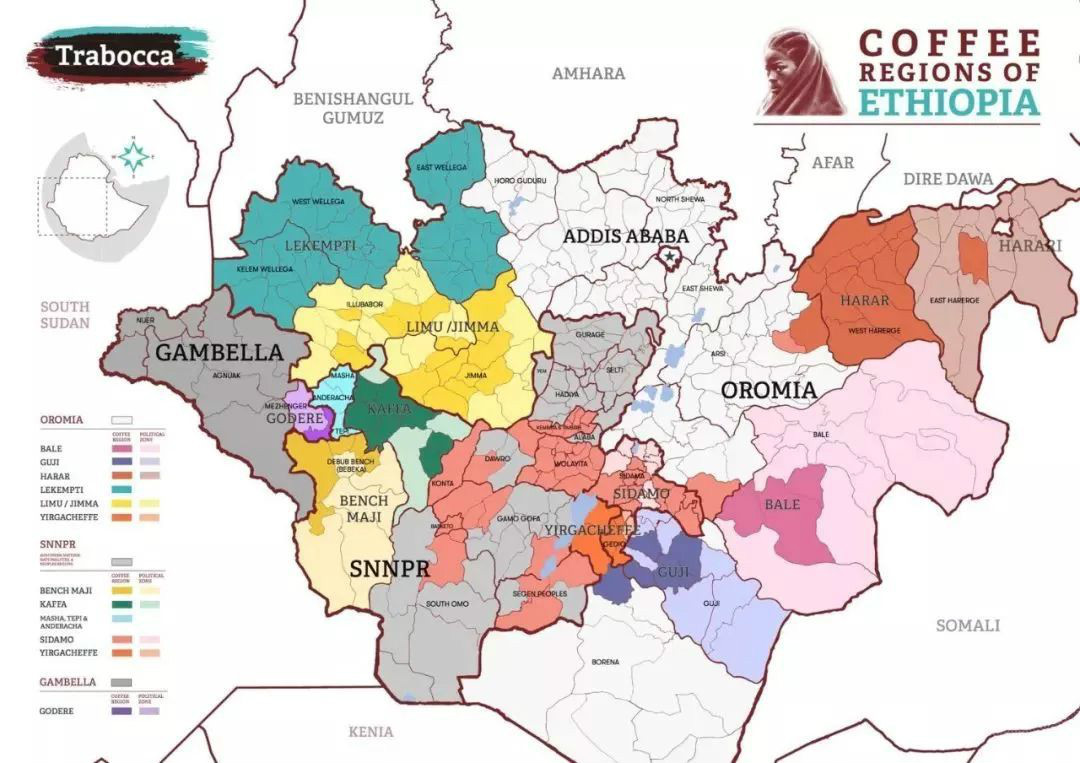
Introduction to the flavor of boutique coffee beans in the manor
The bean comes from a single farm, Ethiopia, and is processed by the Waka Cooperative (Worka cooperative). Alemayehu Alako Farm is a member of the Waka Cooperative. The Waka Cooperative, located in the south of Gedeb District, was founded in 2005 and joined the famous Yejia Sheffield Coffee Farmers Cooperative Union (YCFCU,Yirgacheffe Coffee Farmers Cooperati).
2016-09-01 Personality distinctive sun Yega variety characteristics taste manor boutique coffee beans
Ethiopia Yega Sheffield Coffee Bean grows Raw Bean G2 Yega Chefe
Ethiopia has the longest history in the world, not only in coffee production and drinking, but also in the world. Most of the production is exported to advanced countries, and unlike other coffee-producing countries, 50% of the coffee produced in Ethiopia is consumed domestically. Nevertheless, more than 60% of Ethiopia's total foreign currency exports still come from the coffee trade, which is enough to replace
2016-05-04 Esso Biya Yega Chevy Coffee Bean planting Raw Bean Ethiopia only in
Coffee beans Yunnan coffee beans special secondary standard
Special Grade II Appearance and Sensory Characteristics items require special Grade II Sensory Aroma, flavor and taste are very good. Appearance should be light blue or light green. Physical indicators Special Grade II (7.1mm) Inspection method Particle size/>, % 90 DB53/T 154.6 Broken beans/(%), 10 DB53/T 154.8 Discolored beans/(%), 2.0 DB53/T 154.8 Foreign matter/(%), 0.1 DB53
2014-09-30 Coffee knowledge Yunnan coffee beans fine coffee beans