“sieve” search results (1035)
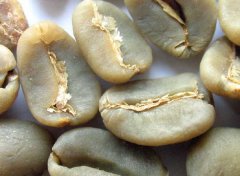
The way the sieve is graded is by the size of the green coffee beans. Fine coffee
The method of sieve classification is the method of classifying green coffee beans according to their size. Raw beans are passed through a perforated iron sieve to determine the size of the beans and thus the grade. The hole size unit of the screen is 1/64 inch (less than 0.4mm), so the number of screens indicates that there are several 1/64 inches, such as the size of the 17th screen is 17/64 inches, about 6.75mm, so the screen
2016-05-27 sieve grading way is by coffee green beans size method fine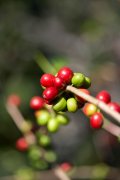
The way of sieve grading is to grade according to the size of raw coffee beans. The raw bean passes through the iron with holes.
The way of grading according to the screen is the method of grading according to the size of raw coffee beans. Raw beans are graded by determining the size of the beans through a holed iron plate sieve. The size of the hole in the screen is 1x64 inches (less than 0.4mm), so the size of the screen indicates that there are several screens with a size of 64 inches. For example, the size of the screen size 17 is 17thumb 64 inches, which is about 6.75mm, so the screen
2016-05-10 Sieve grading way is pressed coffee raw beans size method pass hit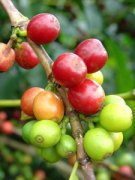
Boutique coffee is classified according to sieve grade.
The way of grading according to the screen is the method of grading according to the size of raw coffee beans. Raw beans are graded by determining the size of the beans through a holed iron plate sieve. The size of the hole in the screen is 1x64 inches (less than 0.4mm), so the size of the screen indicates that there are several screens with a size of 64 inches. For example, the size of the screen size 17 is 17thumb 64 inches, which is about 6.75mm, so the screen
2016-05-16 Boutique coffee sieve grading classification way is according to
Coffee Raw Bean sieve grading Table (SCREEN SIZING)
Coffee is produced in more than 50 countries in the world, and different standards of raw bean classification have been derived, of which the most basic common classification method is the Screen Sizing classification method based on the particle size of raw coffee beans. The raw beans to be graded are put into the sieve plate and shaken continuously. Only the raw beans whose particles are larger than the pore diameter are retained, and the rest fall down.
2015-11-03 Coffee raw beans sieve grading SCREEN SIZING the world
Hand coffee brewing utensils: stainless steel coffee powder sieve fine coffee powder filter screen smell cup
Brand: understanding gross weight: LG00021 name: coffee powder sieve material: stainless steel specification: sieve mesh height 8cm upper mouth inner diameter: 5cm bottom diameter: 5.5cm powder cup height: 11cm cup mouth diameter: 7cm bottom diameter: 4cm gross weight: 0.15g purpose: 1. The powder cup is commonly used in all brands of electric bean grinders as powder receivers. Cover the cup lid after grinding
2016-01-11 Hand brewing coffee brewing utensils stainless steel coffee powder sieve powder filter smell product
The concept of Fine Coffee Specialty Coffee (1)
The traditional classification of coffee beans is usually based on the classification criteria defined by the coffee producing countries, and then agreed to become common in the international market and traded under such a tacit understanding. For a long time, coffee producing countries have their own classification and evaluation criteria for coffee, which serve as the pricing guidelines in the coffee market. But slowly in recent years, coffee consuming countries have begun to demand unified evaluation criteria.
2014-08-25 Coffee knowledge boutique coffee coffee definition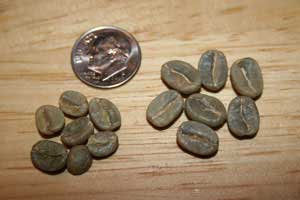
Knowledge points of Coffee Raw Bean: the concept of Fine Coffee Specialty Coffee (1)
The traditional classification of coffee beans is usually based on the classification criteria defined by the coffee producing countries, and then agreed to become common in the international market and traded under such a tacit understanding. For a long time, coffee producing countries have their own classification and evaluation criteria for coffee, which serve as the pricing guidelines in the coffee market. But slowly in recent years, coffee consuming countries have begun to demand unified evaluation criteria.
2015-12-18 Coffee raw beans knowledge essentials boutique Specialty Coffe
Coffee beans are also divided into "aristocratic and poor classes".
Coffee quality Evaluation Coffee producing countries have their own grading methods and quality evaluation standards in order to grade their harvested coffee, of course, there are also famous coffee mochas. Like Yemen in Matali, there are no countries with uniform export specifications and no coffee culture of the same style. If there are common evaluation criteria for coffee producers all over the world, it will be convenient for buyers.
2014-08-29 Coffee beans coffee encyclopedia
The concept of Fine Coffee Specialty Coffee (1) the third Wave of Coffee Culture and History in the World
The traditional classification of coffee beans is usually based on the classification criteria defined by the coffee producing countries, and then agreed to become common in the international market and traded under such a tacit understanding. For a long time, coffee producing countries have their own classification and evaluation criteria for coffee, which serve as the pricing guidelines in the coffee market. But slowly in recent years, coffee consuming countries have begun to demand unified evaluation criteria.
2016-01-23 Boutique Coffee Specialty concept World No.
Coffee grading knowledge how to classify coffee grades
If the owners of two cafes are discussing, shopkeeper A says, "the coffee beans we use in our shop are NO.2 in Santos, Brazil. What about your store?" shopkeeper B said: our store uses Brazilian NO.1 of the same grade as Blue Mountain NO.1. The evaluation method adopted in Brazil is the deduction method, which is classified according to the number of defective beans per 300g of staple beans, with a total of seven grades from NO.2 to No.8, with a deduction of less than 4 points.
2015-03-06 Coffee grade division knowledge how
Coffee beans Basic knowledge Coffee classification
If there are two cafe owners in the discussion, A shop owner said: we use coffee beans in Brazil Santos NO.2, your shop? B shopkeeper said: We shop with the Blue Mountain NO.1 with the same level of Brazil NO.1. Brazil uses a point-deduction method to evaluate the quality of the beans. The beans are graded according to the number of defective beans in every 300 grams of main beans. The grades are divided into seven levels from NO.2 to NO.8. If the points are less than 4,
2015-04-13 coffee beans basics common sense coffee grading
Coffee beans are also divided into "aristocratic and poor classes". Evaluation of the quality of coffee
Coffee quality Evaluation Coffee producing countries have their own grading methods and quality evaluation standards in order to grade their harvested coffee, of course, there are also famous coffee mochas. Like Yemen in Matali, there are no countries with uniform export specifications and no coffee culture of the same style. If there are common evaluation criteria for coffee producers all over the world, it will be convenient for buyers.
2015-10-20 Coffee beans also have aristocracy poor class distinction quality evaluation
Sieve powder-just for a clear cup of coffee
For friends who often drink coffee at home, it is estimated that they will be no stranger to all kinds of bean grinders. At present, there are Mazzer, Little Eagle, Pegasus, solis 166, rancilio rocky, Yang Family 900n, Big Flying Eagle and so on. Each mill has its own advantages, some are cost-effective, some are functional. But no matter which one, it doesn't seem to be able to solve the problem at this stage.
2014-07-03 Coffee knowledge powder sieving coffee skills coffee encyclopedia![[coffee knowledge] use sieve to treat coffee powder](https://www.coffeesearch.net/uploads/allimg/140520/141334HY-0-lp.jpg)
[coffee knowledge] use sieve to treat coffee powder
A long time ago, someone would use a sieve to sift the ground coffee powder before starting to cook it. The main reason at that time was that the quality of the coffee mill was not high enough and there was more fine powder. Simply sifting the fine powder could avoid the miscellaneous smell caused by the excessive essence of the fine powder in the coffee brewing.
2014-05-20 Coffee knowledge coffee powder coffee training
Evaluation on the quality of Coffee net Coffee Bancima was treated with sun in the primeval forest of Ethiopia.
Coffee producing countries have their own grading methods and quality evaluation criteria in order to grade their harvested coffee, of course, there are also famous coffee mochas. Like Yemen in Matali, there is no uniform export specification for the country. If the common evaluation criteria of coffee producing countries all over the world, it would be much more convenient for the buyer. Unfortunately, the current grading standard is still based on each producing country.
2016-03-29 Coffee quality evaluation Ethiopia primeval forest Yega Sheffield sun
Grading according to the proportion of sieve and defective beans
Grading defective beans according to the ratio of sieve and defective beans is an important factor in destroying the flavor of the final coffee. Therefore, defective beans should also be removed in the final step of green bean processing. Therefore, according to the proportion of defective beans, supplemented by screen size is also used as a classification method. Due to the rise of the fine coffee trend, coffee producing countries are paying more and more attention to the quality of coffee. Controlling defective beans is the most important way.
2016-05-10 sieve flaw proportion classification destruction finally
On the grading of raw coffee beans
The last step in the processing of raw coffee beans is grading, so what are the grading methods of raw coffee beans? Do different countries adopt the same approach? At present, there are three main rating criteria for raw coffee beans, and different countries adopt different rating methods according to their own production conditions and national conditions (not all coffee producing countries adopt the same method).
2014-09-02 Coffee raw bean grading
Use sieve to treat coffee powder, coffee powder, espresso, coffee bean grinder, espresso
Australia's Matt Perger, the champion of last year's world hand-brewing coffee competition, took to the stage with a sunscreen in the final. But he talked about it from the theory of brewing and cooking. In the past, we recognized that the extraction rate of coffee brewing was between 18% and 22%, but Matt told the referee that the extraction rate of the coffee he was going to make reached 23%, but it was still delicious. Because he will use the net to get rid of the fine powder and then flush it.
2016-06-29 Use sieve processing coffee powder Italian blending coffee beans bean grinder coffee
Use a sieve to treat coffee powder, spaghetti, coffee grinder, espresso, delicious coffee.
Australia's Matt Perger, the champion of last year's world hand-brewing coffee competition, took to the stage with a sunscreen in the final. But he talked about it from the theory of brewing and cooking. In the past, we recognized that the extraction rate of coffee brewing was between 18% and 22%, but Matt told the referee that the extraction rate of the coffee he was going to make reached 23%, but it was still delicious. Because he will use the net to get rid of the fine powder and then flush it.
2016-06-30 Use sieve processing coffee powder Italian blending coffee beans bean grinder coffee
Usage of dripping pot in Vietnam
At present, there are two mainstream methods of using dripping pots in Vietnam. One is to put the coffee powder on the sieve and then inject water; the other is to put the coffee powder flat, first inject a small amount of water, so that the coffee powder is in full contact with the water and then screw on the sieve. The second method should pay attention to the amount of water not too much but evenly when injecting water for the first time, otherwise the coffee powder and water will quickly drop into the coffee cup.
2016-06-05 Vietnam Didi usage current streaming method of use 2