“Cultivation” search results (10308)

Cultivation techniques of small-grain coffee: irrigation and fertilization
Fertilization is one of the key measures for high yield of cultivated coffee. According to the data, for every 1 kg of dried beans harvested, coffee trees absorb 70 grams of nitrogen, 14 grams of phosphorus and 76 grams of potassium from the soil.
2014-06-17 Coffee knowledge small grain coffee coffee cultivation techniques
Explore the history of Chinese coffee spread
According to historical records, planting in Taiwan was successful for the first time in 1884. Since then, coffee trees have been planted in China. Coffee planting in Daliu began in Yunnan Province. In 1902, a French missionary named Tian introduced seeds from India and Gong, and planted them successfully in Binchuan County, Yunnan Province, located in Zhukula, a tributary of Jinsha River. Commercial cultivation of Yunnan coffee began in 1985, but the development was slow.
2014-09-11 coffee culture coffee history in China coffee spreading
History of coffee cultivation in ancient pits of Taiwan
It is located on the Tropic of Cancer. The sunshine and rainfall are very abundant. The native coffee produced in Taiwan is sweet and fragrant, but not bitter. It has its own local flavor of Taiwan, belonging to the world's best coffee.
2014-06-17 Coffee culture coffee history coffee encyclopedia
China Coffee Network introduces the cultivation of coffee in Yunnan Coffee planting history of Yunnan coffee should be planted in Yunnan
The western and southern parts of Yunnan Province are located between 15 N latitude and the Tropic of Cancer. Most of the areas are 1000 mi 2000 meters above sea level. The topography is dominated by mountains and slopes, with large ups and downs, fertile soil, sufficient sunshine, rich rainfall and large temperature difference between day and night. These unique natural conditions form the special taste of Yunnan small grain coffee, which is rich but not bitter, fragrant but not strong, and slightly fruity. As early as fifty
2016-03-28 China Coffee introduction Yunnan planting History suitable planting Yunnan Province West South
In the process of coffee cultivation, coffee is grown with seeds with endocarp.
In the process of coffee cultivation, some people mistakenly think that coffee is grown directly with raw beans, but it takes a long time to grow but find that it does not sprout. In fact, coffee is grown with seeds with endocarp (Parchment). The inner fruit (or sheepskin or paper parchment) refers to the tea-brown hard skin that wraps the coffee seeds, and the coffee beans attached to that layer are called Parchment Bean. Dial
2015-11-06 Coffee cultivation process with inner fruit skin seed planting coffee
Important conditions of Coffee cultivation
There is a noun called "coffee belt". There are more than 60 coffee producing countries in the world, most of which are located in the tropics and subtropics between the Tropic of Cancer (23 °26 'north and south). This coffee growing area is called "coffee belt (Coffee Belt)" or "coffee area (Coffee Zone)".
2014-06-14 Coffee knowledge coffee cultivation coffee encyclopedia
Introduction of Nicaraguan Fine Coffee characteristics of Nicaraguan Coffee cultivation
Nicaraguan coffee Nicaragua coffee flavor characteristics: moderate acidity, fragrant and delicious. Nicaraguan coffee of high quality is in the forefront of coffee beans in the world and enjoys a good reputation. Its particles are moderate in size, mild in taste and very aromatic and mellow. Nicaragua is located in central Central America, bordered by the Pacific Ocean to the west and the Caribbean Sea to the east. The highlands in the north and the coastal plains in the east
2016-03-19 Nicaragua boutique coffee introduction cultivation characteristics
Description of Coffee Flavor in Crystal Mountain, Cuba; introduction to the taste of fine coffee
In 1748, coffee was introduced into Cuba from Domiga, and Cuba began to grow coffee ever since. With fertile land, humid climate and abundant Rain Water, Cuba can be called a natural treasure land for coffee cultivation. The suitable natural conditions provide a favorable natural environment for the growth of coffee trees, and coffee is well planted and developed here. In Cuba, the cultivation of coffee is regulated by the state. Cuba is the best
2016-10-09 Cuba Crystal Mountain coffee flavor description producing area characteristics boutique taste introduction
Columbia Hope Manor Coffee Flavor description Grinding characteristic Powder Taste introduction
Columbia Hope Manor Colombia huila Diamond Manor, located in southwestern Colombia, is one of the major coffee growing areas. Because there are famous coffee cultivation places in Huilan area, the names of small areas become brand names and circulate. Although the cultivation conditions in this area are also very good, the coffee cultivation farm and the surrounding area
2016-10-19 Columbia Hope Manor Coffee Flavor description Grinding characteristics Taste introduction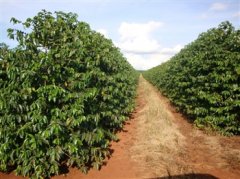
Coffee cultivation techniques for cultivating strong seedlings of Coffee
Coffee cultivation techniques 1, cultivate strong coffee seedlings 1, nursery site selection close to water sources, convenient transportation, loose and fertile soil, deep soil layer, well-drained loam or sandy loam, paddy field with pH 66.5 or early nursery land, and close to coffee garden. Turn over the depth of the ground by 0.200. 30 meters, after hoing and removing stones, the ridge moisture width is 1.01. 2 meters, about 10 meters long, and in the soil moisture
2015-10-07 Coffee cultivation techniques cultivation strong seedlings technology coffee
Africa is the home of coffee.
Africa is considered the home of coffee. But coffee actually originated in Ethiopia and was spread all over the world through the port of Mocha in Yemen. Ethiopian coffee cultivation began in 575 AD, for those Arabs, coffee was like the silk of China at that time, belonging to the national treasure. If anyone is lucky enough to taste this refreshing aroma
2015-07-30 coffee spread africa hometown people think actually
Introduction to the regional flavor of Bolivian coffee cultivation
Bolivia's high-quality estates, very high altitude, perennial low temperature environment, so that coffee fruit growth is slow, tight enough, aroma is also charming, floral aroma is obvious, such as careful handling, cherries with the same maturity, often have a clean and meticulous high-end taste, this elegant vanilla and honey aromas are very attractive, this champion bean has a variety of floral aromas, vanilla and sweet very long-lasting. To
2016-06-15 Bolivia Coffee planting region Flavor introduction quality Manor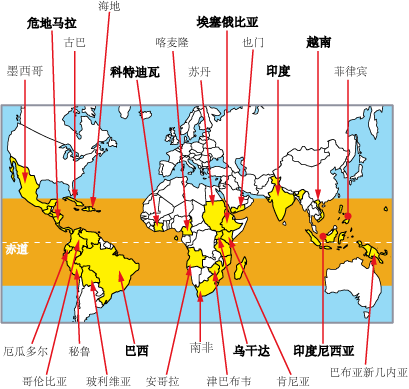
Chinese Coffee Chinese Coffee Culture China Coffee Network introduces when coffee was introduced into China?
The history of the introduction of coffee into China is not long, and it was not until 1884 that coffee was first planted in Taiwan Province. In the mainland of the motherland, the earliest coffee cultivation began in Yunnan. At the beginning of the 20th century, French missionaries brought the first batch of coffee saplings to Binchuan County, Yunnan Province, and began to grow coffee in the mainland. The history of coffee introduced into China is not long, straight.
2016-04-07 Chinese style coffee Chinese coffee culture introduction when
Chinese Coffee History talk about Chinese Coffee History
According to historical records, coffee trees were first planted in Taiwan in 1884, and coffee cultivation in mainland China began in Yunnan. In 1902, a French missionary named Tian introduced seeds from Yinggong County in Binchuan County, Yunnan Province. it was successfully planted in a place called Zhu Kula, which is located on the bank of the Yushan River, a tributary of the Jinsha River. The commercial cultivation of coffee in Yunnan began in 1985, but its development is slow.
2014-10-15 Coffee knowledge Chinese Coffee History Coffee Encyclopedia
On the History of Coffee in China
According to historical records, coffee trees were first planted in Taiwan in 1884, and coffee cultivation in mainland China began in Yunnan. In 1902, a French missionary named Tian introduced seeds from Yinggong County in Binchuan County, Yunnan Province. it was successfully planted in a place called Zhu Kula, which is located on the bank of the Yushan River, a tributary of the Jinsha River. The commercial cultivation of coffee in Yunnan began in 1985, but its development is slow.
2015-05-08 China coffee development history historical materials records 1884 Taiwan planting for the first time
Cultivation techniques of Yunnan Coffee with small grains
Disease control: 1. Coffee rust is the main disease of coffee, the most harmful, the damaged plants, light reduced yield, heavy death. Coffee rust is mainly harmful to leaves and sometimes to young fruits and twigs. After the leaves were infected, many light yellow spots appeared at first and enlarged in the form of water stains, followed by orange-yellow powdery spores on the back of the leaves, and there was a light green halo around the disease spots, and the disease spots in the later stage.
2014-09-02 Coffee knowledge Yunnan coffee small grain coffee coffee tree planting cultivation techniques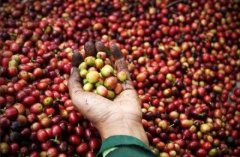
Nicaraguan boutique coffee introduces the unique taste of Nicaraguan coffee the cultivation of Nicaraguan coffee
In many countries, coffee production has been seriously affected for political reasons. Nicaraguan coffee industry is no exception. The 1979 revolution forced coffee planters to flee to Miami. A period of indecision followed, when the government considered whether to redistribute land, including many plantations, which led to a shortage of coffee and a decline in production. Niagara
2016-03-25 Nicaragua boutique coffee introduction unique taste planting
Cultivation conditions of three native species of coffee beans
Coffee is mainly divided into three categories: Arabica (Arabica), Robusta (Robusta) and Liberia (Liberica), but Arabica and Robsta are mostly in circulation in the market. No matter what it is, it has its advantages and disadvantages, and its purpose and use are not the same. There are about 40 species of coffee plants, but only coffee beans with commercial value can be produced.
2016-05-25 Coffee beans three native coffee cultivation conditions
Cultivation techniques of small Coffee knowledge of Coffee planting
Prevention and treatment methods: ① strengthen management, reasonable pruning, appropriate shade. ② artificially killed adults and larvae, cut off the damaged branches and burned them in time. two。 Coffee leopard bark moth. It is widely distributed and is one of the common coffee pests, which can harm a variety of cash crops. The larvae overwintered in the branches, and the larvae often ate upward in the branches, forming a tunnel of 30cm to 60cm. Prevention and control methods:
2015-02-25 Small grains coffee cultivation techniques planting knowledge control methods strengthening management reasonable
When was coffee introduced into China?
The history of the introduction of coffee into China is not long, and it was not until 1884 that coffee was first planted in Taiwan Province.
2014-06-12 Coffee Culture Coffee History Chinese Coffee