“Cultivation” search results (10308)

The development history of coffee in China
In China, people like drinking coffee more and more. The ensuing "coffee culture" is full of every moment of life.
2014-05-13 Coffee Culture Development History China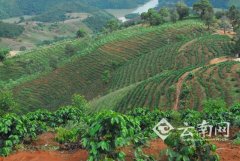
Coffee cultivation in Lincang City has become the second largest coffee producing area in Yunnan.
It was learned from the conference on the development and promotion of coffee industry in Lincang City, Yunnan Province that by the end of 2013, the coffee planting area in Lincang City had reached 554200 mu, making it the second largest coffee producing area in Yunnan.
2014-06-05 Coffee News Lincang Coffee Coffee cultivation Yunnan Coffee
Ivory Coast Coffee Coffee World Coffee Coffee cultivation
Boutique coffee has a rich and beautiful taste. Even if the coffee made of boutique coffee beans is not all fine coffee, it depends on whether it gives full play to the characteristics of coffee beans, whether it has a good taste, if not, it can not be called boutique coffee. In terms of quantity, it is one of the largest producers in the world. C ô te d'Ivoire (C ô te te dlvoire)
2016-06-13 Ivory Coast coffee world cultivation boutique rich good taste sense
The method of Coffee Recycling and Flower cultivation with Coffee grounds
For the use of coffee grounds, for flower lovers, flower cultivation is the most suitable, but for coffee grounds flower lovers have tried but failed, so how to make coffee grounds fertilizer can be absorbed by plants? First, let's look at the benefits of coffee grounds fertilizer: coffee grounds contain a lot of nitride, which is very suitable for plants that like acidic soil, so coffee grounds are used as fertilizer.
2014-11-24 Coffee knowledge coffee recycling coffee grounds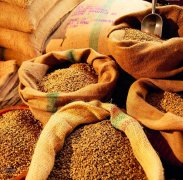
Knowledge of coffee botany basic knowledge of fine coffee
According to the botanical description of coffee: coffee is Rubiaceae, coffee genus, perennial evergreen shrubs or small trees. There are more than 60 types of coffee classified, but there are roughly two varieties of coffee grown commercially on a large scale, one is Arabica, accounting for about 70 percent of the world's coffee planting area, and the other is Robasta, accounting for about 30 percent of the world's coffee planting area. According to our country
2015-01-29 Coffee Botany knowledge Fine goods basic knowledge description Grass
Coffee botany is mainly divided into the following five varieties
There are more than 60 types of coffee classified, but there are roughly two varieties of coffee grown commercially on a large scale, one is Arabica, accounting for about 70 percent of the world's coffee planting area, and the other is Robasta, accounting for about 30 percent of the world's coffee planting area. According to our national standards, the classification of coffee is mainly divided into the following five varieties. 1. Small seed coffee, that is, Arabian species. Original production
2015-07-28 Coffee botany mainly divided into the following a variety
China coffee development history China coffee growing area China Yunnan coffee Yunnan coffee delicious
In terms of natural conditions, many areas of our country are very close to Latin America, South America, India, Indonesia and other places, and have innate conditions for coffee cultivation, but traditional culture and living customs restrict the development of coffee in China. Until recent years, with coffee more into the lives of ordinary Chinese people, with the impact of foreign culture and lifestyle, coffee cultivation only
2016-05-29 coffee when imported china start popular natural conditions speaking
When was coffee introduced into China? when did coffee become popular in China?
The history of the introduction of coffee into China is not long, and it was not until 1884 that coffee was first planted in Taiwan Province. In the mainland of the motherland, the earliest coffee cultivation began in Yunnan. At the beginning of the 20th century, French missionaries brought the first batch of coffee saplings to Binchuan County, Yunnan Province, and began to grow coffee in the mainland. Chinese people have been drinking tea for thousands of years.
2016-05-26 Coffee when introduced China start Chinese flow OK coffee
Knowledge of boutique coffee beans Brazil Bourbon Santos Coffee introduction Bourbon Mountain Coffee cultivation Bourbon Mountain
Brazil is the world's largest coffee producer, known as the coffee country. Italian espresso (ESPRESSO), commonly drunk around the world, is usually brewed with Brazilian coffee, which sometimes accounts for 90% or more of ESPRESSO. Brazil grows many kinds of coffee, and most of them are not of high quality, but there are also some world-famous
2016-03-24 Boutique Coffee beans knowledge Brazil Bourbon Doz Coffee introduction cultivation
Organic cultivation of coffee treasures from the hometown of giant turtles
Coffee treasures from the hometown of giant turtles, which are of excellent quality and do not use any chemicals when growing. Coffee is grown in San Cristobal (SaintCrstbal). St. Cristobal is a larger island in the Galapagos Islands (GalapagosIslands) and the only one in the archipelago with plenty of fresh water. At 410 meters above sea level on the island
2016-05-21 From giant turtles hometown coffee treasures organic planting from giant turtles
Cultivation of Coffee and Cultural Coffee trees
Coffee cultivation now, in the belt between the Tropic of Cancer and the Tropic of Cancer, coffee is widely grown. Coffee grown in different regions has different flavors. The unique soil, climatic conditions and planting methods of a country make the coffee produced in that country have a unique flavor. French winemakers call this phenomenon regional style. Geographically, a global coffee growing area
2015-03-13 Coffee culture planting coffee now Tropic of Cancer occasional ribbon ground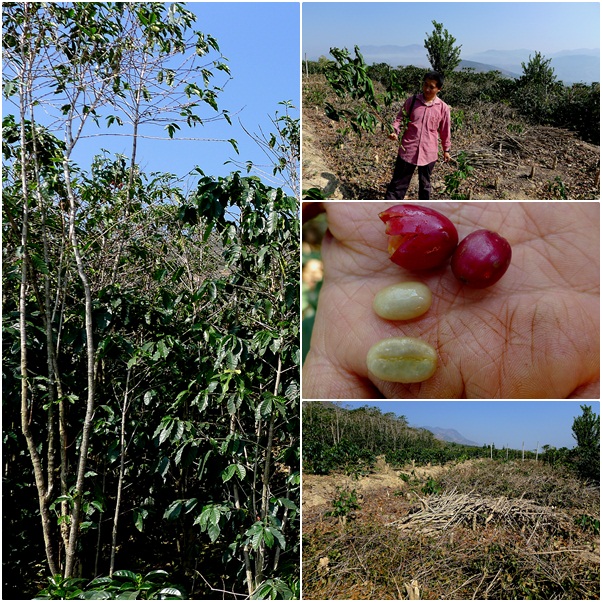
Yunnan Coffee Yunnan coffee varieties Tiebika and Bobang Yunnan coffee cultivation history
Yunnan coffee in China Yunnan coffee large-scale cultivation was in the mid-1950s, once planted on a scale of 4000 hectares. By the end of 1997, the province's coffee planting area had reached 7800 hectares. At present, the province's planting area accounts for 70% of the country's area, and its output accounts for 83% of the country's total. Whether it is from the planting area or coffee bean output, Yunnan coffee has established its dominant position in China. Jane
2016-03-17 China Yunnan Coffee Variety Tiebi Bobang Planting History
Technical guidance for the cultivation of small-grain coffee
The cultivation techniques of small-grain coffee planting, land preparation, variety selection, timely planting, shade and so on.
2014-06-17 Coffee knowledge small grains of coffee coffee encyclopedia
The way out for Peru is to vigorously develop the cultivation of high-quality coffee, which is expected to rank fifth in the world in 2016.
Annell, chairman of the committee. Roman said that specific measures to achieve this goal include updating coffee varieties, encouraging producers and farmers to achieve joint operations, promoting the contract responsibility system and training small farmers. Peruvian coffee production hit an all-time high in 2011, with production of 7.2 million piculs and export earnings of US $1.6 billion, he said. Roman said that although he was subjected to Rain Water last year,
2014-04-27 Peru the way out lies in vigorously development quality coffee planting 2016 can
Ivory Coast Coffee Coffee World Coffee Coffee cultivation
Industrially produced coffee beans (the kind that can be bought in the supermarket) cannot be called fine coffee because they are often over the best drinking period (although they are still within the shelf life). Those ordered roasted coffee, which take a short time from roasting to the hands of consumers, can maximize the flavor of fresh coffee and, if the raw materials are good, roast.
2016-06-15 Ivory Coast coffee the world cultivation industrialization production coffee beans that is can be found in
Coffee Culture Common sense Chinese Coffee Culture
The history of the introduction of coffee into China is not long, and it was not until 1884 that coffee was first planted in Taiwan Province. In the mainland of the motherland, the earliest coffee cultivation began in Yunnan. At the beginning of the 20th century, French missionaries brought the first batch of coffee saplings to Binchuan County, Yunnan Province, and began to grow coffee in the mainland. In terms of natural conditions, many parts of our country and
2014-11-17 Coffee culture coffee common sense Chinese coffee culture
Cultivation techniques of small Coffee in Yunnan Province: harvesting and processing
Timely harvest is an important link to ensure high yield and improve product quality of coffee. The harvest time of small seed coffee is more concentrated, when the fruit turns red, it can be harvested. It should be picked along with ripening. After completely turning red, the fruit is easy to fall off. (9) Wet processing is generally adopted in processing. (1) washing fruit. Wash away the soil or sundries that stick to the fruit. (2) grading of fresh fruit. Turn the green fruit and dried fruit
2015-10-07 Yunnan Province small grains coffee cultivation techniques harvesting processing
Peruvian Coffee varieties with balanced Taste description of Fine Coffee Flavor characteristics of Taste and Baking degree
In recent years, coffee has become the main agricultural product for Peru to earn foreign exchange. But Peruvian coffee cultivation is still very scattered, primitive family-style small-scale cultivation. At the same time, Peruvian coffee consumption is very different from that of Colombia and Brazil in South American countries. According to statistics, the per capita annual coffee consumption in Colombia and Brazil is 2.5 kg and 6 kg, while that in Peru is 2.5 kg and 6 kg respectively.
2016-09-23 Taste balance Peru coffee variety boutique flavor description taste characteristics
Cultivation techniques of small-grain Coffee
Disease control: 1. Coffee rust is the main disease of coffee, the most harmful, the damaged plants, light reduced yield, heavy death. Coffee rust is mainly harmful to leaves and sometimes to young fruits and twigs. After the leaves were infected, many light yellow spots appeared at first and enlarged in the form of water stains, followed by orange-yellow powdery spores on the back of the leaves, and there was a light green halo around the disease spots, and the disease spots in the later stage.
2014-07-09 Small-grain coffee cultivation coffee beans Yunnan small-grain coffee beans
Description of Flavor of Yunnan small-grain Coffee Huaguoshan Coffee; introduction to the taste of varieties in producing areas
The main planting sites are also concentrated in Dehong Lincang and Pu'er Banna in Baoshan, western Yunnan. The coffee introduced by missionaries in the 19th century was mainly Robusta, but it was no longer planted on a large scale. In the 1950s, experts assisted by the Soviet Union brought two mainstream Arabica varieties: iron pickup typica and Bourbon bourbon to Baoshan, Yunnan, for cultivation and promotion, which was well received.
2016-10-14 Yunnan small grains Coffee Huaguoshan Flavor description Grinding characteristics varieties producing areas