“Bags” search results (7659)

Rich taste Perfect Kenyan Jinchu Valley Coffee Flavor Taste Manor Features Fine coffee beans
On an international scale, the growth in Kenyan coffee production has been remarkable, with exports rising from 800,000 bags in 1969- 1970 to 2 million bags in 1985-1986. The average yield is stable at 1.6 million bags, with an average yield of about 650 kg/ha. Even before the coffee price spike, the average price of coffee in Kenya had been rising. 1993--1994 The annual price is 12 months.
2016-08-09 Taste Rich Beautiful Kenya Jinchu Coffee Flavor Manor Region Characteristics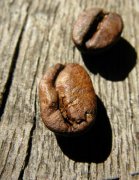
Put the coffee into some sealed fresh-keeping bags.
Many people have a misconception that storing coffee in the refrigerator is the best way to preserve it. In fact, it is reasonable. But please think about it carefully. Every time you take the coffee out of the refrigerator and put it back after use, during the process of getting out and entering the refrigerator, the coffee will be affected by different hot and cold temperatures, which may have been a good protection.
2015-05-12 Coffee preservation method put in some sealed fresh in the bag a lot of people
How to preserve coffee beans after roasting?
Roasted coffee beans are easily exposed to oxygen in the air to produce oxidation, which deteriorates the oil quality, volatilizes and disappears aroma, and then accelerates deterioration through temperature, humidity, sunshine and so on. Especially after multi-layer treatment of low-caffeine coffee beans, oxidation is carried out faster. Therefore, in order to maintain the aroma and quality of coffee, how to package and preserve coffee beans has become one.
2014-09-05 Coffee knowledge coffee roasting coffee bean preservation
Introduction to the Export of Niya Coffee the Central Mountain region of Nyeri Ethiopia
The increase in the number of Niya coffee is obvious. From 1969 to 1970, 800000 bags were exported, and from 1985 to 1986, the export volume increased to 2 million bags. Production is now stable at 1.6 million bags, with an average yield of about 650kg per hectare. The average price of coffee in Kenya has been rising before the price of coffee has skyrocketed in recent years. Prices from 1993 to 1994 were 50% higher than they were 12 months ago.
2016-06-20 Nigeria Coffee Export situation introduction Nyeri Central Dashan region
Introduction to the Western Ruwensori Mountain area of washed Robst Bean production area in Uganda
Uganda's coffee production ranks first in Africa, accounting for more than 70% of its total exports. Uganda is also the hometown and main producing area of Robes specialty coffee. In the 1960s, Ugandan coffee production remained at 3.5 million bags a year. By the mid-1980s, coffee production had dropped to 2.5 million bags a year, mainly for political reasons. But now coffee production is on the rise again, which is large at present.
2016-06-18 Wash Uganda Rob Strowster production area introduction West Wenzori Ruwe
Coffee beans Africa C ô te d'Ivoire
In terms of quantity, it is one of the largest producers in the world. C ô te d'Ivoire te dlvoire has never produced the best quality coffee, and it rarely comes from Arabian coffee trees. In the early 1980s, it was the world's third-largest coffee producer, with an annual output of 5 million bags. Even today, it is still the fifth largest coffee producer in the world, with an annual output of 4.4 million bags. That's it.
2014-09-22 Coffee beans Africa C ô te d'Ivoire
Boutique coffee beans knowledge coffee producing area C ô te d'Ivoire
One of the largest producers in the world. C ô te d'Ivoire te dlvoire has never produced the best quality coffee, and it rarely comes from Arabian coffee trees. In the early 1980s, it was the world's third-largest coffee producer, with an annual output of 5 million bags. Even today, it is still the fifth largest coffee producer in the world, with an annual output of 4.4 million bags. With regard to the production of Robbins special coffee
2015-01-07 Boutique coffee beans knowledge coffee origin C ô te d'Ivoire world large production
Flavor and taste of Kenyan boutique coffee beans the manor in the producing area introduces Kenyan coffee beans
On an international scale, the increase in the number of Kenyan coffee is obvious, with exports of 800000 bags in 1969-1970 and increased to 2 million bags in 1985-1986. The general yield is stable at 1.6 million bags, with an average yield of about 650kg per hectare. Even before coffee prices skyrocketed, the average price of coffee in Kenya had been rising. 1993 Murray-1994 price comparison of 12 months
2016-07-18 Kenya boutique coffee beans flavor taste producing area manor introduction international fan
Introduction of Coffee from 53 Coffee producing areas in the World (3)
twenty-one. Venezuela oil was once considered the main export of Venezuela (Venezuela). Although coffee trees were introduced from Martinique in 1730 and Venezuela, coffee production was almost abandoned at the height of the oil industry. Recently, coffee plantations have begun to recover, with original Tipica and bourbon coffee trees and new plantations
2014-07-16 Coffee knowledge coffee origin coffee encyclopedia
Ivorian coffee is one of the largest producers in the world.
In terms of quantity, it is one of the largest producers in the world. C ô te d'Ivoire te dlvoire has never produced the best quality coffee, and it rarely comes from Arabian coffee trees. In the early 1980s, it was the world's third-largest coffee producer, with an annual output of 5 million bags. Even today, it is still the fifth largest coffee producer in the world, with an annual output of 4.4 million bags. That's it.
2015-04-15 Ivory Coast coffee the world large producing countries one quantity in terms of the world
The world's boutique coffee is produced in C ô te d'Ivoire
One of the largest producers in the world. C ô te d'Ivoire te dlvoire has never produced the best quality coffee, and it rarely comes from Arabian coffee trees. In the early 1980s, it was the world's third-largest coffee producer, with an annual output of 5 million bags. Even today, it is still the fifth largest coffee producer in the world, with an annual output of 4.4 million bags. With regard to the production of Robbins special coffee
2014-09-17 Coffee knowledge the producing area of fine coffee in the world C ô te d'Ivoire
Description of flavor of Ugandan coffee beans introduction to the characteristics of producing areas of coffee beans with grinding degree
Most of Uganda is located in the Central African Plateau, with lakes, with an average elevation of 1000 mi 1200 meters. There are many lakes and plateaus in the mountains, which are known as the water villages of the plateau. The western branch of the East African Rift Valley runs through the western border, with many rivers and lakes at the bottom of the valley. Uganda has a great Victoria lake, coupled with the high mountains, which makes Uganda a mild climate suitable for growing coffee, although it spans both sides of the equator. Right and wrong in Uganda
2016-10-08 Uganda coffee beans flavor description grinding taste variety producing area characteristics
The flavor and taste of Kenyan coffee the characteristics of Kenyan coffee beans are introduced in the manor area.
The increase in the number of Kenyan coffee is obvious. From 1969 to 1970, 800000 bags of coffee were exported, and by 1985 and 1986, the output increased to 2 million bags. Now the yield is stable at 1.6 million bags, with an average yield of about 650kg per hectare. Even before coffee prices skyrocketed in recent years, the average price of coffee in Kenya had been rising. Prices in 1993-1994 were 50% higher than they were 12 months ago.
2016-07-25 Kenya coffee flavor taste manor producing area introduction coffee beans characteristics Ken
Introduction of the main coffee bean producing areas in Honduras Santa Barara Manor San Juan Heido
Its Honduran coffee comes from El Salvador. Coffee production was lukewarm at first until the frost in Brazil in 1975. At that time, Brazil was hard hit and coffee production plummeted, while Honduras took the opportunity to take advantage of the surge in coffee production from 500000 bags to 1.8 million bags and was ransacked. Since then, coffee production in Honduras has really developed.
2016-07-20 Honduras Coffee Bean main producing area Manor introduction Sanba Lara San Hu
Start with coffee beans (28)-Africa-C ô te d'Ivoire
In terms of quantity, it is one of the largest producers in the world. C ô te d'Ivoire te dlvoire has never produced the best quality coffee, and it rarely comes from Arabian coffee trees. In the early 1980s, it was the world's third-largest coffee producer, with an annual output of 5 million bags. Even today, it is still the fifth largest coffee producer in the world, with an annual output of 4.4 million bags. That's it.
2014-06-12 Coffee beans Africa C ô te d'Ivoire
Coffee producing area Coffee introduction to C ô te d'Ivoire
In terms of quantity, it is one of the largest producers in the world. C ô te d'Ivoire te dlvoire has never produced the best quality coffee, and it rarely comes from Arabian coffee trees. In the early 1980s, it was the world's third-largest coffee producer, with an annual output of 5 million bags. Even today, it is still the fifth largest coffee producer in the world, with an annual output of 4.4 million bags. That's it.
2014-11-05 Coffee knowledge coffee origin coffee introduction C ô te d'Ivoire
China's coffee to be exported will become a major global coffee production base.
As one of the coffee producing places, China's future development goal is to be on a par with Latin America, the global coffee production base, and to become the world's leading coffee producing country. However, this road of development is still long, and China has a long way to go to achieve this goal. The green plateau and endless tea gardens are the deepest impression of foreigners on China. China as the largest tea in the world
2015-03-09 China export coffee become global major production base as
Ethiopia coffee production area profile Ethiopia West Dharma
Harar/Sundried/Dry-Processed Harar is located in the Eastern Highlands of Ethiopia (Haredge Province) and grows at an altitude of 5,000 - 7,000 feet. It was still wild on hillsides a century ago. Most raw beans are medium in size and pointed at both ends. The color is green with yellow or gold. When baked, it has a strong chocolate smell.
2016-04-30 Ethiopia Coffee Major Region Profile Dharma Harar
The development of coffee the trend of the world coffee market
The annual turnover of raw coffee beans is the second largest in the world. Coffee is produced in more than 70 countries around the world, with an annual output of 1 million bags. The development of the coffee industry has provided employment opportunities for 100 million people around the world. The international coffee market is at a mature stage. The coffee production of the exporting member countries of the International Coffee Organization accounts for more than 97% of the world's total output. While annual retail sales exceed $70 billion.
2014-09-13 Coffee knowledge coffee development coffee market world coffee market
Brief introduction of main producing areas of Ethiopian Coffee
Hara (Harar) / Solar or dried (Sundried/Dry-Processed) Hara is located in the Eastern Highlands of Ethiopia (Harerge Province) and grows between 5000 and 7000 feet above sea level. It was still wild on slopes a century ago. Most of the raw beans are medium size and have long tips at both ends, with a yellowish or golden green color and strong chocolate when baking.
2016-04-30 Ethiopia Coffee main producing area profile Hara Harar Solar