“Bags” search results (7659)
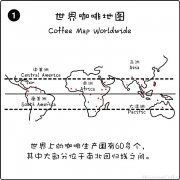
Ivorian coffee is still the fifth largest coffee producer in the world today.
In terms of quantity, it is one of the largest producers in the world. C ô te d'Ivoire has never produced the best quality coffee, and it rarely comes from Arabian coffee trees. In the early 1980s, it was the world's third-largest coffee producer, with an annual output of 5 million bags. Even today, it is still the fifth largest coffee producer in the world, with an annual output of 4.4 million bags. That's it.
2016-05-21 Ivory Coast coffee today is still in the world the top five producing countries quantity
C ô te d'Ivoire is one of the largest producers of coffee in the world.
One of the largest producers in the world. C ô te d'Ivoire te dlvoire has never produced the best quality coffee, and it rarely comes from Arabian coffee trees. In the early 1980s, it was the world's third-largest coffee producer, with an annual output of 5 million bags. Even today, it is still the fifth largest coffee producer in the world, with an annual output of 4.4 million bags. With regard to the production of Robbins special coffee
2015-07-30 Coffee origin C ô te d'Ivoire the world large producing countries one of the world
Introduction of Ugandan coffee beans with mild climate and suitable for growing coffee
Uganda leads Africa in coffee production, accounting for more than 70% of its total exports. In the 1960s, Ugandan coffee production remained at 3.5 million bags a year. By the mid-1980s, coffee production had dropped to 2.5 million bags a year, mainly for political reasons. But now coffee production is on the rise again, currently about 3 million bags a year. Mainly exported to the European Union, including Germany and Italy
2016-06-28 Climate mild suitable planting coffee Uganda coffee beans introduction
Introduction to the grinding treatment method for the flavor and taste characteristics of coffee brands in Ethiopia
Ethiopian Coffee Flavor treatment Variety characteristics growing in Western Ethiopia 4900-5900 feet (Wollega province) plateau, north of Jima, mostly wild, annual output is about 500000bags/60kg, export to G5/G4, bean body is larger and longer than Longberry, a little brown in green, taste similar to less jasmine tea, more bitter, lack of rising Hara, slightly sour
2016-10-21 Ethiopia where rich coffee brand flavor taste characteristics grinding
Introduction to the flavor and taste characteristics of the fragrant and pure El Salvador boutique coffee bean manor.
Today, this coffee accounts for 40% of the country's exports. 35% of the extra hard beans of the best coffee are exported to Germany from January to March. In the early 1990s, guerrilla warfare greatly damaged the country's national economy, reducing coffee production from 3.5 million bags in the early 1970s to 2.5 million bags in 1990-1991. The eastern part of the country was most affected by guerrilla warfare, and many farmers and workers were forced
2016-09-12 Aromatic authentic El Salvador boutique coffee beans manor producing area flavor taste
Ivory Coast, the country that has never produced the best quality coffee
In terms of quantity, it is one of the largest producers in the world. The coffee produced in C ô te d'Ivoire (C ô te d te dlvoire) is also rarely produced by Arabian coffee trees. In the early 1980s, it was the world's third-largest coffee producer, with an annual output of 5 million bags. Even today, it is still the fifth largest coffee producer in the world, with an annual output of 4.4 million bags. In terms of the output of Robbins Coffee
2016-06-17 Never production quality best coffee country of production C ô te d'Ivoire quantity in terms of world
Sidamo Coffee Flavor taste the characteristics of the manor producing area Sidamo Shakiso coffee boutique coffee beans
Growing in western Ethiopia, 4900-5900 feet (Wollega province) plateau, north of Jima, mostly wild, annual output is about 500000bags/60kg, export is mostly G5/G4, bean body is larger and longer than Longberry, a little brown in green, taste similar to less jasmine tea, more bitter, lack of rising Hara, slightly sour, slightly fruity and wine aroma, but slightly inferior to Hara.
2016-08-09 Dharma Coffee Flavor Taste Manor producing area characteristics introduction Shaquiso boutique
Ivory Coast Roberts Coffee West Africa Ivorian Robusta coffee beans Ivorian producing areas
In terms of quantity, it is one of the largest producers in the world. C ô te d'Ivoire te dlvoire has never produced the best quality coffee, and it rarely comes from Arabian coffee trees. In the early 1980s, it was the world's third-largest coffee producer, with an annual output of 5 million bags. Even today, it is still the fifth largest coffee producer in the world, with an annual output of 4.4 million bags. That's it.
2016-01-15 Kurt Varro Baiji Coffee West Africa Busta Coffee beans C ô te d'Ivoire producing areas
Introduction of Ugandan coffee beans with low acidity and delicate taste
Uganda's coffee production ranks first in Africa, accounting for more than 70% of its total exports. Uganda is also the hometown and main producing area of Robes specialty coffee. In the 1960s, Ugandan coffee production remained at 3.5 million bags a year. By the mid-1980s, coffee production had dropped to 2.5 million bags a year, mainly for political reasons. But now coffee production is on the rise again, which is large at present.
2016-06-22 Acidity low taste comparison delicate Uganda coffee beans introduction
The present situation of Blue Mountain Coffee
Blue Mountain Coffee can maintain its top status today, which is also related to the local government's policy of limiting production and ensuring quality. Jamaica is not famous for Blue Mountain Coffee, regardless of the quality of mass production. But to give priority to quality, would rather sacrifice output, but also to protect the blue mountain coffee this gold-lettered signboard. Brazil, the world's largest coffee producer, produces 30 million bags (60 kilograms each) of coffee every year.
2014-08-01 Blue Mountain Coffee status quo can maintain Today Best status
Ruwenzori (Ruwensori) in the west of Uganda coffee producing area with delicate taste and unique flavor.
Ganda coffee production ranks first in Africa, accounting for more than 70% of its total exports, while Uganda is also the hometown and main producing area of Robes specialty coffee. In the 1960s, Ugandan coffee production remained at 3.5 million bags a year. By the mid-1980s, coffee production had dropped to 2.5 million bags a year, mainly for political reasons. But now coffee production is on the rise again, about
2016-06-27 With taste fragrance unique charm Uganda coffee producing area west Venzo
Robes, a coffee variety from the mountains of Elgon and Bugisu, Uganda
Uganda's coffee production ranks first in Africa, accounting for more than 70% of its total exports. Uganda is also the hometown and main producing area of Robes specialty coffee. In the 1960s, Ugandan coffee production remained at 3.5 million bags a year. By the mid-1980s, coffee production had dropped to 2.5 million bags a year, mainly for political reasons. But now coffee production is on the rise again, which is large at present.
2016-06-23 Uganda El Elgon Mountain Bugisu Coffee
Raw bean label: what is "GP"
There is a lot of information on the label of raw coffee beans. In addition to clear information at a glance, such as altitude and how to handle it, there are also some common English abbreviations that sometimes take a little thought. GP, refers to a way of packaging raw beans, GrainPro, special packaging for grains. When raw coffee beans are exported from the place of production, they are packed in gunny bags, which is already familiar to most coffee lovers. But,
2014-09-03 Raw bean label
The perfect Kenyan Kam Chuk Valley Coffee Flavor Features Boutique Coffee Introduction
On an international scale, the growth in Kenyan coffee production has been remarkable, with exports rising from 800,000 bags in 1969- 1970 to 2 million bags in 1985 - 1986. Production is now stable at 1.6 million bags, averaging about 650 kg per hectare. The average price of coffee in Kenya has been rising since before the recent spike. 1993--1994 The annual price is 12.
2016-09-09 Taste Rich Beautiful Kenya Kam Chu Coffee Flavor Characteristics Fine Introduction
A brief introduction to the main producing areas of delicious Ethiopian coffee
Hara (Harar) / Solar or dried (Sundried/Dry-Processed) Hara is located in the Eastern Highlands of Ethiopia (Harerge Province) and grows between 5000 and 7000 feet above sea level. It was still wild on slopes a century ago. Most of the raw beans are medium size and have long tips at both ends, with a yellowish or golden green color and strong chocolate when baking.
2016-05-03 Delicious Ethiopia coffee main producing area profile boutique coffee beans Hara
Cote d'Ivoire is one of the world's largest producers of coffee in terms of volume
In terms of volume, it is one of the largest producers in the world. Cote d'Ivoire never produces the best quality coffee, and very little coffee comes from the arabica tree. In the early 1980s, it was the third largest coffee producer in the world, producing 5 million bags a year. Even today it is the fifth largest coffee producer in the world, producing 4.4 million bags a year. Jiuluo
2016-05-17 Cote d'Ivoire coffee quantity in terms of world large producer country one
A brief introduction to the main producing areas of coffee beans in Ethiopia
Hara (Harar) / Solar or dried (Sundried/Dry-Processed) Hara is located in the Eastern Highlands of Ethiopia (Harerge Province) and grows between 5000 and 7000 feet above sea level. It was still wild on slopes a century ago. Most of the raw beans are medium size and have long tips at both ends, with a yellowish or golden green color and strong chocolate when baking.
2015-09-01 Coffee Origin Ethiopia Coffee beans main producing areas profile Hara
Introduction of Robbs Special Coffee growing area in Uganda Coffee production area
Uganda's coffee production ranks first in Africa, accounting for more than 70% of its total exports. Uganda is also the hometown and main producing area of Robes specialty coffee. In the 1960s, Ugandan coffee production remained at 3.5 million bags a year. By the mid-1980s, coffee production had dropped to 2.5 million bags a year, mainly for political reasons. But now coffee production is on the rise again, which is large at present.
2016-06-24 Uganda Coffee main producing area Robes Booth Special planting region medium
Flavor and taste characteristics of coffee varieties in Jinchu Valley, Kenya: introduction to high-quality coffee beans
On an international scale, the increase in the number of Kenyan coffee is obvious, with exports of 800000 bags in 1969-1970 and increased to 2 million bags in 1985-1986. The general yield is stable at 1.6 million bags, with an average yield of about 650kg per hectare. Even before coffee prices skyrocketed, the average price of coffee in Kenya had been rising. 1993 Murray-1994 price comparison of 12 months
2016-09-22 Kenya Jinchu coffee variety producing area flavor taste characteristics boutique
Fragrant and delicious Nicaraguan coffee taste manor area introduces the characteristics of Nicaraguan coffee
Nicaraguan coffee industry is no exception. The 1979 revolution forced coffee planters to flee to Miami. A period of indecision followed, when the government considered whether to redistribute land, including many plantations, which led to a shortage of coffee and a decline in production, from more than 1 million bags in the early 1970s to less than 600000 bags in 1990. Now the government has opened up coffee.
2016-08-03 Aromatic delicious Nicaraguan coffee taste flavor manor producing area introduction special